Can You Use a 9-Speed Chain on an E-Bike Mid Drive?
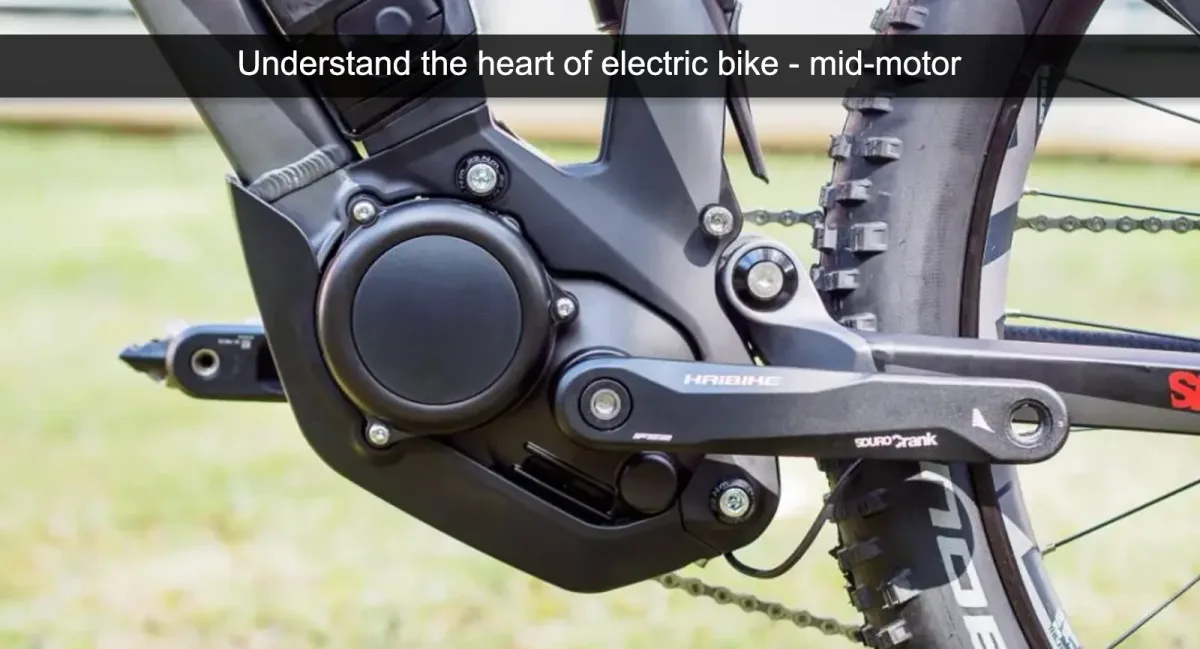
Can a standard 9 speed chain be used on a mid drive e-bike? Technically, yes. Practically, it’s risky.
Most manufacturers advise against using non-rated chains on high-torque motors like the Bosch Performance Line CX or Shimano STEPS EP8. The extra power puts stress that standard mountain bike chains aren’t built to handle.
We’ve seen plenty of riders try to save money by swapping in cheaper parts. But the math rarely works out. A standard chain might last half as long under electric assist.
Worse, it can chew up your cassette faster. Let’s look at why "9-speed" isn't the whole story when torque enters the picture.
Quick Answer
Yes, but you shouldn't. Standard 9-speed chains lack the reinforced plates needed for high-torque e-bikes. They stretch faster and wear cassettes prematurely.
Use only E-bike rated chains for safety and longevity. Mismatched components void warranties and increase crash risks during peak motor output.
How Mid-Drive Torque Destroys Standard Chains Faster Than You Think
Mid-drive motors deliver power directly to the crankset. This creates immediate, high shear force on the chain links. Unlike hub motors, which spin freely until engaged, mid-drives push hard from the first pedal stroke.
Standard chains are designed for human-powered cycling. Their inner plates are thinner and made of softer steel alloys. When an 85Nm motor kicks in, those thin plates bend slightly with every rotation.
Over thousands of cycles, this leads to rapid elongation. We call this "chain stretch," though the metal doesn't actually grow. The pins simply wear down, creating gaps between rollers.
The Physics of Shear Force vs. Pedal Power
Human legs produce variable torque. You coast, you sprint, you climb. Electric motors provide consistent, amplified torque regardless of rider effort.
This constant load prevents the chain from resting. Aggregate reviews indicate that e-bike chains experience up to three times the stress of acoustic counterparts.
The failure mode is distinct. On normal bikes, chains wear evenly. On e-bikes, the side plates deform under peak load.
This deformation increases friction against the derailleur pulleys. That heat further degrades the lubricant, accelerating wear in a vicious cycle.
Why Manufacturer Specs Matter More Than Speed Count
Shimano and Bosch publish strict compatibility charts. These documents specify which chains meet their durability standards. Ignoring them is not just a warranty issue; it’s a mechanical mismatch.
A "9-speed" label only describes width spacing. It says nothing about tensile strength or plate hardness. An E-bike specific 9-speed chain (if available) or a robust 10/11-speed equivalent often has thicker plates.
These resist deformation better. Using a lightweight racing chain on a cargo e-bike is asking for trouble. The specs exist because physics demands it.
The Hidden Risks: Safety, Warranty, and Component Damage
Using the wrong chain introduces subtle dangers. It starts with performance degradation. Shifting becomes sluggish under load.
Then, structural integrity fails.
Chain Snap Catastrophes at High Cadence
Chain snaps are rare but catastrophic. Under heavy pedal assist, a snapped chain can whip backward. This poses a serious injury risk to the rider’s legs.
It can also jam the rear wheel, causing an immediate loss of control.
Most failures happen at weak points. Riveted joints or worn master links are prime suspects. Standard chains have lower fatigue limits.
At 25 mph with full motor assist, the kinetic energy involved is significant. A break here isn't just inconvenient; it's dangerous.
Voiding Your Bosch or Shimano Warranty
Manufacturers explicitly exclude damage caused by non-approved consumables. If your drivetrain fails early, they’ll check the chain brand. Seeing a generic SRAM or KMC standard model instead of an approved E-series part gives them grounds to deny the claim.
This applies even if the chain didn't cause the initial fault. The burden of proof shifts to you. Replacing a $20 chain saves cash upfront but risks a $500+ warranty dispute later.
Always check your owner’s manual before swapping parts.
Accelerated Cassette Wear (The Expensive Domino Effect)
A stretched chain acts like a saw blade on your cassette teeth. As the pitch increases, the chain no longer sits correctly in the sprocket valleys. It rides higher, grinding away the metal hooks.
Replacing a chain is cheap. Replacing a cassette is expensive. Replacing both is inevitable if you wait too long.
Standard chains accelerate this process. You might find yourself buying new cassettes twice as often. The cost savings from the cheap chain vanish quickly.
When It’s Actually Okay to Use a Standard 9-Speed Chain
There are exceptions. Not all e-bikes are created equal. Context matters more than rigid rules.
Low-Power Commuter Setups (<50Nm Peak Torque)
Some entry-level e-bikes use modest motors. Think 250W continuous output with low gear ratios. Here, the torque spike is manageable.
A quality standard chain might survive reasonably well.
However, "survive" isn't "thrive." Expect shorter lifespans. Monitor wear closely. If you ride mostly flat terrain with light loads, the risk decreases.
Steep hills and heavy payloads change the equation entirely.
Budget Constraints vs. Long-Term Value Calculation
Sometimes you’re stuck. Maybe you’re far from a shop. Or perhaps you’re fixing a bike for someone else temporarily.
In these cases, a standard chain is better than no chain.
Treat it as a stopgap. Plan to upgrade soon. Calculate the true cost.
If a standard chain lasts 1,500km and costs $15, that’s $0.01/km. If an E-chain lasts 4,000km and costs $30, that’s $0.0075/km. The premium option is cheaper per mile.
Identifying Non-E-Bike Specific Drivetrains on Older Models
Early e-MTBs sometimes shipped with standard components. Manufacturers haven't always caught up with marketing claims. Check your original equipment.
If it came with a basic Shimano Deore chain, the frame geometry likely supports moderate torque.
Newer builds prioritize durability. Look for logos like "E-Ready" or "Trekking" on packaging. Absence of these markers suggests standard use.
Still, verify torque ratings. Just because it fits doesn't mean it lasts.
Choosing the Right Replacement: Reinforced E-Chains Explained
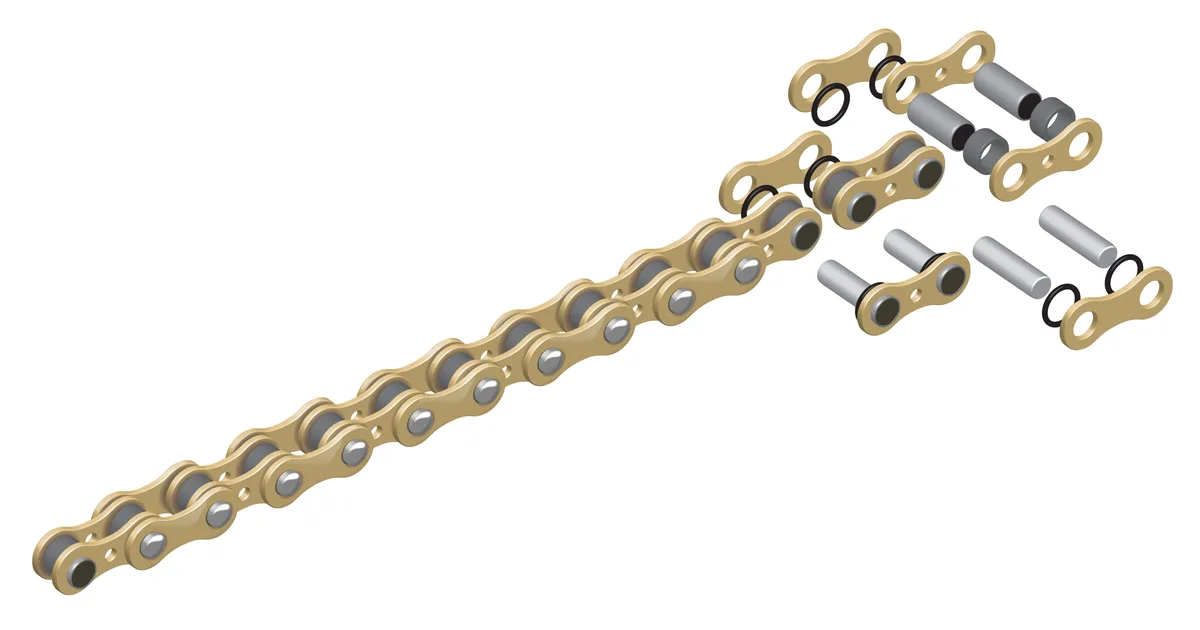
You need a chain built for abuse. Reinforced E-chains offer thicker side plates and harder pin materials. They resist stretching under cyclic loading.
Key Differences in Plate Thickness and Material Hardness
Standard chains use cold-formed steel. E-chains often use through-hardened alloys. This increases yield strength.
The plates don't bend permanently under sudden torque spikes.
Width remains compatible with your 9-speed cassette. But the internal structure differs. Some models feature hollow pins for weight savings without sacrificing strength.
Others add nickel plating for corrosion resistance. Both matter for longevity.
| Feature | Standard 9-Speed Chain | Reinforced E-Bike Chain |
|---|---|---|
| Plate Thickness | Thin (~1.5mm) | Thick (~1.8mm+) |
| Pin Material | Soft Steel | Hardened Alloy |
| Tensile Strength | ~1,000 kgf | ~1,200+ kgf |
| Expected Lifespan | 1,500–2,500 km | 3,000–5,000+ km |
| Cost Per Unit | $10–$15 | $20–$30 |
Top Brands for Durability
KMC dominates the aftermarket space. Their X10Evo and X11Evo lines are popular upgrades. While strictly 10 or 11-speed, some users run narrower setups successfully.
Stick to brands listing explicit e-bike certification.
Shimano offers CN-HG95 or similar tiers for higher speeds. For true 9-speed options, availability is scarce. Many riders step up to 10-speed cassettes to access better chains.
Consult a mechanic before mixing widths.
Cost Breakdown: Upfront Savings vs. Lifespan Loss
Don't let sticker shock dictate decisions. Factor in labor. Changing a chain takes ten minutes.
Changing a cassette takes thirty. Doing both takes forty-five.
If you replace a standard chain every six months, you pay more in time and parts. An E-chain installed annually often wins financially. Plus, you preserve resale value.
Buyers check drivetrain condition. Fresh, spec-compliant parts signal care.
Maintenance Protocols to Extend Any Chain’s Life on an E-Bike
Even the best chain fails without care. E-bikes demand stricter maintenance schedules. Ignore this, and you waste money on premium parts.
Strict Stretch Monitoring (The 0.5% Rule)
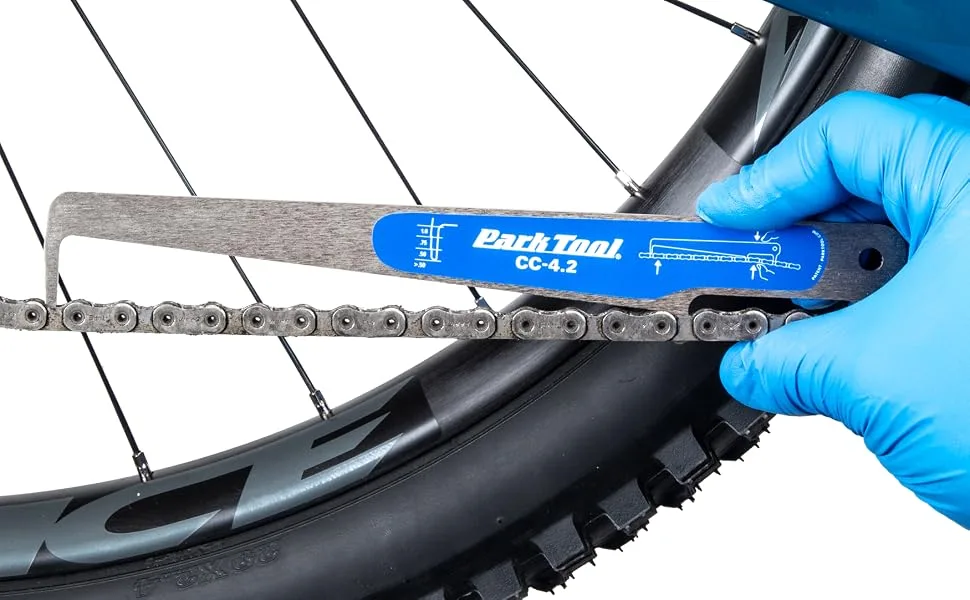
Standard bikes allow 0.75% stretch before replacement. E-bikes should hit the swap button at 0.5%. Use a digital caliper or dedicated checker tool.
Measure over twelve links.
Check monthly. High-torque usage accelerates wear invisibly. By the time shifting feels rough, damage is done.
Catch it early. Protect your cassette.
Lubrication Strategies for High-Friction Electric Assists
Electric motors generate heat. Heat breaks down oil. Use wet lubes for rainy conditions.
Dry lubes attract less dirt in summer. Never leave a chain dry.
Apply lube to the rollers, not the outside plates. Wipe off excess. Excess lube grabs grit.
Grit acts as sandpaper. Clean the chain thoroughly before re-lubing. Frequency matters more than brand.
Cleaning Intervals Based on Motor Usage Patterns
Ride fifty miles? Wash the drivetrain. Ride five miles on pavement?
Wait a week. Adjust based on environment. Mud and salt destroy chains fastest.
Use a degreaser sparingly. Harsh chemicals strip factory grease from pins. Rinse well.
Dry completely. Rust forms overnight on unprotected steel. Consistency beats intensity.
Small, frequent cleanings prevent major repairs.
Frequently Asked Questions About E-Bike Drivetrain Compatibility
Can I mix chain brands on my e-bike?
Yes, provided they meet the same speed rating and torque specifications. Shimano, SRAM, and KMC chains are generally cross-compatible if widths match. However, mixing a standard consumer chain with an e-rated cassette creates imbalance.
Stick to one brand’s ecosystem for optimal shifting performance. Always verify that the new chain carries an "E" designation or equivalent reinforcement rating. This ensures consistent plate thickness across all drivetrain components.
How often should I replace my e-bike chain?
Replace it every 2,000 to 3,000 kilometers under normal use. High-torque riding may shorten this to 1,500 kilometers. Check stretch monthly using a calibrated tool.
If it hits 0.5% elongation, swap it immediately. Waiting until 0.75% damages your cassette permanently. Regular inspection prevents costly repairs.
Keep a log of mileage and replacement dates. This helps predict wear patterns based on your specific motor settings and terrain.
Do belt drives solve the chain problem?
Partially. Gates Carbon Drive belts eliminate stretch and lubrication needs. They handle high torque exceptionally well.
But they require specific frames and sprockets. You cannot retrofit a belt onto a standard derailleur setup easily. Belts also struggle with mud and debris clearance compared to chains.
For most mid-drive e-bikes, a reinforced chain remains the practical choice. Belts suit fixed-gear or internal hub setups better than multi-speed derailleurs.
Will using a standard chain void my insurance?
Potentially. Some policies exclude damage from non-compliant modifications. If a crash results from chain failure, insurers may investigate part origins.
Using OEM-approved consumables protects your claim. Document any third-party replacements with receipts showing e-rating compliance. This proves due diligence.
Never assume generic parts are covered. Check your policy fine print regarding mechanical failures versus accidental damage. Transparency reduces liability risks significantly.
Can I upgrade to 10-speed just for better chains?
Often, yes. Many 9-speed e-bikes accept 10-speed cassettes with minor adjustments. This grants access to stronger, widely available chains like the KMC X10Evo.
Ensure your derailleur has enough capacity for the larger range. Check wheel spacing compatibility first. A mechanic can assess feasibility quickly.
This upgrade extends drivetrain life substantially. It balances cost against durability effectively for high-mileage commuters. Verify frame dropout width before purchasing new wheels or spacers.

Similar Posts