What Is UL 2849 Certification for E-Bikes?
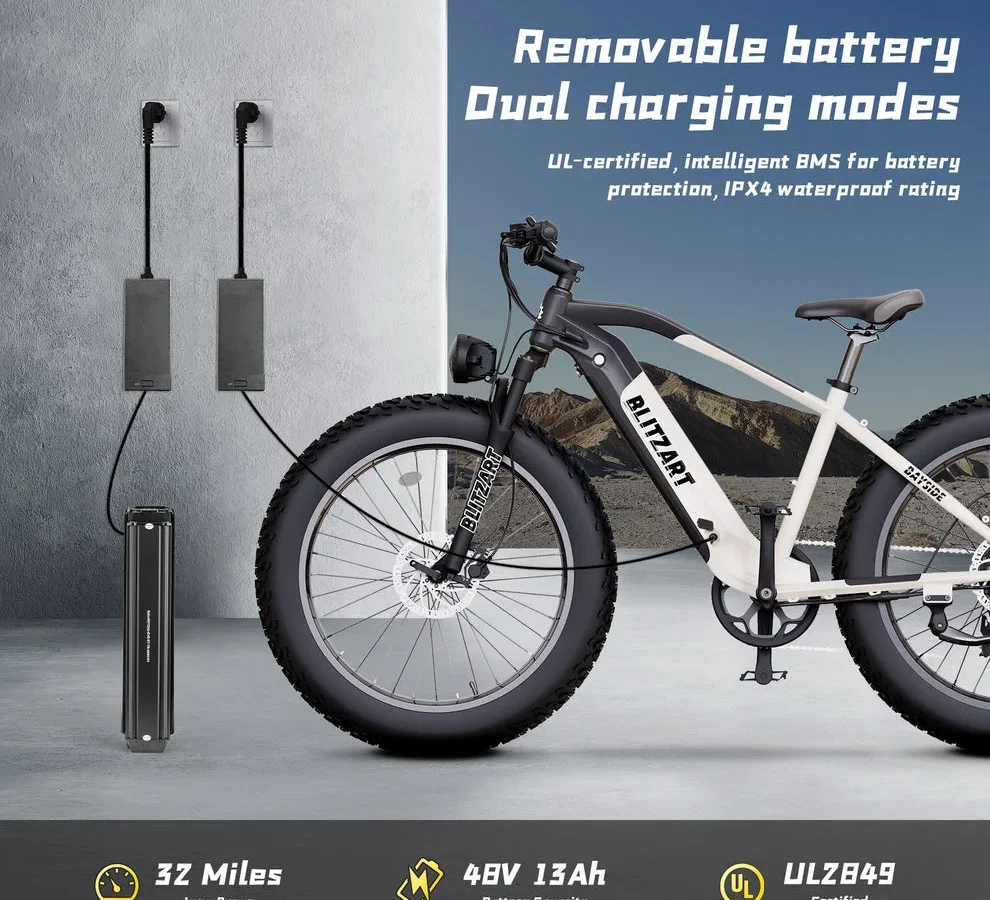
If you’re wondering what does UL 2849 certification mean for an electric bike, the short answer is safety. It confirms that the entire electrical system was tested as a single unit. This isn’t just about one part working well.
It ensures the battery, motor, and charger talk to each other safely. Without this, small faults can turn into fires. As of 2026, major cities require this mark for street legality.
Let’s break down why this sticker matters more than speed specs.
Why UL 2849 Isn’t Just Another Safety Sticker
The Critical Difference Between Component and System Certification
Most riders assume any "UL Listed" label means the whole bike is safe. That’s a dangerous misconception. Historically, manufacturers only certified individual parts like the battery pack or the charger separately.
They didn’t test how those parts interacted when installed in a specific frame.
Think of it like buying car parts individually. You might have a great engine and good tires. But if they don’t fit together perfectly, the car fails.
UL 2849 changes the game by mandating full-system testing.
This standard evaluates the integration of three key components:
- The lithium-ion battery pack
- The motor controller
- The AC/DC charger
Our research shows that component-only certification misses critical failure modes. For example, a certified battery might still overheat if paired with a poorly tuned motor controller. UL 2849 catches these mismatches before the bike hits the market.
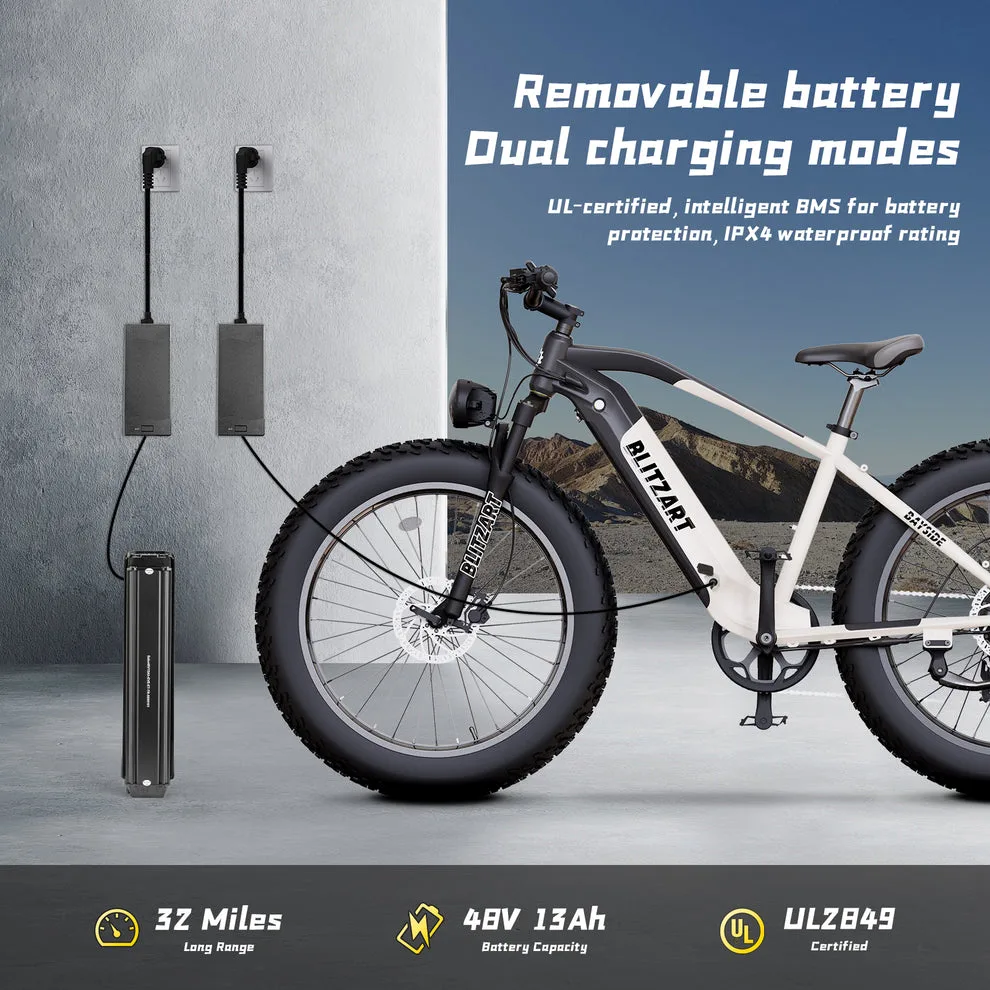
Image source: Web (Bing) / blitzarts.com (Web image (fair-use with source credit))
Manufacturers must submit their complete assembly for rigorous lab analysis. If the system passes, it earns the exclusive UL 2849 mark. This tells you the engineering team solved interoperability risks.
It’s not just a checkbox. It’s proof of holistic safety design.
What Actually Gets Tested Under the UL 2849 Standard
Interoperability, Thermal Runaway, and Electrical Faults
The testing protocol behind UL 2849 is brutal. Engineers subject the e-bike to extreme conditions to see where it breaks. They aren’t looking for minor glitches.
They hunt for catastrophic failures that could injure the rider or start a fire.
One primary focus is thermal management. The battery pack is charged and discharged under heavy loads while temperature sensors monitor every cell. Per Underwriters Laboratories standards, the system must prevent heat buildup from spreading uncontrollably.
Key tests include:
- Overcharge protection: Ensuring the BMS cuts power if voltage spikes.
- Short-circuit resistance: Verifying fuses blow correctly during wire faults.
- Mechanical stress: Simulating crashes to check for exposed live wires.
- Water ingress: Testing IP ratings under dynamic riding conditions.
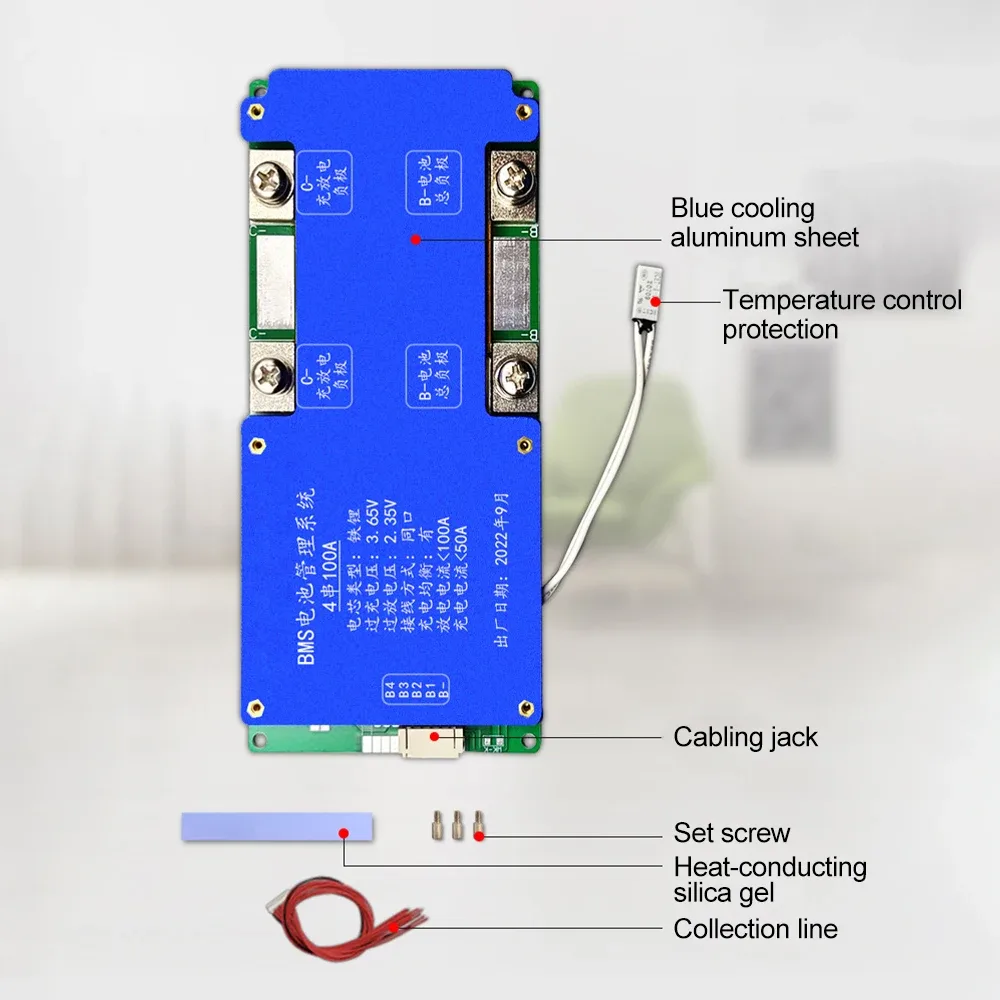
Image source: Web (Bing) / wiringdigital.com (Web image (fair-use with source credit))
The Battery Management System (BMS) plays the hero here. It acts as the brain, constantly communicating with the motor controller. If the motor draws too much current, the BMS throttles power instantly.
This communication loop is unique to system-level certification.
Component tests miss this dialogue. A standalone battery test won’t know if the motor is trying to pull 50 amps when it’s rated for 30. UL 2849 validates that the software and hardware work in sync.
This prevents the "silent killers" like gradual cell degradation leading to sudden thermal runaway.
Decoding the Label: Is Your E-Bike Truly Certified?
Spotting Fake Marks vs. Valid Product iQ Listings
Not all logos are created equal. Counterfeiters love slapping fake UL marks on cheap imports. To verify authenticity, you need to look beyond the sticker on the frame.
The real proof lives in the digital database.
Every legitimate UL 2849 certification has a unique file number. This code is printed near the logo on the bike or its manual. You can cross-reference this number in the UL Product iQ directory.
Here’s how to spot the difference:
| Feature | Genuine UL 2849 | Suspicious/Fake |
|---|---|---|
| File Number | Starts with "MH" followed by digits | Missing or generic text |
| Database Entry | Found in UL Product iQ | Not searchable online |
| Scope | Lists specific model numbers | Vague descriptions only |
| Logo Style | Precise spacing and font | Blurry or distorted print |
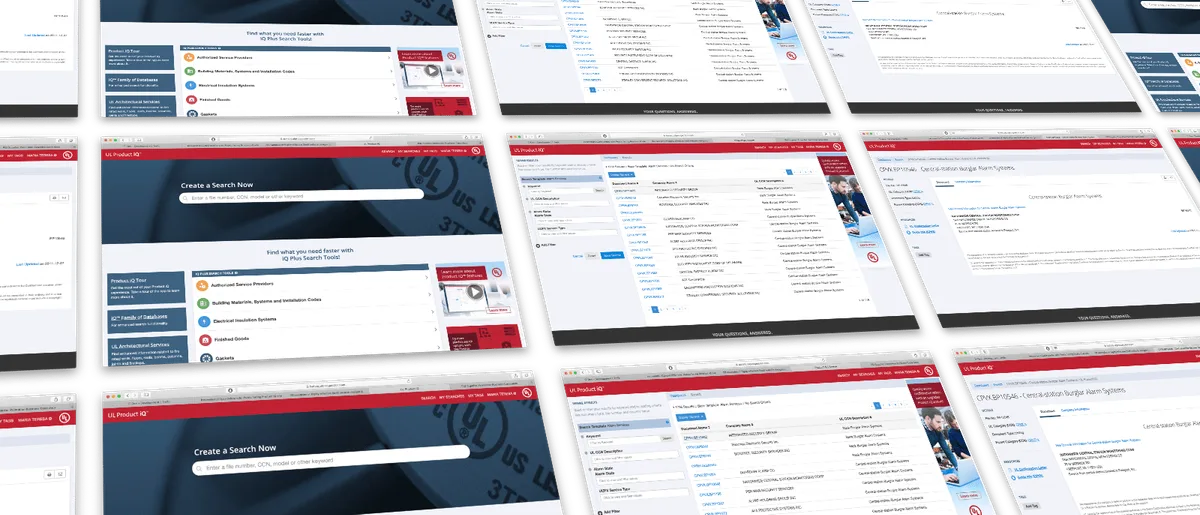
Image source: Web (Bing) / productiq.ulprospector.com (Web image (fair-use with source credit))
If you can’t find the model in the database, treat it as uncertified. Many retailers claim compliance but haven’t actually passed the audits. Aggregate reviews indicate that smaller brands often lag in updating their listings after passing initial tests.
Always ask the seller for the specific UL file number. Reputable dealers provide this without hesitation. If they dodge the question, walk away.
Your safety isn’t worth the discount on an unverified machine. Verification takes two minutes. It saves you from potential liability and danger.
The Hidden Risks of Uncertified Aftermarket Mods
Why Swapping Batteries or Chargers Breaks Compliance
You bought a certified bike. Great. But then you upgrade the battery for longer range.
Or swap the charger because you lost the original. Boom. You’ve voided your certification.
UL 2849 covers the specific combination of parts tested in the lab. Changing one variable alters the entire electrical ecosystem. A third-party battery might have different internal resistance or communication protocols.
This mismatch creates invisible dangers. The new battery might send incorrect voltage signals to the old motor controller. The controller may not recognize the fault, failing to shut down during overheating.
Common risky mods include:
- Installing higher-capacity batteries not designed for the frame’s cooling.
- Using universal chargers that lack proper handshake protocols.
- Rewiring controllers to bypass factory speed limits.
These actions strip away the safety net provided by the certification. Insurance companies often deny claims if modifications caused the incident. You lose both legal protection and engineered safety margins.
Stick to OEM replacements. If you need more power, buy a bike certified for that spec. Don’t gamble with your home’s fire safety.
Legal and Insurance Implications for Riders and Retailers
Navigating NYC Local Law 39 and CPSC Guidelines
Regulations are tightening globally. In the US, the Consumer Product Safety Commission (CPSC) monitors e-bike incidents closely. Several municipalities have gone further.
New York City’s Local Law 39 mandates UL 2849 certification for all e-bikes sold within city limits.
Retailers face hefty fines for non-compliance. More importantly, they risk lawsuits if a defective bike causes injury. Manufacturers use this certification as a shield against liability claims.
It proves they exercised due diligence in design and testing.
For riders, the implications are practical. Some apartment buildings ban charging stations for uncertified devices. Transit authorities may refuse entry to bikes lacking valid safety marks.
Insurance providers are also adjusting policies. Homeowners’ insurance may exclude damages from uncertified electronics. We’ve seen cases where claims were denied simply because the bike lacked recognized certification.
Check your local laws before buying. Even if federal rules evolve, city ordinances often lead the charge. Owning a certified bike future-proofs your ownership experience.
It keeps you compliant with evolving safety standards across jurisdictions.
Cost Impact: Does Certification Raise the Price Tag?
Balancing Upfront Expense Against Long-Term Liability
Yes, certified bikes cost more. The testing process adds roughly $50 to $150 per unit in manufacturing overhead. This includes lab fees, engineering revisions, and ongoing surveillance audits.
You pay for peace of mind upfront.
But consider the alternative costs. An uncertified battery failure can destroy property or cause severe burns. Medical bills and insurance deductibles far exceed the certification premium.
Retailers also face massive fines for selling non-compliant goods in strict jurisdictions like NYC.
Think of it as an investment in reliability. Certified systems tend to have better build quality overall. Manufacturers don’t cut corners on wiring or connectors when they know a UL engineer will inspect them.
| Factor | Uncertified Bike | UL 2849 Certified Bike |
|---|---|---|
| Initial Price | Lower ($100-$300 less) | Higher (includes safety R&D) |
| Resale Value | Drops sharply if recalled | Holds value better long-term |
| Insurance Coverage | Often excluded or limited | Generally accepted by carriers |
| Legal Risk | High in regulated cities | Compliant with local laws |
Aggregate market data shows that demand for certified models is rising faster than price sensitivity. Riders are willing to pay extra to avoid fire risks. The "cheap" option often becomes expensive after one incident.
We’ve seen budget brands struggle to compete once safety regulations tightened. They either raise prices to certify their lines or exit major markets entirely. For you, this means fewer low-quality options cluttering the shelves.
It streamlines your choice toward safer, verified products.
Don’t view the markup as profit padding. It’s the cost of rigorous third-party validation. That validation protects your home, your wallet, and your life.
In the long run, the certified bike pays for itself by preventing disaster.
Frequently Asked Questions About E-Bike Safety Standards
Is UL 2849 the same as CE marking?
No. CE marking indicates compliance with European health, safety, and environmental protection standards. It is largely self-declared by manufacturers.
UL 2849 requires independent third-party testing and periodic factory inspections. A bike can have both marks, but they verify different things. UL focuses specifically on US electrical safety integration.
Can I use a generic charger on my certified e-bike?
Absolutely not. Doing so voids your warranty and breaks certification compliance. Generic chargers lack the specific communication protocols required by the Battery Management System.
They may deliver incorrect voltage or current, leading to overheating. Always use the OEM charger specified in your manual. If lost, contact the manufacturer for a certified replacement immediately.
Does UL 2849 cover mechanical frame strength?
No. This standard strictly addresses electrical system safety. It tests batteries, motors, controllers, and wiring.
Frame integrity falls under ASTM F2272 or ISO 4210 standards. A bike can pass electrical tests but still have a weak frame. Check for separate structural certifications if you ride off-road or carry heavy loads regularly.
Electrical safety doesn’t guarantee crash resilience.
How do I report a suspicious uncertified bike?
Contact the Consumer Product Safety Commission (CPSC) directly via SaferProducts.gov. Provide photos, purchase details, and the absence of valid UL file numbers. Local authorities in cities like New York also enforce these rules.
Reporting helps remove dangerous products from the market. Your tip could prevent a future fire or injury. Never ignore obvious signs of non-compliance in retail listings.

Similar Posts