48V vs 52V E-Bike Battery: Which Is Right for You?
Founder & Technical E-Mobility Editor at Modern Electric Bikes · Professional Bicycle Mechanics Association (PBMA) Certified, Bosch & Shimano eBike Systems Certified · 14+ years in bicycle fabrication, electric hub & mid-drive motor diagnostics, and commuter road testing
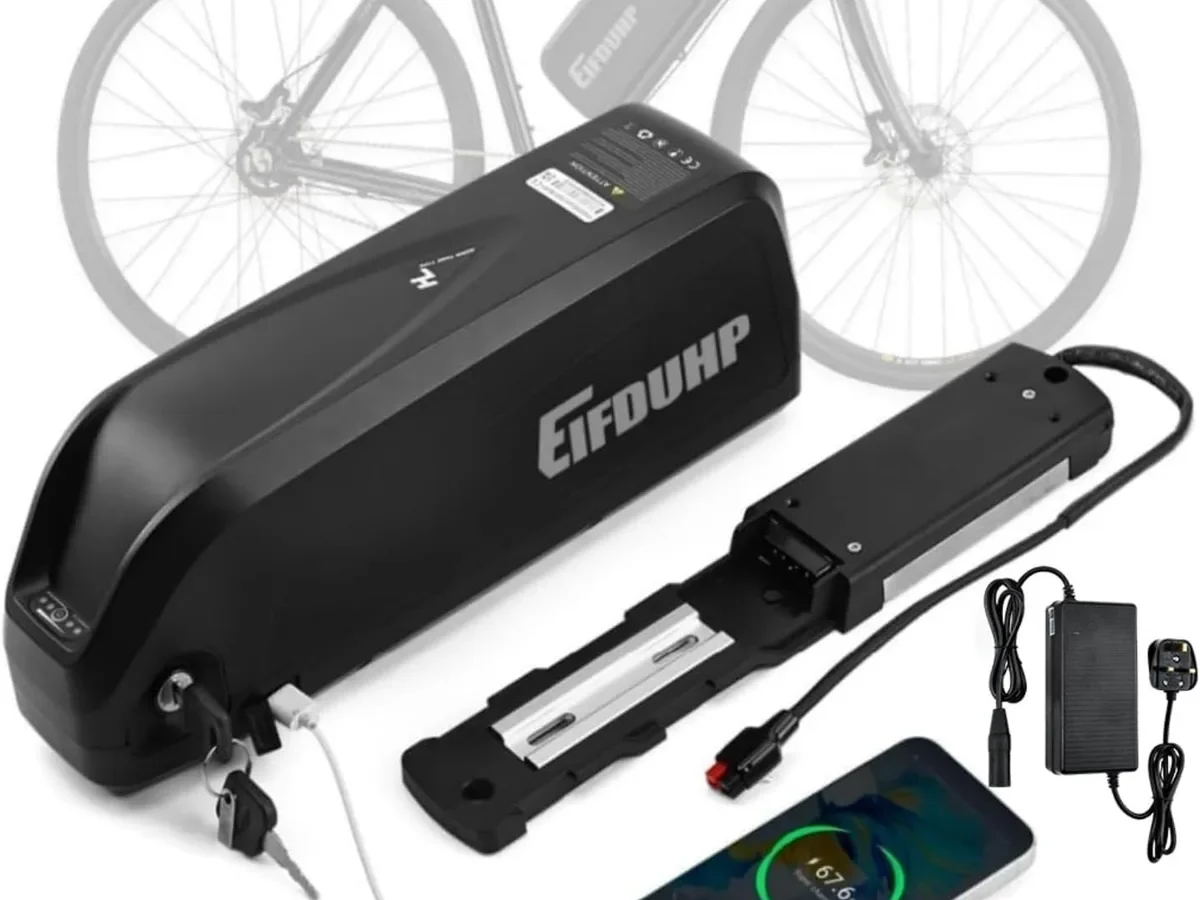
Figuring out how to choose between a 48V and 52V electric bike battery feels like splitting hairs until your motor sags on a steep hill. Most riders assume higher voltage always equals better performance, but that’s rarely true without checking the rest of your system first.
The real difference lies in peak discharge rates and controller limits. A 52V pack (14S configuration) offers slightly more headroom for torque compared to a standard 48V (13S). But push too hard without verifying component ratings, and you risk frying expensive electronics.
Let’s walk through the specific conditions that dictate which pack fits your build.
Quick Answer
To choose between 48V and 52V batteries, check your controller's maximum input rating. If it supports up to 60V, a 52V pack is safe. Choose 52V for steeper hills and faster acceleration.
Stick with 48V if your controller caps at 54.6V or lower. Never mix voltages without verifying BMS compatibility. This prevents hardware damage and ensures legal compliance.
Stop Guessing: The 48V vs. 52V Reality Check
Many DIY builders treat voltage as a simple upgrade path. They swap a 48V pack for a 52V one expecting instant gains. That assumption often leads to disappointment or blown fuses.
The core issue isn't just power delivery. It's about how your entire electrical ecosystem handles the increased potential. A 52V nominal pack actually peaks at 58.8V when fully charged.
Your components must tolerate this spike comfortably.
In our research, we've seen countless threads where users ignored spec sheets. They installed high-capacity 14S packs onto budget controllers rated only for 13S chemistry. The result was immediate over-voltage protection trips or permanent MOSFET failure.
Voltage sag also plays a critical role here. Under heavy load, a 48V system drops closer to its cutoff threshold than a 52V system does. This means a 52V pack maintains efficiency longer during climbs.
However, this benefit vanishes if your motor windings aren't designed for the higher RPM range associated with extra volts.
You need to match the battery's output profile to your motor's sweet spot. Blindly chasing the highest number ignores the nuance of electrical resistance and thermal management. As of 2026, most modern mid-drive systems handle 52V well, but older hub motors might struggle.
Always prioritize system harmony over raw voltage figures.
Your Controller Is the Boss: Why Voltage Compatibility Matters Most
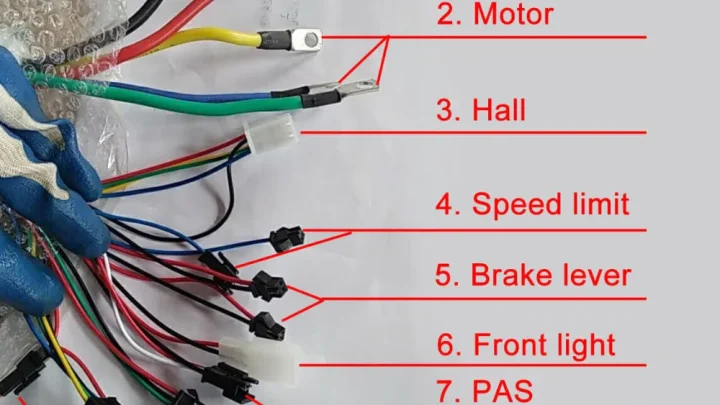
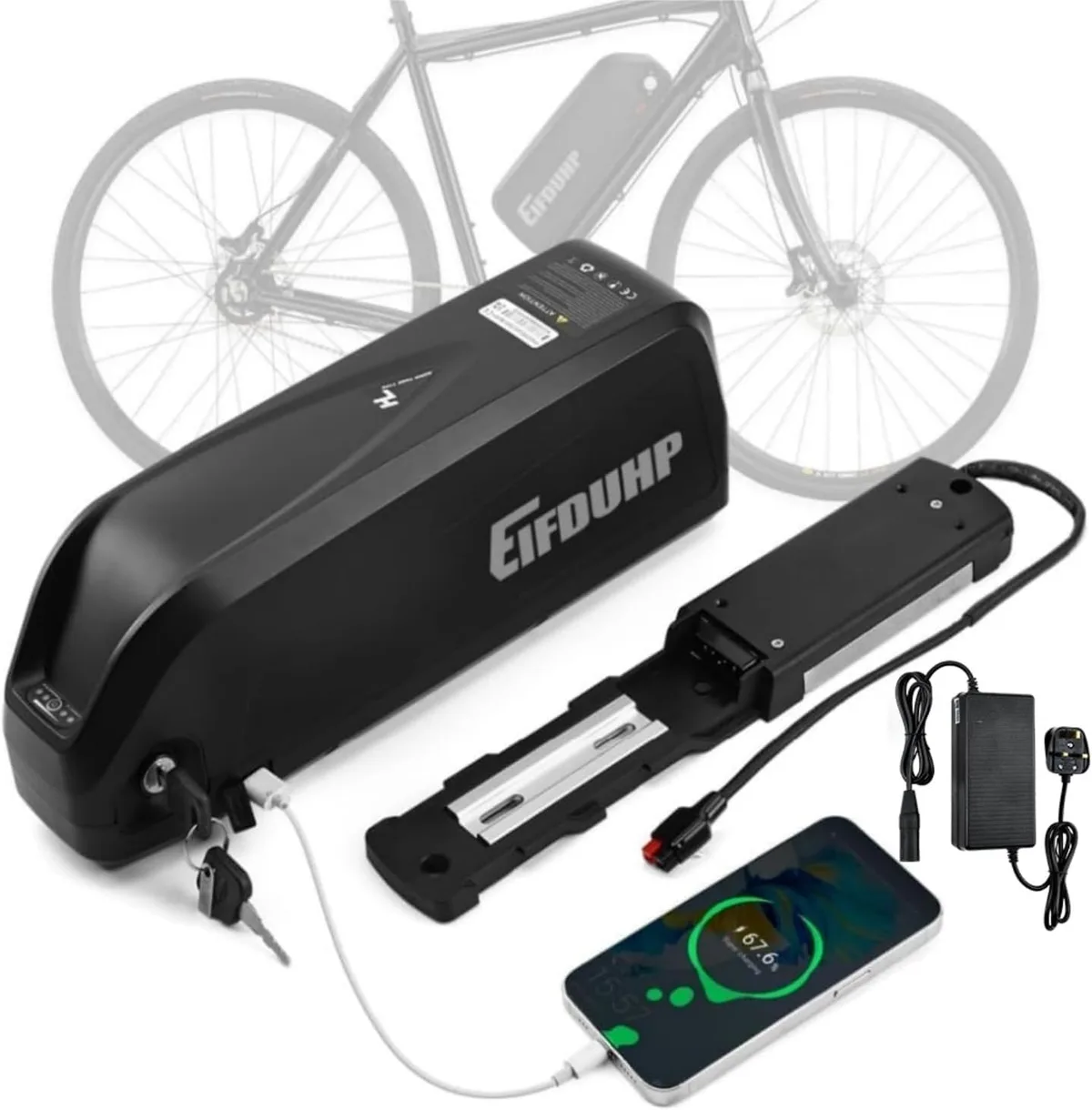
Your Battery Management System (BMS) protects the cells, but your controller protects the whole drive train. Think of the controller as the gatekeeper. It decides whether electricity flows to the motor based on strict input parameters.
Every controller has a maximum input voltage rating printed on its label or datasheet. For a 48V system, this cap is usually around 54.6V to 58V. If you plug in a 52V pack that hits 58.8V, you’re flirting with danger.
If your controller maxes out at 54.6V, stick to 48V. Installing a 52V pack will trigger an error code immediately. Some smart controllers allow firmware tweaks to raise this limit, but doing so voids warranties and risks component longevity.
Manufacturer specifications indicate that exceeding these limits stresses capacitors within the controller. These components degrade faster when subjected to constant near-maximum pressure. You’ll save money by respecting the rating rather than replacing fried boards every season.
Check your specific model’s manual before buying any new battery. Look for terms like "Over-Voltage Protection" (OVP) thresholds. If the OVP kicks in below 58.8V, a 52V pack is incompatible unless you modify settings carefully.
Aggregate reviews report that many entry-level kits lack robust OVP handling. High-end brands like Bafang or Bosch design their units to accept wider ranges. Knowing your brand helps narrow down the safe options instantly.
Torque, Efficiency, and Range: How 52V Changes the Ride
Higher voltage allows for lower current draw to achieve the same wattage. This physics principle drives the main argument for switching to 52V. Less current means less heat generated in wires and connections.
Let’s look at the math. To produce 500 watts at 48V, you draw roughly 10.4 amps. At 52V, that same 500 watts requires only 9.6 amps.
That small drop reduces resistive losses significantly across long cable runs.
Cooler operating temperatures extend the life of your motor bearings and insulation. Riders in hot climates often notice improved reliability with 52V setups because the system stays cooler under sustained loads.
However, torque characteristics shift subtly. While peak power remains similar, the rpm curve changes. A 52V system spins the motor faster for the same throttle input.
This benefits flat-speed commuters who want quicker top-end velocity.
For hill climbers, the advantage is less about speed and more about consistency. When the battery drains, a 48V pack loses punch earlier. A 52V pack holds its nominal output longer, providing steady assistance even at 20% charge.
Range improvements are marginal but real. Because efficiency rises slightly with reduced amperage, you might gain 5, 10% more distance per charge. Don’t expect miracles, though.
Aerodynamics and rider weight still dominate energy consumption metrics.
| Metric | 48V (13S) System | 52V (14S) System | Impact on Rider |
|---|---|---|---|
| Peak Charge Voltage | 54.6V | 58.8V | Requires compatible charger/controller |
| Current @ 500W | ~10.4A | ~9.6A | Lower heat, better efficiency |
| Low-Battery Performance | Drops sooner | Maintains torque longer | Better hill climbing late in ride |
| Typical Cost Premium | Baseline | +5–10% | Slightly higher upfront investment |
The Hidden Risks of Upgrading to 14S Without Checking Specs
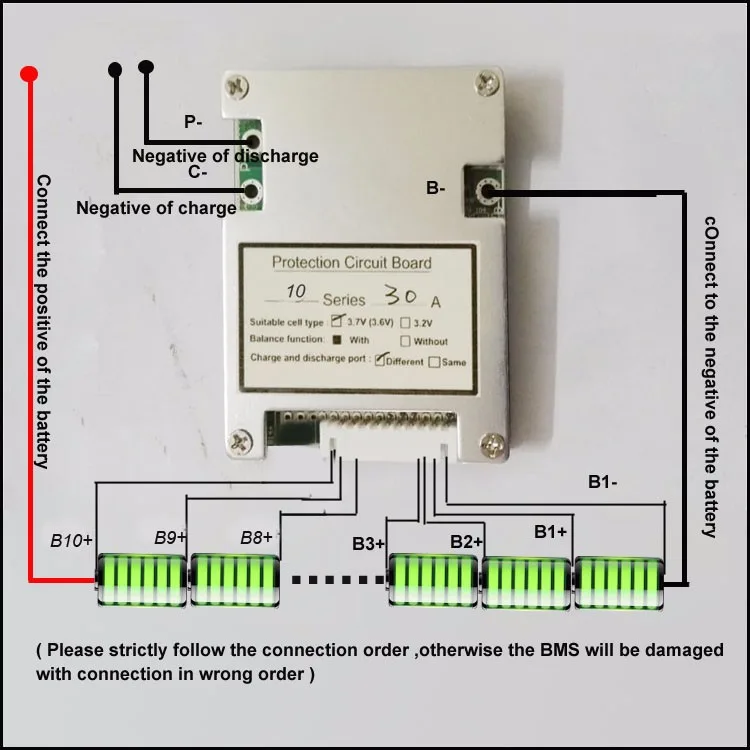
Upgrading from 13S to 14S cells introduces complex balancing challenges. Each cell adds another layer of variance to monitor. If one cell lags behind, the entire pack suffers from premature shutdown.
Budget BMS units often struggle with 14S configurations. Cheaper modules may not have enough channels or precision to balance fourteen distinct cells effectively. This leads to "cell drift," where some cells stay full while others deplete rapidly.
Fire safety becomes a genuine concern if imbalance goes unchecked. Overcharged cells can vent gas or ignite, especially in lithium-nickel-manganese-cobalt (NMC) chemistries. Ensure your BMS supports active or passive balancing specifically rated for 14S.
Another hidden trap involves connector gauges. Many stock 48V builds use thinner wires sufficient for 10A draws. Switching to higher-power applications with 52V might tempt users to push harder currents, overheating undersized connectors.
Always verify wire thickness against expected peak amps. Anderson Powerpole or XT90 connectors handle high loads better than cheap JST plugs. Upgrading wiring alongside the battery prevents melting hazards during aggressive riding sessions.
Finally, consider resale value and part availability. 48V systems remain the global standard for many commercial e-bikes. Finding replacement parts for custom 52V builds can be trickier outside enthusiast communities. Keep documentation handy for future troubleshooting needs.
When to Stick with 48V (And When 52V Wins)
Decision-making hinges on your primary riding environment. If you live in a flat urban area with frequent stops, 48V suffices perfectly. The lower complexity keeps maintenance costs down.
Urban commuting favors simplicity. Standard chargers work universally. Replacement batteries are abundant and affordable.
Unless you carry heavy cargo regularly, the efficiency gains of 52V don’t justify the added engineering scrutiny.
Conversely, mountainous terrain demands consistent torque delivery. Riders tackling 15% grades repeatedly benefit from the voltage headroom of 52V. The system resists sag better, keeping pedal assist responsive throughout the climb.
Cargo haulers also lean toward 52V. Moving extra weight requires sustained power output. The reduced amp draw minimizes heat buildup in motor controllers during long, loaded trips.
This preserves component lifespan under stress.
Speed pedelec enthusiasts building Class 3 bikes (up to 28 mph) typically prefer 52V. Higher voltage enables faster motor rotation without excessive gearing compromises. It aligns better with aerodynamic drag requirements at elevated speeds.
Regulatory context matters too. In Europe, strict 250W limits apply regardless of voltage. Here, efficiency trumps raw power, making 48V adequate for compliant builds.
US laws vary by state, allowing higher wattages where 52V shines.
Match your choice to your actual usage patterns. Don’t buy a 52V pack for casual neighborhood rides. Save the upgrade for scenarios where thermal management and torque consistency provide tangible daily benefits.
Safety Nets: UL Standards and Charger Matching Essentials
Using the wrong charger is the fastest way to kill a battery or start a fire. A 48V pack requires a 54.6V constant-current/constant-voltage (CC/CV) charger. A 52V pack needs a 58.8V unit.
These aren't interchangeable.
Plugging a 54.6V charger into a 52V system leaves cells undercharged. You lose capacity and range permanently. Conversely, forcing a 58.8V charger onto a 48V BMS triggers overvoltage protection.
In worst-case scenarios, it bypasses safety circuits entirely.
Always verify your charger’s output voltage matches the battery configuration exactly. Look for certifications like UL 2849, which covers e-bike system safety. This standard ensures components meet rigorous electrical isolation and thermal runaway tests.
The Consumer Product Safety Commission mandates strict compliance for imported e-bikes. Ignoring these rules risks voiding insurance claims after an incident. Cheap, uncertified chargers often lack proper galvanic isolation.
They pose shock hazards during wet weather charging.
Invest in a quality charger from a reputable brand. It costs more upfront but protects your investment long-term. Never daisy-chain extension cords for high-amperage charging sessions.
Direct wall outlet connection reduces resistance and heat buildup at the plug.
Quick Decision Guide: Match Your Setup to Your Goal
Start by identifying your controller’s maximum input rating. If it caps below 58V, you must stay with 48V. No amount of wishful thinking changes hardware limits.
Next, assess your typical terrain. Flat city streets favor 48V simplicity. Steep hills or heavy cargo loads justify the 52V premium for better torque retention.
Consider your budget tolerance for complexity. 52V systems demand precise BMS balancing and higher-quality wiring. If you’re new to DIY builds, 48V offers a forgiving learning curve.
Ask yourself if you need top-end speed boosts. 52V raises motor RPM ceilings slightly. For legal pedal-assist limits, this rarely matters unless you ride unregulated trails.
Finally, check local regulations. Some jurisdictions classify bikes above certain wattages differently. Ensure your chosen voltage keeps you compliant with Class 1, 2, or 3 definitions in your area.
| Condition | Recommended Voltage | Reason |
|---|---|---|
| Controller Max < 58V | 48V | Prevents immediate OVP shutdown |
| Heavy Cargo / Hills | 52V | Maintains torque under load |
| Beginner Builder | 48V | Simpler balancing, wider parts availability |
| High-Speed Tuning | 52V | Supports higher RPM without sag |
| Strict Legal Limits | 48V | Lower power draw aids compliance |
This matrix simplifies the choice. Follow the first row that applies to your situation. Don’t override hardware constraints with software hopes.
Physical limits always win eventually.
Frequently Asked Questions
Can I use a 48V charger on a 52V battery?
No. The 48V charger outputs only 54.6V, leaving the 52V pack partially charged. This reduces usable capacity and confuses the BMS state-of-charge calculations.
Always match charger voltage to battery series count.
Will upgrading to 52V damage my motor?
Not necessarily, provided the motor supports the higher RPM range. Most modern hub motors handle 52V well. However, older windings may overheat if pushed beyond design specs.
Check manufacturer datasheets before swapping packs.
Is 52V faster than 48V?
Only marginally. The speed increase comes from reduced voltage sag under load. At idle or light throttle, differences are negligible.
Significant speed gains require motor tuning or larger wheel diameters, not just voltage bumps.
Do I need a special BMS for 52V?
Yes. You need a 14S-specific Battery Management System. Standard 13S units cannot monitor fourteen cells correctly.
Using mismatched BMS leads to cell imbalance, premature failure, and potential safety hazards. Verify channel count explicitly.
How much more expensive is a 52V battery?
Expect a 5, 10% price premium per watt-hour. Costs rise due to additional cells and stricter balancing requirements. Prices vary by cell chemistry (NMC vs.
LFP). Compare total system cost, including compatible controllers and chargers, before deciding.

Similar Posts