Hub Motor vs Mid Drive: How to Choose Your E-Bike
Founder & Technical E-Mobility Editor at Modern Electric Bikes · Professional Bicycle Mechanics Association (PBMA) Certified, Bosch & Shimano eBike Systems Certified · 14+ years in bicycle fabrication, electric hub & mid-drive motor diagnostics, and commuter road testing
Figuring out how to choose between a hub motor and a mid drive motor often feels like picking your poison. Both systems offer electric assistance, but they behave very differently on the road. Your decision hinges less on raw power specs and more on where you ride and what kind of maintenance you’re willing to handle.
Hub motors are simpler bolt-on solutions that don’t stress your bike’s drivetrain. Mid-drives leverage your existing gears for better efficiency on hills. As of 2026, market trends show a clear split: commuters lean toward hubs for reliability, while trail riders prefer mid-drives for torque control.
Let’s break down which one fits your life.
Quick Answer
Choosing between these motors depends on terrain and maintenance tolerance. Hub motors excel in flat urban commuting with low upkeep needs. They attach directly to wheels without stressing chains or cassettes.
Mid-drive motors shine on steep hills by using bicycle gears efficiently. However, they accelerate wear on drivetrain components significantly. Select a hub for simplicity and city streets.
Choose a mid-drive for varied terrain and long-distance touring capabilities.
Why Your Riding Style Dictates the Motor Choice
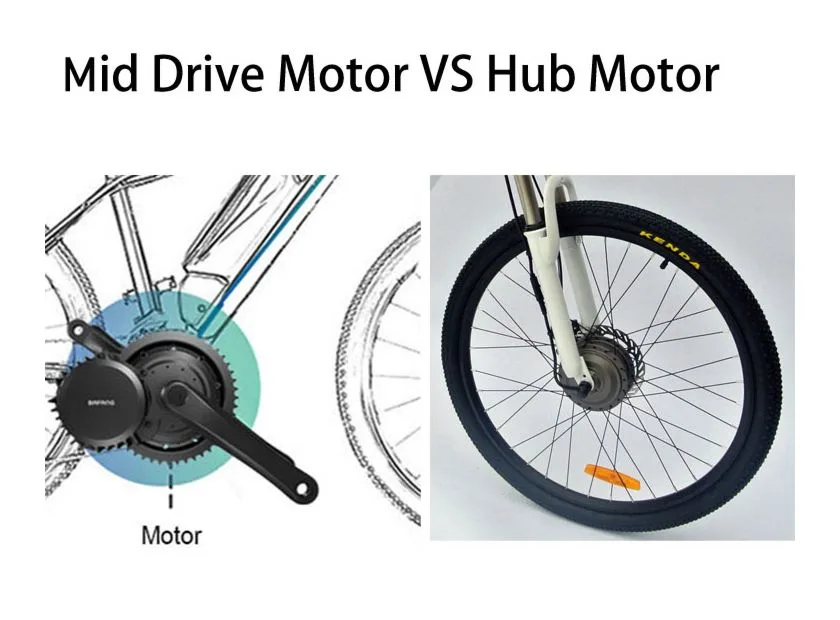
The core difference lies in where the power enters the system. A hub motor pushes or pulls the wheel directly. It ignores your pedal cadence and gear selection entirely.
This means constant torque delivery regardless of resistance. You get immediate boost whenever you twist the throttle or pedal.
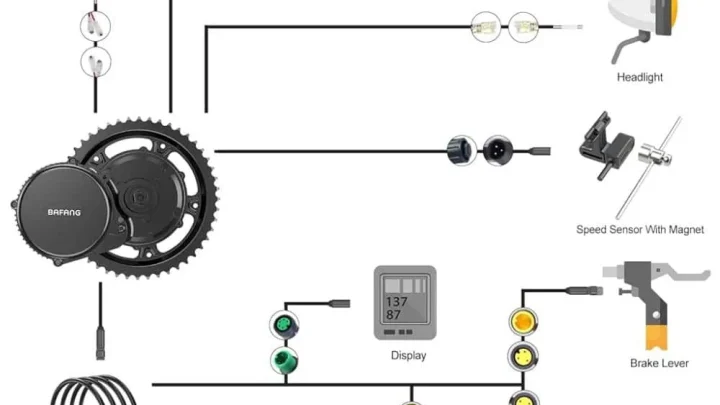
A mid-drive motor connects to the crankset area. It drives the chain just like your legs do. This setup allows the motor to use your bike’s gears.
Shifting down makes climbing easier because the motor works within its optimal RPM range. This mechanical synergy creates a different riding feel.
Your typical route determines which advantage matters most. If you ride mostly flat pavement, the complexity of gearing offers little benefit. The simplicity of a hub wins here.
But if you face consistent gradients above eight percent, a mid-drive saves battery life. It operates more efficiently under load. Understanding this dynamic prevents buyer’s remorse later.
Hub Motors: Simplicity, Strength, and Straightforward Setup
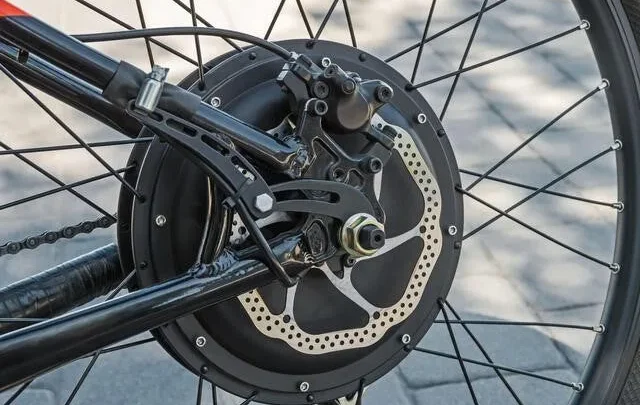
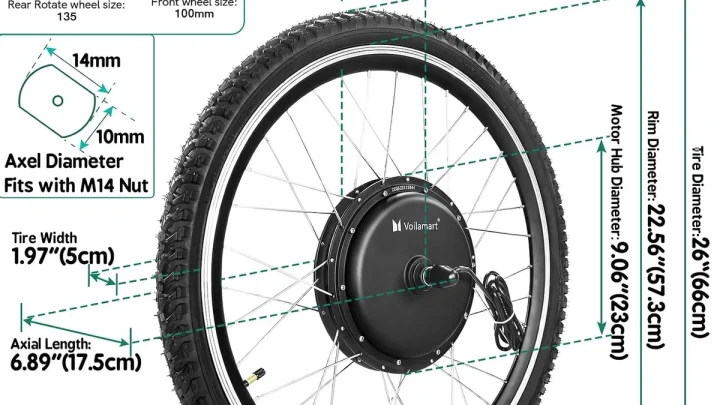
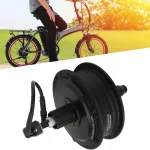
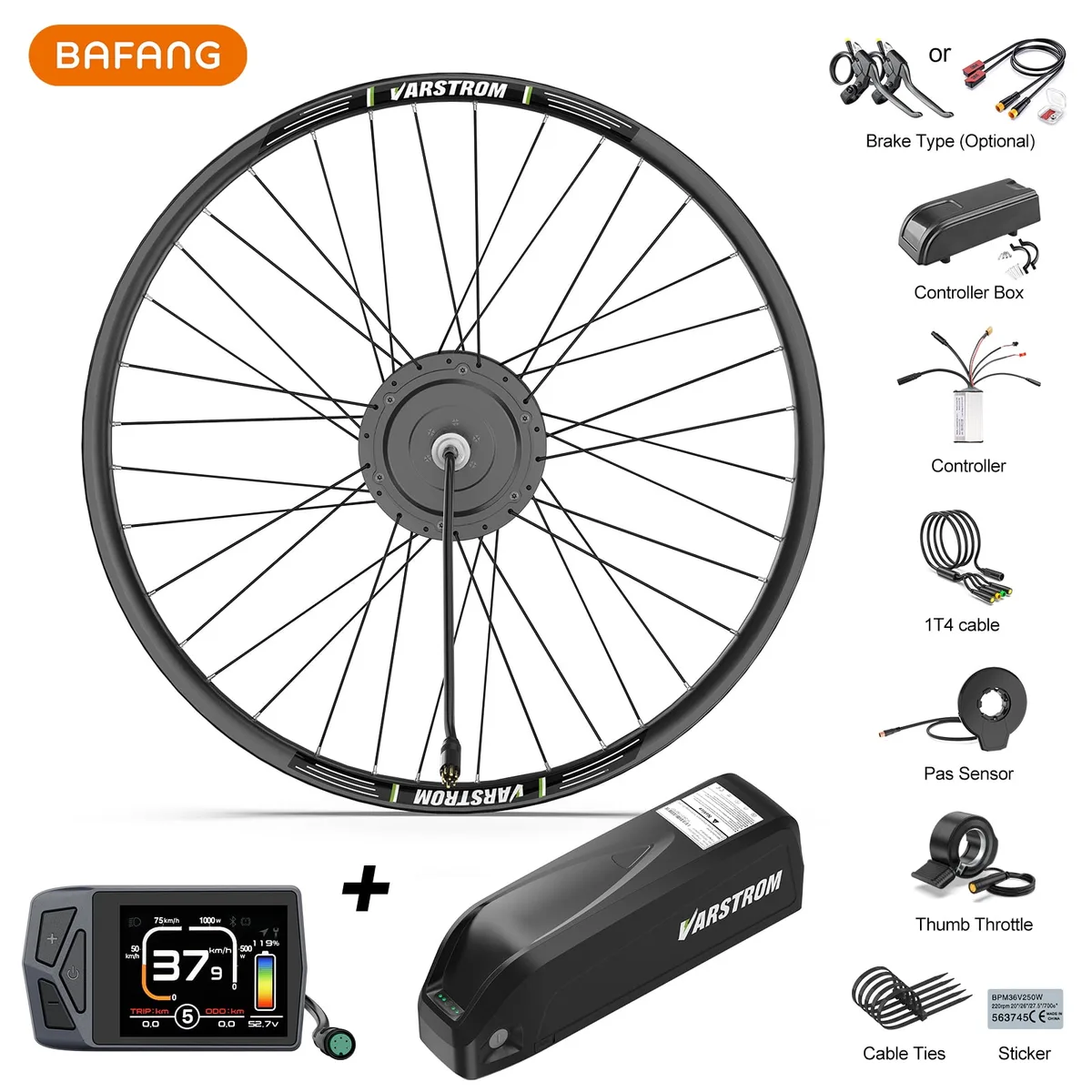
Hub motors integrate into the wheel itself. This design keeps the frame untouched except for dropouts. Installation usually involves swapping the front or rear wheel.
Many kits come pre-wired with controllers mounted near the axle.
Geared hub motors use internal planetary gears to multiply torque. They spin faster than the wheel turns. This reduces weight and improves acceleration from a stop.
Direct drive hubs lack these gears. They connect stator to rotor directly. These units are heavier but handle high heat better during sustained climbs.
Rear hubs provide better traction since weight shifts backward when pedaling hard. Front hubs offer steering feedback but can feel light on loose surfaces. Most entry-level e-bikes use rear geared hubs for cost efficiency.
They deliver sufficient power for moderate inclines without complex tuning.
Geared vs. Direct Drive: Which Hub Fits You?
Geared hubs weigh less and accelerate quicker. Ideal for stop-and-go traffic. Direct drives last longer under heavy loads.
Best for cargo hauling or steep continuous grades. Consider your average trip profile before selecting either type.
Mid-Drive Motors: Efficiency, Gearing, and Natural Feel
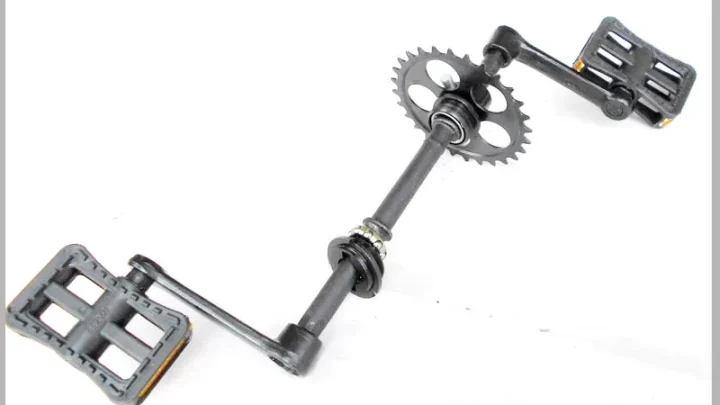
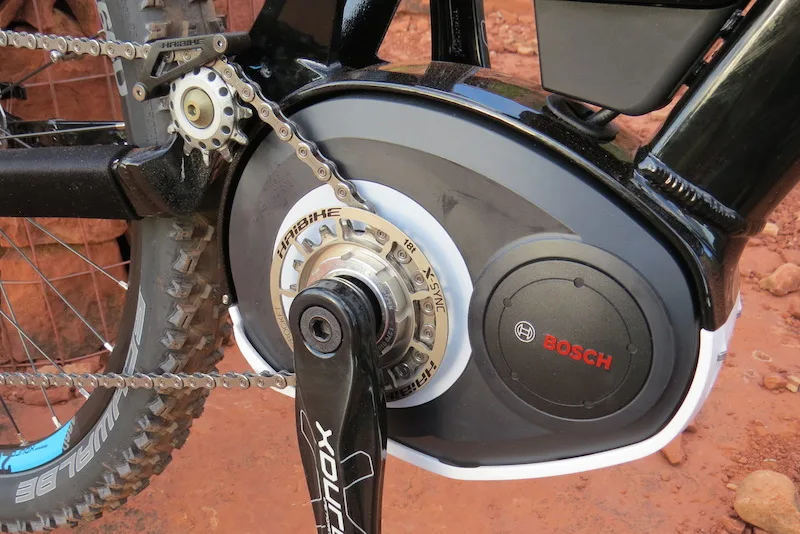
Mid-drive units sit at the bottom bracket. They transfer power through the chainring. This location lowers the center of gravity.
Handling becomes more stable compared to top-heavy hub setups. Riders often describe the experience as “natural” because the bike responds intuitively.
These motors rely heavily on sensors. Torque sensors measure force applied to pedals. Cadence sensors only track rotation speed.
High-end mid-drives use torque sensing exclusively. This ensures assistance matches effort precisely. No jerky surges occur when starting from zero velocity.
Efficiency peaks when staying within optimal RPM bands. Manufacturers specify ideal ranges, typically 60 to 90 rotations per minute. Staying there maximizes range per watt-hour.
Deviating causes wasted energy as heat. Skilled riders shift frequently to maintain this sweet spot.
Leveraging Your Bike’s Existing Gears for Terrain Mastery
Using lower gears increases torque multiplication mechanically. The motor spins fast while the wheel turns slowly. This preserves battery capacity on steep ascents.
Higher gears suit flats where aerodynamics dominate resistance. Adaptability defines mid-drive utility across mixed landscapes effectively.
Side-by-Side Comparison: Torque, Range, Maintenance, and Cost
Comparing these systems requires looking beyond peak watts. Real-world performance varies based on usage patterns. Below is a breakdown of key factors influencing your choice.
Note that prices reflect current 2026 market averages for quality components.
| Feature | Hub Motor | Mid-Drive Motor |
|---|---|---|
| Installation Difficulty | Low (Wheel swap) | High (Frame modification) |
| Drivetrain Wear | Minimal | Significant (Chain/Cassette) |
| Hill Climbing Ability | Moderate (Fixed ratio) | Excellent (Gear dependent) |
| Range Efficiency | Lower on hills | Higher on varied terrain |
| Maintenance Cost | Low | Medium to High |
| Initial Price | $300–$800 | $800–$2,000+ |
Hub motors isolate electrical faults from mechanical ones. If the chain breaks, the motor still runs. With mid-drives, a snapped chain disables propulsion immediately.
Repair logistics differ too. Swapping a hub wheel takes minutes. Replacing a mid-drive unit may require specialized tools and alignment checks.
Cost isn’t just upfront hardware. Factor in replacement parts over three years. Mid-drive owners replace chains every 1,500 miles versus 5,000 for hub users.
Cassettes also wear faster due to higher torque spikes. These recurring costs add up quickly for frequent riders.
Critical Decision Factors: Terrain, Load, and Budget Reality Check
Start by mapping your weekly mileage distribution. How many miles involve elevation gain exceeding ten percent? If less than twenty percent of rides include significant climbs, a hub suffices.
Save money and avoid unnecessary complexity.
Consider payload requirements carefully. Cargo bikes carrying children or groceries benefit from robust direct-drive hubs. Their durability handles static loads well without overheating controllers.
Light recreational bikes prioritize agility. Here, lightweight geared hubs or compact mid-drives work best.
Budget constraints play a decisive role. Entry-level mid-drive kits rarely exist below $700. Quality versions start near $1,200 installed.
Hubs remain accessible under $400 for DIY conversions. Assess whether premium features justify extra expense for your specific commute length.
Finally, think about resale value. Integrated mid-drive frames retain higher secondary market appeal. Generic hub conversions often reduce perceived worth unless professionally executed.
Buyers associate factory-installed mid-drives with superior engineering standards overall today.
Common Pitfalls and How to Avoid Them
Ignoring frame clearance is the most frequent mid-drive mistake. Many older steel frames lack sufficient space around the bottom bracket. Measure the gap between your crank arm and seat tube before ordering.
A tight fit prevents proper installation or causes rubbing during rotation.
Brake upgrades are non-negotiable for both motor types. E-bikes carry more mass and reach higher speeds than standard bicycles. Stock rim brakes often fail under these conditions.
Switch to hydraulic disc brakes for consistent stopping power. This safety step protects you and others on shared paths.
Legal compliance varies by region and affects your choice significantly. In the US, federal law caps motors at 750 watts. However, local states may impose stricter limits.
Always verify current regulations with CPSC guidelines before modifying your bike. Unauthorized modifications can void warranties and lead to fines.
Ignoring Frame Clearance, Brake Upgrades, and Legal Limits
Check dropout spacing carefully. Hub motors require specific axle widths like quick-release or thru-axle standards. Mismatched axles won’t fit without adapters.
Verify fork compatibility too. Some suspension forks cannot handle rear hub torque effectively. Front hubs alter steering geometry noticeably.
Test ride if possible before committing to a conversion kit.
Battery integration poses another hidden challenge. Mid-drives often use integrated batteries within the frame triangle. Removing them requires special keys or tools.
Hub kits typically use external rack-mounted packs. These are easier to charge indoors but add unsprung weight. Consider storage convenience when selecting your setup type.
FAQs: Quick Answers for Confused Riders
These questions address lingering doubts about long-term ownership costs and performance nuances. We’ve compiled answers based on aggregate user feedback and manufacturer data from 2026. Use this section to finalize your decision confidence.
Can I convert a hub motor bike to a mid-drive later?
No, it’s rarely feasible. The frame lacks mounting points for mid-drive units. You’d essentially need a new bicycle.
Start with the correct system initially. Retrofitting mid-drives onto hub-compatible frames destroys structural integrity. Plan your upgrade path before purchasing any components today.
Do mid-drives damage chains faster than hubs?
Yes, significantly. High torque spikes stress chain links repeatedly. Expect replacement every 1,500 to 2,000 miles.
Hub motors bypass the chain entirely for propulsion. They preserve drivetrain life much longer. Regular lubrication helps mitigate wear on mid-drives.
Inspect teeth regularly for hooking signs early on.
Are hub motors quieter than mid-drives?
Generally yes. Geared hubs produce a slight whine at high speeds. Direct drives are nearly silent.
Mid-drives generate mechanical noise through the chainring. Gear shifting adds audible clicks. For stealth commuting, direct drive hubs win easily.
Noise levels depend heavily on tire choice and wind resistance factors overall.
Which motor offers better range on flat terrain?
Hub motors often match mid-drives here. Efficiency drops less dramatically at constant speeds. Mid-drives excel only when gearing changes frequently.
On smooth pavement, aerodynamic drag dominates energy consumption. Motor type matters less than rider input consistency. Optimize tire pressure and posture for maximum distance regardless of system choice.

Similar Posts