Airline Rules for E-Bike Batteries: What You Must Know
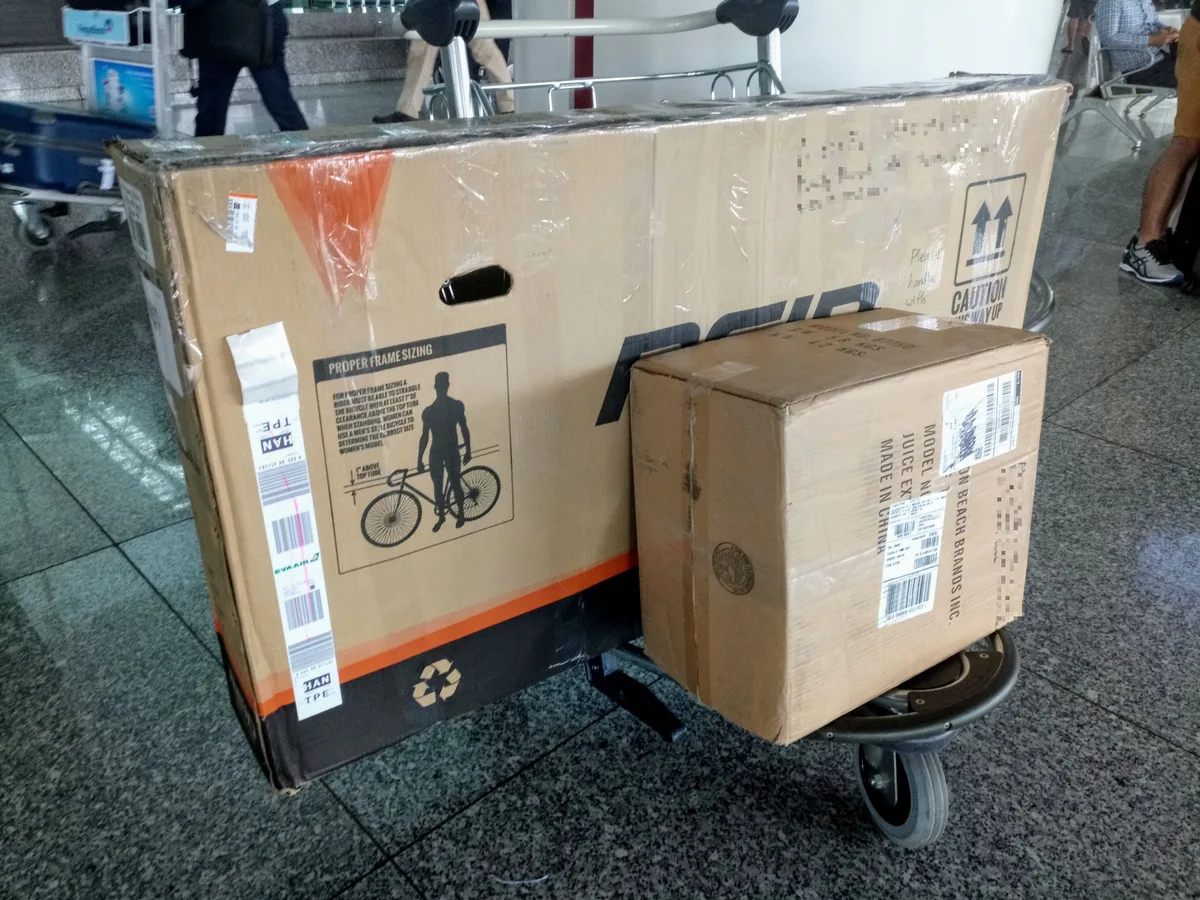
Figuring out what are the airline restrictions for electric bike batteries feels impossible until you realize it’s not one rule. It’s a branching logic puzzle based on watt-hours, battery removability, and specific carrier policies. Most travelers assume standard lithium-ion power bank limits apply to e-bikes.
They don’t.
As of 2026, federal guidelines still treat high-capacity e-bike packs differently than consumer electronics. The International Air Transport Association (IATA) sets strict dangerous goods protocols that override casual assumptions about "checked baggage." You need to know exactly where your battery falls in this hierarchy before booking. Let’s walk through the decision tree so you can fly without fear.
Quick Answer
Airline restrictions for electric bike batteries depend heavily on watt-hour capacity. Batteries under 100Wh usually travel in carry-on luggage only. Packs between 100Wh and 160Wh require explicit airline approval beforehand.
Anything exceeding 160Wh is strictly prohibited in passenger cabins. Many airlines ban e-bikes from checked cargo entirely due to fire risks. Always remove removable batteries before checking the frame.
The 100Wh Rule Doesn’t Apply to E-Bikes
Most people memorize the 100Wh threshold from phone chargers and laptops. That number is irrelevant for most modern electric bicycles. A typical commuter e-bike battery ranges from 300Wh to 750Wh.
These capacities place them firmly in restricted or prohibited categories for standard passenger transport.
The confusion stems from applying consumer electronics rules to transportation equipment. Aviation safety standards categorize items by energy density and potential thermal runaway risk. An e-bike battery holds enough energy to sustain a fire for minutes if compromised.
This makes it distinct from a laptop cell.
You cannot simply slide an e-bike pack into your backpack like a spare charger. If the rating exceeds 160Wh, it is banned from both cabin and hold as passenger baggage. For ratings between 100Wh and 160Wh, you must declare it at check-in.
Carriers may refuse it even then. Treat every e-bike battery as hazardous material until proven otherwise.
Check Your Battery’s True Watt-Hour Rating First
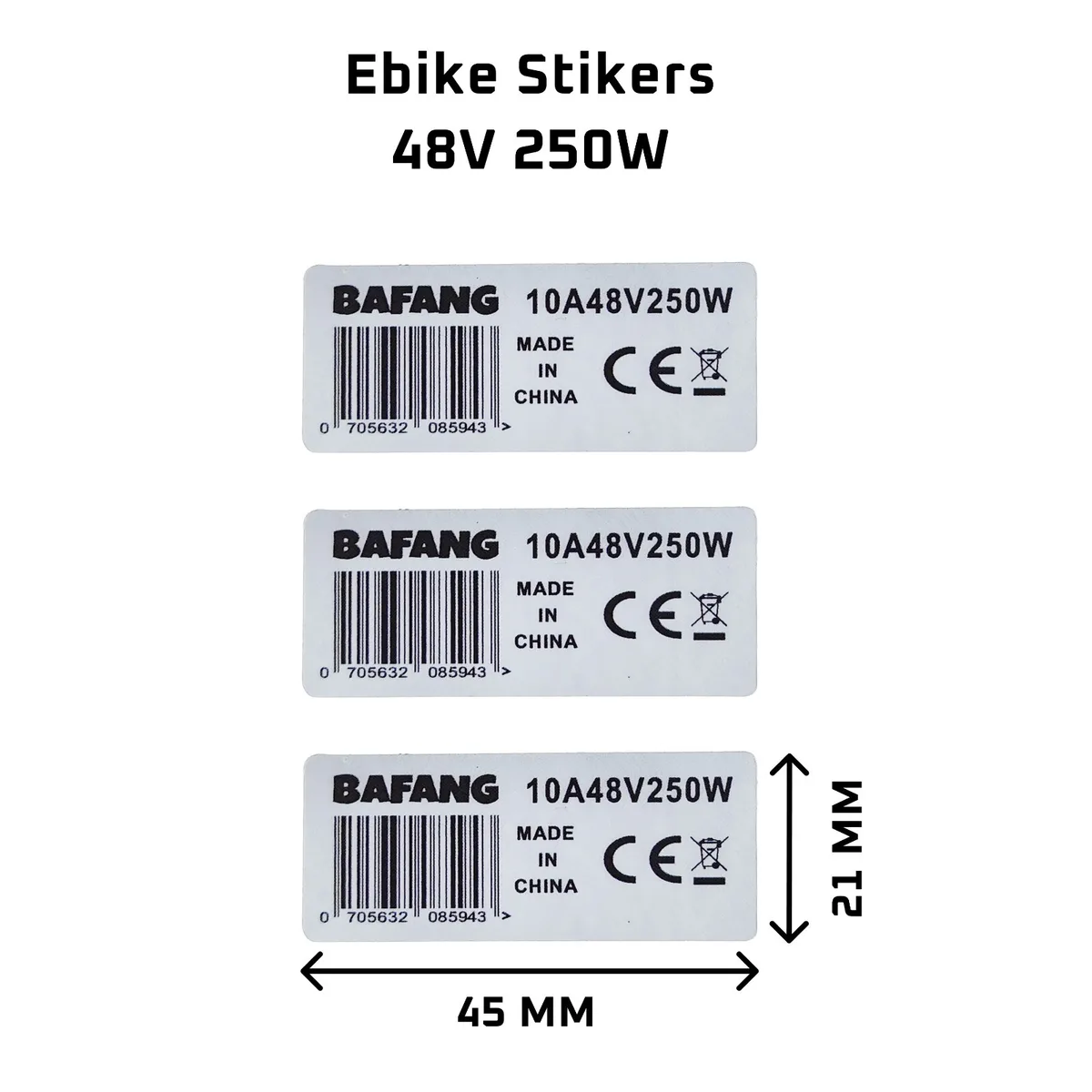
Before looking at airline websites, calculate your battery’s actual energy storage. Labels often list Voltage (V) and Ampere-hours (Ah) separately. Multiply these two numbers to get Watt-hours (Wh).
Do not guess based on marketing terms like "long-range" or "high-power."
For example, a 36V battery with a 14Ah capacity equals 504Wh. This places it well above the 160Wh prohibition limit for passenger aircraft. Even smaller urban folding bikes often exceed 200Wh.
Verify the math yourself because manufacturers sometimes round down labels for aesthetic appeal.
If your calculated Wh exceeds 160, stop planning to fly with it. You will need alternative shipping methods. If it sits between 100 and 160Wh, contact the airline immediately.
Approval isn't guaranteed. Below 100Wh, you have more flexibility, but strict packing rules still apply. Precision here saves you from denied boarding at the gate.
Can You Fly With the Battery Attached? (The Critical Split)
This is the biggest mistake riders make. Leaving the battery attached to the frame changes everything. Airlines view integrated systems differently than loose components.
Scenario A: Removable Batteries Under 160Wh
If your battery pops out easily, remove it. Carry the battery in your hand luggage. Check the bike frame as oversized sports equipment.
This separation reduces risk for ground handlers. It also complies with most major carriers' requirements for lithium-ion cells. Never put a loose lithium battery in checked bags.
Scenario B: Integrated or High-Capacity Batteries (>160Wh)
Integrated batteries cannot be removed. This forces the entire unit into checked cargo or prohibits it entirely. Since most integrated packs exceed 160Wh, they are banned from passenger flights.
You cannot ship them via normal courier services either. Specialized freight forwarders handle these as Class 9 Dangerous Goods. Attempting to hide an integrated battery in a suitcase results in severe penalties.
| Battery Type | Capacity | Location Allowed | Action Required |
|---|---|---|---|
| Removable | <100Wh | Carry-On Only | Insulate terminals |
| Removable | 100–160Wh | Carry-On Only | Pre-declare to airline |
| Removable | >160Wh | Prohibited | Ship via cargo specialist |
| Integrated | Any Size | Prohibited (Passenger) | Use freight forwarder |
How to Pack and Declare Your E-Bike for Cargo Hold
If you’ve cleared the capacity hurdle, proper packing prevents damage and rejection. Ground crews toss boxes hard. Your bike needs structural protection.
Start by removing pedals and lowering the seat post. Wrap the frame in bubble wrap or foam padding. Place the bike in a dedicated hard-shell case or heavy-duty cardboard box marked "Fragile." Soft bags offer little impact resistance.
Now address the battery. If it’s removable and compliant, keep it separate in your cabin bag. Tape over exposed connectors to prevent short circuits.
Use non-conductive plastic bags or original packaging. If shipping the whole unit (rarely allowed for passengers), the battery must be disconnected and secured within the frame according to IATA Dangerous Goods Regulations.
Declare the item at the check-in counter. Ask for a "Lithium Battery" label. Stick it visibly on the package.
Failure to declare looks like smuggling. Security scanners detect dense lithium cells instantly. Honesty speeds up processing; deception triggers inspections.
Why Some Airlines Ban E-Bikes Entirely (And Which Ones Do)
Not all carriers follow the same playbook. While FAA and EASA set baselines, individual airlines impose stricter bans. Low-cost carriers often prohibit e-bikes outright to simplify logistics.
Legacy carriers like Delta, United, and Lufthansa allow them but with rigorous conditions.
Check the specific "Sports Equipment" policy page of your chosen airline. Look for keywords like "motorized," "electric assist," or "battery-powered." Some airlines classify e-bikes as motor vehicles, banning them from passenger planes regardless of battery size. Others distinguish between pedal-assist and throttle-controlled models.
Throttle-only bikes face tougher scrutiny.
International routes add complexity. Customs authorities in destination countries may seize high-value electronics without proof of ownership or import permits. Research local laws alongside airline rules.
A permitted flight doesn't guarantee smooth entry. When in doubt, call the airline’s special assistance desk four weeks prior to departure. Written confirmation protects you better than verbal assurances.
Common Mistakes That Get Your Bike Confiscated at Security
You might think labeling the box solves everything. It doesn't. The most frequent error is assuming "checked baggage" means you can hide the battery inside the frame.
If the airline discovers a lithium-ion cell in cargo without proper declaration, they will pull your bag immediately.
This triggers a security inspection. You’ll miss your flight while officials assess the risk. Worse, undeclared dangerous goods violate federal law.
Fines start around $10,000 for individuals under Department of Transportation regulations. Don’t gamble with your wallet or your travel plans.
Another trap involves terminal protection. Riders often leave connectors exposed in plastic bags. Metal objects in your luggage can bridge these contacts.
This causes short circuits and heat buildup. Always use insulating tape over terminals before packing. Never rely solely on the bag’s material for safety.
State of Charge (SoC) matters too. Shipping a fully charged 80%+ battery increases fire intensity if damaged. Reduce charge to 30-50% before travel.
This simple step lowers thermal runaway severity significantly. Many travelers ignore this because it feels counterintuitive. They want full power upon arrival.
Safety dictates otherwise.
Finally, check-in staff aren't always trained on e-bikes specifically. They may approve what they don't understand. Rely on written confirmation from customer service beforehand.
Verbal approval at the counter holds no legal weight if TSA flags it later. Document every interaction. Keep emails and reference numbers handy during transit.
Frequently Asked Questions About E-Bike Air Travel
Can I bring my e-bike battery in my pocket?
No. Loose lithium batteries must stay in carry-on luggage, not pockets. Pockets lack structural protection against crushing.
A dropped phone could puncture the casing. Place the battery in a dedicated compartment within your backpack. Ensure it cannot shift during turbulence.
Do folding e-bikes have different rules?
Folding mechanisms don't change battery restrictions. The watt-hour rating remains the deciding factor. However, compact frames fit easier in overhead bins if disassembled.
Still, remove the battery first. Carry the frame as standard luggage only if dimensions allow. Otherwise, check it as oversized gear.
What happens if my battery swells slightly?
Do not fly with swollen cells. Swelling indicates internal gas generation from degradation. This raises explosion risks under pressure changes.
Recycle the battery locally instead. Replacement costs less than emergency landing procedures. Inspect packs visually before every trip.
Any bulge means immediate retirement.
Are there exceptions for medical mobility devices?
Yes, but strictly regulated. Wheelchairs and scooters for disabled passengers follow separate guidelines. These units often require airline pre-approval for battery installation.
E-bikes rarely qualify unless certified as medical equipment. Consult your carrier’s disability access team early. Documentation proves necessity versus convenience.
How far ahead should I book shipping?
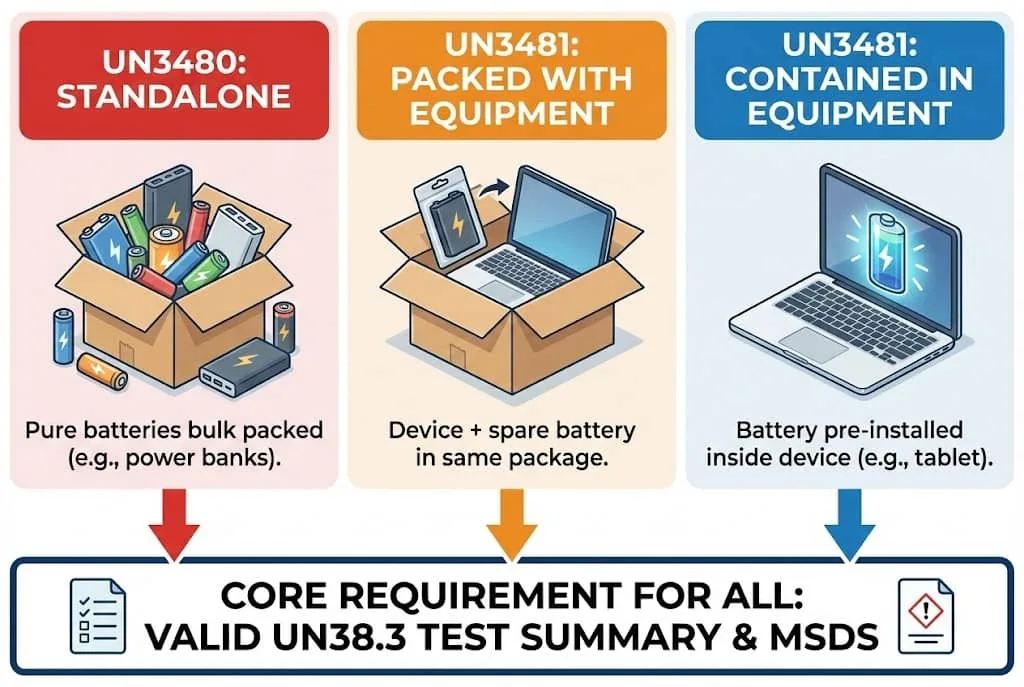
Book specialized freight forwarders three weeks prior to departure. Standard couriers reject high-capacity lithium shipments. Freight agents handle UN 3480/3481 paperwork correctly.
Last-minute attempts fail due to regulatory lead times. Plan logistics alongside flight tickets. Early coordination prevents stranded gear abroad.

Similar Posts































