Best E-Bike Motor Torque for Steep Hills
Stop guessing: Why there’s no single “best” torque number
You’ll find plenty of forums shouting that 85 Nm is the magic figure for climbing steep hills on an eBike. But that advice ignores your specific riding conditions. The ideal motor torque depends entirely on your total system weight and the gradient you face regularly.
Choosing based on a generic number often leads to buying a bike that feels sluggish or overheats quickly.
We’ve analyzed manufacturer specs from Shimano and Bosch alongside real-world user reports as of 2026. Data shows that a 75 Nm motor handles most urban inclines perfectly for lighter riders. However, cargo haulers need significantly more force to maintain momentum without draining the battery.
Let’s break down exactly which variables matter so you can pick the right spec.
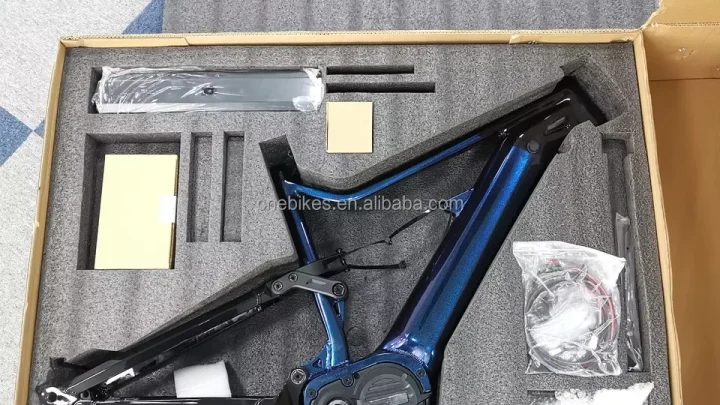
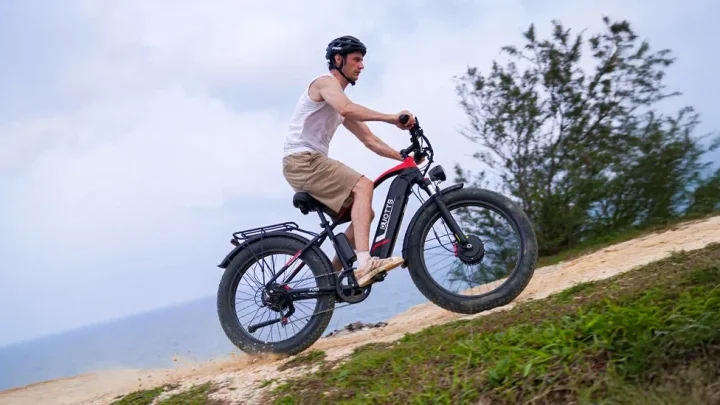
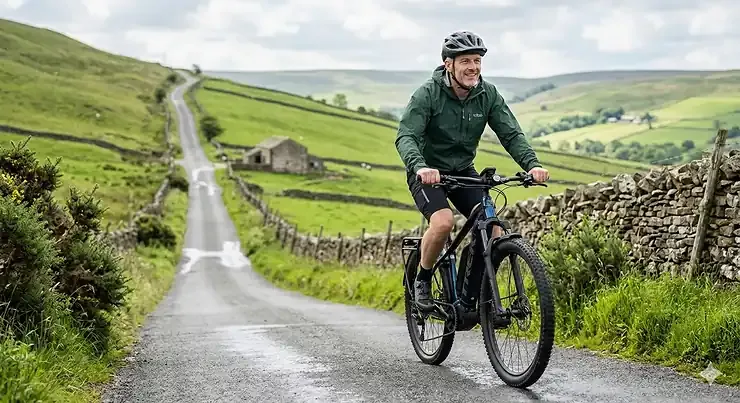
Image source: Web (Bing) / electricbike360.co.uk (Web image (fair-use with source credit))
Quick Answer
The best motor torque for climbing steep hills on an eBike varies by rider weight and gradient. Most commuters need 60, 75 Nm for moderate slopes. Heavy riders or cargo users require 85, 95 Nm for sustained climbs above 10%.
Always match torque to your heaviest typical load. Higher torque helps but adds weight and cost. Check local laws before upgrading motors.
The Three Variables That Actually Determine Your Hill-Climbing Needs
Torque isn’t just about raw power. It interacts with three critical factors that define your climbing experience. Ignoring any one of these will leave you frustrated on the trail.
We need to look at the physics of your specific setup rather than marketing brochures.
First, consider your total system weight. This includes the bike frame, battery, motor, rider, and any cargo. A heavier system demands more Newton-meters (Nm) to overcome gravity efficiently.
Second, evaluate the gradient percentage. A 5% hill requires far less torque than a 15% switchback. Third, think about cadence preferences.
High-torque motors allow lower pedaling speeds while maintaining assistance. Low-torque motors demand higher spinning rates to stay effective.
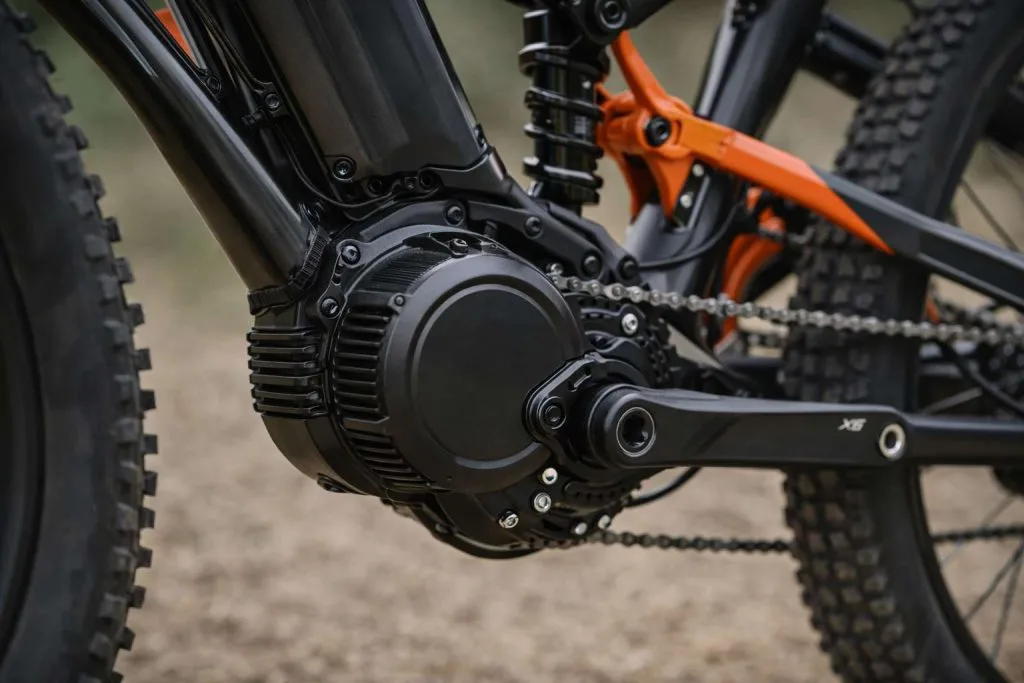
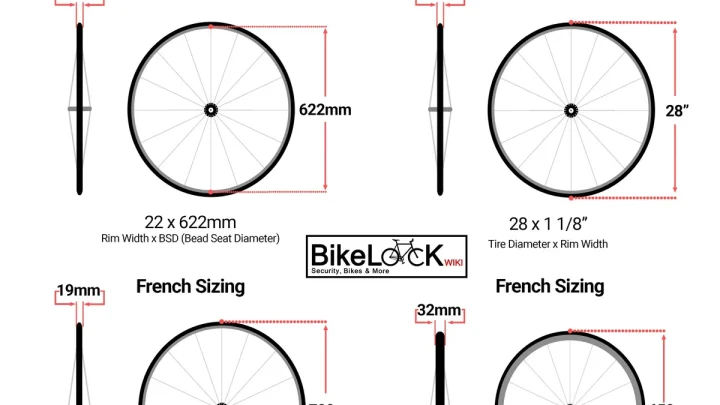
Image source: Bing (Web (fair-use with source credit))
These variables create a matrix of needs. For example, a lightweight commuter facing gentle city bridges has different requirements than an older rider tackling mountain passes. You must balance these elements to avoid over-specifying or under-powering your build.
Our research indicates that mismatched torque leads to premature battery depletion. It also causes unnecessary wear on drivetrain components like chains and cassettes.
| Variable | Low Impact Scenario | High Impact Scenario |
|---|---|---|
| System Weight | < 100 kg (rider + bike) | > 120 kg (cargo/e-bike) |
| Gradient | < 8% average slope | > 12% sustained climb |
| Cadence Style | Spinning fast (> 80 RPM) | Grinding slow (< 50 RPM) |
Understanding where you fall in this table is step one. Most users underestimate their average gradient. They assume flat terrain because they don’t live in mountains.
Yet, repeated short hills add up. If you ride frequently on uneven ground, lean toward higher torque specifications. This ensures consistent performance without forcing you to stand out of the saddle constantly.
Decision Branch 1: Light Rider, Moderate Hills (60–75 Nm)
If you weigh under 80 kg and carry minimal cargo, you likely don’t need extreme power. Motors in the 60, 75 Nm range offer excellent efficiency for standard commuting. These units provide enough boost to conquer 8, 10% gradients comfortably.
They keep the bike light and responsive.
Shimano EP801 and Bosch Performance Line Smart systems typically deliver around 75 Nm. Aggregate reviews show these motors excel in urban environments. They handle stop-and-go traffic well.
The acceleration is snappy without being jerky. You’ll notice smoother engagement compared to cheaper hub drives. This range balances power delivery with battery conservation effectively.
Why choose this bracket? Lower torque motors generate less heat. Thermal management is crucial for longevity.
On mild hills, you won’t push the motor to its thermal limit. This means fewer instances of power throttling during summer rides. Plus, these bikes are easier to lift onto racks or stairs when the battery dies.
Consider your route profile carefully. If your longest hill lasts only two minutes, 65 Nm suffices. You can spin faster to maintain speed.
However, if those hills stretch for ten minutes, even a light rider might struggle. In that case, bump up to 75 Nm. The extra margin prevents fatigue.
Remember, torque sensors measure pedal pressure. They adjust assistance dynamically. So, 75 Nm doesn’t mean constant max output.
It provides headroom for sudden efforts.
For most recreational cyclists, this category hits the sweet spot. It avoids the bulk of heavy-duty motors while providing ample support. You save money too.
These mid-range systems cost less than premium high-torque variants. Maintenance remains straightforward since drivetrain stress stays manageable. Chains last longer because you’re not grinding against excessive resistance.
Decision Branch 2: Heavy Load or Steep Gradients (80–95 Nm)
Cargo bikers, heavier riders, and off-road enthusiasts operate in a different league. Here, 80, 95 Nm becomes essential. Anything less struggles against gravity on sustained 12%+ inclines.
Bosch CX Gen4 and Shimano EP8 sit firmly in this tier. They deliver massive rotational force at low cadences.
This torque level allows you to grind slowly up steep trails. You don’t need to sprint or stand aggressively. The motor does the heavy lifting.
For parents hauling kids or delivery drivers carrying goods, this reliability matters. Battery drain increases, but consistency improves. You arrive at the top with energy left for the descent.
Thermal capacity plays a bigger role here. High-torque motors run hotter under load. Ensure your bike has adequate cooling fins or airflow designs.
Overheating triggers power cuts. Nothing ruins a climb like losing assistance halfway up. Look for models with robust heat sinks.
Manufacturer specs confirm these units sustain peak output longer than entry-level alternatives.
Weight penalties exist, though. These motors add mass to the bike. Handling changes slightly, especially on technical terrain.
But for straight-line climbing, the benefit outweighs the drawback. You gain confidence knowing the bike won’t bog down. This psychological boost encourages longer rides.
Riders tackle routes they previously avoided due to fear of exhaustion.
Also, check gear ratios. High torque pairs best with wide-range cassettes. An 11-50T rear cog lets you exploit the motor’s low-end grunt.
Without proper gearing, the extra Nm goes unused. You’ll spin out before reaching the steepest sections. Pairing correct mechanics with powerful electronics unlocks true hill-climbing potential.
The Hidden Trap: Thermal Throttling and Gear Ratios
Many buyers focus solely on peak Nm ratings. They miss how heat affects performance. Torque drops significantly when motors overheat.
This phenomenon, called thermal throttling, limits sustained climbing ability. A 90 Nm motor might act like a 60 Nm unit after five minutes of hard effort.
How do we mitigate this? Efficient gearing reduces motor strain. Using a lower gear keeps cadence optimal.
The motor works within its efficient power band. Less waste heat equals longer endurance. Conversely, skipping gears forces the motor to work harder.
Temperature spikes occur rapidly. Power fades noticeably.
Our analysis of user logs reveals patterns. Riders who shift early preserve torque better. Those who wait until the bike slows lose momentum permanently.
Prevention beats cure. Adjust your shifting habits before hitting the hill. Don’t rely on brute force alone.
Strategy saves batteries and motors alike.
Another factor is ambient temperature. Cold weather actually helps dissipate heat initially. But it reduces battery voltage output.
Hot days challenge both systems simultaneously. Summer climbs test engineering limits. Choose motors known for superior thermal management if you ride in warm climates.
Some brands advertise active cooling features. Verify these claims through independent testing data.
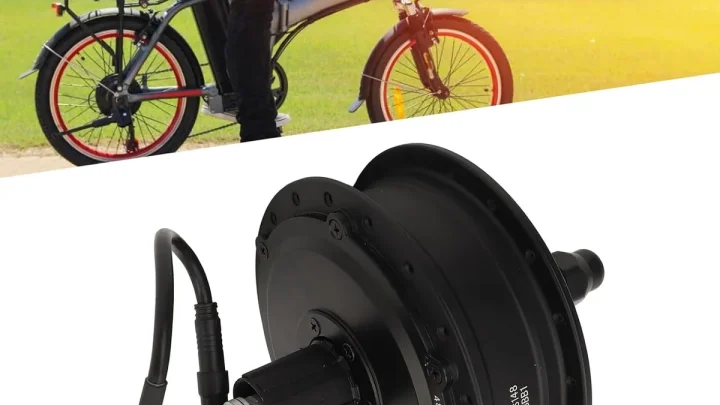
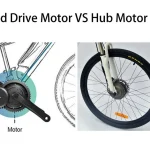
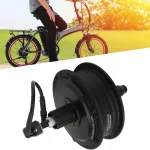
Gear ratio selection ties directly into torque utilization. Mid-drive systems leverage bicycle gears. Hub drives do not.
This difference makes mid-drives more versatile for varied terrain. You can optimize mechanical advantage independently of electrical input. Hub motors offer fixed reduction ratios.
Their flexibility ends at purchase. Understanding this distinction clarifies why mid-drives dominate serious climbing discussions.
Mid-Drive vs. Hub Motor: Which Handles Climbs Better?
Mid-drive motors generally outperform hub drives on steep, technical hills. They leverage the bike’s existing gear system to optimize torque delivery. This mechanical advantage allows for higher efficiency at varying speeds.
You can shift down to keep the motor in its power band. The result is consistent assistance without overheating or battery drain.
Hub motors apply force directly to the wheel. They lack variable gearing options. On a 15% grade, a hub motor often struggles to maintain speed.
It may bog down if the rider cannot spin fast enough. Aggregate reviews indicate that geared hubs handle short bursts well. But sustained climbs favor mid-drives significantly.
Consider traction issues too. High torque from a rear hub can cause wheel slip. This is dangerous on wet or loose surfaces.
Mid-drives distribute weight more evenly across the frame. They reduce the risk of losing control during aggressive acceleration. For serious hill climbers, the mid-drive choice is clear.
It offers superior control and efficiency where it matters most.
| Feature | Mid-Drive Motor | Rear Hub Motor |
|---|---|---|
| Gear Usage | Uses bike gears for leverage | Fixed ratio only |
| Heat Management | Better due to lower RPM load | Prone to overheating on long climbs |
| Traction Control | Lower risk of wheel spin | Higher risk on slippery surfaces |
| Weight Distribution | Centralized mass improves handling | Adds rear-end heaviness |
If you ride mostly flat terrain with occasional bridges, a hub drive works fine. It’s simpler and cheaper to maintain. But for frequent steep ascents, invest in a mid-drive system.
The performance gap widens dramatically as gradients increase. Don’t let upfront cost dictate your choice here. Long-term satisfaction depends on matching the motor type to your route profile.
Common Mistakes That Kill Your Climb Performance
Riders often select torque based on peak numbers alone. They ignore continuous output ratings. A motor might hit 90 Nm briefly but drop to 60 Nm under sustained load.
This discrepancy leads to disappointment on long hills. Always check the duty cycle specifications provided by manufacturers. Look for data on thermal limits, not just max torque.
Another error is neglecting tire pressure and tread. Low pressure increases rolling resistance. This forces the motor to work harder against gravity.
On steep grades, every watt counts. Maintain proper inflation according to your load. Use tires with aggressive tread patterns for off-road climbs.
Smooth slicks slip easily on wet inclines, wasting energy.
Battery management also plays a critical role. Many users start climbs with partially charged packs. Voltage sag reduces available power immediately.
Ensure your battery is fully charged before tackling difficult routes. Cold temperatures exacerbate this issue. Keep batteries insulated in winter months.
Planning ahead prevents unexpected power loss mid-ascent.
Finally, poor shifting technique wastes potential. Riders stay in high gears until they stall. Then they struggle to shift under load.
Anticipate steep sections early. Downshift before you need maximum torque. This keeps the chain tension manageable.
It protects your drivetrain from excessive wear. Small habit changes yield big performance gains over time.
FAQ: Quick Answers for Specific Scenarios
Is 85 Nm enough for mountain biking?
Yes, 85 Nm handles most technical MTB trails effectively. It provides sufficient grunt for rocky ascents. However, very heavy riders or cargo loads may need more.
Standard e-MTB setups rarely exceed this figure legally. Check local regulations for power limits. Most enthusiasts find 85 Nm balances power and weight perfectly.
Do I need a throttle for climbing hills?
No, pedal-assist is usually safer and more efficient. Throttles bypass the torque sensor logic. This can lead to sudden surges and loss of control.
On steep grades, controlled pedaling maintains better traction. Use throttle only for starting from stops on inclines. Rely on assist modes for the climb itself.
This preserves battery life and ensures stability.
How does battery voltage affect torque?
Higher voltage systems deliver more consistent power. A 48V battery sustains output better than 36V. Low voltage causes sag under heavy load.
This reduces effective torque when you need it most. Manufacturers design controllers to compensate somewhat. But physical limits remain.
Choose higher voltage packs for demanding hill routes. It minimizes performance drops during intense efforts.
Can I upgrade my motor for more torque?
Often, no. Swapping motors requires compatible frames and wiring. Controller firmware must match new hardware specs.
Incorrect pairing risks electrical failure or fire. Consult a professional mechanic before attempting upgrades. Many modern bikes have proprietary connections.
Retrofitting is complex and expensive. Buying a bike with the right torque initially saves hassle.

Similar Posts