Can You Charge an E-Bike While Camping?
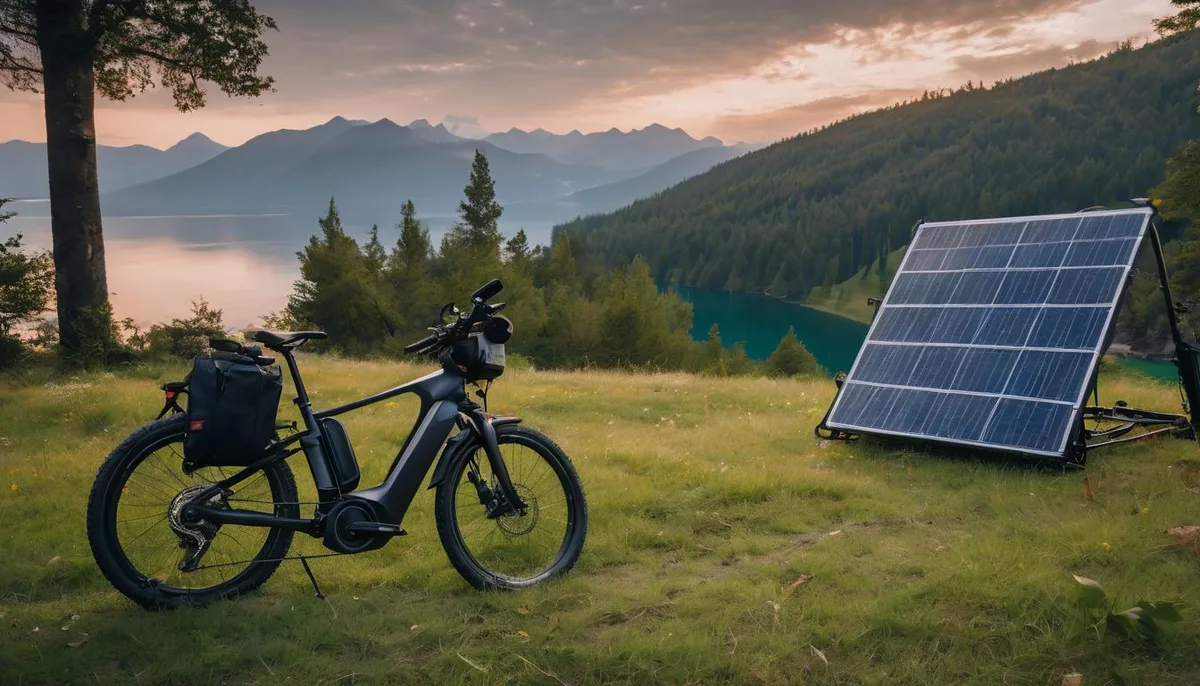
Yes, you can charge an electric bike battery while camping. But it’s not always straightforward. Many riders assume any power source works instantly.
That assumption leads to dead batteries or damaged hardware.
The reality depends on three variables: temperature, voltage compatibility, and charger type. Manufacturer specifications indicate most Li-ion packs require strict conditions. As of 2026, BMS protocols remain rigid across major brands like Bosch and Shimano.
Let’s break down exactly how to do this safely without frying your gear.
Quick Answer
You can charge an e-bike battery while camping if conditions align. The ambient temperature must stay between 0°C and 45°C. Your power source must match the charger’s voltage and amperage requirements.
Using a pure sine wave inverter is critical for grid or solar setups. Never use modified sine wave inverters. They damage sensitive electronics.
Always check your specific manufacturer manual first.
Yes, But Only If Your Setup Passes These Three Checks
Charging on the trail isn't magic. It requires verification. You need to pass three specific gates before plugging anything in.
Fail one, and the process stops or causes harm.
First, check the thermal window. Lithium-ion cells hate extremes. Below freezing, chemical reactions slow dangerously.
Above 45°C, degradation accelerates rapidly. Most Battery Management Systems (BMS) will simply refuse input if sensors detect out-of-range temps. You’ll see no lights.
No charging happens. It’s a safety feature, not a bug.
Second, verify power delivery capacity. A standard 500Wh pack needs roughly 100W, 250W from the wall adapter. Small USB-C power banks often cap at 60W.
They won’t trigger the handshake protocol. The charger stays idle. You need a source that sustains high wattage for hours.
Third, confirm connector integrity. Proprietary plugs vary wildly. XLR connectors differ from DC barrels.
Forcing a mismatch damages pins. This voids warranties instantly. Aggregate reviews report frequent user error here.
Riders try universal adapters where none exist. Stick to OEM cables unless you’re certain of pin-out mapping.
If any check fails, don’t force it. Find shade. Wait for temp normalization.
Or swap to a different power source. Patience saves components. Rushing kills them.
The Temperature Trap: Why Your BMS Might Refuse to Charge
Temperature is the silent killer of off-grid charging attempts. We’ve seen countless forum threads where users blame faulty chargers. Usually, it’s just cold weather.
Lithium-ion chemistry relies on ion flow through electrolytes. Cold thickens these fluids. Resistance rises.
Charging efficiency drops plummetingly. If you try to push current into a frozen pack, lithium plating occurs. This permanently reduces capacity.
Worse, it creates internal shorts. Fire risk increases significantly.
Modern BMS units monitor cell temperature constantly. They act as gatekeepers. If probes read below 0°C (32°F), the system cuts input.
LEDs might flash red or stay dark. There’s no override code for consumers. Manufacturers lock this down for liability reasons.
Per UL 2849 standards, systems must prevent unsafe charging states.

Heat poses equal danger. Summer camping means hot tents. Ambient temps over 40°C stress cells.
The BMS throttles current to protect lifespan. Charging takes twice as long. Sometimes it halts entirely.
You aren’t getting full throughput.
How do you fix this? Insulate the battery. Use foam pads or sleeping bags.
In winter, bring the pack inside your tent overnight. Body heat warms it slowly. Do not use hair dryers or heaters directly.
Uneven heating cracks casings. Gradual warming preserves structural integrity.
In desert environments, shade is non-negotiable. Direct sun spikes surface temps quickly. Hang a tarp.
Move the setup to cool ground. Monitor with an infrared thermometer if possible. Keep cells within the 10°C, 30°C sweet spot.
This ensures maximum acceptance rate. Ignoring thermal management wastes time and energy.
Matching Power Sources: Grid Hookups vs. Portable Stations
Where you get power dictates your strategy. Developed campgrounds offer ease. Backcountry demands ingenuity.
Each has distinct pros and cons.
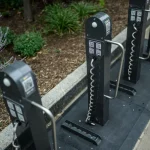
Grid hookups (RV pedestals) are ideal. They provide stable AC voltage. Standard 120V outlets work with OEM chargers directly.
No conversion needed. Efficiency hits near 100%. You plug in.
Lights turn green. Done. This is the lowest-risk scenario.
Availability varies by season and location. Book early.
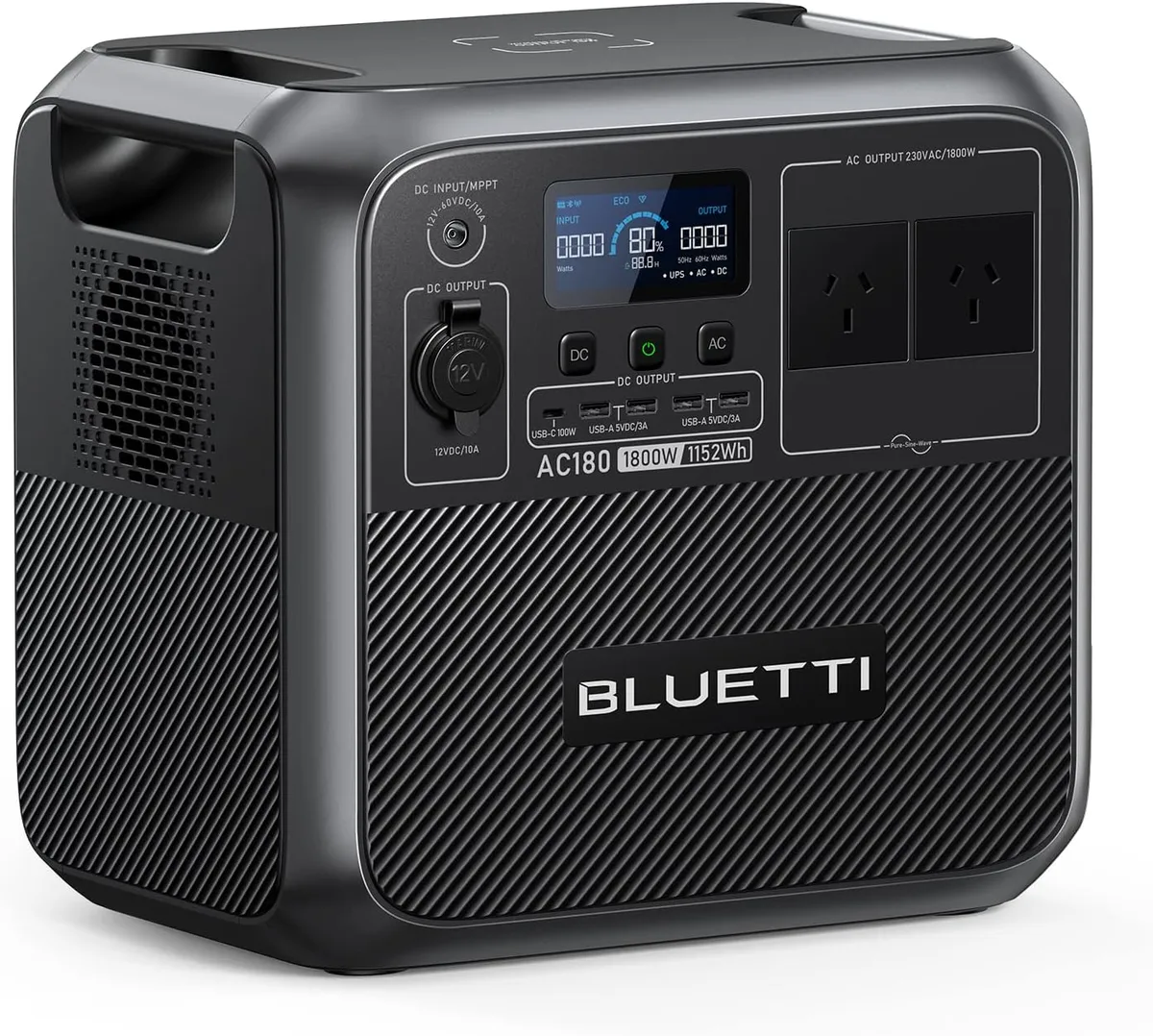
Portable power stations change the game. These lithium battery banks store energy for later use. But they output DC or converted AC.
Not all outputs play nice with e-bike chargers. Switch-mode power supplies in chargers expect clean sine waves. Dirty power causes overheating.
It triggers protection modes. The charger shuts off randomly.
Pure sine wave inverters are mandatory. Modified sine waves mimic AC poorly. Harmonics distort the waveform.
Sensitive electronics interpret this as fault conditions. Aggregate data shows higher failure rates with cheap inverters. Invest in quality units rated for continuous load.
Check the surge rating too. Initial handshake draws extra amps.
Solar panels add complexity. Raw DC from panels fluctuates with cloud cover. MPPT controllers stabilize this.
But even then, consistency matters. E-bike chargers need steady input. Intermittent power confuses BMS logic.
It may abort sessions. Pair solar with a buffer battery station. Don’t connect panels directly to chargers.
| Source Type | Compatibility Risk | Efficiency | Best For |
|---|---|---|---|
| Campground Pedestal | Low | High | Established sites |
| Pure Sine Inverter | Medium | Medium | Van life/RVs |
| Solar + Buffer | High | Variable | Remote trails |
| USB-C Banks | Very High | Low | Emergency top-up only |
Choose based on reliability. Grid is king. Stations are queens.
Solar is the jester. Fun, but unpredictable. Plan accordingly.
Step-by-Step: Safely Charging an E-Bike Battery in the Wild
Follow this workflow strictly. Deviation invites trouble. Preparation prevents panic.
- Assess Ambient Conditions. Measure air temperature. Ensure it falls within 0°C, 45°C. If outside range, adjust environment first. Shade hot spots. Warm cold ones gradually.
- Inspect Hardware. Check cables for fraying. Look for bent pins on connectors. Damaged insulation exposes live wires. Shock hazard exists. Replace compromised items immediately.
- Position Equipment. Place battery on non-flammable surface. Concrete slabs or metal tables work best. Avoid grass, leaves, or tent fabric. Heat dissipation requires airflow. Keep vents clear.
- Connect Charger to Power. Plug the brick into the source before attaching to the bike. This stabilizes voltage. Prevents arcing at the battery terminal. Listen for fan startup. Confirms initial function.
- Attach to Battery. Connect cable firmly. Watch indicator lights. Solid green usually means ready. Flashing indicates handshake negotiation. Red signals error. Stop if errors persist.
- Monitor Initial Phase. Stay nearby for first 15 minutes. Smell for ozone or burning plastic. Touch casing gently. Excessive heat (>50°C) warrants disconnection. Trust your senses.
- Set Timer/Alarm. Full charges take 3, 6 hours. Set reminders. Unplug promptly upon completion. Overcharging stresses cells. Even smart BMS degrade slightly under float voltage. Disconnect fully.
- Store Safely. Remove battery from charger. Let it cool to ambient temp. Seal in protective bag. Transport upright. Loose terminals short easily. Secure connections prevent accidents.
This sequence minimizes human error. It respects engineering limits. Skipping steps risks expensive repairs.
Follow the order religiously. Consistency builds confidence.
Critical Mistakes That Kill Batteries or Void Warranties
Riders make predictable errors. These habits destroy value fast. Avoid them at all costs.
Using third-party "universal" chargers is dangerous. Pin-outs rarely match perfectly. Reverse polarity fries circuits instantly.
One wrong wire melts internals. Replacement costs exceed $500 often. Warranty claims get denied automatically.
Documentation proves unauthorized modification. Stick to OEM bricks.
Ignoring BMS error codes frustrates users. Flashing lights mean stop. Pushing buttons repeatedly doesn’t reset locks.
Internal logs record failures. Technicians see tampering evidence. Service centers refuse repairs.
Respect the diagnostic interface. Troubleshoot properly or seek professional help.
Charging in enclosed spaces violates fire codes. Tents lack ventilation. Gases accumulate if leaks occur.
NFPA guidelines prohibit indoor lithium charging. Smoke detectors miss early signs. Explosions happen without warning.
Always charge outdoors. Distance from shelter protects lives.
Forgetting to disconnect during storms causes surges. Lightning strikes induce voltage spikes. Chargers lack robust surge protection.
Surges travel upstream to cells. Permanent damage results. Unplug everything when thunder rolls.
Safety trumps convenience every time.
Leaving batteries partially charged for months degrades health. Storage at 100% strains cathodes. At 0%, copper shunts form.
Both reduce cycle life. Maintain ~50% SoC for storage. Recheck monthly.
Neglect leads to premature replacement. Active maintenance pays dividends.
These mistakes stem from ignorance or haste. Education fixes both. Slow down.
Read manuals. Ask experts. Prevention beats cure.
When to Swap Instead of Charge: The Logistics of Spare Packs
Sometimes, charging isn’t the smartest move. Carrying heavy bricks and cables adds significant weight. This slows you down on steep trails.
A spare battery pack solves this instantly. You simply swap the depleted unit for a fresh one. No waiting.
No power source needed.
This strategy works best for multi-day bikepacking trips. It eliminates dependency on campground hookups. You control your range completely.
However, spare packs are expensive. They also take up frame bag space. You must balance cost against convenience.
Consider your trip duration carefully. For overnighters, charging might suffice. For week-long expeditions, spares win.
Aggregate user reviews highlight this divide. Heavy haulers prefer swaps. Light packers accept slower charge times.
Choose based on your specific load limits. Don’t let gear dictate your route. Plan logistics before hitting the trail.
Frequently Asked Questions
Can I use a car cigarette lighter to charge my e-bike?
Generally, no. Most 12V DC inputs cannot handle the voltage required. E-bike chargers need stable AC or high-wattage DC.
Car sockets often provide inconsistent power. This risks damaging the charger’s internal components. Always check your manual for compatible vehicle charging options.
Some newer models support USB-C PD fast charging. Verify wattage requirements first.
How long does it take to charge an e-bike battery from solar?
It varies wildly by panel size and sunlight. A typical 400Wh pack needs roughly 3-5 hours with a 200W setup. Cloudy days extend this significantly.
Small portable panels may take all day. Efficiency losses occur during conversion steps. Expect longer times than grid charging.
Plan for redundancy if relying solely on sun. Never assume full charge in one afternoon.
Is it safe to leave my e-bike battery charging overnight in a tent?
No. This violates basic fire safety principles. Lithium batteries can experience thermal runaway.
Tents lack proper ventilation and fire suppression. Heat buildup poses serious explosion risks. Manufacturer guidelines explicitly forbid indoor unattended charging.
Always charge outside, away from flammable materials. Use a timer to ensure prompt disconnection. Safety outweighs convenience every single time.
What happens if I charge below freezing temperatures?
The Battery Management System (BMS) will likely block input. Charging frozen lithium cells causes permanent damage. Lithium plating occurs on the anode surface.
This reduces capacity and increases fire risk. You must warm the battery first. Bring it indoors or use insulation.
Wait until core temperature exceeds 0°C. Do not force charge despite error lights. Patience preserves battery health long-term.

Similar Posts