Can You Fly With an E-Bike? Battery Rules Explained
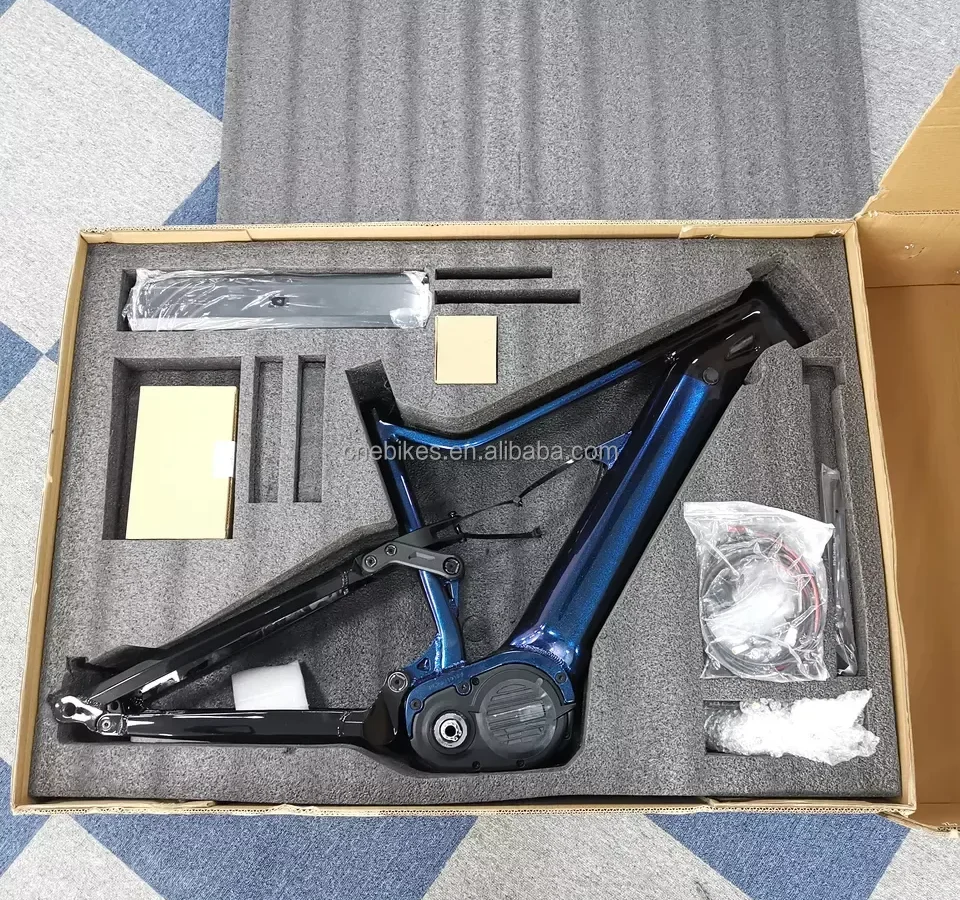
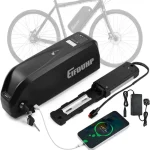
So, can you take an electric bike on an airplane without the battery? The short answer is yes, but it’s rarely that simple. Most major carriers allow the frame in checked luggage if the power source is removed and carried by you.
This separation is mandatory under current aviation safety rules. As of 2026, airlines strictly regulate lithium-ion cells due to fire risks. You must treat the battery as hazardous material, keeping it with you in the cabin.
Let’s walk through exactly how to make this work for your trip.
Quick Answer
Yes, you can fly with an e-bike frame if you remove the battery. The battery must go in your carry-on bag. It cannot be checked in cargo.
This complies with FAA and IATA dangerous goods regulations. Always check your specific airline's sports equipment policy first.
Why Airlines Force You to Separate the Battery from the Frame
Fire risk drives every rule here. Lithium-ion batteries can enter thermal runaway if damaged or short-circuited. In a cargo hold, a small fire becomes catastrophic quickly.
Crew members cannot access the hold mid-flight.
That’s why the Federal Aviation Administration (FAA) mandates strict separation. They classify these packs as Class 9 Dangerous Goods. You must keep them within sight and reach.
If a cell overheats, you can react immediately.
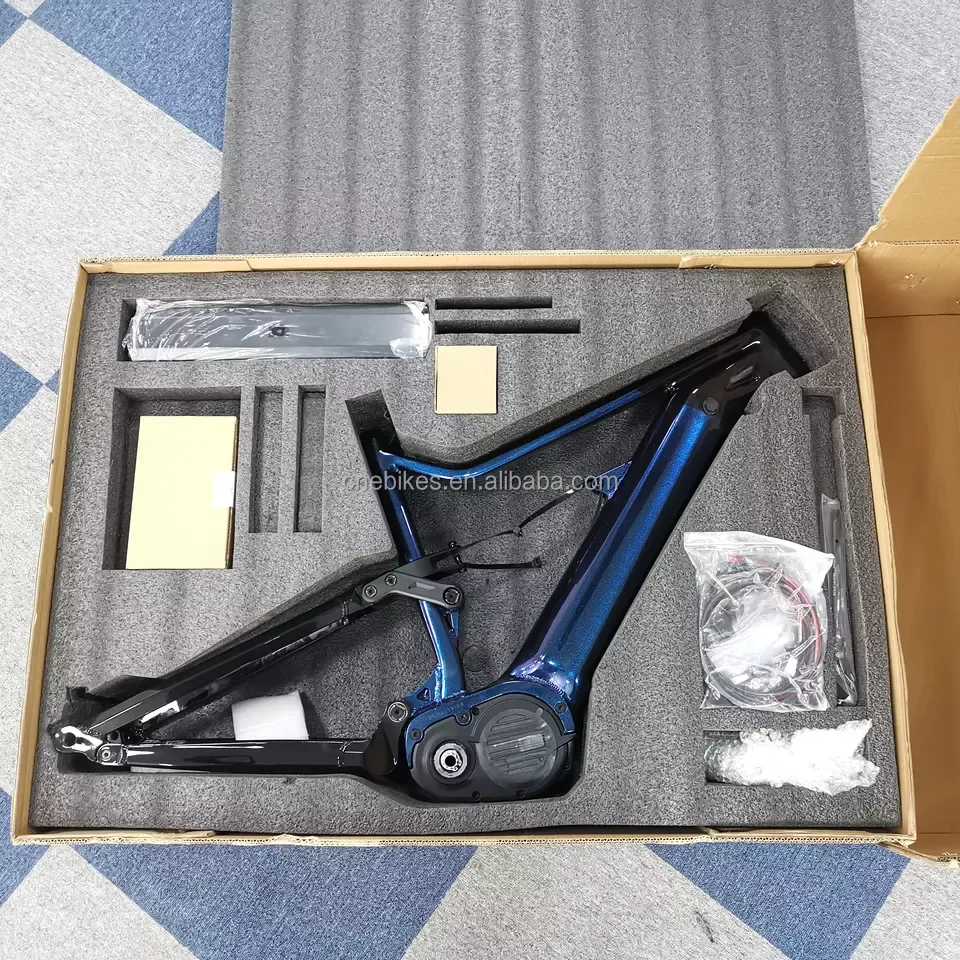
The bike frame itself poses no such threat. It’s just metal, plastic, and rubber. So, airlines permit it in the belly of the plane.
But they draw a hard line at the energy source. This split ensures passenger safety while allowing gear transport.
Your Decision Tree: Can Your Specific Bike and Airline Make This Trip?
Not all bikes or airlines play by the same script. Use this logic flow to determine your path. First, check your battery’s Watt-hour (Wh) rating.
This number dictates everything else.
| Battery Rating | Carry-On Status | Checked Bag Status | Action Required |
|---|---|---|---|
| Under 100 Wh | Allowed | Prohibited | Tape terminals. Pack in case. |
| 100–160 Wh | Allowed w/ Approval | Prohibited | Declare at check-in. Get tag. |
| Over 160 Wh | Prohibited | Prohibited | Ship via freight only. |
Next, verify your airline’s specific sports equipment policy. Budget carriers often ban e-bikes entirely. Legacy carriers usually accept them as oversized luggage.
Some require advance notice for heavy items.
Finally, assess your bike’s disassembly capability. Integrated batteries are tricky. You may need a mechanic to safely extract them.
Proprietary locks might require special keys. If you can’t remove the battery easily, don’t fly with it.
Step-by-Step: Prepping the E-Bike for Checked Cargo (Frame Only)
Removing the battery leaves you with a awkwardly shaped object. You must pack it securely to survive handling. Start by taking off the pedals.
They stick out and snap easily during transit.
Wrap each pedal individually in bubble wrap. Store them inside the main frame triangle. This saves space and protects threads.
Next, lower the seat post fully. Secure it with zip ties if possible.
Fold down the handlebars if your stem allows it. Align them parallel to the top tube. This reduces the overall width significantly.
For fixed bars, rotate them 90 degrees.
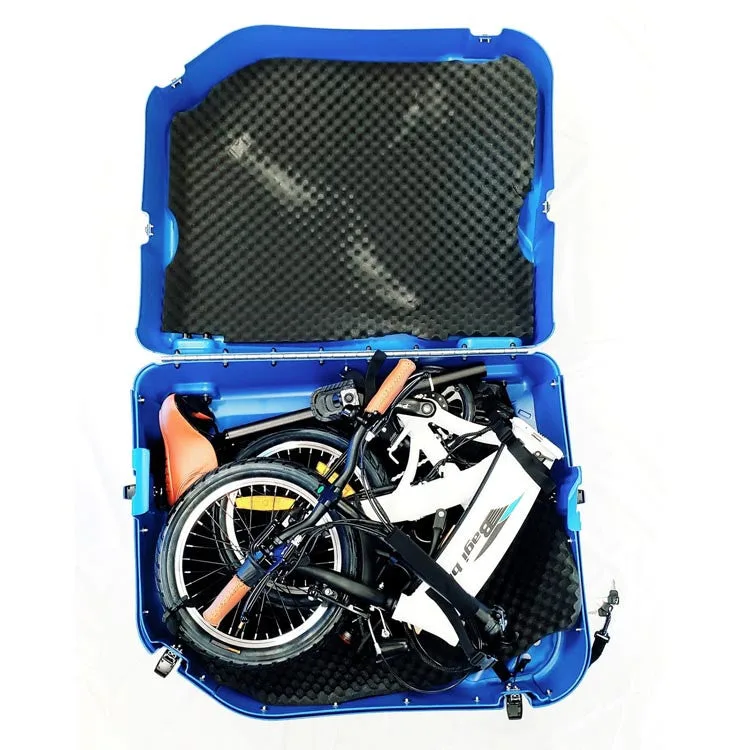
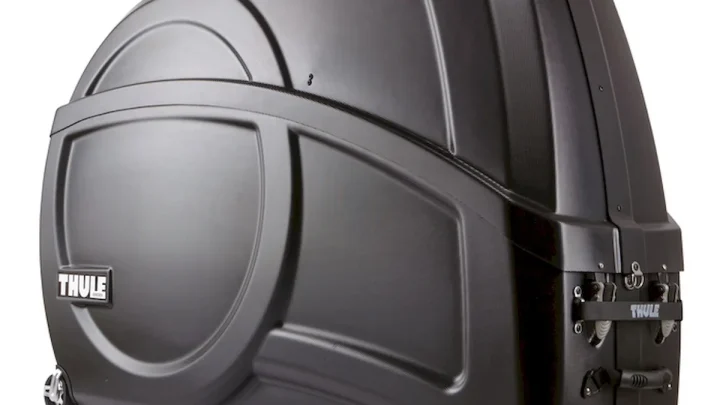
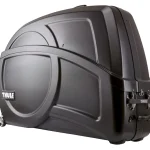
Place the frame into a rigid bike box or hard-shell case. Cardboard works for single trips. Hard cases offer better protection for multiple flights.
Fill empty spaces with foam padding. Ensure nothing shifts when you shake the box.
Label the package clearly. Mark it "Fragile" and "This Side Up." Include your contact info on both ends. Remove any old shipping labels to avoid confusion.
Do not leave tools loose inside the wheels.
Step-by-Step: Packing the Lithium-Ion Battery for Carry-On
Your battery travels with you, not below you. Treat it like valuable electronics. First, ensure the battery is partially charged.
Airlines prefer levels between 30% and 50%.
Fully charged cells have higher energy potential. Deeply discharged cells may fail to activate sensors. A mid-level charge balances safety and functionality.
Check your manufacturer’s manual for specific storage advice.
Protect the exposed terminals rigorously. Use non-conductive tape over the contacts. Or place the battery in its original retail packaging.
If the box is gone, use a dedicated protective case.
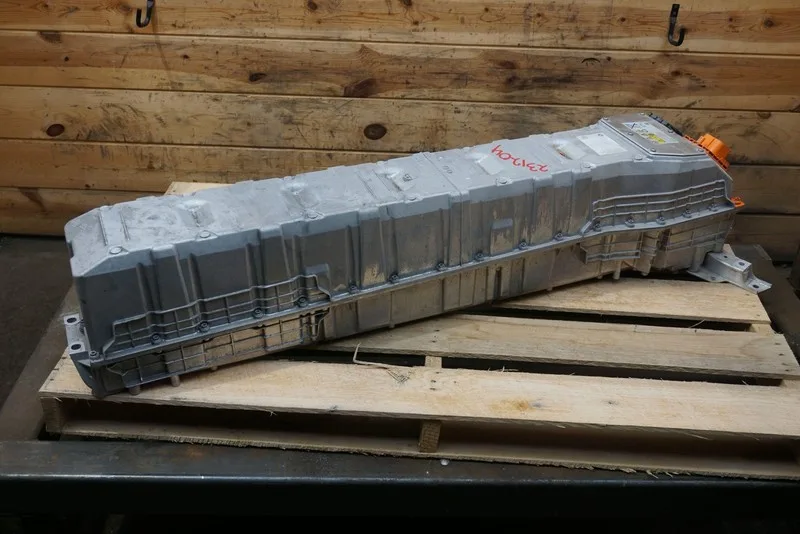
Never let the battery touch metal objects. Keys, coins, or jewelry can cause shorts. Place the insulated pack in a separate compartment.
Keep it accessible for security screening.
TSA agents will likely inspect it visually. Have it ready to pull from your bag. Do not hide it deep among clothes.
Transparency speeds up the process. If you have spares, limit yourself to two.
One spare plus the installed unit equals three total. Most airlines cap passengers at two spares. Verify this count against your carrier’s website.
Exceeding limits results in confiscation. Stay within the legal boundaries to keep your gear.
Hidden Costs and Fees That Will Surprise You at Check-In
Budget airlines rarely accept e-bikes. Even legacy carriers charge steep oversize fees. Expect costs between $75 and $200 per leg.
These charges apply regardless of battery removal.
You also pay for the box itself. Rigid cardboard crates cost $30 to $60. Hard-shell cases run from $150 upward.
Factor these into your total travel expense.
Some airports impose local handling surcharges. These vary by region and terminal. Always call ahead to confirm current rates.
Don’t assume online quotes cover everything.
Weight limits still apply to the frame. A stripped-down bike often exceeds 23kg. Excess weight triggers additional baggage fees.
Weigh your packed box before leaving home.
International flights add complexity. Customs may tax imported bicycles. Bring proof of ownership to avoid duties.
Documentation saves money and time at borders.
Critical Mistakes That Get Your Bag Rejected or Confiscated
Leaving terminals exposed is a fatal error. Security will confiscate unprotected batteries immediately. Always tape contacts or use original packaging.
Never rely on plastic bags alone.
Checking the battery in cargo is forbidden. Airlines screen luggage for lithium violations. Detection leads to denied boarding.
Keep all cells in your carry-on.
Using damaged boxes invites rejection. Crushed corners signal poor packing. Handlers may refuse oversized items.
Invest in sturdy, intact containers.
Forgetting to declare sports equipment causes delays. Staff must tag it manually. Unannounced bikes sit in holding areas.
Inform agents at the ticket counter first.
Ignoring airline-specific size rules risks denial. Some carriers reject non-standard frames. Measure your bike’s folded dimensions accurately.
Compare them against published guidelines strictly.
Overpacking with loose accessories creates hazards. Tools rattling inside can damage components. Secure every part firmly within padding.
Loose items shift during transit stress.
FAQs: Integrated Batteries, Spare Packs, and International Quirks
What if my e-bike has an integrated battery?
Most modern designs lock the cell internally. You cannot remove it without specialized tools. Contact the manufacturer for official disassembly instructions.
If removal isn’t possible, you likely can’t fly with it.
Some brands offer service centers that detach packs safely. Schedule this well before travel dates. Do not attempt DIY extraction yourself.
Improper removal voids warranties and creates safety risks.
If the battery stays attached, check carrier policies carefully. Few airlines permit installed units in cargo. Most require complete separation.
Without removal, consider shipping via freight instead.
Can I bring spare batteries along with the main pack?
Yes, but strict quantity limits apply. Passengers typically carry two spares maximum. Combined with the main unit, this totals three.
Verify your airline’s specific allowance beforehand.
All spares must stay under 100 Wh individually. Larger packs need prior approval. Total watt-hours across all cells matter too.
Stay within aggregate safety thresholds defined by IATA.
Pack each spare separately in protective cases. Terminals must remain insulated at all times. Grouping multiple bare cells increases short-circuit risk.
Keep them organized and accessible for inspection.
Do international rules differ from domestic US regulations?
Core safety principles remain consistent globally. IATA standards govern most commercial flights worldwide. However, local aviation authorities add nuances.
EU carriers often enforce stricter documentation requirements.
Asian airlines sometimes ban e-bikes entirely. Research destination-country import laws carefully. Some nations restrict used electronics entry.
Ensure compliance before booking tickets.
Customs procedures vary significantly by border. Declare all components transparently upon arrival. Hidden items trigger fines or seizure.
Prepare paperwork for both departure and entry points.

Similar Posts