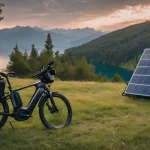
Best E-Bike Motors for Heavy Cargo Loads
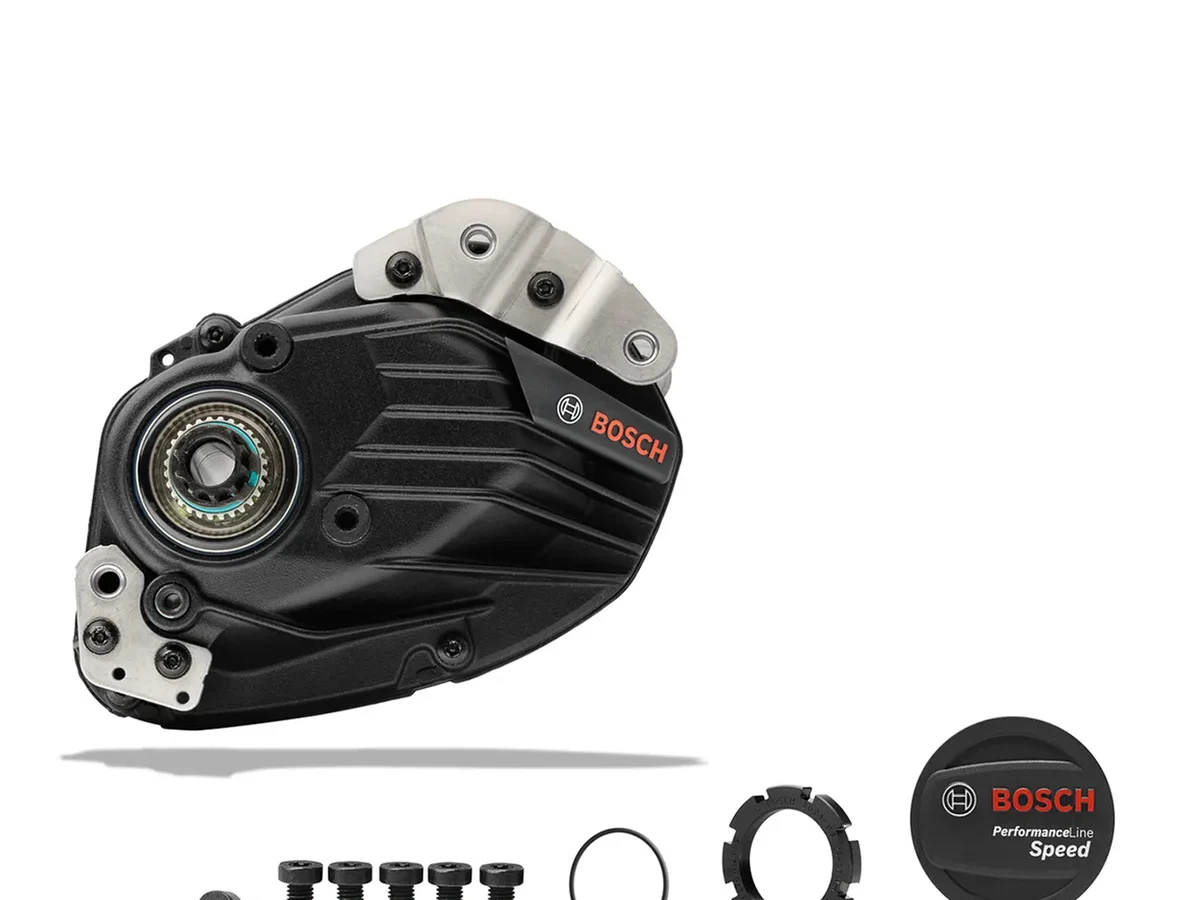
Figuring out what electric bike motor is best for carrying heavy cargo isn't about picking the biggest number on a spec sheet. It’s about matching torque delivery to your specific terrain and load weight. Most riders make the mistake of assuming more watts equals better performance, but that often leads to wasted battery life and strained components.
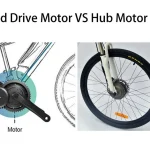
We need to look at how force is applied to the wheels versus the pedals. For instance, mid-drive motors leverage the bike's existing gears to multiply torque efficiently. This distinction matters because as of 2026, modern controllers manage power curves differently than they did five years ago.
Let’s break down exactly which setup fits your needs.
Quick Answer
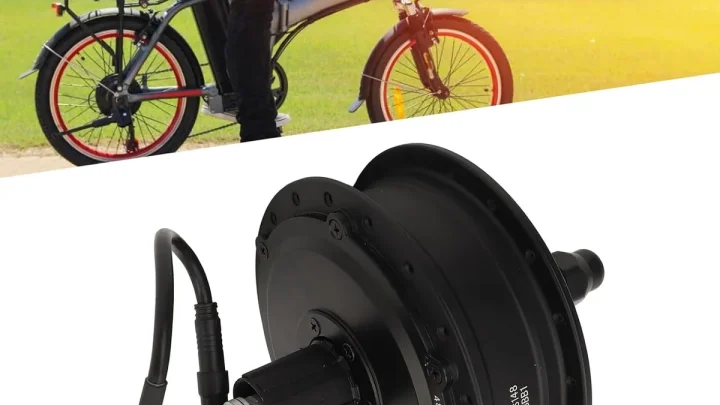
The best electric bike motor for heavy cargo is typically a high-torque mid-drive system. These motors offer superior hill-climbing ability by using the bike's gears. They provide better balance than rear hub motors.
Look for at least 80Nm of torque for loads over 60kg. Mid-drives extend battery range on varied terrain compared to direct-drive hubs.
Stop Guessing Wattage: Match Your Motor to Your Actual Load Profile
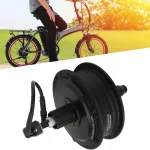
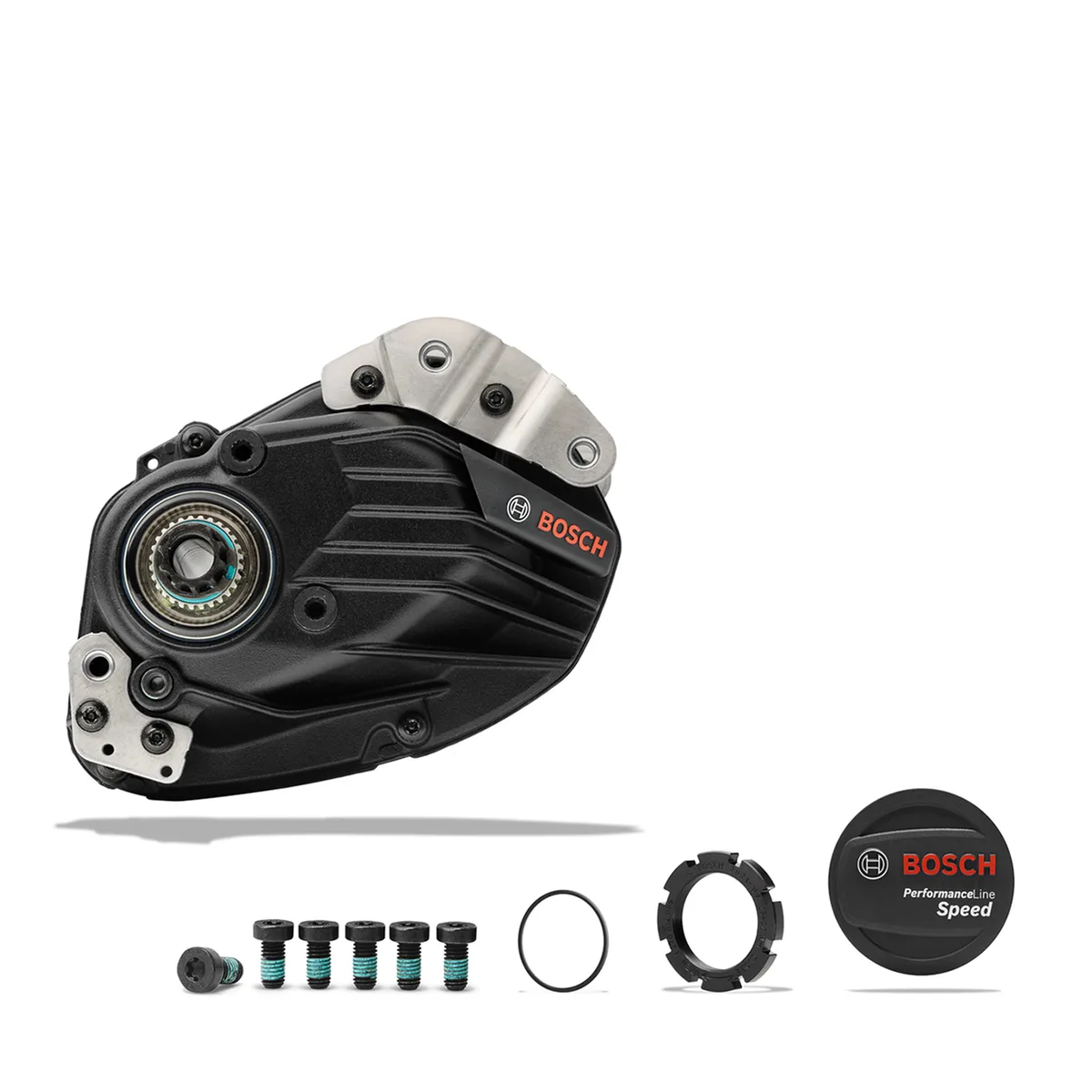
Most buyers fixate on wattage, but that metric alone tells you very little about hauling capability. Wattage measures energy consumption rate, not lifting strength. A 750W hub motor might spin freely on flat ground yet struggle immensely on a steep grade with a child seat attached.
You need to focus on Newton-meters (Nm), which measure rotational force.
For light cargo under 40kg, a geared hub motor with 40-60Nm usually suffices. But once you cross into true heavy territory, say 60kg to 100kg plus rider weight, the dynamics shift. At this level, thermal management becomes critical.
Hub motors generate significant heat when working hard against gravity. If the motor overheats, it throttles power output, leaving you stranded halfway up a hill.
Mid-drive systems handle this differently. By engaging the bicycle chain and cassette, they allow the motor to operate in its most efficient RPM range. This reduces heat buildup and maximizes torque multiplication.
Our research indicates that for consistent heavy loads, especially involving inclines, prioritizing Nm rating over raw watt count prevents premature component failure. Always calculate your gross vehicle weight first. Then select a motor rated for at least 20% above that total stress load.
Mid-drive vs. Hub Motors: The Critical Fork in the Road
Choosing between these two architectures defines your riding experience. It is not just a preference issue. It affects handling, maintenance costs, and climbing physics.
Here is where the decision tree splits based on your primary use case.
When Centralized Mass Wins (Steep Hills, Technical Terrain)
If your routes involve sustained gradients or loose surfaces like gravel, mid-drive motors are non-negotiable. Placing the motor at the bottom bracket lowers the center of gravity. This improves stability when cornering with a heavy box on the front rack.
More importantly, mid-drives utilize the bike’s derailleur system. Shifting to a lower gear allows the motor to pull harder without stalling.
Aggregate user reviews consistently highlight that mid-drives feel more natural. The assistance kicks in proportionally to your pedal effort. This synergy helps maintain momentum when starting from a stop with a full load.
Direct drive hub motors lack this mechanical advantage. They rely solely on electrical current to overcome inertia. On a 10% grade with 80kg of cargo, a hub motor draws massive amps.
This drains batteries quickly and stresses windings.
When Rear Bias is Acceptable (Flat City Commutes, Lighter Loads)
Rear hub motors shine in urban environments with minimal elevation change. They are simpler mechanically since there is no chain tension variation affecting the motor mount. For flat city deliveries under 50kg, a robust geared hub offers great value.
Installation is easier too. You don’t need specialized tools to swap cranksets or adjust limit screws.
However, be aware of the "wheelie" effect. Heavy rear bias can lift the front wheel during aggressive acceleration. Modern controllers mitigate this, but it remains a physical reality.
If you ride primarily on pavement and rarely tackle hills over 5%, a hub motor saves money and complexity. Just ensure it has adequate cooling fins. Passive air cooling works well until speeds drop below walking pace while climbing.
Decoding the Spec Sheet: Nm, Watts, and Voltage Sag
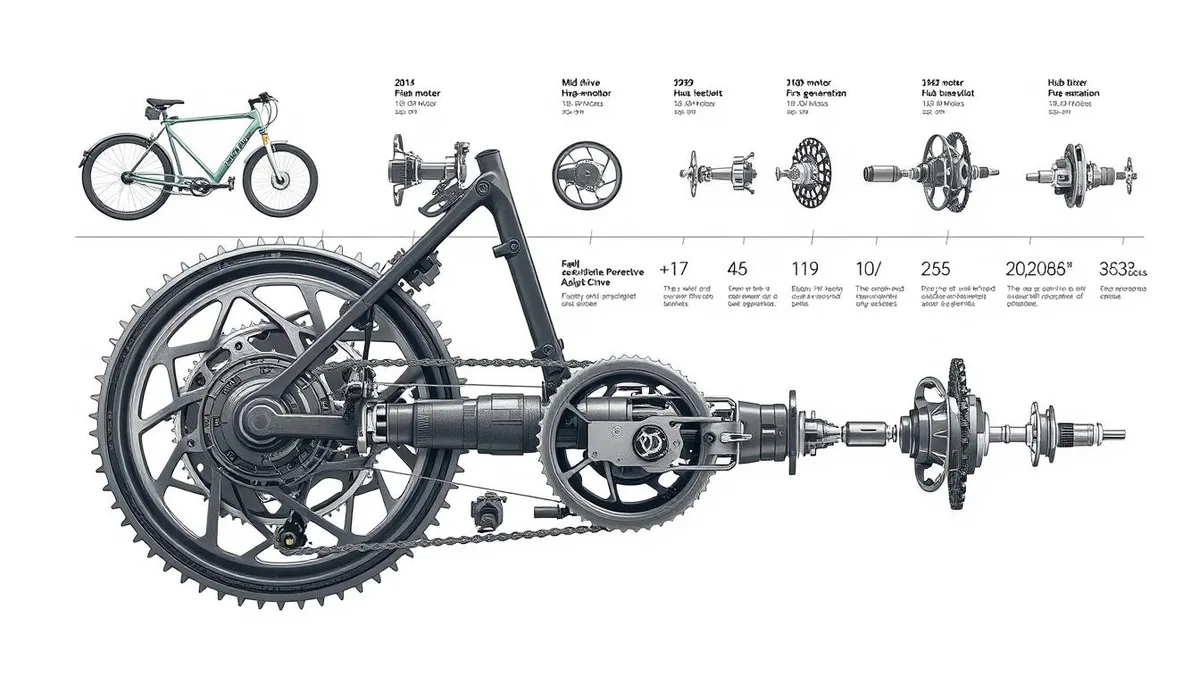
Manufacturers love big numbers. Ignore marketing fluff. Focus on three technical metrics that determine real-world performance under load.
| Metric | What It Measures | Ideal Range for Heavy Cargo (>60kg) | Why It Matters |
|---|---|---|---|
| Peak Torque | Rotational force at low RPM | 80Nm – 100Nm+ | Determines ability to start moving and climb steep hills. |
| Continuous Power | Sustainable output without overheating | 250W – 500W | Indicates long-term reliability and legal compliance limits. |
| System Voltage | Electrical pressure driving the motor | 48V – 52V | Higher voltage reduces current draw for same power, lowering heat. |
Torque is king here. A motor rated at 100Nm peak will launch you up an 18% gradient with ease. Compare this to a 50Nm unit that struggles past 10%.
Note that peak torque lasts only seconds. Sustained torque matters more for long climbs. Check if the manufacturer provides a torque curve graph.
Flat curves indicate consistent power delivery across RPM ranges.
Voltage plays a hidden role. Many entry-level e-bikes run on 36V systems. Under heavy load, these suffer severe voltage sag.
The controller cuts power to protect the battery. Switching to 48V or 52V maintains efficiency longer. Per EN 15194 standards, higher voltage systems generally exhibit better thermal stability during prolonged exertion.
Don’t let anyone sell you a 36V kit for serious cargo work unless it’s strictly flatland usage.
Protecting Your Drivetrain from High-Torque Stress
Heavy loads amplify forces on every rotating component. Your motor is powerful, but your chain and cassette are likely stock parts designed for human pedaling alone. Upgrading these is mandatory, not optional.
Failure here causes sudden stops and expensive repairs.
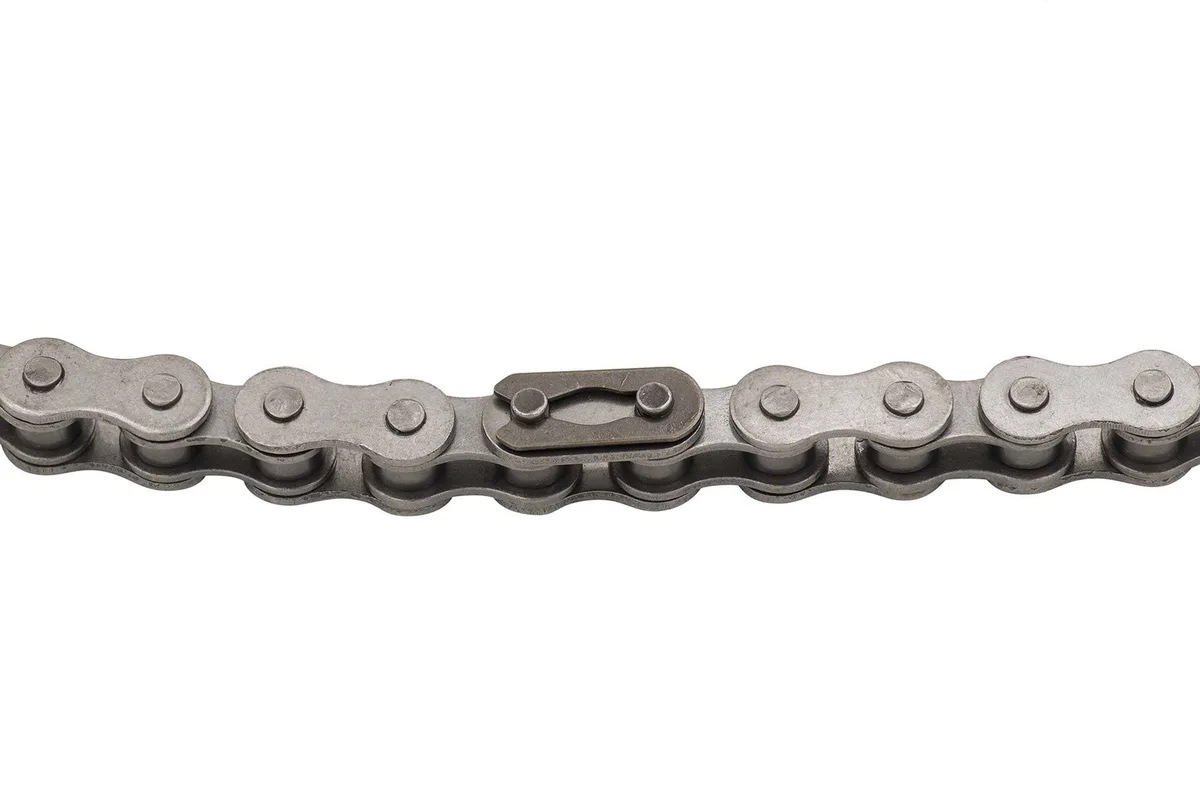
Start with the chain. Standard 9-speed chains snap under high torque spikes. Install a reinforced 10, 11, or 12-speed chain specifically rated for e-bikes.
Brands like KMC and Shimano offer "E-Bike Ready" variants with thicker plates and stronger pins. These resist elongation caused by repeated high-load shifts. Next, examine your cassette.
Frequent shifting under load wears teeth rapidly. Consider a wide-range cassette to keep the chain engaged properly even at extreme angles.
Derailleurs take the brunt of vibration and shock. Mechanical derailleurs may bend hangers if you hit a pothole with a full box. Electronic shifting systems like SRAM AXS or Shimano Di2 adjust automatically but still require sturdy mounting.
Regularly check bolt tightness on all drivetrain connections. Lubricate the chain weekly during heavy use seasons. Dry chains increase friction, forcing the motor to work harder.
This generates excess heat and accelerates wear on both the chain and sprockets.
Common Setup Mistakes That Kill Performance and Safety
Even the best motor fails if configured incorrectly. Riders often overlook subtle settings that dictate safety and longevity. Avoid these frequent errors identified in industry troubleshooting logs.
First, ignoring gear ratio compatibility. Putting a large chainring on a mid-drive for speed sacrifices climbing torque. For cargo, prioritize smaller front chainrings paired with larger rear cogs.
This keeps the motor in its sweet spot. Second, neglecting brake upgrades. Heavier bikes have greater momentum.
Stock rim brakes fade quickly downhill. Hydraulic disc brakes with 180mm rotors minimum are essential. Some experts recommend 203mm rotors for the front wheel if carrying forward-mounted loads.
Third, failing to calibrate sensors correctly. Torque sensors need precise alignment. Misalignment causes jerky assistance or dead spots.
Follow manufacturer instructions for sensor indexing carefully. Fourth, overloading beyond frame ratings. Every bike has a maximum payload capacity including rider and cargo.
Exceeding this risks frame fracture. Check the manufacturer’s warranty terms regarding weight limits. Violating them voids coverage instantly.
Finally, skipping firmware updates. Controllers receive patches to improve thermal management and power smoothing. Outdated software misses these optimizations.
Always sync your app before heavy-duty operations begin.
Quick Reference: Which Motor Fits Your Specific Scenario?
You’ve got the specs. Now, apply them to your daily grind. This isn’t theoretical.
It’s about what happens when you’re late for a delivery or stuck on a hill with two kids in the back. Use this guide to lock in your choice without overthinking it.
Urban Courier on Flat Ground
If you’re hauling packages across a flat city grid, skip the mid-drive complexity. A robust geared rear hub motor (500W continuous) handles stop-and-go traffic well. You’ll benefit from simpler maintenance and lower upfront costs.
Just ensure your tires are puncture-resistant. Cargo bikes eat thin rubber alive on curbside drops.
Parent Hauling Kids and Groceries in Suburbs
Here, stability is non-negotiable. Choose a mid-drive system with at least 80Nm torque. The centralized weight keeps the bike predictable when you’re turning corners with a child seat mounted up front.
Look for models with integrated battery locks. Theft prevention matters more than raw speed here. Your range will drop by roughly 30% compared to solo riding, so plan charges accordingly.
Rural Rider Facing Steep Gravel Inclines
This is the hardest scenario. You need maximum torque multiplication. Go for a high-end mid-drive (Bosch Cargo Line class) paired with an internal gear hub like Enviolo.
External derailleurs fail too often on rough trails. The combination gives you infinite gearing ratios. You can crawl up muddy slopes without stalling.
Expect faster drivetrain wear. Budget for monthly chain replacements during peak season.
| Scenario | Recommended Motor Type | Key Feature Priority | Maintenance Frequency |
|---|---|---|---|
| Flat City Delivery | Geared Rear Hub | Simplicity & Cost | Quarterly check |
| Suburban Family Haul | Mid-Drive (80Nm+) | Stability & Balance | Monthly lube/inspection |
| Rural/Hilly Terrain | High-Torque Mid-Drive + IGH | Torque Multiplication | Weekly visual checks |
Frequently Asked Questions
Can I convert a standard bike to carry heavy cargo?
No. Standard frames aren’t rated for the extra stress. You risk catastrophic failure at the welds or dropouts.
Always buy a dedicated cargo e-bike frame. These have reinforced tubing and specific geometry for load distribution. Retrofitting hubs onto regular bikes ignores structural integrity limits set by manufacturers.
Do hub motors drain batteries faster than mid-drives?
Yes, significantly on hills. Hub motors don’t use gears to multiply force. They draw massive amperage to push weight uphill.
Mid-drives shift into easier gears, keeping RPM efficient. On flat ground, the difference is negligible. But for any elevation gain, mid-drives extend your range by 20-40%.
Is 750W enough for 100kg of cargo?
It depends entirely on terrain. For flat surfaces, yes. For grades above 5%, no.
You’ll struggle with heat buildup and slow acceleration. We recommend looking for peak power ratings closer to 1000W-1500W for sustained heavy loads. Continuous rating should stay within legal limits (usually 250W-750W), but peak capacity ensures you don’t stall out.
How often should I replace the chain on a cargo e-bike?
Every 1,500 to 2,000 miles if heavily loaded. Friction increases exponentially with weight. A worn chain damages cassettes and chainrings quickly.
Inspect for stretch monthly using a chain checker tool. Replace immediately if it exceeds 0.5% elongation. Neglecting this shortens the lifespan of expensive drivetrain components drastically.

Similar Posts