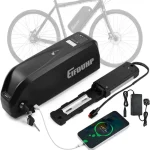
Best Electric Bike Battery Size for Long Commutes
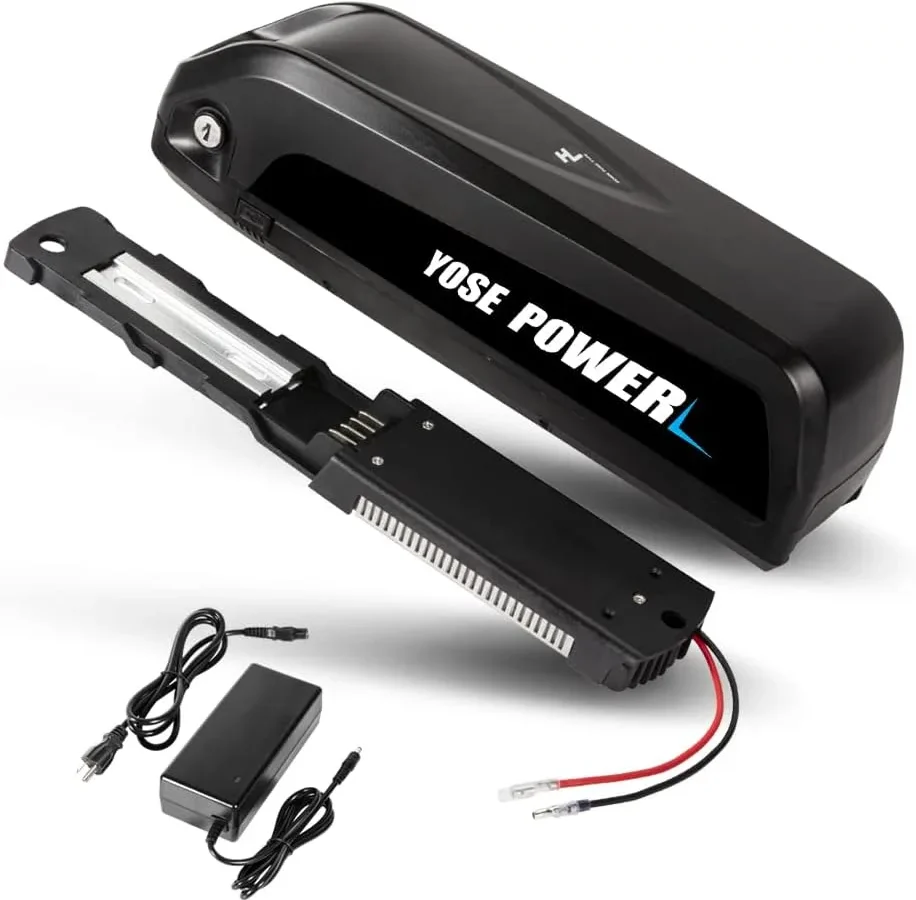
Stop guessing: Why there’s no single “best” battery size
Figuring out what electric bike battery size is best for long commutes feels tricky because the answer isn't a fixed number. It depends entirely on your route, terrain, and weather conditions. A 500Wh pack might crush it in flat San Diego but leave you stranded in hilly Seattle by noon.
We need to match capacity to reality, not marketing brochures.
Most riders underestimate their energy needs by ignoring elevation and wind resistance. As of 2026, standard commuter bikes typically ship with 400, 625Wh packs, which often fall short for true "long" distances over 15 miles round-trip. Let’s break down the variables so you can pick the right watt-hours (Wh) without overspending or running empty.
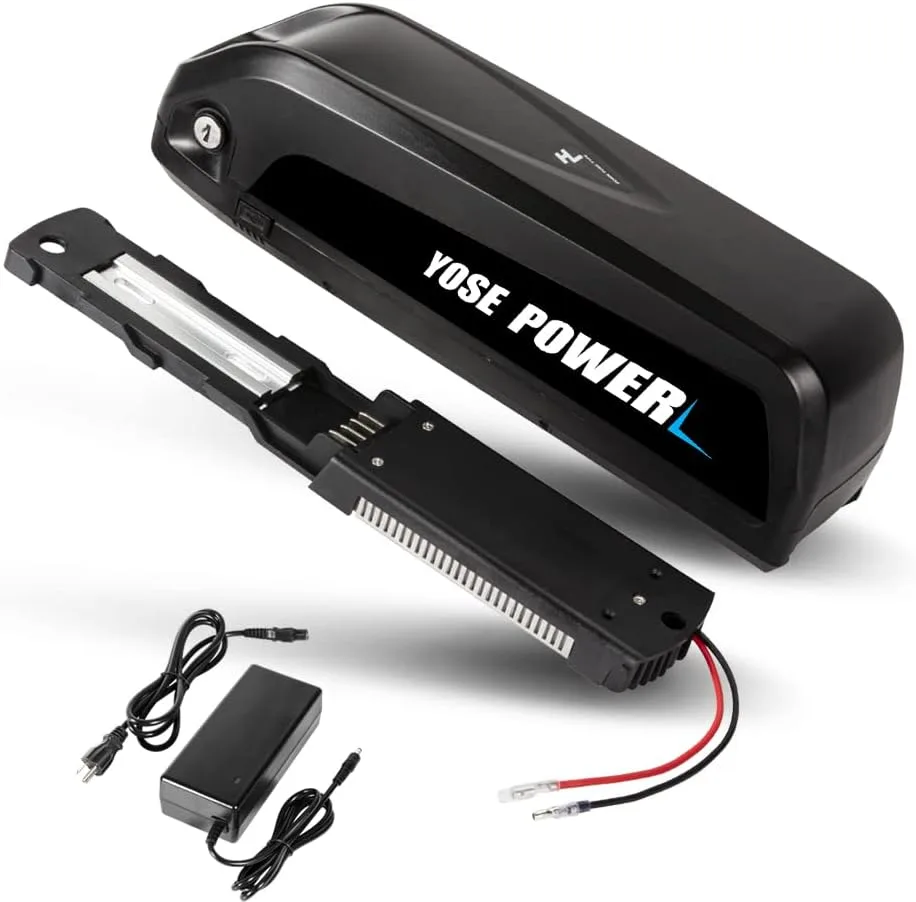
Image source: Bing (Web (fair-use with source credit))
Quick Answer
For most long commutes (15+ miles round-trip), aim for a 625Wh to 750Wh battery. If your route includes significant hills or heavy cargo, choose 750Wh+. Flat urban routes under 15 miles may suffice with 500Wh.
Always add a 20% buffer for headwinds and cold weather. This ensures reliability without excessive weight penalties.
The 4 Variables That Dictate Your Ideal Watt-Hour Range
Battery sizing isn't about picking the biggest option available. It’s about balancing four specific inputs that change how much energy you actually burn per mile. Ignore any one of these, and your range estimate will be wrong.
First, consider your total daily mileage. A 10-mile round trip is vastly different from a 30-mile haul. Second, look at elevation gain.
Climbing consumes exponential more power than riding on flats. Third, factor in rider and cargo weight. Heavier loads increase rolling resistance significantly.
Finally, assess typical wind conditions. Headwinds are silent killers of battery life.
Here is how those variables interact in practice:
| Variable | Low Impact Scenario | High Impact Scenario | Effect on Range |
|---|---|---|---|
| Distance | < 10 miles/day | > 20 miles/day | Linear decrease |
| Terrain | Mostly flat (< 2% grade) | Hilly (> 5% avg grade) | 30-50% reduction |
| Load | Rider only (< 180 lbs) | Cargo/Kids (> 220 lbs) | 20-30% reduction |
| Weather | Mild, calm winds | Cold (< 40°F), windy | 20-40% reduction |
You don’t need perfect precision here. But if you live in a mountainous area and carry gear, assuming a flat-land consumption rate will lead to disappointment. Our research shows that mismatched expectations cause most early-range complaints.
Identify where you sit on this spectrum before looking at specs.
Real-World Math: Calculating Your Specific Commute Needs
Let’s put numbers to those variables. Most e-bikes consume between 15 and 25 Wh per mile under ideal conditions. However, real-world commuting rarely offers ideal conditions.
You should budget closer to 30, 40 Wh/mile for mixed terrain and moderate assist levels.
Start with your round-trip distance. Multiply that by your estimated consumption rate. Then, add a safety margin.
We recommend a 20% buffer for unexpected detours or stronger winds.
For example, take a 20-mile round trip with some hills. At 35 Wh/mile, you’d use 700Wh. Add the 20% buffer, and you need roughly 840Wh of usable capacity.
Since batteries aren't always discharged to 100%, you’d want a nominal 900, 1000Wh pack to ensure comfort.
Conversely, a flat 12-mile commute at 20 Wh/mile uses only 240Wh. With a buffer, you’re safe with a 300, 350Wh usable reserve. A standard 500Wh battery would easily cover this twice over.
Don’t rely solely on manufacturer claims. Those figures often assume light rider weight, zero wind, and eco-mode assistance. Use conservative estimates based on your actual geography.
If you’re unsure, err on the side of larger capacity. Running out of juice mid-commute costs far more in time and stress than carrying extra pounds.
The Hidden Costs of Oversizing (and Undersizing) Your Pack
Choosing too small leads to range anxiety and frequent charging. Choosing too big introduces its own set of problems. Many buyers think bigger is always better, but physics disagrees.
An oversized battery adds significant weight. Lithium-ion cells weigh approximately 0.5 to 1 pound per 100Wh depending on density. Jumping from a 500Wh to a 1000Wh pack could add 5, 8 pounds to your bike.
This affects handling, braking distance, and pedal effort when the motor cuts out.
Cost is another major factor. Battery prices hover around $1.50 to $3.00 per Wh. Doubling your capacity doesn't just double the price; it often pushes you into premium tiers with faster chargers and better BMS (Battery Management Systems).
These upgrades can add hundreds of dollars upfront.
Undersizing forces you to charge daily. This accelerates cycle wear slightly compared to deeper, less frequent charges. More importantly, it removes flexibility.
If you miss a charge day, you can’t make the trip. Oversizing provides peace of mind but penalizes agility. Find the sweet spot where capacity meets necessity without excess baggage.
Cold Weather, Hills, and Headwinds: Adjusting for Reality
Temperature plays a massive role in battery efficiency. Lithium-ion chemistry slows down in the cold. Below 32°F (0°C), internal resistance rises sharply.
You might see a 20, 40% drop in effective range during winter months.
This isn't a defect. It’s basic electrochemistry. The ions move slower, delivering less current.
Your motor works harder to maintain speed, draining the pack faster. If your summer commute barely fits within a 500Wh battery, winter will definitely strand you.
Headwinds act similarly. Air resistance increases with the square of speed. Riding against a 10mph breeze doubles your energy expenditure compared to calm air.
Combine cold temps with strong winds and hills, and your consumption rate can skyrocket to 50+ Wh/mile.

To adjust for this, apply a seasonal multiplier. In mild climates, stick to your base calculation. In regions with harsh winters or consistent coastal winds, multiply your required capacity by 1.3x.
This buffer ensures your bike remains reliable year-round. Don’t let optimistic spring calculations dictate your purchase decision. Plan for your worst-case scenario, not your best.
Maintenance Habits to Keep a Large Battery Healthy Longer
Larger batteries demand smarter care. You cannot treat a 1000Wh pack like a disposable AA battery. The goal is minimizing stress on the lithium-ion cells to preserve their State of Health (SoH).
Degradation happens fastest at extreme charge levels.
Keep your battery between 20% and 80% for daily use. Avoid leaving it plugged in at 100% overnight unless necessary. Deep discharges below 10% accelerate chemical wear.
If you must store the bike for weeks, keep the charge around 50%. This reduces internal pressure on the cells.
Temperature control matters just as much as depth of discharge. Never charge a frozen battery. Let it warm to room temperature first.
Heat damages capacity permanently, so avoid direct sunlight during storage. Regular software updates from manufacturers often improve BMS efficiency. Check your app monthly for firmware patches that optimize energy flow.
These small habits extend life by hundreds of cycles.
Quick Reference Decision Guide for Common Commuter Profiles
We’ve covered the math, but real life is messy. Here is how different riders should interpret those numbers. Match your profile to find your baseline watt-hour requirement.
Remember to add the 20% buffer we discussed earlier for wind and detours.
| Rider Profile | Typical Conditions | Recommended Capacity | Why This Size? |
|---|---|---|---|
| Urban Flatlander | <15 miles, no hills, mild weather | 400–500Wh | Lightweight, sufficient range, lower cost. |
| Suburban Hilly | 15–25 miles, moderate elevation | 625–750Wh | Handles climbs without motor strain or rapid drain. |
| Cargo Parent | 10–20 miles, heavy loads/kids | 750–1000Wh | Extra weight demands more torque and energy reserves. |
| Winter Warrior | Any distance, temps <40°F | +30% over base | Compensates for cold-weather efficiency loss and headwinds. |
| Long-Distance Solo | >25 miles, mixed terrain | 1000Wh+ | Eliminates mid-route charging stops entirely. |
If you fall between categories, choose the larger option. The weight penalty is usually worth the reliability gain. For instance, if you ride mostly flat but occasionally hit hills, skip the 400Wh tier.
Go straight to 500Wh or 625Wh. That extra margin prevents "range anxiety" when conditions change unexpectedly. It also keeps the motor working less hard, which improves overall system longevity.
Don’t buy for your best day. Buy for your average worst case.
FAQs: Charging Speed, Upgrades, and Lifespan Myths
Can I upgrade my existing e-bike battery?
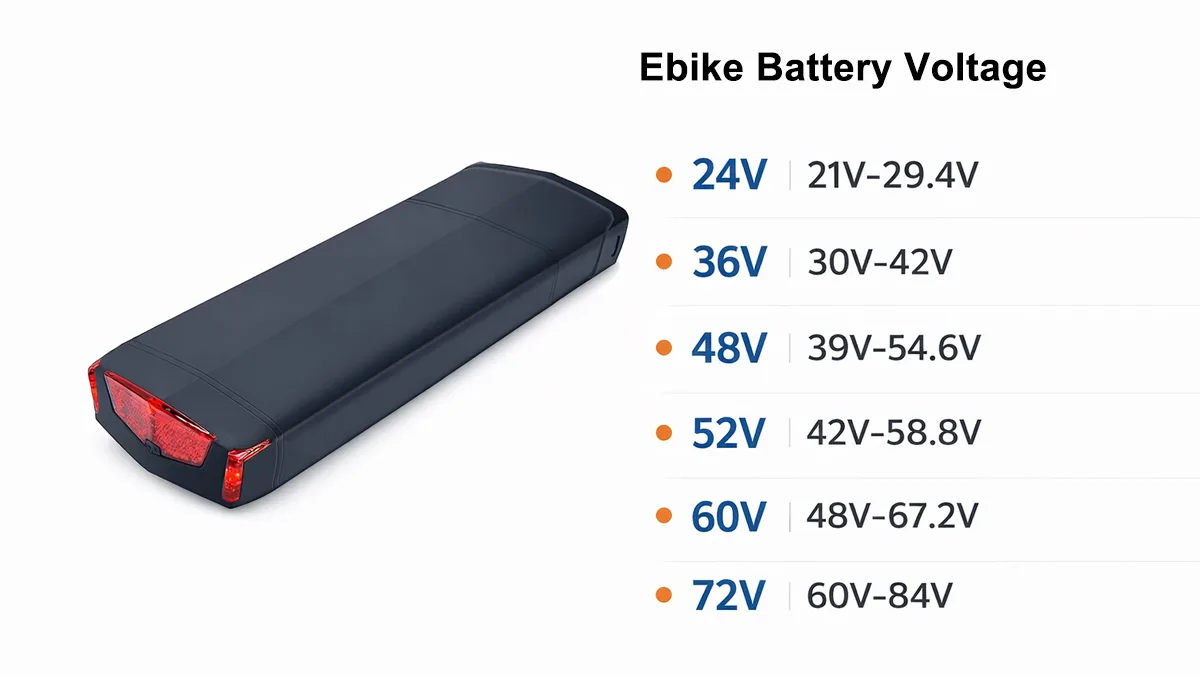
Yes, but compatibility is critical. You must match voltage (e.g., 36V vs 48V) and physical dimensions. Check if your controller supports higher amperage output.
Using an incompatible battery can fry the BMS or void warranties. Consult your manufacturer’s technical docs before swapping. Some brands lock third-party upgrades via software.
Always verify connector types and communication protocols first.
How long does a large battery actually last?
Most high-quality packs retain 80% capacity after 500, 800 full cycles. Daily commuters might see 3, 5 years of solid service. Factors like heat exposure and deep discharges shorten this timeline significantly.
Manufacturer specs confirm that proper maintenance extends life further. Expect gradual range fade rather than sudden failure. Replace the unit when usable range drops below your minimum commute needs.
Does faster charging damage the battery?
Fast charging generates more heat, which stresses cells. Occasional fast charges are fine for emergencies. Relying on them daily accelerates degradation.
Standard chargers (2A, 4A) are gentler on long-term health. Use fast modes only when time-constrained. Pre-cool the battery if possible before plugging in.
Modern BMS systems mitigate risks, but physics still applies. Slower is almost always safer for lifespan.
Is a bigger battery always heavier?
Not necessarily proportional to size alone. Newer cell chemistries offer better energy density. A 750Wh pack today weighs less than older 600Wh units did.
However, within the same generation, yes, more Wh means more mass. Look for specs listing weight per Wh. High-density modules save pounds without sacrificing range.
Check independent reviews for actual weighed metrics versus claimed specs.

Similar Posts