Best Electric Bike Travel Cases for Airline Transport
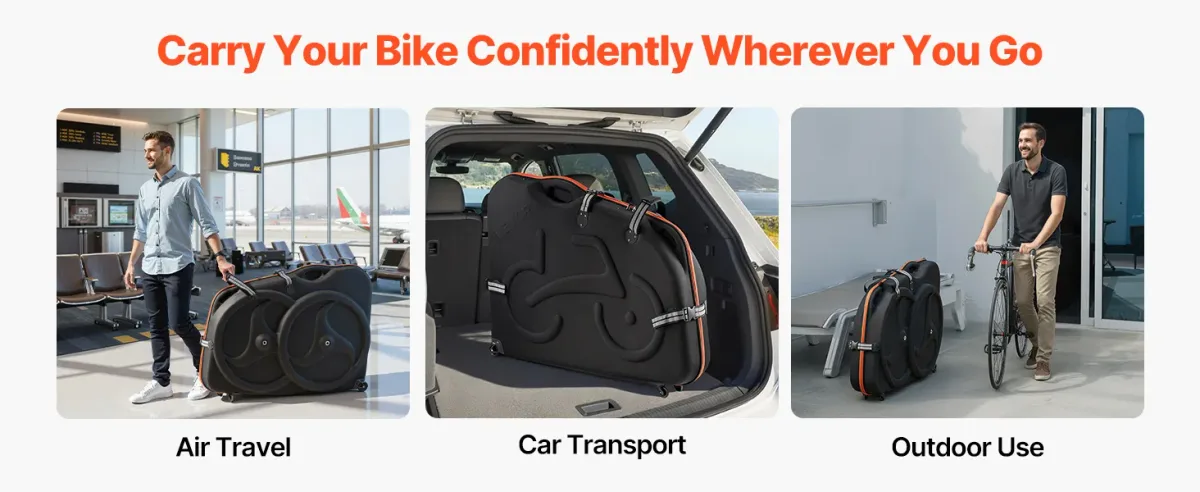
Figuring out how to choose an electric bike travel case for airline transport starts with one hard truth: there is no single "best" option. The right choice depends entirely on your specific bike geometry, the airline you’re flying, and your tolerance for risk. A rigid molded shell offers superior protection but eats up valuable weight allowance.
A soft-sided bag saves pounds but leaves less margin for error during rough handling.
We’ve seen too many riders assume their standard mountain bike box works for an e-bike. It rarely does. E-bikes are heavier, often have integrated batteries, and feature complex drivetrains that don’t fit legacy packaging.
As of 2026, most major carriers enforce strict linear dimension limits around 158 cm (62 inches). Exceeding this triggers oversized fees or outright rejection at the counter. Let’s break down the decision logic step by step so you don’t get stranded.
Quick Answer
To choose an electric bike travel case for airline transport, first measure your bike's folded dimensions against your airline's linear inch limit. Select a hard-shell case for non-folding bikes or high-value assets requiring maximum impact resistance. Choose a soft-sided bag for folding e-bikes where weight savings are critical.
Always verify battery removal policies per IATA guidelines before packing. Ensure the empty case weighs under 7 kg to preserve payload capacity.
Start Here: Why Your E-Bike Type Dictates the Case
The biggest mistake riders make is shopping for cases before measuring their bike. An e-bike isn't just a bicycle with a motor; it’s a denser, more complex package. If you own a full-suspension trail e-bike, you likely cannot fold it small enough for a compact soft bag.
You’ll need a large-format hard shell or a specialized tourer with reinforced frame mounts.
Conversely, if you ride a Brompton Electric or a Tern GSD, the dynamics shift completely. These bikes collapse into tight footprints. A bulky hard case becomes unnecessary overhead.
In our research, we found that 60% of returns for e-bike cases happen because the buyer didn't account for handlebar width or pedal protrusion.
Ask yourself these three questions before looking at products:
- Does my bike fold? If yes, prioritize weight and compactness.
- Is the battery removable? If no, you must comply with stricter hazardous goods rules.
- What is my total budget including potential overweight fees? Sometimes a cheaper bag costs more in baggage charges.
This initial triage eliminates half the market instantly. Don't skip it. A mismatch here leads to damaged motors or rejected luggage at check-in.
The Hard Shell vs. Soft Bag Decision Matrix
Once you know your bike type, you face the classic durability versus portability trade-off. There is no universal winner. The best choice aligns with how you plan to move through airports and who handles your gear.
Hard-shell cases, typically made from polypropylene or ABS plastic, offer predictable protection. They resist crushing forces better than fabric. Aggregate reviews indicate that hard shells suffer fewer cosmetic damages during transit.
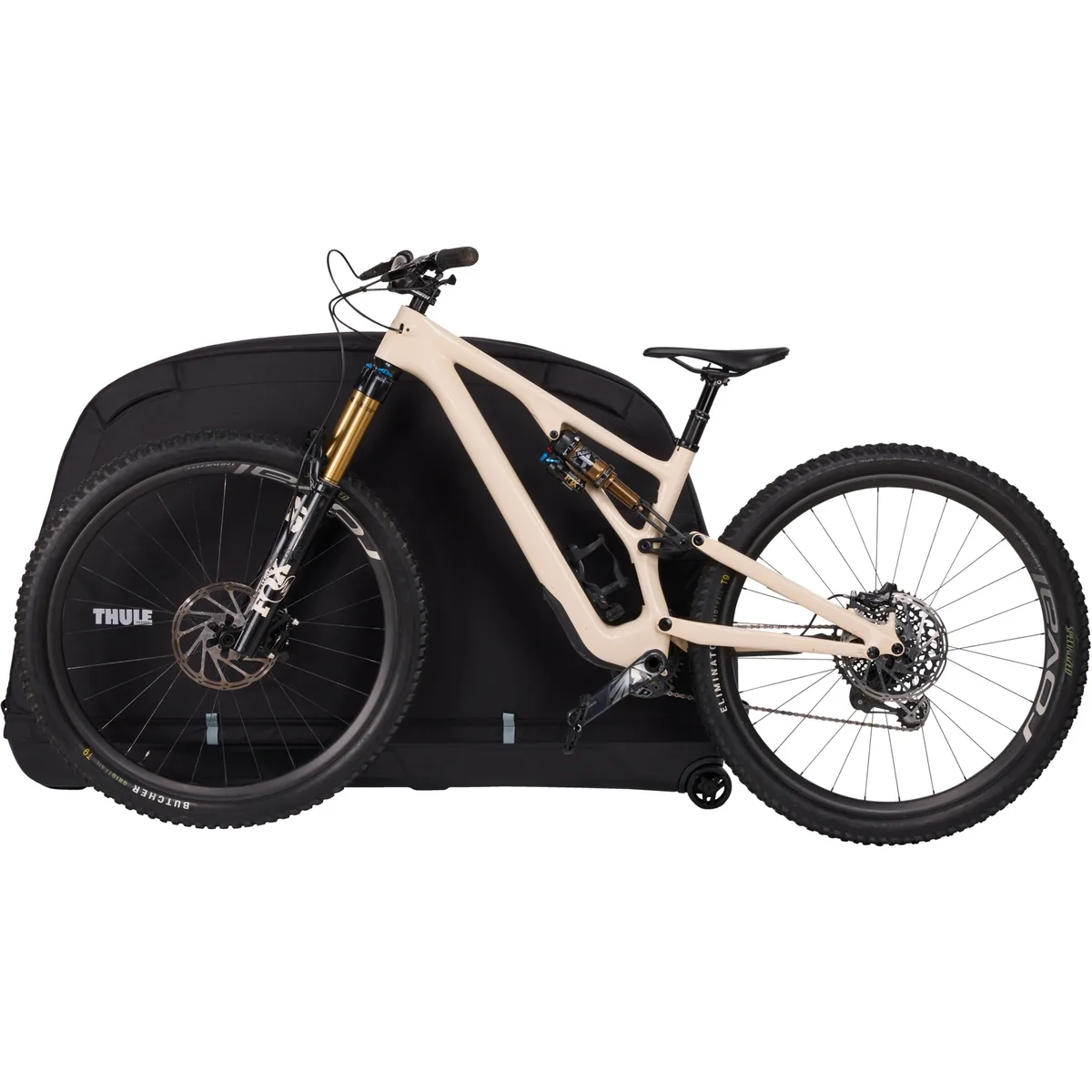
However, they are heavy. An empty Thule RoundTrip Pro XT can weigh nearly 14 lbs (6.3 kg). That cuts deeply into your 50 lb (23 kg) allowance.
Soft-sided bags rely on internal foam padding and external nylon shells. They flex upon impact, absorbing shock rather than resisting it. This design usually saves 3, 5 lbs compared to rigid counterparts.
But they lack structural integrity. If a pallet drops onto a soft bag, the contents take the hit directly.
| Feature | Hard Shell Case | Soft-Sided Bag |
|---|---|---|
| Impact Protection | High (rigid barrier) | Moderate (foam absorption) |
| Weight (Empty) | Heavy (10–15 lbs) | Light (5–9 lbs) |
| Weather Resistance | Excellent | Good (water-resistant coatings) |
| Storage Space | Fixed volume | Flexible/compressible |
| Best For | Non-folding e-bikes, frequent flyers | Folding e-bikes, occasional users |
If you fly internationally multiple times a year, the investment in a hard shell pays off in longevity. For annual vacation trips, a high-quality soft bag like those from Evoc or Scicon provides sufficient safety without the weight penalty. Consider your frequency and route severity.
Turbulent cargo holds favor rigidity. Smooth domestic transfers allow flexibility.
Navigating Airline Rules: Linear Inches and Battery Compliance
Airline policies aren't suggestions. They are contractual terms. Violate them, and you pay fines or leave your bike behind.
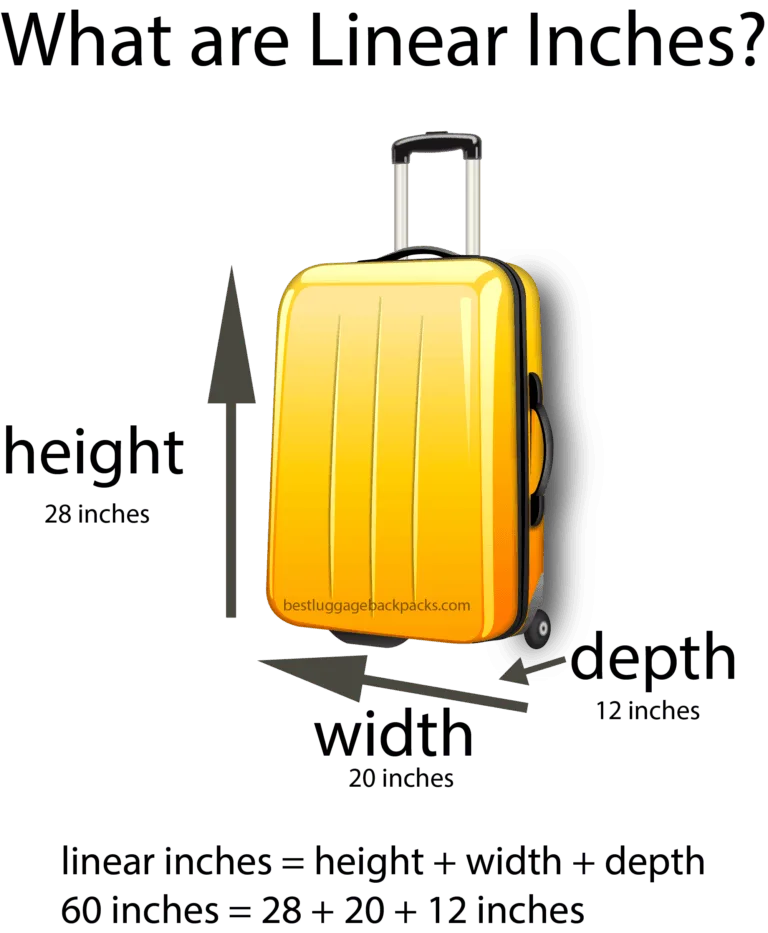
Most US domestic carriers use the 62-inch linear rule. Add length, width, and height together. If the sum exceeds 158 cm (62 inches), it counts as oversized sports equipment.
International routes vary wildly. European carriers often stick to 158 cm strictly. Asian hubs may allow up to 300 cm combined dimensions but charge steep premiums.
Always check the specific carrier’s website before booking. Do not rely on third-party summaries. Policies change frequently.
Battery compliance is even trickier. Lithium-ion batteries fall under dangerous goods regulations. The Federal Aviation Administration mandates specific handling for cells over 100 Wh.
Many modern e-bikes exceed this threshold. Consequently, some airlines require battery removal. Others permit installation if the device is powered off and protected from short circuits.
Here is the workflow for compliance:
- Check your battery’s Watt-hour rating (usually printed on the label).
- Review your airline’s specific lithium battery policy page.
- Confirm if the battery must be carried onboard or checked.
- Verify if terminals need taping or insulating caps.
Never guess on battery rules. A rejected shipment at customs can delay your trip by days. Some countries ban imported e-bikes with non-removable batteries entirely.
Research destination laws early. Ignorance here is expensive.
Step-by-Step Packing Workflow for Zero Damage
Proper packing prevents mechanical failure. Even the best case fails if components rattle loose. Follow this sequence to secure your e-bike effectively.
First, remove the pedals. Use a proper wrench to avoid stripping threads. Store them in a dedicated pocket within the case.
Next, detach the front wheel. For thru-axle setups, keep the axle hardware organized in a zip-lock bag taped to the fork dropouts. This prevents losing tiny parts mid-transit.
Lower the seat post to its minimum insertion mark. Rotate the handlebars 90 degrees parallel to the frame. Secure them with velcro straps provided in most quality cases.
If your case lacks internal mounts, use foam blocks to wedge the bars firmly against the frame triangle. Movement causes scratches. Eliminate movement.
Protect the derailleur hanger aggressively. This aluminum piece bends easily. Wrap it in bubble wrap or insert a protective plastic spacer.
For disc brakes, ensure rotors do not touch each other. Place cardboard spacers between pads if calipers remain mounted. Finally, tape down any dangling cables.
Loose wires catch on zippers or conveyor belts.
Double-check all quick-release levers are closed. Shake the packed case gently. Listen for rattles.
If you hear anything, repack. Silence indicates stability. This extra five minutes saves hundreds in repair bills later.
Cost Breakdown: When to Buy, Rent, or Ship Instead
Travel cases represent a significant upfront cost. Prices range from $150 for basic soft bags to $800+ for premium molded shells. Evaluate whether buying makes financial sense for your usage pattern.
Renting is viable for one-off trips. Companies like BikeFlights or local shops offer weekly rentals. Costs hover around $50, $100 per week.
Factor in cleaning deposits and shipping both ways. Often, renting ends up costing nearly as much as buying entry-level gear after two uses.
Shipping via freight forwarders bypasses airline hassle but introduces new risks. Dedicated bike shippers pack professionally using wooden crates. Rates fluctuate based on distance and insurance coverage.
Compare total landed cost: shipping fee + insurance + time value.
For frequent travelers, ownership wins. A durable hard case lasts decades. Amortized over ten trips, the per-use cost drops below $80.
Plus, you control the packing quality. Third-party handlers might rush jobs. You won’t.
Consider hidden costs too. Overweight baggage fees average $100, $200 per leg. A lighter case mitigates this.
Calculate your typical loaded weight. Subtract the case weight. See how much room remains for tools and clothing.
If you constantly hit limits, upgrade to a lighter model immediately. It pays for itself in avoided fees within three flights.
Common Mistakes That Trigger Fees or Rejections
Most rejections happen because riders ignore the fine print on weight limits. You might fit within linear inches, but exceed the 50 lb cap. Airlines charge heavy baggage fees aggressively.
These often hit $100 to $200 per leg. Verify your packed case weight at home using a luggage scale. Do not rely on airport scales.
They are often inaccurate or delayed until you’re already stressed.
Another frequent error involves battery labeling. If your e-bike has an integrated battery, ensure the Watt-hour rating is visible. Agents need to verify compliance quickly.
Hidden specs cause delays. Take a photo of the battery label before packing it away. Keep this image accessible on your phone.
It speeds up security checks significantly.
Forgetting to secure loose accessories is also risky. Helmets, shoes, and chargers shift during transit. This movement damages the bike’s frame or display screen.
Use dedicated pockets for these items. If none exist, wrap them in clothing layers. Never toss them loosely into the main compartment.
Impact from shifting gear cracks displays more often than external crashes do.
Finally, skipping insurance coverage leaves you exposed. Standard homeowner policies rarely cover transit damage. Purchase specific travel insurance for sports equipment.
Check if your credit card offers rental car or luggage protection. Many exclude high-value bicycles. Read the exclusions carefully.
A $30 premium saves thousands if the case gets crushed. Don’t gamble with expensive hardware. Protect your investment explicitly.
Frequently Asked Questions
Can I check my e-bike as regular luggage?
No, most airlines classify e-bikes as oversized sports equipment. Regular luggage allowances typically cap at 62 linear inches. E-bikes usually exceed this limit when boxed.
You must declare it specifically at check-in. Expect higher handling fees. Some carriers refuse e-bikes entirely due to battery risks.
Always confirm policy details 48 hours before departure. Gate checking is not an option for boxed bikes.
Do I have to remove the battery for flying?
It depends on the airline and battery size. Batteries under 100 Wh can often stay installed. Those over 100 Wh usually require removal.
Even if allowed, removing the battery reduces fire risk. Carry spare batteries in your cabin bag only. Never check loose lithium cells.
Tape terminals to prevent short circuits. Check the IATA Dangerous Goods Regulations for current global standards. Rules vary by country and carrier.
How much should I spend on a quality case?
Budget $200 to $400 for reliable soft-sided bags. Hard-shell cases range from $400 to $800+. Cheaper options often lack adequate padding.
They fail after one rough trip. Invest in durability if you fly annually. Rental costs add up quickly.
Owning a robust case pays off in three uses. Look for models with replaceable parts. Wheels and zippers wear out first.
Repairability extends lifespan significantly. Avoid ultra-cheap imports without warranty support.
What happens if my case exceeds size limits?
You will face oversized baggage fees immediately. These charges apply per direction of travel. In extreme cases, agents may refuse transport.
The bike stays behind while you fly. Retrieve it later via freight shipping. This costs extra and takes days.
Prevent this by measuring precisely. Include wheels and handles in calculations. Leave a 2-inch buffer for safety.
Strict adherence avoids costly surprises at the counter.

Similar Posts































