How to Calculate Total Cost of Owning an E-Bike
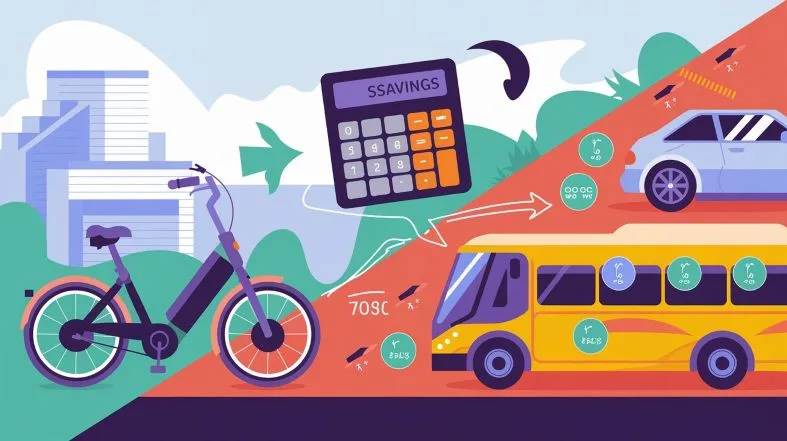
Figuring out how to calculate the total cost of owning an electric bike isn't just about looking at the price tag. Many riders underestimate the ongoing expenses that pile up over years of use. You need a clear framework to track energy, maintenance, and depreciation accurately.
Without it, you might think you're saving money when you aren't.
Our research indicates that electricity costs are negligible compared to vehicle wear. However, battery replacement can hit $1,000 within five years. We’ve built a step-by-step workflow to help you project these numbers.
Let’s break down the math so you know exactly what your commute really costs.
Quick Answer
To calculate the total cost of owning an electric bike, add purchase price to lifetime operational costs. Multiply annual mileage by energy rates per mile. Add scheduled maintenance fees for tires, chains, and brakes.
Factor in battery replacement cycles every 500-1,000 charges. Subtract estimated resale value from the sum. Divide by ownership duration in years for annual net cost.
The True Cost Isn’t Just the Sticker Price
Most buyers focus solely on the MSRP. That’s a mistake. The sticker price is only the entry fee.
Your actual cost includes everything from plugging it in to swapping out worn parts. Think of it like buying a house. The mortgage payment isn't the only bill you pay.
We define Total Cost of Ownership (TCO) as the sum of capital expenditure and operational expenditure over the asset's life. For e-bikes, this means tracking three distinct buckets. First, there’s the upfront cash outlay.
Second, there are recurring monthly or annual costs. Third, there are sporadic large expenses like battery swaps.
If you ignore any of these buckets, your estimate will be wrong. A cheap commuter bike might save you upfront but eat through brake pads faster due to heavier weight. Conversely, a premium model might have higher initial costs but lower maintenance needs thanks to belt drives.
The goal here is to normalize these varied costs into a single annual figure. This allows you to compare apples to apples. You’ll see if switching from a car to an e-bike actually saves money.
Or if upgrading to a mid-drive motor is worth the extra investment. It turns emotional buying decisions into logical financial ones.
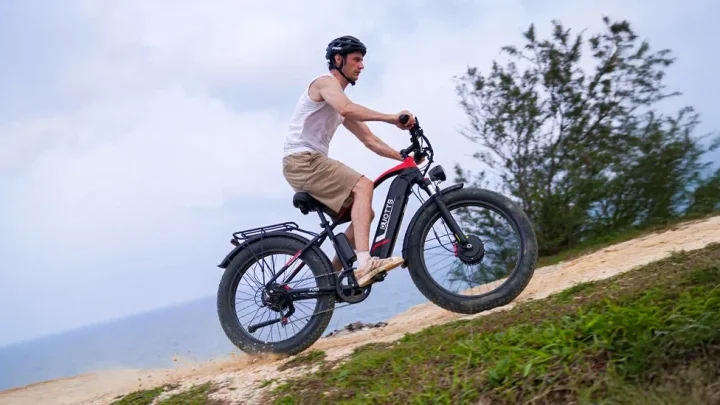
Image source: Web (Bing) / reightgoodbikes.co.uk (Web image (fair-use with source credit))
Step 1: Calculate Your Personal Energy Bill Per Mile
Electricity is the cheapest part of the equation, but it still adds up. You don’t need a complex meter to get a decent estimate. Start with your local utility rate.
Check your latest bill for the cents-per-kilowatt-hour (kWh) charge. As of 2026, average residential rates hover between $0.15 and $0.30 per kWh depending on location.
Next, determine your bike’s efficiency. Most manufacturers list range per charge. Divide the battery capacity (in Wh) by the rated range (in miles) to find watt-hours per mile.
For example, a 500Wh battery with a 25-mile rating uses 20Wh/mile. Convert this to kWh by dividing by 1,000. So, 20Wh becomes 0.02kWh.
Multiply your daily mileage by the kWh usage. Then multiply by your local rate. If you ride 10 miles a day, that’s 0.2kWh.
At $0.20/kWh, it costs four cents a day. Annualize this number. It likely won’t exceed $20-$50 for typical commuters.
Keep in mind that terrain affects consumption. Hills and wind increase drag. Cold weather reduces battery efficiency significantly.
In freezing temps, expect 20-30% less range. Adjust your calculations upward if you live in a northern climate. Don’t assume ideal lab conditions apply to your winter commute.
| Variable | Typical Range | Impact on Cost |
|---|---|---|
| Battery Size | 36V–48V (300–700Wh) | Larger batteries cost more to charge initially but offer longer range. |
| Efficiency | 10–25 Wh/mile | Higher resistance (tires/wind) increases Wh/mile. |
| Electricity Rate | $0.12–$0.35/kWh | Varies wildly by region and peak/off-peak hours. |
| Annual Mileage | 1,000–5,000 miles | Direct multiplier for total energy spend. |
Step 2: Budget for Scheduled Maintenance and Wear Items
Maintenance is where most owners get blindsided. E-bikes weigh more than acoustic bikes. They also travel faster.
This puts extra stress on consumable parts. You can’t rely on old bicycle habits alone.
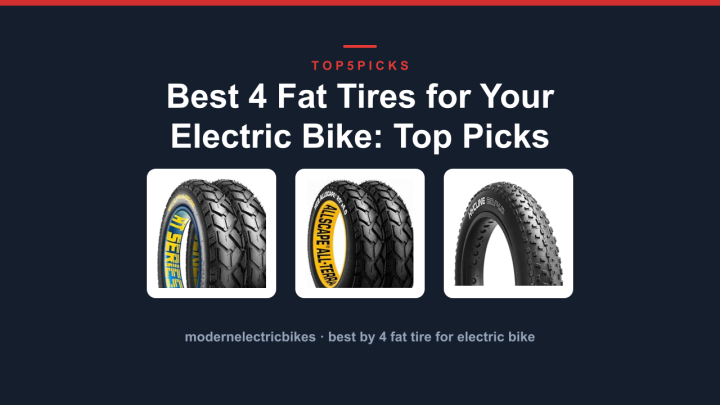
Start with tires. Heavy loads and high speeds cause faster tread wear. Expect to replace tires every 1,500 to 3,000 miles.
Quality commuter tires run $40, $80 each. Factor in labor if you don’t swap them yourself. Shop rates vary, but $20, $40 per visit is common.
Brakes take the next biggest hit. Disc brakes perform better in wet conditions but require regular pad replacements. Pads last anywhere from 1,000 to 5,000 miles depending on riding style.
Aggressive downhill braking shortens this lifespan dramatically. Hydraulic fluid changes should happen every two years. Budget $50, $100 annually for brake upkeep.
Drivetrain components wear out quicker under motor torque. Chains stretch faster than expected. Cassettes wear unevenly.
A standard chain lasts 1,500, 2,000 miles on an e-bike. Replacing it early saves the cassette later. Belt drives reduce this frequency but cost more upfront.
Don’t forget basic tune-ups. Bolts loosen from vibration. Bearings need greasing.
Annual professional service costs $50, $150. Skipping this leads to catastrophic failures. Small issues become expensive repairs if ignored.
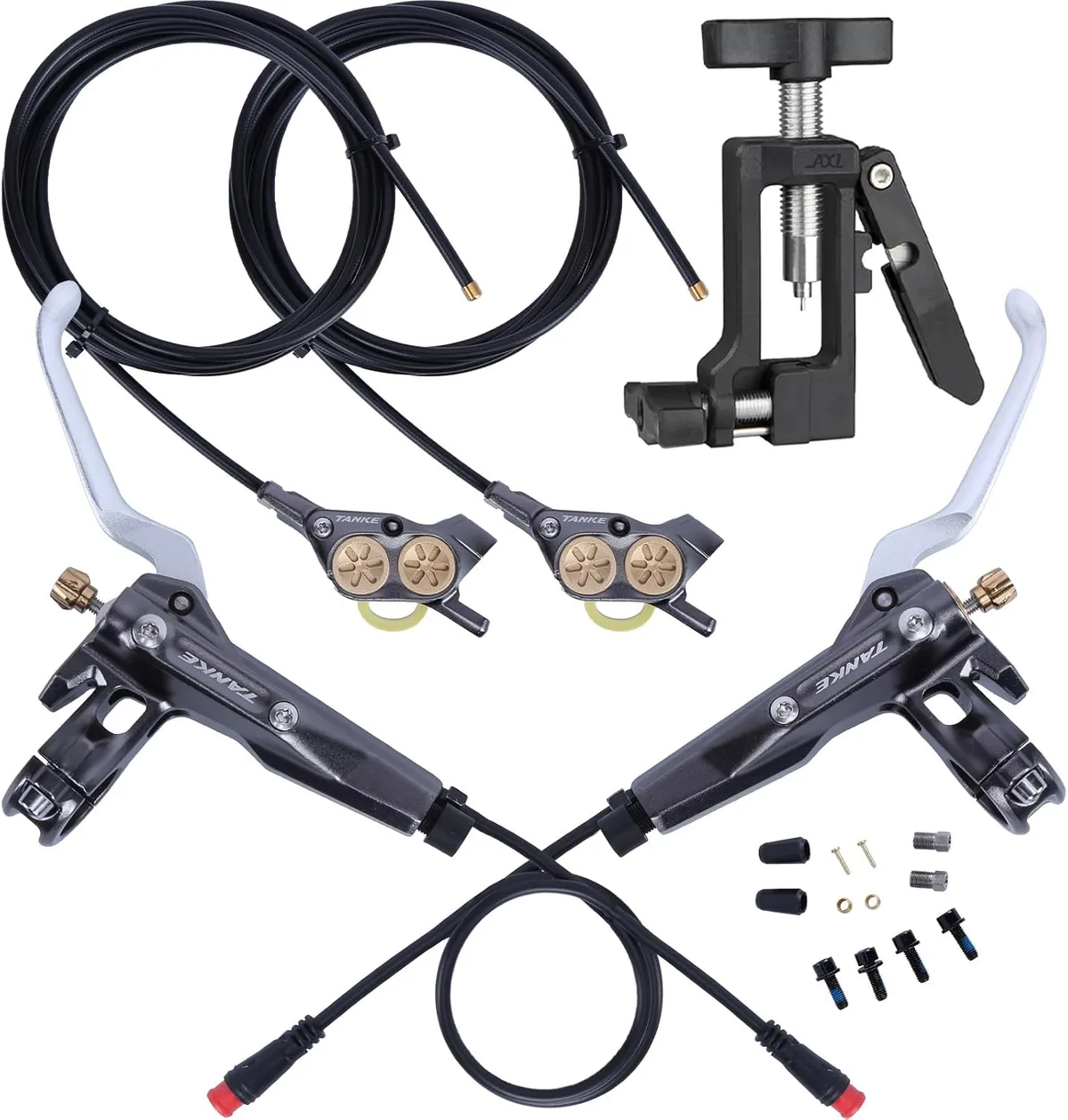
Image source: Web (Bing) / amazon.co.uk (Web image (fair-use with source credit))
Step 3: Account for Battery Degradation and Replacement Cycles
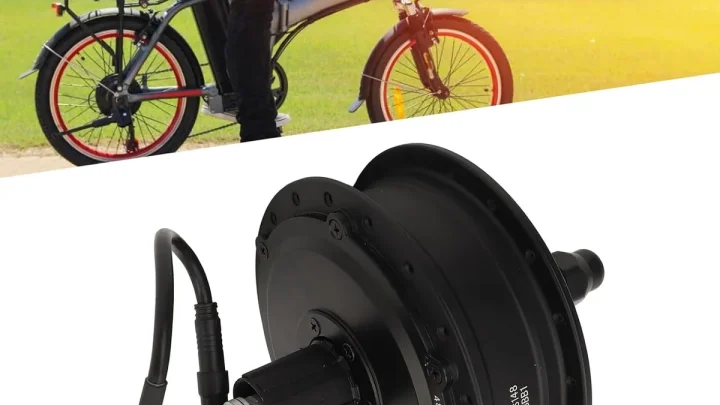
The battery is the heart of your e-bike. It’s also the most expensive component to replace. Lithium-ion cells degrade with every charge cycle.
Manufacturers typically guarantee performance until 500, 1,000 full cycles. After that, capacity drops noticeably.
Calculate your annual cycle count. Divide your yearly mileage by the bike’s rated range. If you ride 2,000 miles a year with a 25-mile range, that’s 80 cycles.
At 500 guaranteed cycles, the battery lasts roughly six years. Real-world degradation often starts earlier.
Replacement costs fluctuate. A new OEM battery ranges from $500 to $1,500. Third-party options exist but carry warranty risks.
Always check UL 2849 certification standards before considering non-OEM packs. Safety matters more than savings here.
Factor in storage effects too. Leaving a battery fully charged or depleted hurts longevity. Ideal storage is at 40, 60% charge.
If you store your bike for winter months without care, you shorten its life. Add a buffer of 10, 15% to your replacement timeline estimates.
Amortize the replacement cost over the battery’s expected life. If a battery costs $800 and lasts five years, that’s $160/year. Add this to your annual TCO calculation.
Ignore it, and you’re setting aside zero dollars for a major future expense.
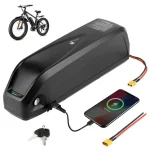
Image source: Bing (Web (fair-use with source credit))
Step 4: Factor in Insurance, Registration, and Hidden Fees
Many riders skip insurance assuming their homeowner policy covers theft. It rarely does. Dedicated e-bike insurance policies cost $100, $300 annually.
These cover theft, accident damage, and liability. Without coverage, a stolen bike is a total loss.
Check local registration laws. Some jurisdictions require license plates or tags for Class 3 speed pedelecs. Fees are usually minimal ($10, $50).
But ignoring them invites fines. Verify requirements with your local DMV or transportation department.
Hidden fees include accessories and security gear. You’ll need a heavy-duty lock. Good U-locks cost $50, $150.
GPS trackers add another $50, $100 plus subscription fees. Lights, racks, and fenders aren’t always included in the base price.
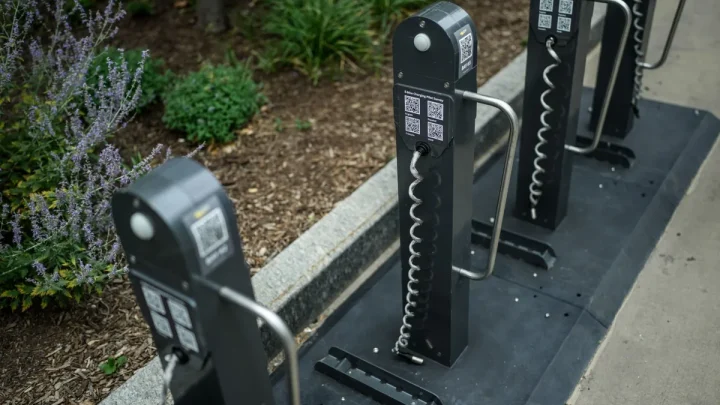
Storage solutions matter too. Apartment dwellers may need indoor charging stations or secure basements. Renting parking space specifically for a bike adds monthly costs.
Outdoor storage exposes the bike to weather, accelerating rust and sealant failure.
Include these miscellaneous items in your first-year budget. They set the stage for long-term usability. Underestimating security costs leads to risky behavior.
And risk leads to loss. Loss destroys your ROI calculation instantly.
Step 5: Subtract Resale Value to Find Net Ownership Cost
Your bike loses value every day. Knowing how much helps you understand true cost. Electric bikes depreciate faster than acoustic ones.
Technology moves quickly. Older models lack modern features.
Research current market listings for used versions of your chosen model. Sites like eBay or specialized forums provide data points. Generally, expect 20, 30% depreciation in year one.
Years two through five see slower declines of 10, 15% annually.
Condition plays a huge role. Well-maintained bikes fetch better prices. Keep receipts for all services.
Document upgrades like new tires or belts. Buyers trust sellers who prove care.
Subtract the projected resale value from your total accumulated costs. This gives you the net amount spent during ownership. If you buy a $2,000 bike and sell it for $1,000 after three years, your capital loss is $1,000.
Add operational costs to this figure.
Divide the final number by years owned. This yields your annual net cost. Compare this against public transit fares or gas prices.
That comparison reveals whether the switch makes financial sense for your specific situation.
Common Calculation Mistakes That Inflate Your Estimates
Many riders forget to account for labor costs. DIY fixes save money only if you have the right tools. Specialized e-bike diagnostics often require proprietary software.
Without it, you might misdiagnose a controller fault as a sensor issue. This leads to unnecessary part replacements.
Another error is ignoring tire pressure maintenance. Under-inflated tires increase rolling resistance significantly. This spikes energy consumption by up to 15%.
You’ll pay more in electricity than necessary. Check pressures weekly. It’s free and prevents wasted watts.
Overlooking local tax incentives is also common. Many states offer rebates for green transport. Federal credits may apply depending on income levels.
Failing to claim these inflates your net cost. Research available programs before finalizing your budget. The savings can offset a year of maintenance.
Finally, don’t assume all batteries degrade equally. Heat accelerates chemical breakdown. If you store your bike in a hot garage, lifespan shortens.
Adjust your replacement timeline downward accordingly. Cold storage preserves capacity but requires careful thawing protocols. Ignoring environmental factors skews long-term projections.
FAQ: Quick Answers on E-Bike TCO Variables
How much does it cost to charge an electric bike?
Charging costs are minimal. Most bikes use 0.02 to 0.05 kWh per mile. At average US rates, this equals one to three cents per mile.
Annual charging rarely exceeds $50 for typical commuters. Terrain and load affect efficiency slightly.
Do I need special insurance for my e-bike?
Standard homeowner policies often exclude high-value mobility devices. Dedicated e-bike insurance covers theft, damage, and liability. Premiums range from $100 to $300 annually.
Check your current policy exclusions first. Adding a rider endorsement might suffice for lower-class models.
How long do e-bike batteries actually last?
Manufacturer warranties typically cover 500 to 1,000 full cycles. Real-world usage varies based on depth of discharge. Expect noticeable capacity loss after three to five years.
Proper storage extends life. Avoid frequent deep discharges to maximize longevity.
Are maintenance costs higher than regular bikes?
Yes, primarily due to weight and speed. Brake pads wear faster. Chains stretch quicker under motor torque.
Professional service intervals should be shorter. Budget 20-30% more annually than acoustic bike upkeep. Belt drives reduce chain-related expenses significantly.
Can I calculate TCO without knowing my mileage?
No, mileage is the primary driver of variable costs. Estimate conservatively if unsure. Use work trips plus weekend rides.
Overestimating mileage yields safer budgets. Underestimating leaves you exposed to surprise repair bills. Track actual distance for the first month to refine data.
What is the biggest hidden cost of ownership?
Battery replacement is the largest single expense. It can equal half the original purchase price. Depreciation is another silent factor.
Resale markets fluctuate wildly. Secure storage prevents theft losses. These three items dominate long-term financial planning.
Final Recommendation / Verdict / Decision Guide
Use this workflow to build your personal baseline. Start with fixed costs like purchase price and taxes. Add variable estimates for energy and wear items.
Include a contingency fund for unexpected repairs. Subtract projected resale value to find net spend.
If your annual net cost is below public transit fares, the switch makes sense. Compare against car operating costs too. Gas, parking, and insurance often exceed e-bike totals.
For most urban commuters, the break-even point arrives within two years. Rural users face different math due to longer distances.
Adjust inputs based on your specific terrain. Hilly regions demand more power and battery stress. Flat cities allow efficient hub motors.
Choose components that match your environment. Don’t overspecify for flat routes. Save capital for quality locks and lights instead.
Review your calculations annually. Electricity rates change. Maintenance needs evolve with age.
Update your model each spring. This keeps your financial picture accurate. Trust the process, not just the sticker price.
Smart ownership starts with honest math.

Similar Posts