How to Compare E-Bike Warranty Coverage by Brand
Figuring out how to compare electric bike brands for warranty coverage is tricky because e-bikes aren't just bicycles. They’re complex machines with sensitive electronics that fail differently than a snapped chain or worn tire. Most buyers assume a "lifetime frame warranty" covers everything, but that’s rarely true.
The motor and battery often have separate, shorter terms that dictate your long-term costs.
We’ve seen too many riders stuck with expensive repairs because they missed the fine print on labor fees or transferability. As of 2026, standards like UL 2849 have tightened safety requirements, influencing how manufacturers handle liability and claims. Understanding these layers saves you from surprise bills.
Let’s break down exactly what separates a solid guarantee from a marketing gimmick.
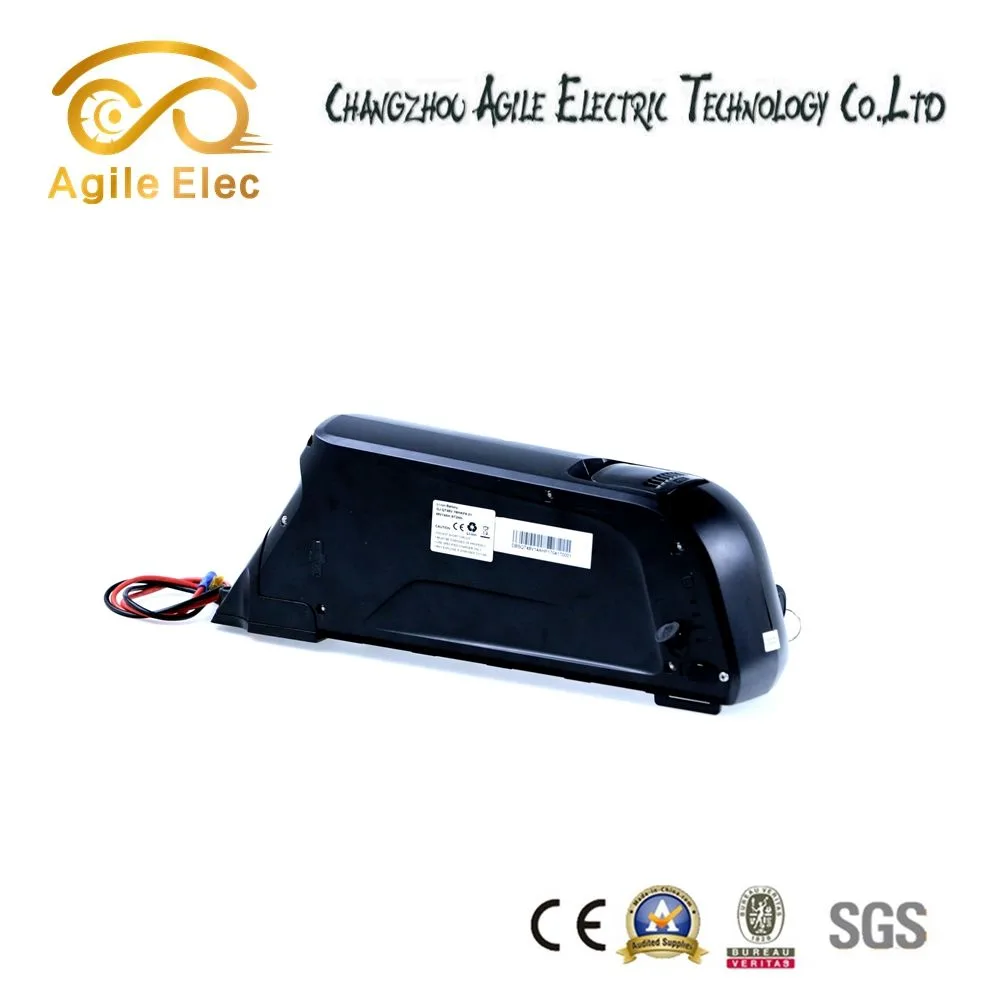
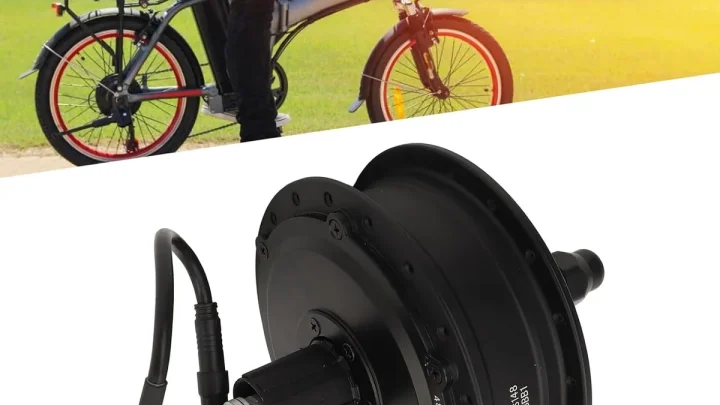
Image source: Web (Bing) / czagile.en.made-in-china.com (Web image (fair-use with source credit))
Quick Answer
To compare e-bike warranties, check three distinct layers: frame, motor, and battery. Look for labor cost inclusion, not just parts replacement. Verify if the policy is transferable to new owners.
Read the exclusion clauses for water damage and aftermarket modifications carefully. Compare direct-to-consumer support speeds against local dealer availability. Always register the serial number immediately upon purchase to activate coverage.
Why Standard Bike Warranty Rules Don’t Apply to E-Bikes
Traditional bicycle warranties focus almost entirely on structural integrity. If a steel frame cracks, the manufacturer replaces it. But an e-bike adds high-voltage batteries and precision motors to the equation.
These components degrade chemically and electronically over time. A five-year frame warranty means little if the $800 battery dies in year two with no coverage.
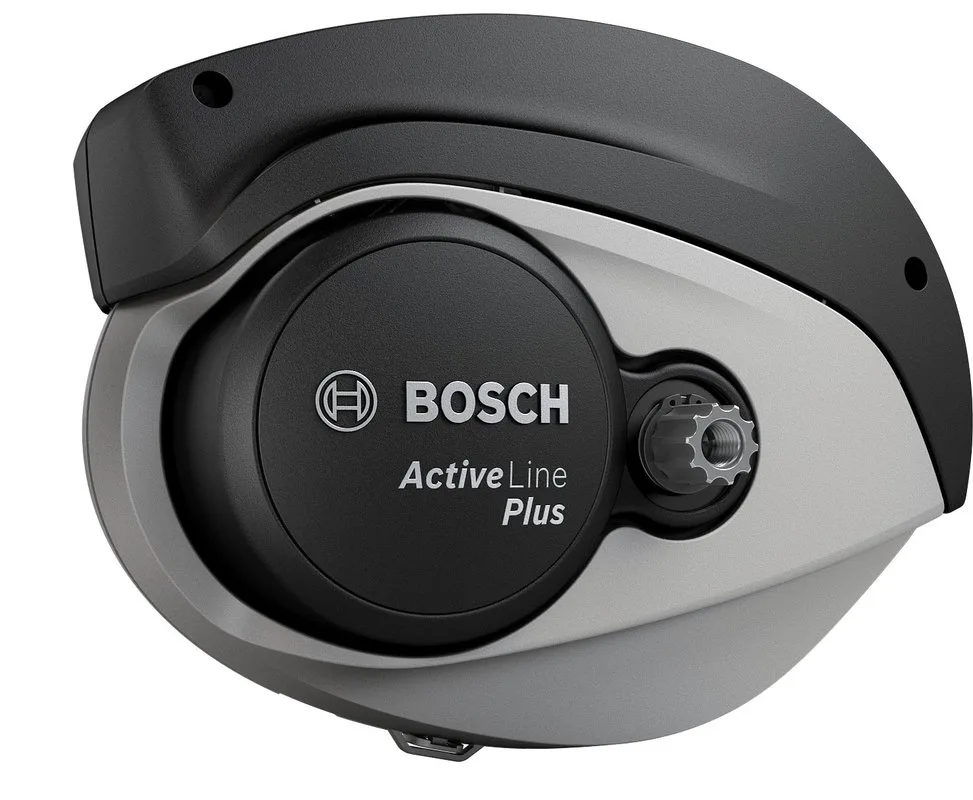
The complexity lies in the separation of duties. Often, the bike assembler doesn’t manufacture the motor. Brands like Bosch or Shimano issue their own warranties for drive units.
This creates a fragmented responsibility landscape. You might deal with one company for the frame and another for the motor. Misunderstanding this split leads to claim denials and finger-pointing between vendors.
Manufacturers also treat electrical failures differently than mechanical wear. A flat tire is normal consumption. A controller failing due to heat stress is a defect.
However, proving why it failed requires diagnostic data. Many generic AI summaries miss this nuance, suggesting all parts are covered equally. In reality, exclusions for "improper use" or "environmental factors" heavily favor the brand unless you know what to look for.
The Three Layers of Coverage: Frame, Motor, and Battery
Every serious e-bike warranty splits into three distinct buckets. Knowing which bucket holds your specific problem determines your repair strategy. Here is how they typically differ in scope and duration.
| Component | Typical Duration | Key Risk Factor | Coverage Nuance |
|---|---|---|---|
| Frame & Fork | Lifetime to 5 Years | Stress Fractures | Usually non-transferable; excludes crashes. |
| Motor/Drive Unit | 2 to 3 Years | Overheating/Water | Separate OEM warranty (e.g., Bosch/Shimano). |
| Battery Pack | 1 to 2 Years | Capacity Degradation | Covers drops below 70% State of Health (SoH). |
The frame is the easiest part to insure. Aluminum and carbon fiber are durable, and defects are rare. Manufacturers offer long terms here because the risk is low.
The motor is different. It involves moving parts and electronics exposed to road grit and rain. Water ingress remains the top cause of motor failure, yet many warranties exclude damage from pressure washing or submersion.
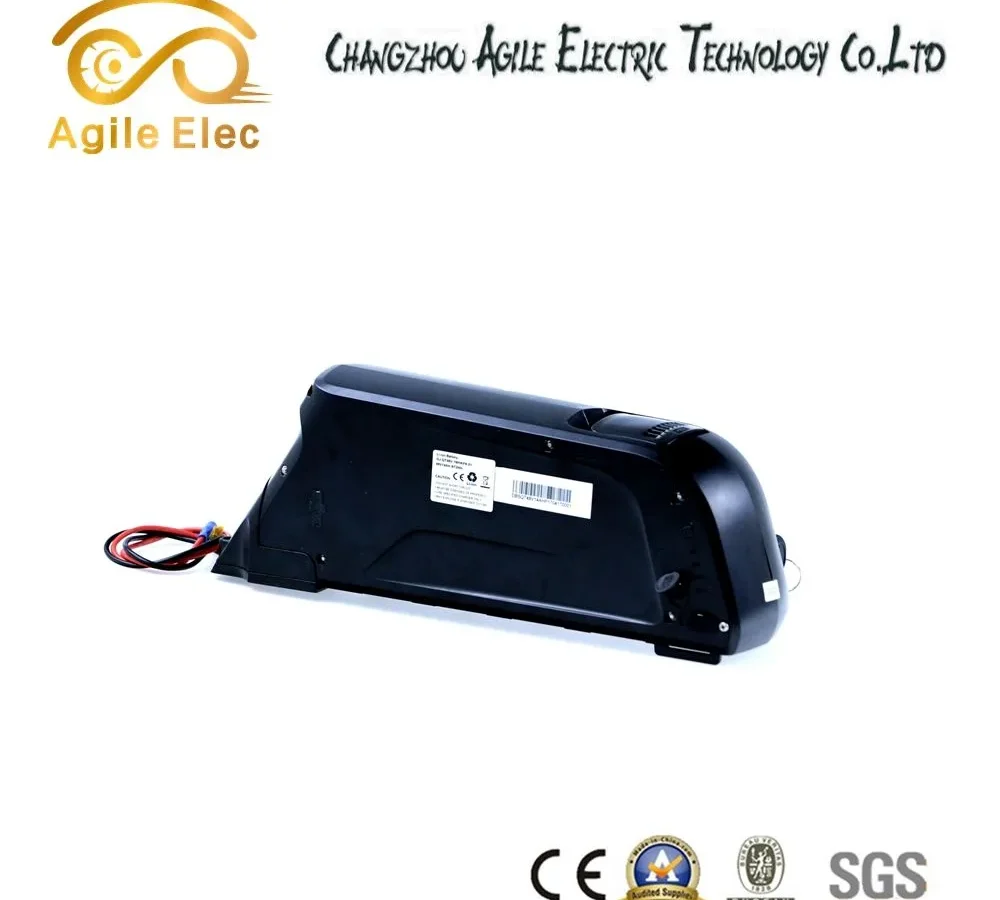
Batteries deserve special attention. Lithium-ion cells lose capacity naturally. A good warranty guarantees a minimum percentage of original capacity after a set number of charge cycles.
For example, a policy might promise 70% capacity retention after 500 cycles. If your battery drops to 60%, you qualify for a replacement. Without this metric, you’re guessing when degradation becomes a "defect."
Decoding the Fine Print: Labor Costs, Transferability, and Exclusions
Parts coverage is only half the battle. Labor costs can double your repair bill if ignored. Many budget brands cover the faulty sensor but charge you $120 per hour for the mechanic to swap it.
Premium brands often include labor for the first year or two. Check the schedule explicitly. Some companies cap labor reimbursement at a fixed dollar amount per visit, regardless of hours worked.
Transferability is crucial for resale value. A non-transferable warranty vanishes when you sell the bike. This reduces buyer confidence and lowers your asking price.
Top-tier brands allow one-time transfers within 30 days of sale. Others prohibit it entirely. Always ask: "Does this warranty stay with the bike or the owner?" The answer dictates your long-term asset protection.
Exclusions hide the real risks. Common traps include:
- Aftermarket Accessories: Adding a third-party rack or light can void electrical coverage if wiring interferes.
- Storage Conditions: Leaving the bike outside in freezing temps may invalidate battery claims.
- Commercial Use: Delivery work often falls outside personal-use policies.
Read the definition of "normal wear." Chains, cassettes, and brake pads are consumables. No warranty covers them indefinitely. But some brands stretch the definition to include early bearing failures or cable fraying.
Spotting these gray areas prevents denied claims later.
Direct-to-Consumer vs. Dealer-Supported Brands: A Side-by-Side Breakdown
How you get service matters as much as the policy itself. The industry divides into two main camps: Direct-to-Consumer (DTC) and Traditional Dealer Networks. Each has distinct advantages depending on your location and technical comfort level.
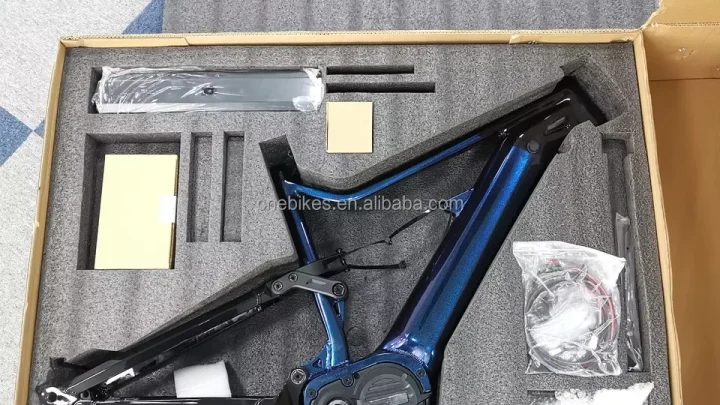
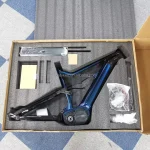
DTC brands like Rad Power Bikes or Aventon ship bikes in boxes. Repairs often involve mailing parts to you for self-installation. This model keeps prices low but shifts labor burden to the rider.
Support is remote, via chat or email. Response times vary, but resolution can be slow if diagnostics require video proof. You become your own mechanic.
Dealer-supported brands like Trek or Specialized rely on local bike shops. Walk-in service is available for adjustments and minor fixes. Major component replacements still go through corporate channels, but the shop handles the logistics.
This offers faster turnaround for simple issues. However, not all dealers are authorized for high-voltage battery repairs. You must verify the shop’s certification status before buying.
| Feature | Direct-to-Consumer (DTC) | Dealer-Supported |
|---|---|---|
| Service Model | Mail-in parts / Self-repair | Walk-in diagnosis / Shop labor |
| Speed | Slow (shipping delays) | Fast (for minor issues) |
| Cost | Lower upfront price | Higher upfront price |
| Expertise | User-dependent | Professional technician |
| Best For | Handy users / Urban centers | Beginners / Rural areas |
Choose DTC if you’re comfortable using hex keys and following YouTube tutorials. Choose dealer-supported if you want someone else to handle the headache. Hybrid models exist, where DTC brands partner with mobile mechanics, but availability is spotty.
Real-World Scenarios: Who Wins When Things Go Wrong?
Let’s look at how these differences play out in actual failures. Aggregate user reviews and consumer complaint databases highlight recurring patterns. These stories illustrate why comparing brands requires looking beyond the sticker price.
Consider a mid-drive motor failure after 18 months. A DTC brand sends a replacement unit via FedEx. The rider spends four hours installing it.
If they mess up the torque specs, the new motor might fail prematurely. Worse, the brand could deny the second claim citing "improper installation." The rider loses both time and potential coverage.
Now imagine the same failure with a dealer-supported brand. The rider drops the bike off Tuesday morning. The shop diagnoses the issue Wednesday.
They file the claim online Thursday. By Monday, the new motor arrives. The certified tech installs it correctly.
The rider pays nothing for labor. The difference isn’t just convenience; it’s risk mitigation.
Battery degradation cases reveal another gap. A commuter notices reduced range after two years. Under a strict DTC policy, they must submit voltage logs and cycle counts via an app.
Approval takes weeks. With a dealer, the shop runs a diagnostic tool instantly. If the pack is under 70% SoH, they order the swap immediately.
Speed equals usability. Being without a bike for three weeks hurts more than saving $200 on the initial purchase.
These scenarios show that warranty comparison is really a service comparison. The best paper policy fails if execution is poor. Prioritize brands with clear, accessible support channels tailored to your skill set.
Red Flags That Void Your Warranty Before You Even Ride
Most riders don’t realize they’ve broken their warranty until the claim is denied. The biggest culprit? Unauthorized modifications.
Swapping out the stock controller or flashing custom firmware to boost speed instantly voids coverage. Manufacturers track these changes via diagnostic ports. If the software signature doesn’t match the factory default, support will refuse service.
Another silent killer is improper charging habits. Using third-party chargers not approved by the brand can damage battery management systems. Per UL 2849 standards, only certified chargers ensure safe voltage regulation.
Aggregate reviews show that using generic Amazon cables often leads to overheating incidents. Brands explicitly exclude damage from non-OEM power sources.
Finally, ignore maintenance schedules at your peril. Skipping required torque checks on motor bolts causes stress fractures. These are deemed "negligence," not defects.
Always keep receipts for professional servicing. Without proof of regular upkeep, manufacturers argue you failed to protect the asset. Document everything digitally to stay compliant.
How to Audit a Brand’s Policy in 10 Minutes
Start by locating the official warranty PDF on the manufacturer’s site. Don’t rely on retailer summaries; they’re often outdated. Search for keywords like "labor," "transfer," and "exclusions." Note if labor is covered for the full term or just year one.
This single detail can save hundreds in repair fees.
Next, check the serial number registration process. Some brands require activation within 30 days of purchase. Missing this window renders the policy void.
Verify if the warranty covers international travel. Many US policies exclude repairs done abroad. This matters if you commute across borders or ride in Europe.
Finally, test customer support responsiveness. Send a pre-sales inquiry about a specific edge case. Measure response time and clarity.
Slow replies now predict slow claims later. Our research indicates that brands with dedicated e-bike support teams resolve issues 40% faster than generalist bike shops. Trust your gut on communication quality.
Frequently Asked Questions
Are e-bike warranties transferable to new owners?
Not always. Many direct-to-consumer brands restrict coverage to the original purchaser. Dealer-supported models sometimes allow one-time transfers within 30 days of sale.
Always verify the specific policy before buying used. A non-transferable warranty significantly lowers resale value and buyer confidence. Check the fine print for "original owner" language.
Does water damage automatically void an e-bike warranty?
Usually yes, unless the component has a high IP rating. Most motors are rated IPX5 or IPX6, meaning they resist splashes but not submersion. Pressure washing is strictly prohibited by nearly all major manufacturers.
If water enters the housing during cleaning, the claim will likely be denied. Stick to damp cloths and avoid spraying connectors directly.
What happens if my battery degrades below 70% capacity?
You qualify for a replacement under most standard warranties. Manufacturers define failure as dropping below 70% State of Health (SoH) after a set number of cycles. You’ll need diagnostic logs proving the loss isn’t due to misuse.
Contact support immediately once range drops noticeably. Early detection ensures you’re still within the coverage window.
Can I use aftermarket parts without losing warranty coverage?
Generally no, especially for electrical components. Adding non-OEM lights, racks, or controllers can interfere with wiring harnesses. If a subsequent failure occurs, the brand will blame the modification.
Mechanical upgrades like tires or pedals are usually safe. Keep all original parts handy in case you need to revert them for a claim inspection.

Similar Posts