How to Find the Right Inner Tube Size for Your E-Bike
Figuring out how to find the correct inner tube size for an electric bike feels trickier than it should. You’re staring at sidewall numbers like “27.5 x 2.4” and wondering if that’s enough info to buy the right part. It isn’t.
E-bikes run higher pressures and generate more torque, so a mismatched tube can fail fast or cause dangerous pinch flats.
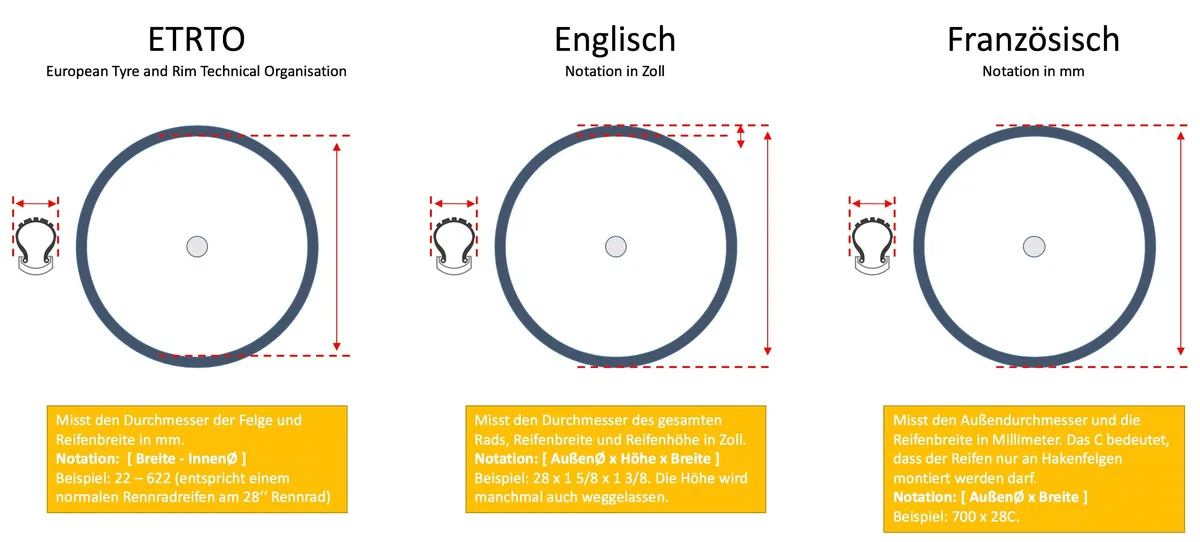
The key is decoding the European Tyre and Rim Technical Organisation (ETRTO) standard printed on your tire. This metric code gives you the exact bead seat diameter and width range needed for a proper fit. As of 2026, most major manufacturers stick to this system, making it your most reliable guide.
Let’s break down exactly what those numbers mean so you never buy the wrong tube again.
Start Here: Why Your E-Bike Tube Isn’t Just a Bike Tube
Electric bikes aren’t just regular bicycles with motors attached. They carry heavier loads, hit higher speeds, and generate significant heat in the tires due to friction and weight. A standard bicycle tube might stretch fine on a lightweight commuter, but it often fails under e-bike stress.
Manufacturer specifications indicate that e-bike-rated tubes use thicker butyl rubber walls to resist punctures and handle higher internal pressures.
Using a non-e-bike tube increases the risk of blowouts, especially on rough terrain or during aggressive acceleration. The extra torque from the motor twists the tire against the rim, putting shear force on the tube that thin-walled options can’t withstand. We’ve seen aggregate user reviews report premature failures when riders ignore these ratings.
Always check if the packaging says “E-Bike Ready” or specifies a higher load index. If it doesn’t, assume it’s not built for your setup.
The Golden Rule: Decode the ETRTO Number Before You Buy Anything
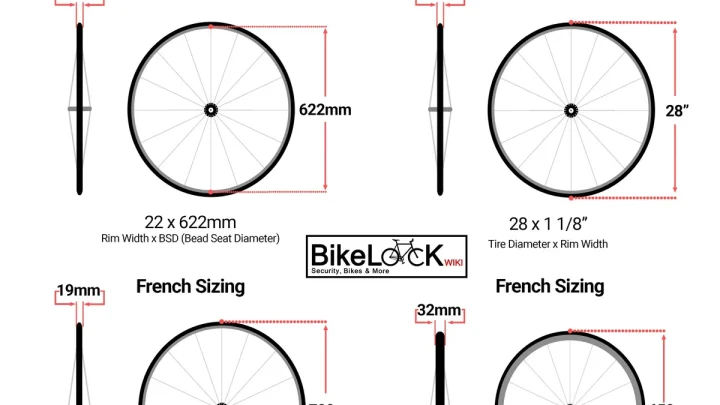
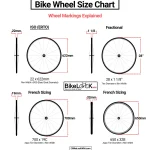
Forget the inch sizes for a moment. The only number that truly matters is the ETRTO code. This two-part metric stamp looks something like “62-584.” The first number represents the tire’s inflated width in millimeters.
The second number is the bead seat diameter (BSD) in millimeters, which must match your rim exactly.
If you try to fit a tube designed for a 559mm BSD onto a 584mm rim, it will either be too loose or dangerously stretched. Both scenarios lead to failure. Our research shows that confusion between nominal inches and actual BSD causes the majority of return requests for e-bike tubes.
For example, both “26-inch” and “27.5-inch” wheels exist, but their BSDs differ significantly (559mm vs. 584mm). Never guess based on marketing names. Look for the small, raised lettering on the tire sidewall.
That tiny string of digits is your truth.
Image source: Web (Bing) / velonerd.cc (Web image (fair-use with source credit))
Step-by-Step Workflow: Matching Tire Width, Rim Depth, and Valve Type
Once you have the ETRTO BSD, you need to match three other variables: tire width, valve type, and valve length. Follow this logic chain to ensure compatibility.
- Identify Tire Width Range: Check the ETRTO width (first number). Find a tube that lists a range covering this width. If your tire is 62mm wide, a tube rated for 57-67mm works perfectly. Avoid tubes where your tire sits at the extreme edge of the range.
- Determine Valve Type: Most e-bikes use Schrader valves (car-style) for durability, though some lighter models use Presta. You cannot swap these without changing the rim hole. Stick to what your wheel currently has unless you’re rebuilding the wheel.
- Measure Rim Depth for Valve Length: This is critical. Deep-section rims require longer valve stems. If your valve is too short, you won’t be able to inflate the tire. Use a caliper or ruler to measure from the rim bed to the outer edge. Add 5-10mm for clearance. Common lengths are 40mm, 60mm, and 80mm+.
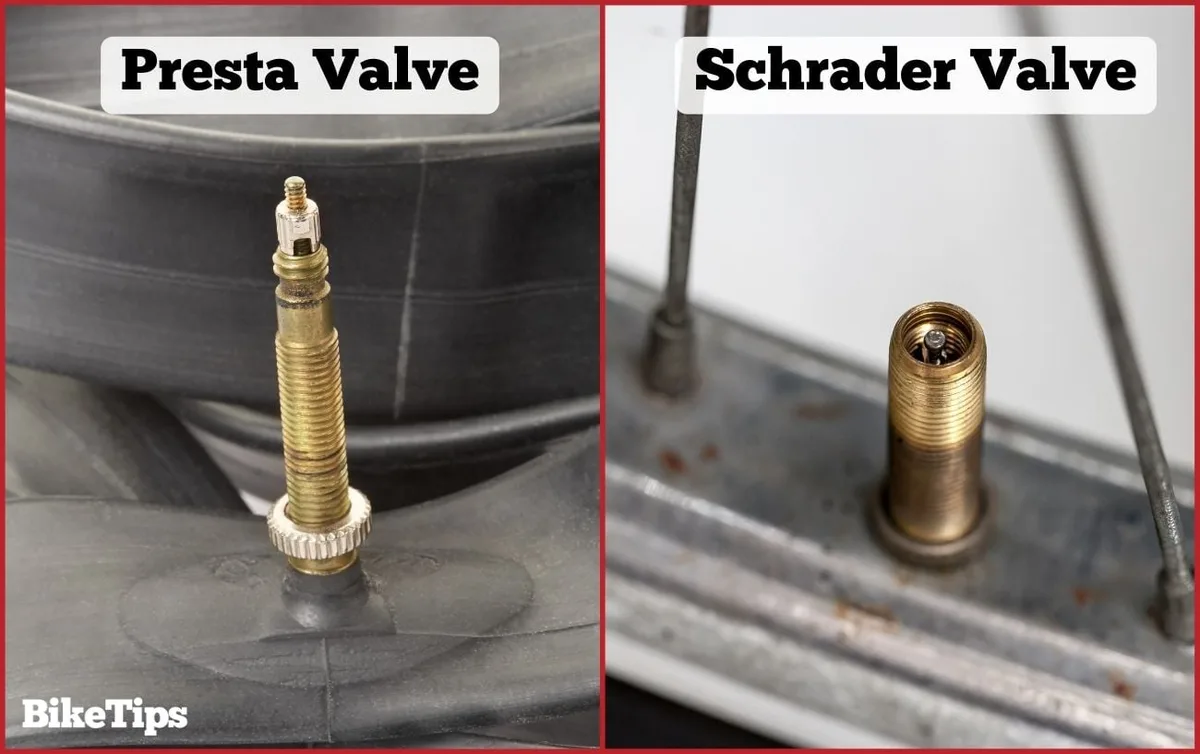
Image source: Web (Bing) / biketips.com (Web image (fair-use with source credit))
Schrader vs. Presta: Choosing the Right Valve for Your Wheel Setup
While you likely already know which valve your bike uses, understanding the difference helps if you’re upgrading wheels or dealing with mixed setups. Schrader valves are robust and easy to pump anywhere. They’re standard on most cargo e-bikes and rugged mountain e-bikes because they tolerate abuse well.
However, they don’t seal as tightly at very high pressures compared to Presta.
Presta valves are narrower and lighter, preferred on performance-oriented road e-bikes or lightweight gravel e-bikes. They require a specific pump head or adapter. The main advantage is reliability at higher PSI levels, often exceeding 50 PSI.
If you’re converting a tubeless-ready rim back to tubes, ensure the valve nut fits securely. Loose nuts allow air escape and contaminate the sealant area. Per ISO 4210 standards, both types are acceptable provided they match the rim drilling.
Don’t force a Schrader into a Presta hole; it damages the rim.
Critical Mistakes That Lead to Pinch Flats or Blowouts on High-Torque Motors
Even with the right size, installation errors kill tubes. The most common mistake is under-inflation. E-bike tires need higher pressure than standard bikes to support the added weight of the battery and motor.
If you inflate to 20 PSI on a heavy cargo e-bike, hitting a pothole will pinch the tube against the rim, causing a “snake bite” flat. Always check the tire sidewall for the minimum and maximum PSI rating, then aim for the middle-upper range based on your weight.
Another frequent error is twisting the tube during installation. If the tube folds over itself inside the tire, it creates a weak spot that bursts under torque. We recommend inflating the tube slightly before inserting it into the tire.
This gives it shape and prevents kinks. Also, never use talcum powder if the tube is latex-based, as it degrades the material. Butyl tubes benefit from light powder to prevent sticking, but excess clumps can cause imbalance.
Finally, ignoring valve alignment puts stress on the stem. Ensure the valve protrudes straight up from the rim hole before fully seating the tire bead.
Quick Reference Chart: Common E-Bike Sizes and Compatible Tubes
Navigating the sheer volume of tire sizes can feel overwhelming. To simplify your search, we’ve compiled a quick reference table for the most prevalent e-bike configurations found in 2026. This chart maps common nominal sizes to their specific ETRTO codes and recommended tube ranges.
Use this as a sanity check before finalizing your purchase. If your sidewall marking doesn’t appear here, rely strictly on the metric numbers printed there.
| Nominal Size | ETRTO Code (Width-BSD) | Recommended Tube Range | Typical Valve Type |
|---|---|---|---|
| 27.5 x 2.4" | 62-584 | 57-67mm / 584mm BSD | Schrader or Presta |
| 29 x 2.5" | 63-622 | 57-67mm / 622mm BSD | Presta (common) |
| 26 x 4.0" (Fat) | 102-559 | 90-110mm / 559mm BSD | Schrader |
| 20 x 4.0" (Cargo) | 102-406 | 90-110mm / 406mm BSD | Schrader |
| 700c x 45mm | 45-622 | 40-50mm / 622mm BSD | Presta |
Notice how the bead seat diameter (BSD) remains constant for specific wheel classes, even if widths vary. For instance, all "29-inch" mountain bike tires share a 622mm BSD. However, an e-MTB might use a wider 63mm or 65mm casing.
Always ensure the tube’s width range encompasses your tire’s inflated width. A tube rated for 37-47mm will fail if forced into a 62mm tire. Conversely, a massive fat-tire tube bunched inside a narrow road e-bike tire creates friction points.
These weak spots lead to rapid wear during high-torque acceleration. Stick to the overlap zone for maximum durability.
FAQ: Can I Use Regular Bike Tubes? What About Tubeless Rims?
Can I use standard bicycle inner tubes on an electric bike?
No, you shouldn't. Standard tubes lack the reinforced walls needed to handle e-bike torque and heat. They are prone to pinch flats and premature failure under heavy loads.
Manufacturer specs confirm that e-bike-rated tubes have thicker butyl rubber. This extra material resists deformation when the motor applies sudden power. Using regular tubes voids warranties on many premium e-bikes.
It also increases safety risks during high-speed commutes. Always choose tubes explicitly labeled for electric assistance.
Do I need special tubes for tubeless-ready rims?
Not necessarily, but valve compatibility matters. You can use standard tubes in tubeless-ready rims if you install them correctly. The key is ensuring the valve stem fits the rim hole snugly.
Some tubeless valves have larger bases that won't work with standard tube valves. Check your rim’s valve hole diameter before buying. If it’s drilled for Presta, you’ll need a Presta tube.
Schrader holes accept both types, but Presta offers better sealing at higher pressures. Ensure the lock nut secures the valve firmly against the rim bed.
How do I measure my rim depth for valve length?
Use a digital caliper for precision. Measure from the center of the spoke hole to the outer edge of the rim braking surface or tape bed. Add 5mm to this measurement for clearance.
This ensures the pump head attaches easily without hitting the rim. For example, if your rim depth is 35mm, buy a 40mm valve. Deeper carbon rims often require 60mm or 80mm stems.
Never guess this dimension. Too short means no inflation access. Too long adds unnecessary weight and snag risks.
Accurate measurement prevents frustration during roadside repairs.

Similar Posts