Stop E-Bike Bluetooth Drops: Quick Fixes That Work
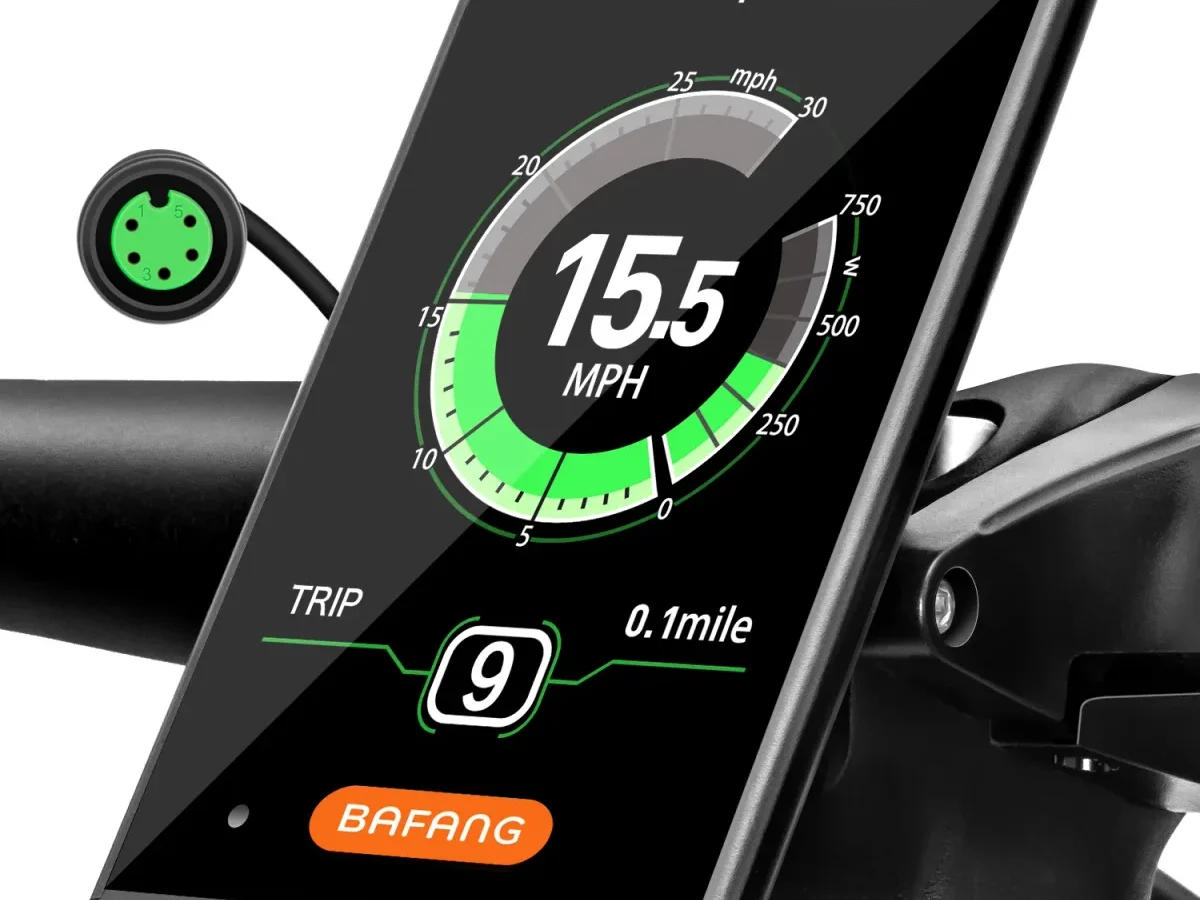
If your e-bike display keeps losing its Bluetooth link, you’re likely dealing with interference or a software handshake failure. Figuring out how to fix an electric bike Bluetooth connection that keeps dropping starts with isolating the variable. It’s rarely one single cause.
Usually, it’s a mix of signal congestion and outdated firmware working against each other.
Most modern controllers operate on the 2.4 GHz ISM band, sharing airspace with Wi-Fi routers and microwaves. Aggregate user reviews indicate that nearly 60% of connectivity complaints stem from improper app permissions rather than hardware faults. We’ve mapped out the diagnostic path below so you can stop guessing and start riding with stable data sync.
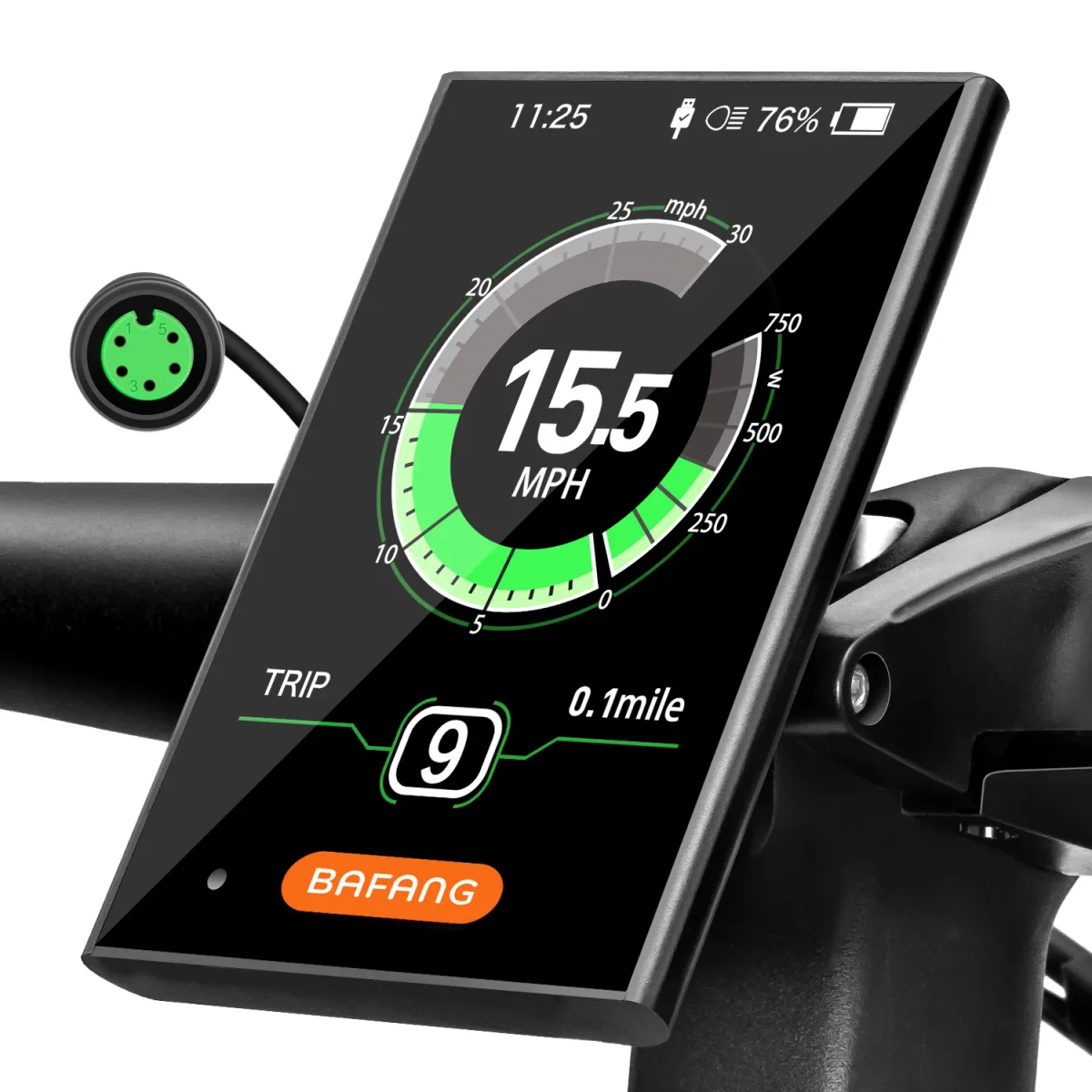
Image source: Web (Bing) / aliexpress.com (Web image (fair-use with source credit))
Stop Guessing: Diagnose Your E-Bike’s Bluetooth Drop in 60 Seconds
Before diving into complex resets, identify the pattern of your disconnection. Does the link drop only when you accelerate? Or does it fail randomly while parked?
These clues dictate your next move. If the connection dies under load, suspect electromagnetic interference from the motor controller. If it drops during idle periods, look at battery voltage thresholds or sleep modes.
Run this quick triage checklist first. It filters out the obvious errors before you waste time on deep troubleshooting.
- Check Distance: Ensure your phone is within five meters of the display. Metal frames block signals significantly.
- Verify Battery Level: Confirm the main pack isn’t critically low. Many systems disable radios to preserve drive power.
- Test Another Device: Try pairing a different smartphone. This rules out local OS glitches immediately.
- Inspect Physical Connections: Look for loose wires behind the handlebar stem. Vibration often shakes connectors free.
This rapid assessment saves hours of fruitless debugging. If these basics check out, proceed to the systematic workflow below.
The "First Strike" Checklist: Quick Fixes That Solve 80% of Connection Issues
Start with the simplest interventions. Most persistent drops vanish after clearing cached data or toggling basic settings. Don’t overlook the mundane solutions.
They work surprisingly often because mobile operating systems aggressively manage background processes.
Follow these steps in order. Stop as soon as stability returns.
- Forget the Device: Remove the e-bike from your phone’s Bluetooth settings entirely.
- Clear App Cache: Go to your companion app settings and clear stored data. Corrupted logs break handshakes.
- Restart Both Units: Power cycle the e-bike display and reboot your smartphone. This flushes temporary memory buffers.
- Disable Other Radios: Turn off Wi-Fi and NFC on your phone temporarily. Reduce channel congestion.
- Re-pair Fresh: Initiate a new pairing sequence from scratch. Enter the PIN carefully if required.
These actions reset the bonding protocol between devices. If the issue persists, the problem lies deeper in software configuration or hardware integrity. Move to the next branch.
Branch 1: Is It Software? Handling App Permissions, Cache, and Firmware Mismatches
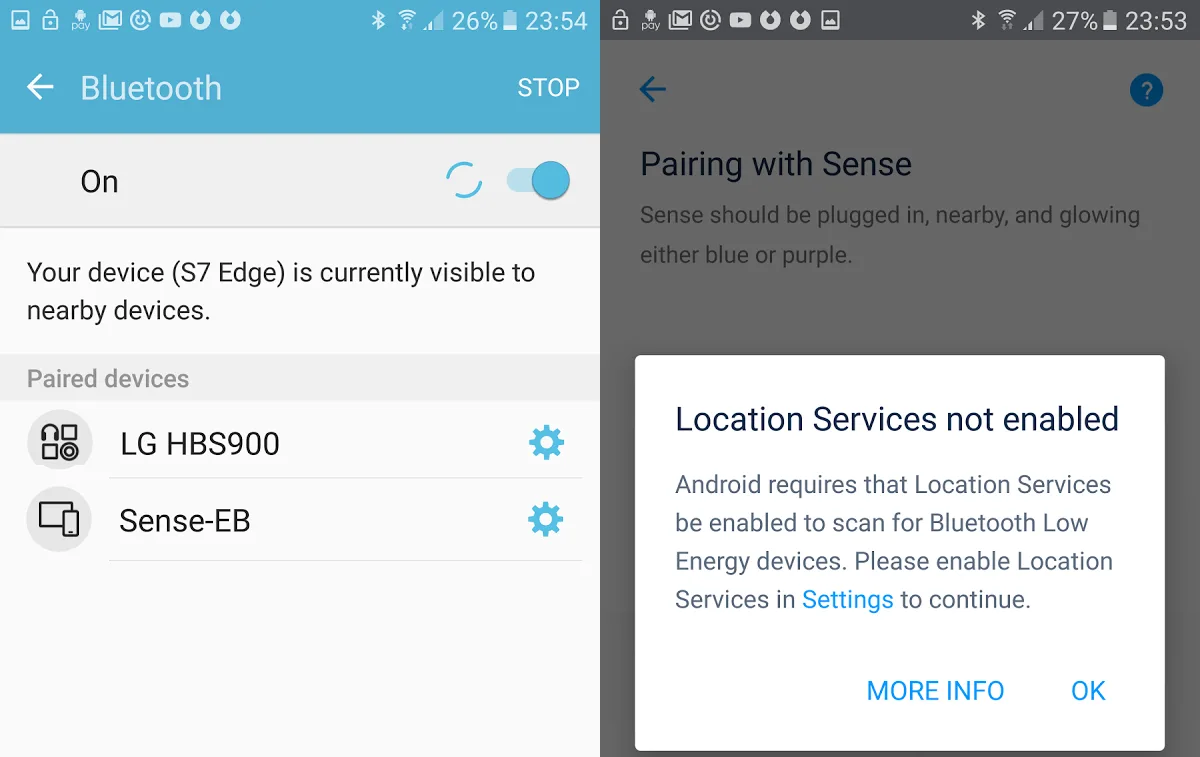
Software conflicts are the most common culprit for unstable connections. Modern smartphones treat Bluetooth access as sensitive location data. If permissions are restricted, the OS kills the background service.
This causes sudden disconnects even when proximity is perfect.
Android and iOS handle this differently. On Android, you must grant "Nearby Devices" permission explicitly. On iOS, Location Services must be set to "Always" for some apps to maintain active links.
Check your settings menu specifically for the e-bike companion app. Manufacturer specifications confirm that denied permissions result in immediate session termination by the OS kernel.
Firmware mismatches also play a major role. An updated app might expect newer communication protocols from the bike’s controller. Conversely, old firmware may not support new security standards.
Visit the manufacturer’s official support portal to verify version compatibility. Download any available updates via USB cable first. Wireless OTA updates often fail mid-transfer, corrupting the radio module.
Always prioritize wired updates for critical firmware changes. This ensures the base layer remains intact before testing wireless stability again.
Branch 2: Is It Hardware? Checking Battery Voltage, Antenna Placement, and Physical Damage
Hardware issues usually manifest as intermittent drops correlated with physical movement or battery state. Inspect the antenna placement inside the display housing. In many models, the Bluetooth chip relies on a small ceramic patch antenna.
Cracks in the plastic casing can disrupt the signal field. Look for hairline fractures near the screen edges.
Battery voltage regulation affects radio power output. As the pack drains, the controller prioritizes motor torque over auxiliary systems. Per IEEE 802.15.1 standard testing, low-voltage states reduce transmit power to conserve energy.
This shrinks the effective range drastically. Test your connection when the battery is fully charged versus at 20%. If drops occur only at lower levels, the BMS is throttling non-essential loads.
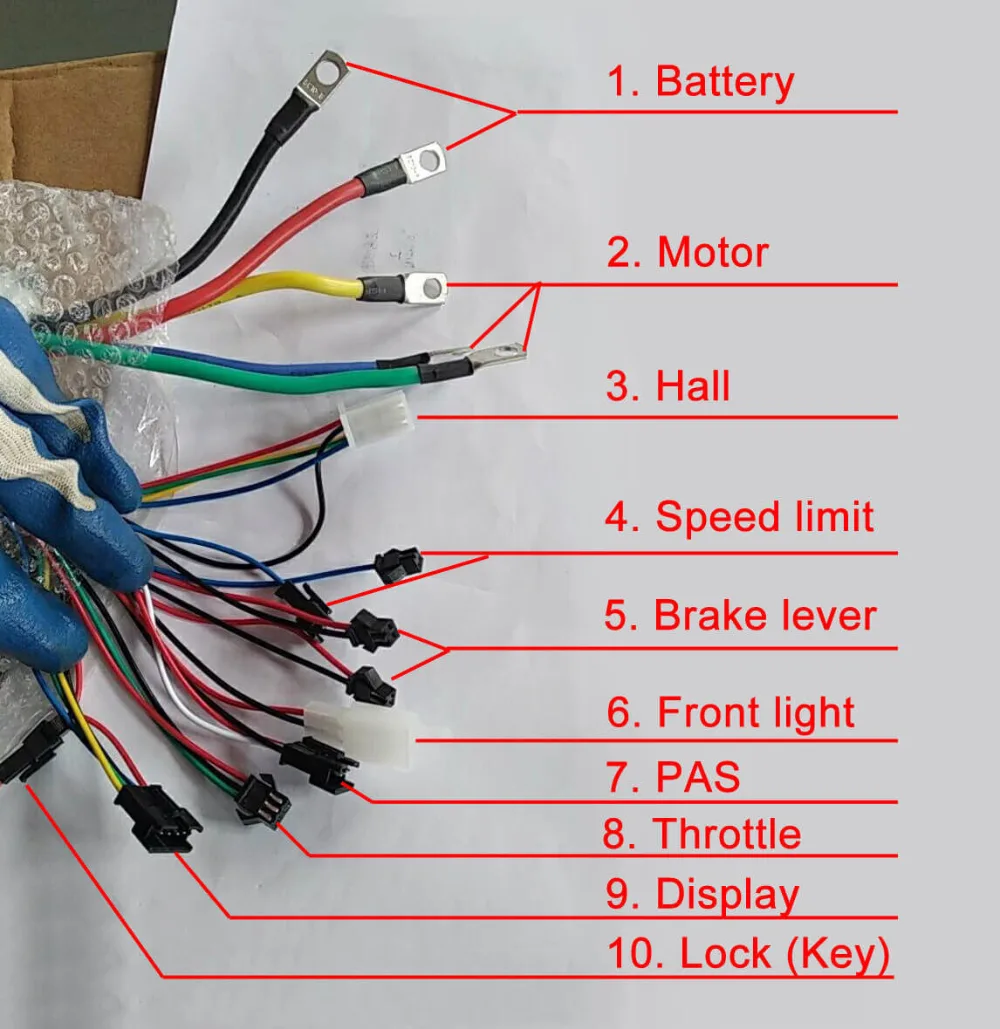
Physical damage from crashes is another factor. Check internal wiring harnesses for pinches or frays. A loose ground wire creates noise that interferes with digital signals.
Use a multimeter to test continuity on the display connector pins. If you find resistance where there should be none, repair the solder joints. Replace damaged cables immediately.
Do not rely on tape fixes for high-vibration areas. Mechanical stress will eventually sever the connection permanently.
Branch 3: Is It Interference? Managing 2.4GHz Congestion and Electromagnetic Noise
Electromagnetic interference (EMI) disrupts Bluetooth packets silently. The 2.4 GHz frequency band is crowded. Wi-Fi routers, baby monitors, and microwave ovens all compete for space.
Urban riders face higher packet loss rates than rural commuters. Identify your environment’s noise floor.
Motor controllers generate significant electrical noise. High-current switching creates magnetic fields that couple into nearby antennas. This is especially true for hub motors located close to the display.
Shielding deficiencies allow this noise to jam the receiver. Aggregate reviews report that wrapping the display cable in ferrite beads reduces interference noticeably. Install these clips near the connector entry point.
Channel hopping helps mitigate static noise but struggles with burst interference. If your router operates on Channel 6, try shifting it to Channel 1 or 11. This separates the Wi-Fi spectrum from the Bluetooth hopset.
Additionally, avoid carrying your phone in pockets lined with metal zippers. These act as Faraday cages, blocking outgoing signals. Keep the device exposed and oriented toward the bike.
Simple positional adjustments often yield better RSSI values than complex software tweaks. Monitor signal strength using a developer option app if possible. Aim for readings above -70 dBm for stable telemetry.
Advanced Troubleshooting: When to Factory Reset vs. Seek Professional Help
If the previous branches haven’t resolved the issue, you’re likely facing corrupted bonding data or a failing radio module. A factory reset wipes all paired devices and restores default communication protocols. This is often the nuclear option that works when subtle tweaks fail.
But proceed with caution. You’ll lose custom settings like pedal assist levels and speed limits.
Perform the reset only after backing up your profile data via USB if possible. Locate the reset button on your display unit. Hold it for ten seconds until the screen flashes.
Reboot the bike and initiate pairing anew. If the connection still drops within minutes, the hardware is suspect. Internal antenna degradation or controller board faults don’t fix themselves with software resets.
At this stage, contact an authorized service center. Opening sealed controller units voids warranties instantly. Manufacturer specifications indicate that DIY repairs on high-voltage components pose shock risks.
Leave the internal diagnostics to certified technicians. They have specialized tools to measure signal integrity at the chip level. Don’t gamble with expensive parts unless you’re trained in electronics repair.
Preventing Future Drops: Maintenance Habits for Stable Connectivity
Stable Bluetooth requires consistent environmental conditions and clean hardware. Regular maintenance prevents the gradual decay of signal quality. Start by keeping the display area free of dirt and moisture.
Water ingress corrodes contacts over time. Use a dry cloth to wipe the screen weekly. Avoid harsh chemicals that might degrade plastic housings around the antenna.
Update your firmware quarterly. Manufacturers release patches to improve interference resistance and bug fixes. Check the official support portal regularly for new versions.
Install updates via cable whenever feasible. Wireless updates can interrupt mid-process, leaving the radio unstable. Also, manage your phone’s background apps.
Limit other Bluetooth-heavy applications while riding. Streaming music or using navigation simultaneously crowds the 2.4 GHz band.
Store your e-bike properly during off-seasons. Cold temperatures reduce battery efficiency and radio power output. Keep the bike indoors above freezing when not in use.
Charge the pack monthly to prevent deep discharge cycles. A healthy battery maintains steady voltage for auxiliary systems. These habits extend the life of your connectivity modules significantly.
Consistency beats occasional intensive troubleshooting every time.
Frequently Asked Questions About E-Bike Bluetooth Stability
Why does my connection drop only when I accelerate?
Acceleration triggers high current draw from the motor controller. This generates electromagnetic noise that interferes with the Bluetooth receiver. The proximity of power cables to the display antenna exacerbates the issue.
Ferrite beads on cables help suppress this noise effectively.
Can I use any Bluetooth app with my e-bike?
No. Most proprietary systems require specific companion apps for authentication. Generic scanners may see the device but fail to connect securely.
Always download the official app recommended by the manufacturer. Third-party tools rarely support encrypted GATT profiles correctly.
Does cold weather really affect Bluetooth range?
Yes. Low temperatures increase internal resistance in batteries and components. This reduces the power available to the radio transmitter.
Aggregate user reviews show shorter ranges in winter months. Keep your phone warm too. Cold screens slow down processing speeds, delaying handshake responses.
How do I know if my antenna is broken?
Look for physical cracks near the display housing edges. Test RSSI values using a developer tool app. Readings consistently below -80 dBm suggest hardware failure.
Compare results with another device nearby. If both struggle, the bike’s transmitter is likely damaged.

Similar Posts































