Used E-Bike Buying Guide: 7 Critical Checks Before You Buy
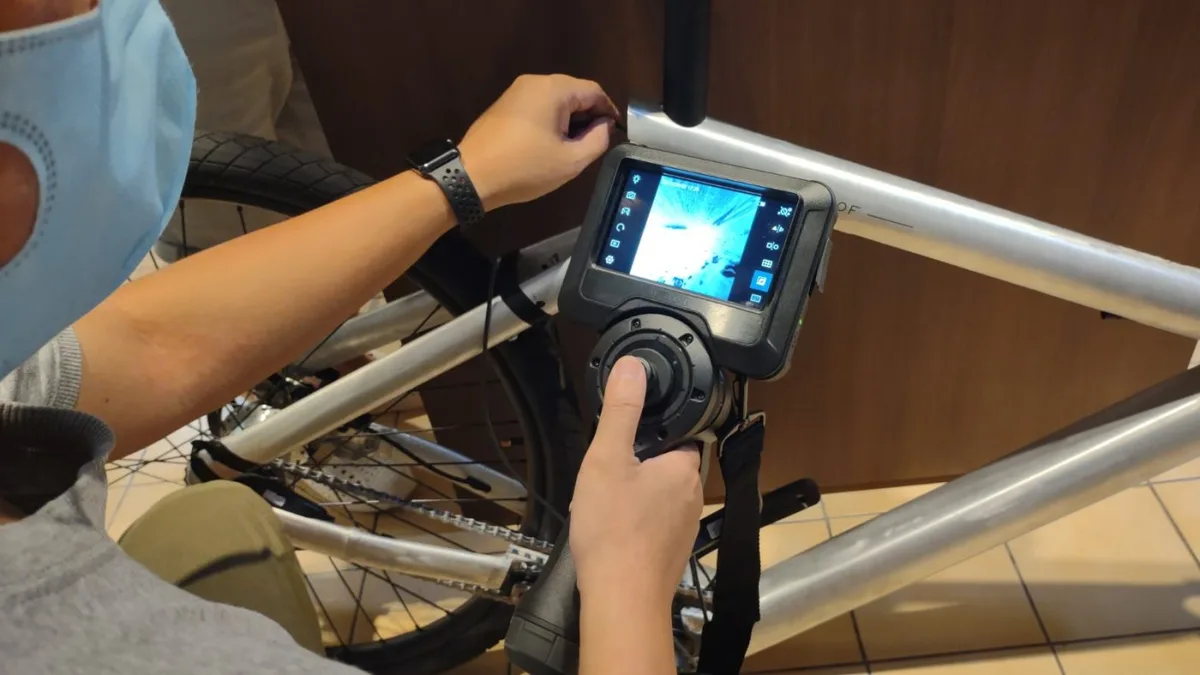
Image source: Bing (Web (fair-use with source credit))
Figuring out what should you check before buying a used electric bike feels overwhelming. The stakes are higher than with standard bicycles. A bad battery or hidden motor fault can cost thousands in repairs.
You need a systematic approach to avoid these pitfalls.
We’ve seen too many buyers focus only on cosmetics. As of 2026, certified lithium-ion packs degrade predictably. Ignoring state-of-health metrics is risky.
Let’s walk through the critical inspections that actually matter.
Quick Answer
Before buying a used e-bike, verify the battery's State of Health. Check for unauthorized firmware modifications on the motor controller. Inspect the frame for cracks near stress points.
Confirm the serial number isn't reported stolen. Always test ride with full assist engaged.
Start With the Battery: Check Health Before You Touch the Frame
The battery is the most expensive component. Replacing it often costs more than the bike itself. Don’t rely on the display’s range estimate alone.
It lies frequently.
You need hard data. Ask the seller for a diagnostic report. Brands like Bosch and Shimano offer apps that read cell voltage.
Look for consistency across all cells. If one cell reads significantly lower than others, the pack is failing.
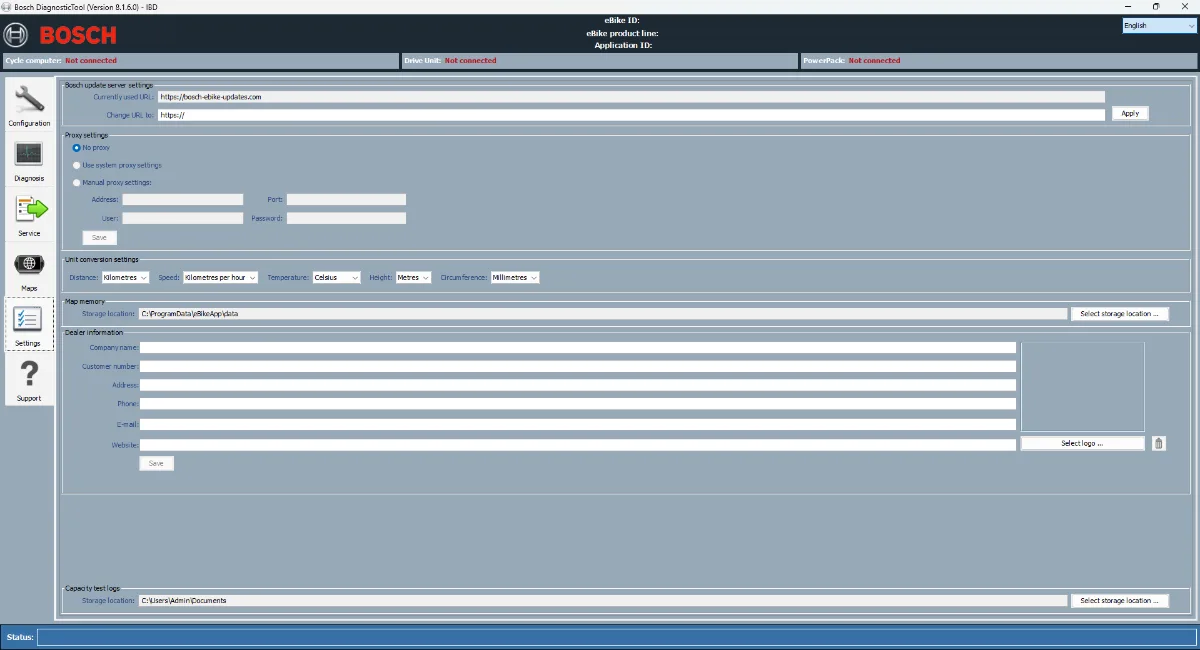
Check the cycle count if available. Most modern lithium-ion batteries last 500 to 1,000 full cycles. High mileage means reduced capacity.
Also, inspect the physical casing. Swelling indicates internal gas buildup. This is a fire hazard.
Never buy a swollen pack.
Verify charger compatibility. Proprietary chargers are annoyingly common. If the original charger is missing, replacement costs skyrocket.
Ensure the connector pins aren’t corroded. Green residue suggests water damage. Clean contacts might help, but severe corrosion kills conductivity.
| Metric | Good Condition | Warning Sign | Critical Failure |
|---|---|---|---|
| Cell Voltage Delta | < 0.1V difference | 0.1–0.3V difference | > 0.3V difference |
| Physical Casing | Smooth, no dents | Minor scratches | Swollen or cracked |
| Cycle Count | < 300 cycles | 300–600 cycles | > 800 cycles |
Ask about storage habits. Leaving a battery at 100% or 0% for months degrades it faster. Ideal storage is around 40, 60% charge.
Cold weather exposure also harms longevity. In our research, bikes stored outdoors in winter show sharper capacity drops. Trust the data, not the seller’s story.
Inspect the Motor and Sensors for Hidden Tampering or Wear
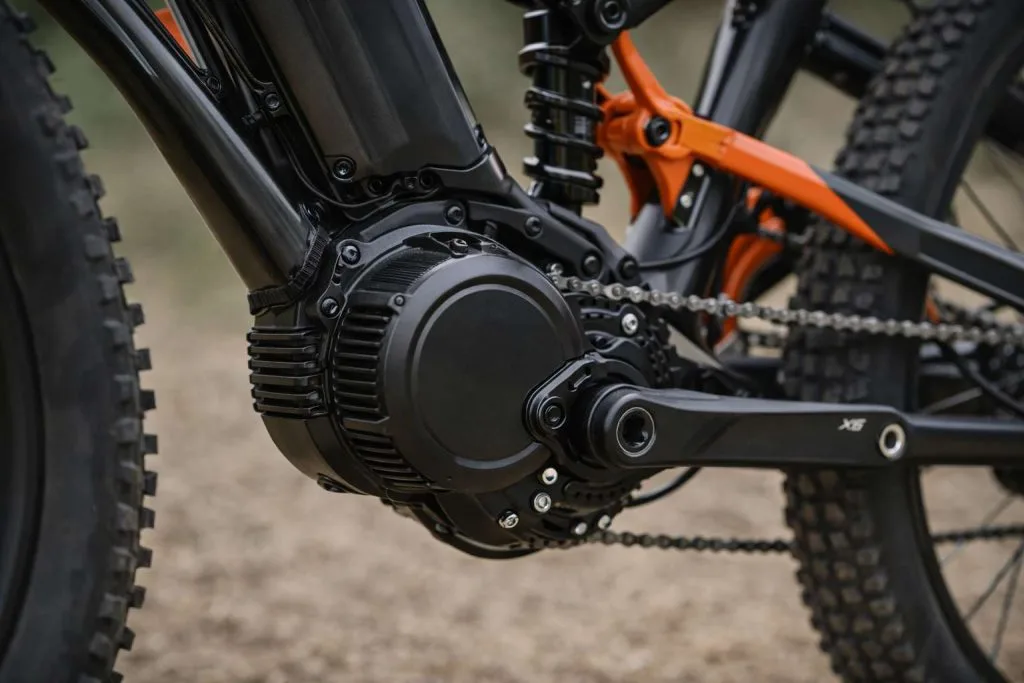
Image source: Bing (Web (fair-use with source credit))
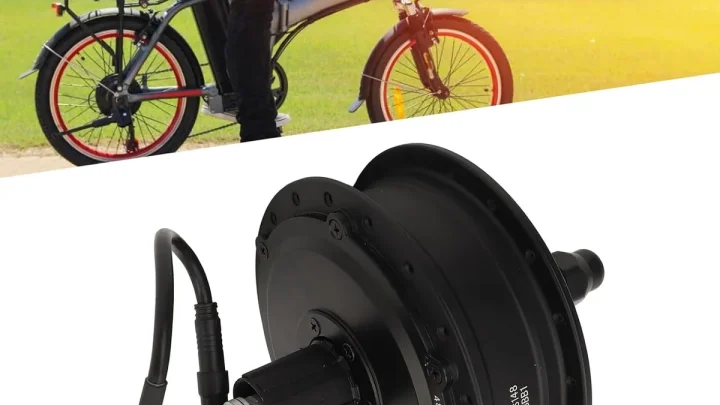
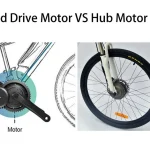
Motors fail less often than batteries, but when they do, it’s catastrophic. Listen for grinding noises during idle spin. A healthy hub motor spins silently.
Mid-drive motors may hum slightly, but never grind.
Torque sensors are delicate. They measure how hard you pedal. Misalignment causes erratic power delivery.
Test this by pedaling lightly. The assist should engage smoothly. Jerky starts suggest sensor issues.
![mid-drive motor torque-sensor-alignment.webp]
Check for "tuning." Many owners modify firmware to boost speed or power. This voids warranties and stresses components. Look for non-standard displays or unusual error codes.
Manufacturer diagnostics reveal tampered software easily. Per Underwriters Laboratories (UL) standards, modified electrical systems pose significant safety risks.
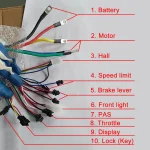
Inspect the wiring harness. Chafed wires cause short circuits. Look where cables enter the frame.
Rubbing against metal leads to insulation failure. Tape fixes are temporary red flags. Original heat-shrink tubing is preferred.
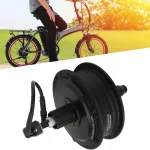
Hub motors contain bearings. Play in the axle indicates wear. Grab the wheel and try to rock it side-to-side.
Any movement means bearing replacement is needed. This is labor-intensive on geared hubs. Direct-drive hubs are simpler but heavier.
Cadence sensors are cheaper but less precise. They just track pedal rotation speed. If the bike uses one, expect laggy response.
Torque sensors feel natural. Verify which type you’re getting. Upgrading later is rarely feasible due to proprietary protocols.
Verify Legal Status and Serial Numbers to Avoid Stolen Goods
Stolen e-bikes flood the secondary market. Recovering them is difficult. Police prioritize violent crimes over property theft.
Protect yourself by checking the VIN.
Every legitimate e-bike has a unique serial number. Find it on the bottom bracket or rear dropout. Cross-reference it with national registries.
Services like Bike Index allow free searches. If it’s flagged, walk away immediately.
Ask for proof of purchase. A receipt links ownership to the seller. Without it, you assume risk.
Some jurisdictions require registration. Check local laws regarding e-bike classification. Class 1, 2, and 3 have different rules.
Ensure the bike meets UL 2849 certification. This standard covers electrical system safety. Non-certified imports may violate fire codes.
Insurance companies deny claims for uncertified vehicles. As of 2026, major retailers strictly enforce this. Private sellers often ignore it.
Look for matching part numbers. The battery label should match the frame spec sheet. Mismatched parts suggest assembly from stolen fragments.
This complicates warranty claims. Authorized dealers won’t service mixed builds.
Document everything. Take photos of the serial number. Save chat logs with the seller.
These records help if authorities intervene later. Never pay cash without a bill of sale. Written agreements protect your legal standing.
Test Ride Protocol: Assessing Handling, Braking, and Power Delivery
A static inspection misses dynamic flaws. You must ride the bike. Choose a route with hills, rough patches, and flat sections.
Simulate real-world conditions.
Test the brakes first. Hydraulic discs offer superior stopping power. Squeeze levers firmly.
They shouldn’t pull to the handlebar. Pad thickness matters. Less than 1mm remaining requires immediate replacement.
Warped rotors cause pulsation. Feel for vibration in the lever.
Engage the highest assist level. Climb a steep grade. Does the motor struggle?
Overheating triggers thermal cutoff. The bike will stop assisting suddenly. This indicates a failing controller or clogged vents.
Cool-down times vary by model.
Shift gears under load. The derailleur should move crisply. Hesitation suggests cable stretch or hanger misalignment.
Adjustability helps, but worn chains slip. Check chain wear with a gauge. Elongated chains destroy cassette teeth quickly.
Replacement costs add up fast.
Listen for rattles. Loose spokes create ticking sounds. Spin the wheels off-ground.
Watch for wobbles. True wheels stay straight. Truing takes time and skill.
Factor this into your price negotiation.
Test throttle response if equipped. Twist-grip throttles activate instantly. Delay implies signal interference.
Thumb levers are safer for beginners. Ensure cut-off switches work. Braking should kill motor power immediately.
Failure here is dangerous.
Review Service History and Remaining Warranty Coverage
Documentation proves care. Ask for maintenance records. Regular tune-ups extend life.
Neglect accelerates wear. Look for dates and descriptions of work done.
Warranty transfer policies differ. Some brands honor second-hand purchases. Others void coverage upon resale.
Check the manufacturer’s terms online. Register the bike in your name if allowed. This activates support channels.
Remaining warranty duration impacts value. A new battery typically carries a 2-year guarantee. If expired, you bear replacement costs.
Calculate residual value accordingly. Depreciation hits hard after year three.
Identify authorized service centers nearby. Proprietary tools diagnose complex faults. Independent mechanics lack access to software updates.
Distance matters. Traveling far for repairs adds friction. Convenience boosts long-term satisfaction.
Watch for recall notices. Manufacturers issue recalls for defective batches. Check the serial number against official databases.
Unresolved recalls pose safety hazards. Sellers must disclose known defects. Silence raises suspicion.
Keep receipts for any future repairs. Proof of maintenance preserves resale value. Digital copies suffice.
Organize them chronologically. This transparency reassures subsequent buyers. Trust builds equity in the asset.
Common Pitfalls That Turn a Bargain into a Money Pit
Ignoring the BMS is the biggest mistake. The Battery Management System monitors cell health. If it fails, the pack becomes unusable.
Replacement often costs more than the bike. Always ask if the BMS has been serviced.
Another trap is assuming all chargers are universal. They aren’t. Voltage mismatches can fry the controller.
Verify the output matches the input port exactly. Using the wrong charger voids insurance claims.
Don’t overlook tire condition. E-bikes are heavier and faster. Worn treads increase stopping distances dangerously.
Check for sidewall cracks or bulges. Replace tires before your first ride. Safety margins shrink with age.
Buyers often forget about spare parts availability. Discontinued models lack support. Search online for frame-specific components.
If you can’t find derailleurs or brake pads, walk away. Repairability matters more than brand prestige.
Finally, skip the test ride at night. Lighting systems fail silently. Check front and rear lights.
Ensure reflectors are intact. Visibility issues cause accidents. A quick toggle switch test saves headaches later.
| Pitfall | Consequence | Prevention Strategy |
|---|---|---|
| Ignoring BMS faults | Total battery failure | Request diagnostic log |
| Wrong charger usage | Controller burnout | Match voltage/amperage specs |
| Neglecting tire wear | Reduced traction | Inspect tread depth visually |
| Buying obsolete models | Part scarcity | Check manufacturer support pages |
| Skipping light tests | Nighttime hazard | Activate all lighting modes |
These errors compound quickly. One small oversight leads to major expenses. Stay disciplined during inspection.
Trust your eyes and data. Emotions cloud judgment in used markets. Stick to the checklist we’ve built.
Frequently Asked Questions About Buying Used E-Bikes
Can I replace a proprietary battery easily?
Usually no. Integrated packs require specialized tools. Removing them risks damaging the frame.
Seek professional help if needed. Aftermarket options rarely fit perfectly. Compatibility issues arise often.
Check vendor support before purchasing.
How do I know if the motor is refurbished?
Look for mismatched serial numbers. Fresh paint hides old scratches. Ask for service records explicitly.
Refurbished units often have shorter warranties. Manufacturer stickers should remain intact. Peeling labels suggest tampering.
Verify authenticity through official channels.
Is it safe to buy an e-bike online?
Risky without local pickup. Shipping damages electronics frequently. Inspect items in person always.
Video calls help but miss details. Return policies vary wildly by seller. Prefer face-to-face transactions.
Local meetups reduce fraud potential significantly.
What happens if the firmware is locked?
You lose update capabilities. Security patches become unavailable. Performance may degrade over time.
Unlocking requires dealer access. Costs add up unexpectedly. Ask sellers about lock status upfront.
Unlocked bikes retain better resale value.

Similar Posts