What Battery Capacity Is Best for Long Range E-Bikes?
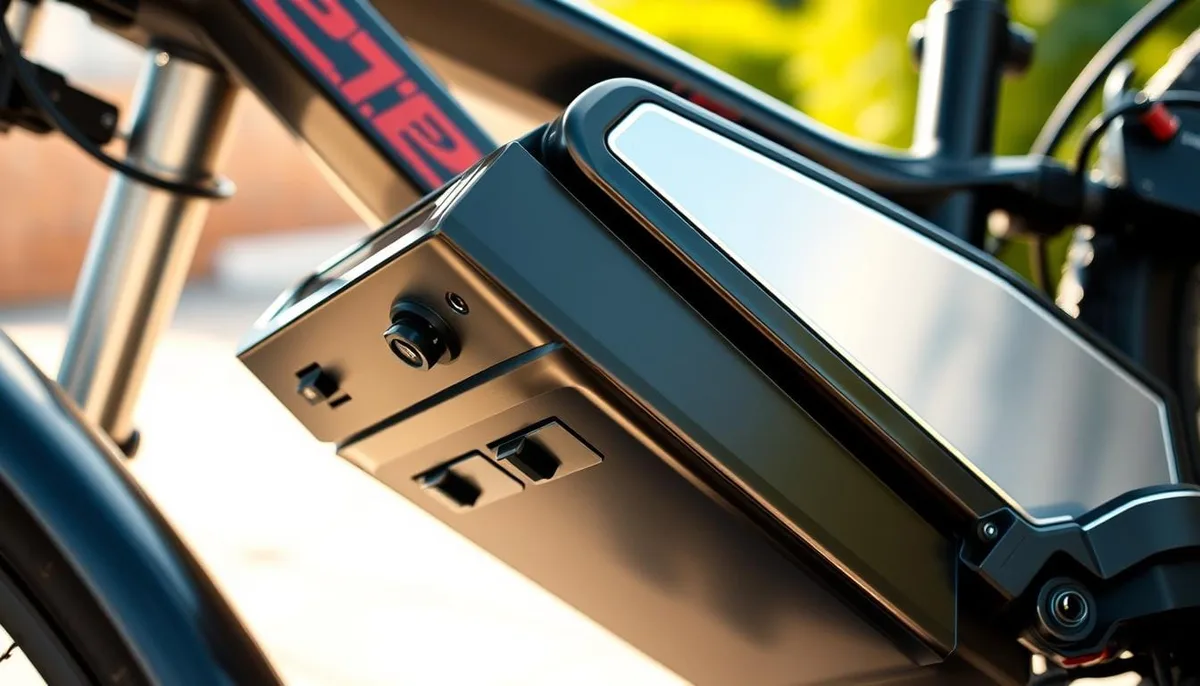
If you’re asking what is a good battery capacity for a long range electric bike, the honest answer isn’t a single number. It’s a calculation based on your specific terrain, rider weight, and how much assist you actually use. Most riders underestimate their needs because they rely on manufacturer estimates that assume perfect conditions.
We’ve seen too many people buy 500Wh packs only to find themselves stranded halfway home. As of 2026, the industry standard for true "long range" starts higher than most expect. Let’s break down exactly where those numbers come from so you can choose with confidence.
Stop Guessing: Why “Good” Battery Capacity Depends on Your Ride
There is no universal "good" watt-hour rating for every e-bike owner. A 750Wh battery might last all day for a lightweight commuter on flat pavement. That same pack could drain in two hours for a heavy rider tackling steep mountain trails.
The variable isn't just distance; it's energy consumption per mile.
Manufacturers often quote ranges based on pedal-assist level 1 or 2. Real-world riding rarely stays that gentle. You’ll hit headwinds, stoplights, and unexpected hills.
These factors drastically increase power draw. Ignoring them leads to under-spec’d batteries that fail when you need them most.
Your personal context dictates the requirement. Are you hauling cargo? Do you live in a cold climate?
Battery efficiency drops significantly below freezing. We must account for these environmental stressors before picking a capacity tier. One size definitely does not fit all here.
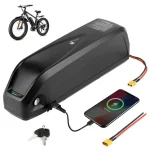
Image source: Web (Bing) / drivegreenjourney.com (Web image (fair-use with source credit))
The Real Math Behind Watt-Hours and Range Anxiety
Understanding watt-hours (Wh) is critical. This metric measures total stored energy. Amp-hours (Ah) alone are misleading without knowing voltage.
Always calculate Wh by multiplying Ah by Voltage. A 48V 15Ah battery holds 720Wh. A 36V 20Ah battery holds only 720Wh.
Same energy, different system pressures.
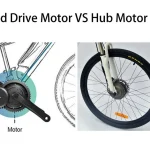
Energy consumption varies wildly by motor type. Mid-drive motors generally offer better efficiency on hills. They leverage your pedaling power alongside the motor.
Hub drives push harder independently, often burning more juice on inclines. This difference changes your required capacity baseline.
Here is the rough math we use for planning. Divide your desired range by estimated Wh/mile. For mixed urban terrain, assume 15-20 Wh/mile.
For hilly areas, bump that to 25-30 Wh/mile. Add a 20% buffer for wind and age-related degradation.
| Terrain Type | Estimated Consumption (Wh/mile) | Recommended Buffer |
|---|---|---|
| Flat Urban | 10–15 | +15% |
| Rolling Hills | 18–25 | +20% |
| Steep Off-Road | 30–50+ | +30% |
This formula prevents surprise failures. It turns vague hopes into concrete specs. You aren't guessing anymore.
You're engineering your ride.
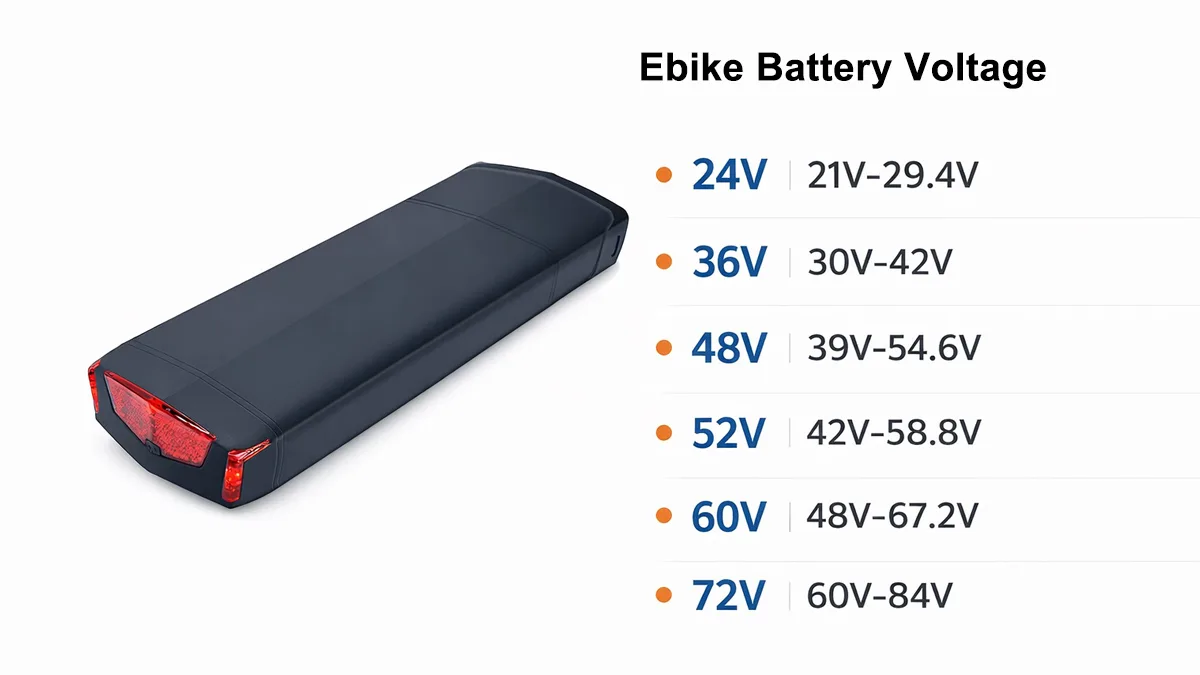
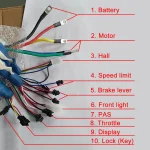
Image source: Bing (Web (fair-use with source credit))
Decision Branch 1: Terrain, Rider Weight, and Load Factors
Terrain is the biggest consumer of battery life. Flat roads allow coasting and low assist usage. Hills force constant high-torque output.
If your route includes sustained climbs above 10%, double your consumption estimate. Don't trust GPS elevation data blindly. Look at grade percentages.
Rider weight matters more than people admit. Heavier riders require more torque to accelerate. Each additional 20 lbs increases energy demand noticeably.
Aggregate user reviews show that riders over 220 lbs burn through small batteries quickly. Factor in gear, groceries, or children too.
Cargo bikes face extreme demands. Hauling kids or goods adds significant mass. This shifts the center of gravity and rolling resistance.
Standard commuter capacities won't cut it. You need dedicated high-capacity systems designed for load-bearing endurance. Consider this before buying any standard frame.
Decision Branch 2: Motor Type and Efficiency Variables
Mid-drive systems like Bosch Performance Line CX optimize energy use. They sync motor output with pedal cadence. This synergy reduces waste during moderate efforts.
However, peak power draws remain high on steep gradients. Monitor your display’s instantaneous wattage to gauge real-time cost.
Hub motors operate differently. Direct-drive hubs provide consistent torque but lack gearing benefits. Geared hub motors are quieter and lighter.
Yet, they often struggle with heat buildup on long climbs. Heat degrades battery efficiency faster than simple distance does.
Motor controller firmware also plays a role. Updated software can improve energy mapping. Check if your manufacturer offers performance updates.
Sometimes a simple flash yields noticeable range gains. Always pair motor choice with appropriate battery sizing. Mismatched components create inefficiency bottlenecks.
Recommended Capacity Tiers for Specific Scenarios
For light commuters under 180 lbs on flat ground, 400-500Wh suffices. This covers 20-30 miles realistically. Anything less risks daily charging hassles.
Ensure the pack is removable for indoor storage safety. This tier balances weight and utility perfectly for city streets.
Average riders facing mixed terrain should target 625-750Wh. This handles 40-60 miles comfortably. It accommodates occasional hills and heavier loads.
Most modern mid-range e-bikes ship with this spec. It represents the sweet spot for versatility without excessive bulk.
Heavy-duty users, cargo haulers, or mountain bikers need 900Wh+. Dual-battery setups exceeding 1250Wh are ideal here. These configurations prevent mid-ride depletion on remote trails.
They add weight but ensure reliability. Per UL 2849 standards, proper integration is vital for safety at these levels.
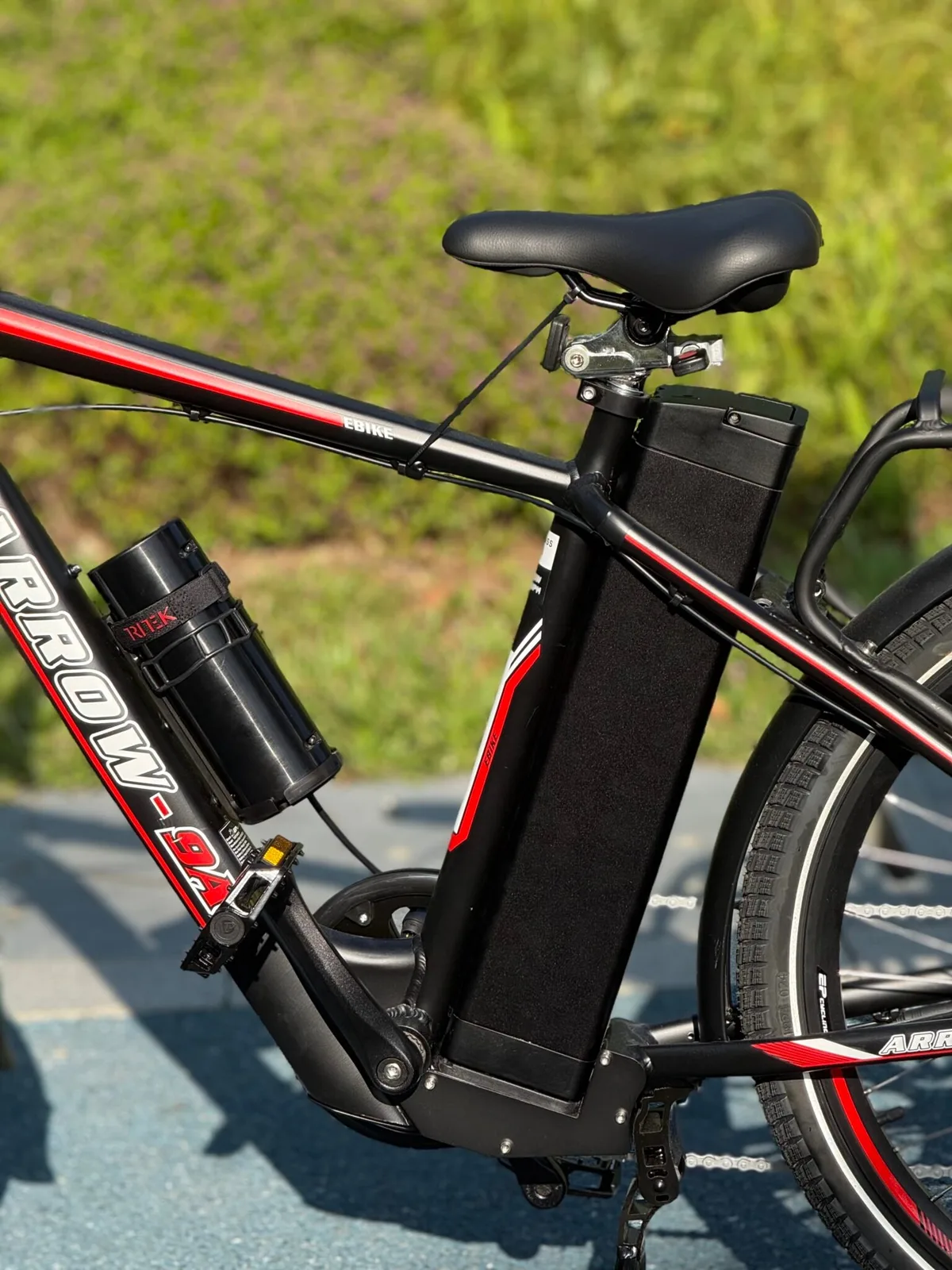
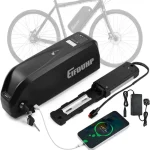
Image source: Web (Bing) / tritekbattery.com (Web image (fair-use with source credit))
Critical Mistakes That Kill Long-Range Performance
Many riders ignore tire pressure. Under-inflated tires increase rolling resistance dramatically. This forces the motor to work harder, draining watts rapidly.
Check your PSI weekly. Keep tires at the manufacturer’s maximum rated pressure for paved surfaces. You’ll gain noticeable range without touching the battery.
Another common error is relying solely on high assist modes. Level 5 or "Turbo" consumes energy exponentially faster than lower settings. Save these modes for steep climbs only.
On flats, use Eco or Tour mode. Pedal with purpose. The motor should supplement you, not replace you.
Cold weather impacts chemistry significantly. Lithium-ion cells lose efficiency below 40°F (4°C). Range can drop by 30% in freezing conditions.
Pre-warm the battery indoors if possible. Wear gloves and dress warmly to reduce wind chill effects on the pack. Don’t expect summer ranges in winter.
Finally, neglecting maintenance hurts efficiency. Dirty chains and misaligned brakes create drag. Lubricate your chain regularly.
Ensure brake pads don’t rub against rotors. Even minor friction adds up over miles. A well-tuned bike requires less power to move.
Fix mechanical issues before blaming the battery.
Maintenance Habits to Preserve Your Investment
Store your battery correctly when not in use. Never leave it fully charged or fully depleted for long periods. Aim for a 40-60% state of charge (SoC) for storage.
This minimizes stress on the internal cells. Extreme SoC levels accelerate degradation. Treat the battery like a living component, not just hardware.
Temperature control is vital during charging. Charge in a cool, dry place away from direct sunlight. Avoid charging immediately after a hard ride.
Let the pack cool down first. Heat generated during riding combined with charging heat damages cell integrity. Follow the charger’s LED indicators strictly.
Unplug once full.
Inspect connectors for corrosion or damage monthly. Clean terminals with a dry cloth. Loose connections cause voltage sag and intermittent power loss.
If you notice swelling, stop using the battery immediately. Swelling indicates internal failure. Dispose of it properly at an e-waste facility.
Do not puncture or incinerate damaged packs.
Update firmware when available. Manufacturers often release patches that optimize power distribution. These updates can improve range subtly but consistently.
Check your brand’s app or website quarterly. Keeping software current ensures your hardware performs at its peak potential. Neglecting updates leaves free range on the table.
Frequently Asked Questions
How many miles does a 750Wh battery really get?
Real-world range varies widely. Expect 30 to 50 miles on mixed terrain. Flat urban commuting might yield 60+ miles.
Steep hills or heavy loads drop it to 25 miles. Always assume 20% less than advertised specs. Rider weight and wind speed play huge roles.
Test your specific setup early.
Is a bigger battery always better?
Not necessarily. Larger packs add significant weight. This affects handling and agility.
If you rarely ride far, a smaller battery improves maneuverability. Only upgrade capacity if your routes demand it. Balance range needs with bike dynamics.
Extra weight makes climbing harder without power. Choose based on actual usage patterns.
Can I swap batteries easily?
Most modern e-bikes feature removable packs. Look for quick-release mounts. Integrated frames offer sleeker looks but harder replacement.
Verify compatibility before buying third-party cells. Mismatched voltages damage controllers. Stick to OEM replacements for warranty safety.
DIY swaps void coverage and risk fire hazards. Safety trumps convenience here.
Does regenerative braking help extend range?
Rarely on standard e-bikes. Most systems lack effective regen capability. Hub motors sometimes capture tiny amounts of energy.
Gains are negligible compared to aerodynamic losses. Don’t rely on regen for planning. Focus on smooth acceleration instead.
Efficient pedaling saves more watts than coasting tricks ever will.

Similar Posts