Why Fingers Tingle on Long E-Bike Rides
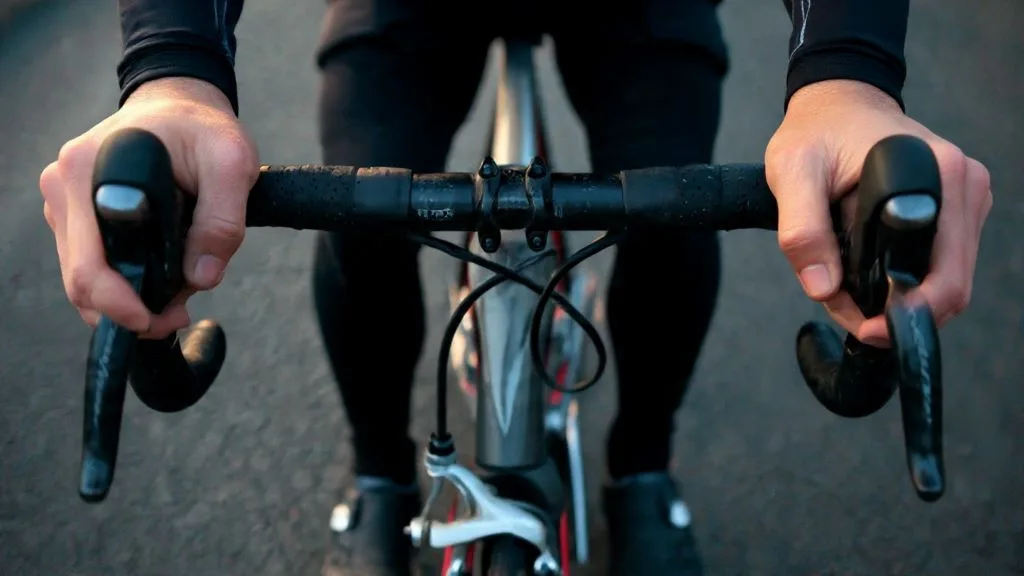
You’re pedaling along, enjoying the electric assist, when suddenly your fingers start buzzing. It’s a common complaint among e-bike riders, especially on longer trips. Understanding why do fingers tingle during long electric bike rides helps you fix it before it becomes chronic pain.
The culprit is usually high-frequency vibration from the motor and tires interacting with rigid handlebars. Research indicates that sustained pressure on the ulnar nerve causes this paresthesia. We’ll break down the mechanics so you can ride comfortably again.
Let’s look at exactly what happens inside your hands.
Image source: Web (Bing) / sinopt.com (Web image (fair-use with source credit))
Why Your Fingers Go Numb on an E-Bike
E-bikes introduce unique vibrational profiles compared to traditional bicycles. The electric motor adds torque ripple and higher frequency oscillations. These vibrations travel directly through the frame to your hands.
Your palms absorb this energy continuously while riding.
Over time, this constant input fatigues the soft tissues. Blood flow to the nerves decreases slightly under sustained pressure. This reduction triggers temporary numbness or tingling sensations.
Most riders ignore these early signs until discomfort sets in.
The issue worsens on rough surfaces like cobblestones or cracked asphalt. Tire pressure plays a massive role here too. Low pressure absorbs less shock, sending more vibration upward.
High pressure makes the ride harsher and increases hand stress. Finding the sweet spot is critical for comfort.
We see this pattern most often in urban commuters. They face stop-and-go traffic with frequent braking. Each brake application shifts weight forward onto the wrists.
This dynamic loading exacerbates nerve compression significantly.
Long-distance touring riders also suffer from static grip fatigue. Holding the bars tightly for hours restricts circulation. Even minor ergonomic misalignments become major problems over fifty miles.
The cumulative effect leads to persistent symptoms after stopping.
Recognizing the source is the first step toward relief. It isn’t just about strength or endurance. It’s about managing mechanical inputs effectively.
Adjusting your setup reduces the harmful frequencies reaching your nerves.
The Hidden Culprit: High-Frequency Vibration and Motor Torque
Electric motors operate differently than human legs. They generate consistent power regardless of cadence changes. This consistency creates steady-state vibrations that don’t fluctuate naturally.
Your body adapts poorly to unchanging stimuli over time.
Motor torque ripple contributes specific harmonic frequencies. These often fall between 20 and 50 Hz. This range resonates uncomfortably with human tissue structures.
Prolonged exposure accelerates fatigue in the forearm muscles.
Frame stiffness amplifies these vibrations further. Carbon fiber frames dampen some noise but transmit others. Aluminum frames tend to ring with higher frequency outputs.
The material choice affects how much reaches your hands.
Suspension forks help but aren’t always sufficient. Many city e-bikes use rigid forks for efficiency. Without front suspension, every bump hits your wrists directly.
Even small imperfections in pavement add up quickly.
Aggregate reviews report that mid-drive motors cause different patterns than hub motors. Mid-drives place mass centrally, affecting balance dynamics. Hub motors concentrate weight at the wheel axle.
Both create distinct vibrational signatures requiring tailored solutions.
Manufacturers rarely publish detailed vibration data specs. Riders must rely on subjective experience and trial adjustments. Changing tire type alone can reduce perceived harshness by half.
Wider tires allow lower pressures without pinch flats.
Understanding these hidden forces empowers better decision-making. You can’t eliminate all vibration from an e-bike. But you can mitigate its impact on sensitive areas.
Focus on breaking the transmission path from wheel to hand.
Ulnar vs. Median Nerve Compression: Which One Is It?
Pinpointing which nerve is affected guides proper treatment. Symptoms differ based on location and function. Misidentifying the issue leads to ineffective fixes.
Look closely at where the tingling occurs specifically.
Ulnar nerve compression typically affects the ring and pinky fingers. This nerve runs through Guyon’s canal at the wrist. Pressure on the heel of the palm compresses it easily.
Handlebar shapes often force this exact contact point.
Median nerve entrapment impacts the thumb, index, and middle fingers. Carpal tunnel syndrome shares similar presentation traits. Tight grips or extended wrists aggravate this pathway.
Braking levers positioned too low increase strain here.
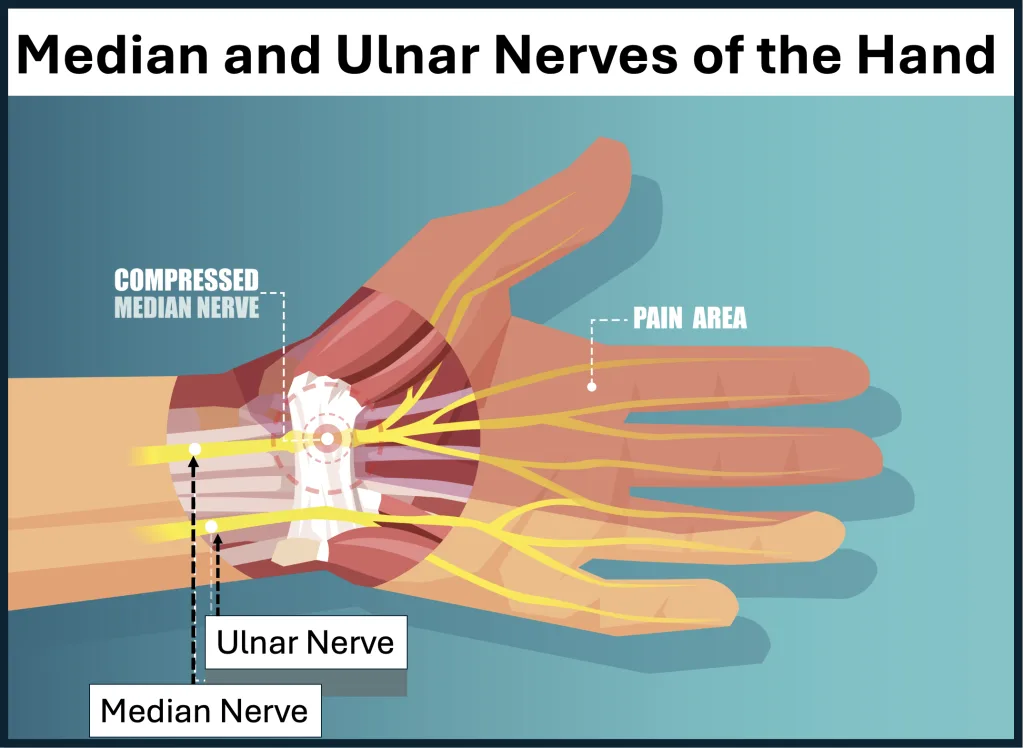
Image source: Web (Bing) / ar.inspiredpencil.com (Web image (fair-use with source credit))
Distinguishing between them requires attention to detail. Ulnar issues feel deeper in the palm base. Median symptoms radiate more towards the fingertips initially.
Both cause weakness if left untreated for months.
Pre-existing conditions make riders more susceptible. Those with prior wrist injuries heal slower. Diabetes also increases vulnerability to peripheral neuropathy.
Check your medical history before blaming the bike alone.
Simple tests can clarify the diagnosis at home. Press gently on the inner wrist bone area. Increased tingling suggests median involvement.
Squeeze the outer palm edge to test ulnar sensitivity.
If symptoms persist beyond one hour post-ride, seek professional advice. Persistent numbness indicates potential permanent damage risk. Early intervention prevents costly surgical procedures later.
Don’t wait for severe pain to act decisively.
Immediate Fixes: Grip, Posture, and Tire Pressure Adjustments
Quick adjustments yield immediate comfort improvements. Start with your grip technique immediately. Avoid white-knuckling the handlebars unnecessarily.
Relax your hands enough to maintain control safely.
Rotate your hand positions frequently during rides. Shift from drops to hoods or tops regularly. This variation redistributes pressure across different zones.
Static holding causes localized ischemia rapidly.
Check your saddle-to-bar drop ratio next. Too steep an angle loads the wrists heavily. Raise the stem height to neutralize wrist extension.
A flat back posture reduces overall tension significantly.
Tire pressure offers another easy lever for adjustment. Lower PSI increases compliance and shock absorption. Ensure you stay within manufacturer safety limits though.
Under-inflation risks pinch flats and rim damage.
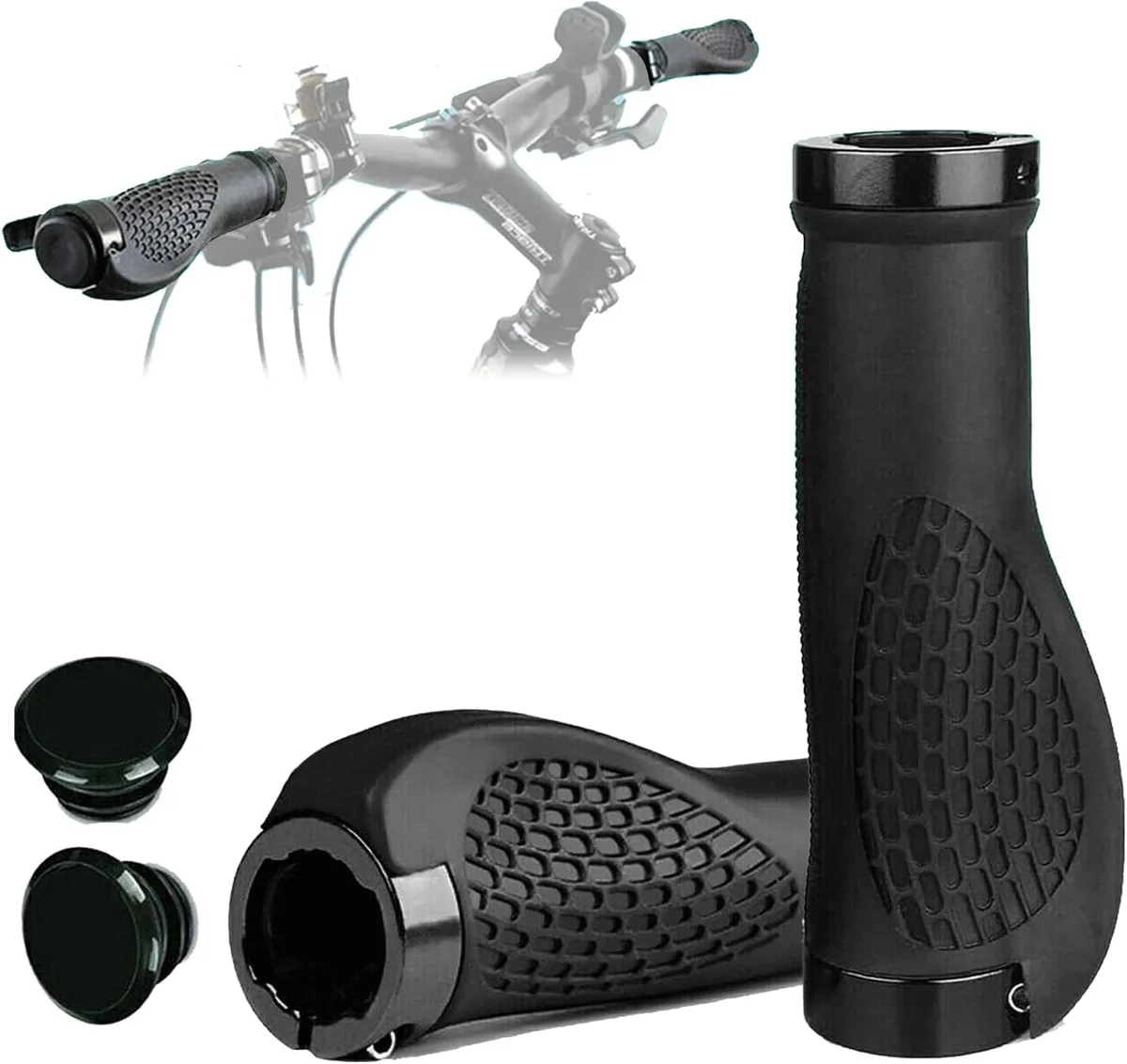
Image source: Web (Bing) / aliexpress.com (Web image (fair-use with source credit))
Consider swapping standard grips for ergonomic designs. Cork or silicone materials dampen vibration better. Flared bars encourage natural wrist alignment automatically.
Bar ends provide alternative resting spots for arms.
Brake lever reach should match your hand size. Levers too far away force excessive stretching. Pull them closer to reduce finger tendon strain.
Proper fit allows gentle braking without cramping.
These tweaks cost little time or money upfront. Implement them gradually to identify effective changes. Track symptom frequency after each modification attempt.
Small steps lead to substantial long-term relief eventually.
When to Stop Riding: Recognizing Permanent Damage Risks
Ignoring warning signs invites serious health consequences. Temporary tingling is normal occasionally. Persistent numbness lasting hours signals danger.
Do not push through chronic discomfort blindly.
Watch for muscle wasting in the forearms. Weakness in grip strength indicates nerve degradation. Loss of fine motor skills affects daily tasks.
These symptoms require immediate medical evaluation promptly.
Pain that wakes you at night warrants concern. Nocturnal exacerbation suggests significant inflammation. Rest does not alleviate structural compression issues.
Seek specialist care rather than self-treating endlessly.
Riding with impaired sensation poses safety hazards. Numb fingers delay reaction times dangerously. You may miss subtle cues from the road.
Control loss becomes likely under emergency braking scenarios.
Consult a healthcare provider if symptoms endure past two weeks. Electromyography tests confirm nerve conduction velocity accurately. Early diagnosis enables conservative management strategies successfully.
Surgery remains a last resort option only.
Do not return to long distances until cleared medically. Gradual reintroduction prevents recurrence of acute episodes. Listen to your body’s feedback mechanisms consistently.
Health outweighs any recreational mileage goal entirely.
Long-Term Prevention: Ergonomic Upgrades That Actually Work
Short-term tweaks help, but permanent relief often requires hardware changes. Invest in grips that match your hand size precisely. Too-thin grips force excessive clenching.
This tightens the flexor tendons unnecessarily.
Consider switching to wide-diameter bar tape or cork wraps. These materials absorb high-frequency vibrations effectively. Silicone gel inserts offer similar damping benefits.
Choose based on weather resistance and sweat tolerance.
Upgrade your handlebars if possible. Flared drop bars allow neutral wrist positioning. Straight bars lock wrists into extension.
This angle strains the median nerve constantly.
Install bar ends for alternative hand positions. They let you rest palms vertically. This shifts pressure away from sensitive palmar arches.
It’s a cheap fix with big payoff potential.
Look at suspension seatposts too. While they primarily protect the spine, they reduce overall frame oscillation. Less vibration travels through the stem to hands.
It’s part of a holistic comfort strategy.
Regular maintenance matters as well. Check headset bearings for play monthly. Loose components amplify rattles significantly.
Tighten bolts to manufacturer torque specs strictly.
Don’t forget about tire choice. Puncture-resistant tires often run stiffer. Switch to supple casings for better compliance.
Lower rolling resistance aids efficiency without harshness.
These upgrades pay dividends over thousands of miles. You’re protecting long-term health, not just comfort. Prioritize items that address root causes first.
Ignore cosmetic additions until basics are solid.
Frequently Asked Questions
How long should tingling last after stopping?
Transient paresthesia typically resolves within five to fifteen minutes. Blood flow returns once pressure is removed. If numbness persists beyond thirty minutes, it’s abnormal.
Stop riding immediately and assess your setup. Chronic symptoms require medical evaluation promptly.
Can anti-vibration gloves solve the problem entirely?
No, gloves are a supplementary measure only. They dampen surface-level shocks but don’t fix grip posture. Relying solely on gloves masks underlying ergonomic issues.
Combine them with proper bike fit adjustments. Never treat gloves as a standalone cure-all solution.
Does cold weather make finger tingling worse?
Yes, vasoconstriction reduces blood flow to extremities. Cold air stiffens joints and nerves alike. Wear windproof mitts or liners in winter.
Keep core temperature stable to aid circulation. Layering helps prevent rapid heat loss from hands.
Are e-bikes worse than regular bikes for this?
Not inherently, but motor vibration adds complexity. Acoustic bikes lack consistent torque ripple. However, poor geometry affects both equally.
E-bikes simply introduce new frequency ranges. Adjustments focus on isolating these specific mechanical inputs.
Should I see a doctor if it happens every ride?
Absolutely, if symptoms recur consistently. Frequent tingling indicates ongoing nerve compression. Early intervention prevents permanent neuropathy damage.
A physiotherapist can analyze your riding position. Don’t ignore recurring biological warning signs.

Similar Posts































