Why Your E-Bike Battery Voltage Drops Under Load
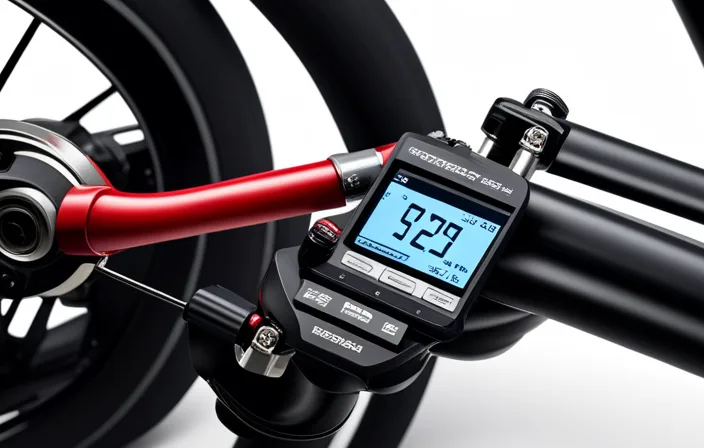
You’re pedaling up a steep hill, and suddenly your e-bike feels sluggish. The display flickers, or the power cuts out entirely. This isn’t just bad luck.
Understanding what causes electric bike battery voltage to drop under load is key to diagnosing whether you have a simple connection issue or a dying cell pack.
Most riders mistake normal physics for failure. A healthy lithium-ion pack will always sag slightly when you demand high amps. However, excessive drops signal internal resistance spikes or BMS interventions.
As of 2026, modern controllers are smarter, but they can’t fix worn-out chemistry. Let’s break down exactly why this happens so you can troubleshoot effectively.
Quick Answer
Electric bike battery voltage drops under load due to internal resistance within the lithium-ion cells. When current flows, energy converts to heat, causing an immediate voltage dip. Higher amp draw creates larger drops.
Aging batteries develop higher resistance, worsening the sag. Extreme cold also increases internal impedance temporarily.
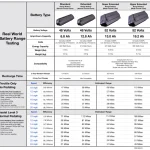
Image source: Web (Bing) / flatironbike.com (Web image (fair-use with source credit))
Why Your E-Bike Battery Voltage Drops Under Load
Voltage sag is a fundamental property of electrochemistry, not necessarily a defect. Think of your battery like a water pipe. When you open the tap wide (high load), pressure at the source drops momentarily because the pump can’t keep up instantly.
In electrical terms, this "pressure drop" is caused by internal resistance.
Every lithium-ion cell has inherent resistance. It comes from the electrolyte, separators, and electrode materials. When you accelerate hard or climb a hill, the motor controller pulls significant amperage.
Current flowing through resistance generates heat and consumes some voltage before it reaches the terminals. This is Ohm’s Law in action ($V = I \times R$).
If your pack is new and warm, the drop should be minimal. You might see 0.1, 0.3 volts per cell. But if the drop exceeds 0.5 volts per cell under moderate load, something is wrong.
The cause usually falls into three buckets: chemical aging, temperature extremes, or mechanical faults like loose connections.
We need to distinguish between temporary dips and permanent capacity loss. A temporary dip recovers when you stop pulling power. Permanent loss means the cells can no longer hold their charge efficiently.
Misdiagnosing these leads to unnecessary replacements or ignored safety risks.
Normal Sag vs. Dangerous Drop: The Critical Distinction
How do you know if your bike is acting normally? Context matters. A slight voltage dip on a steep grade is expected behavior.
A massive crash in voltage that shuts off the system is a red flag.
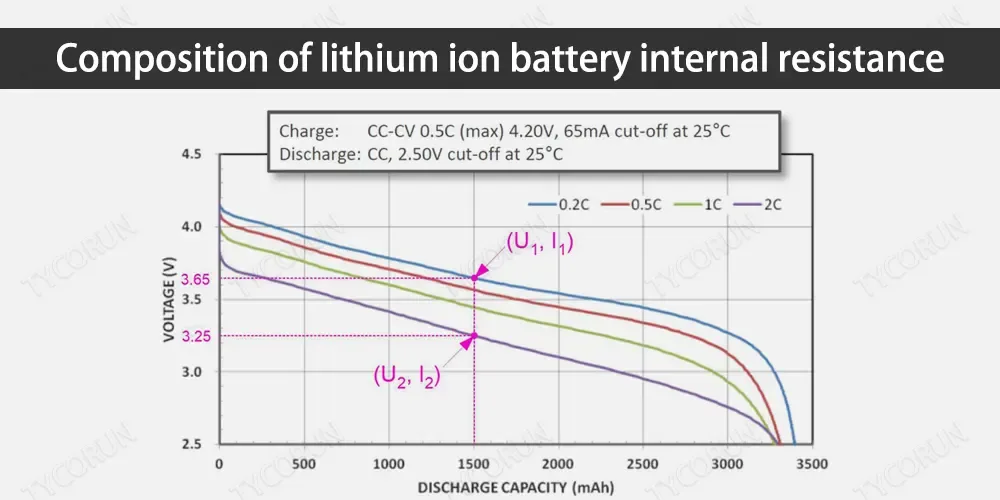
Image source: Web (Bing) / batteryswapcabinet.com (Web image (fair-use with source credit))
Normal sag correlates directly with current draw. If you pull 20 amps, expect a proportional drop. If you pull 40 amps, the drop doubles.
This linear relationship indicates healthy cells. The Battery Management System (BMS) monitors this. It allows small fluctuations without intervening.
Dangerous drops happen when voltage plummets disproportionately to the load. For example, if you only apply light throttle but voltage crashes, your internal resistance has spiked. This often signals a failing cell group or a broken sense wire.
Another danger sign is rapid recovery followed by another drop. This suggests intermittent contact issues.
Here’s a quick reference guide to help you judge severity:
| Condition | Voltage Behavior | Likely Cause | Action Required |
|---|---|---|---|
| Light Hill Climb | Minor dip (<0.2V/cell) | Normal Internal Resistance | None. Continue riding. |
| Max Effort Sprint | Moderate dip (0.3–0.5V/cell) | High Current Demand | Monitor temp. Ensure cooling. |
| Sudden Shutdown | Large drop (>1.0V/cell) | Cell Failure/BMS Cutoff | Stop riding. Inspect immediately. |
| Fluctuating Readout | Erratic jumps/drops | Loose Connector/Wiring | Check terminals and harness. |
Cold weather complicates this picture. Lithium ions move slower in low temperatures. This increases effective internal resistance.
Your bike may cut out even though the State of Charge (SoC) looks fine. Always account for ambient temperature when evaluating sag.
Diagnostic Workflow: Isolating the Root Cause
Don’t guess. Follow a logical sequence to pinpoint the problem. We’ve structured this workflow to eliminate simple fixes first.
Then we move to complex diagnostics.
Step 1: Rule Out Simple Connection Issues
Start with the easiest culprits. Loose or corroded connectors create high resistance points. These mimic cell failure symptoms.
Unplug the battery from the bike frame. Inspect the main discharge port. Look for blackening, melting, or bent pins.
Clean contacts with isopropyl alcohol if dirty. Tighten any screw-terminal connections inside the case if accessible.
Check the wiring harness between the battery and controller. Pinched wires or chafed insulation can cause intermittent shorts. Wiggle the cable while monitoring the display.
If voltage fluctuates wildly during movement, you have a mechanical fault. Fix the wiring before blaming the cells.
Step 2: Check for Temperature-Induced Resistance
Temperature drastically affects performance. If you ride in winter, voltage sag is amplified. Let the battery sit indoors at room temperature for several hours.
Then test again. If the sag disappears, your cells were just cold. This is reversible damage prevention.
Never force high loads on frozen packs. It causes permanent lithium plating.
Conversely, overheating increases resistance too. If the battery feels hot to the touch after a short ride, stop. Allow it to cool completely.
Heat accelerates chemical degradation. Persistent overheating under normal loads suggests inadequate ventilation or a failing BMS fan (if equipped).

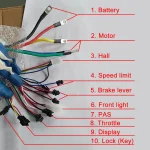
Image source: Web (Bing) / wiringview.com (Web image (fair-use with source credit))
Step 3: Assess Cell Imbalance and BMS Limits
If connections and temperature aren’t the issue, look at the cells themselves. Use a multimeter to measure resting voltage. Compare individual group voltages if possible.
A difference greater than 0.05V between groups indicates imbalance. Severe imbalance triggers BMS protection modes.
The BMS acts as a gatekeeper. It cuts power if any single cell hits its minimum cutoff voltage (usually 2.5V, 3.0V). One weak cell drags down the whole pack.
Even if other cells are full, the BMS sees the lowest one and shuts off. This protects against deep discharge damage. Diagnose this by checking post-shutdown voltages.
If one group reads significantly lower than others, that group is failing.
For detailed technical specifications on lithium-ion safety limits, consult resources like UL Standards which govern e-bike component certification. They define strict thresholds for thermal runaway prevention.
Interpreting Multimeter Readings: What’s Acceptable?
Numbers don’t lie, but interpretation does. You need baseline data to make decisions. Measure two values: Resting Voltage and Loaded Voltage.
Subtract Loaded from Resting to find the sag delta.
Calculate the sag per cell. Divide the total delta by the number of series cells (e.g., 13S for a 48V nominal pack). Here are the benchmarks for healthy Li-ion NMC chemistry:
- < 0.1V per cell: Excellent health. Low internal resistance.
- 0.1V, 0.3V per cell: Good condition. Typical for aged but functional packs.
- 0.3V, 0.5V per cell: Fair warning. Performance degrades noticeably. Plan maintenance.
- > 0.5V per cell: Poor health. Significant risk of sudden shutdown. Replacement likely needed.
Remember, these figures assume standard room temperature (20°C/68°F). Adjust expectations for colder climates. At freezing point, acceptable sag might double.
Don’t panic if winter rides show higher numbers. Just ensure the bike doesn’t shut off unexpectedly.
Also consider the load magnitude. A 0.4V drop at 5 amps is terrible. A 0.4V drop at 30 amps might be acceptable for an older pack.
Always correlate voltage change with current draw. Without knowing the amps pulled, voltage sag alone is meaningless context.
When to Stop Riding: Safety Red Flags and Compliance
Some symptoms require immediate cessation of use. Ignoring them poses fire risks. Modern e-bikes contain enough energy to cause serious burns or structural damage if mishandled.
Stop riding immediately if you observe:
- Swelling: Any bulge in the battery casing indicates gas buildup from decomposition. This is unstable. Do not puncture or compress.
- Burning Smell: Sweet or acrid odors suggest electrolyte leakage or thermal runaway initiation. Evacuate the area. Ventilate outdoors.
- Excessive Heat: If the pack is too hot to touch comfortably, disconnect it. Let it cool away from combustibles.
- Sparks/Arcing: Visible sparks at connectors mean poor contact. This melts plastic and ignites nearby materials. Repair before next use.
Compliance with local regulations is crucial. Many jurisdictions mandate adherence to UL 2849 standards for complete e-bike systems. This ensures electrical safety and fire prevention.
Using modified or uncertified batteries voids insurance coverage. It also violates transport laws like UN 38.3 for shipping lithium batteries.
If you suspect internal cell failure, do not attempt DIY repairs unless qualified. Opening sealed packs exposes live components. Short circuits can occur instantly.
Contact the manufacturer or a certified service center. They have proper disposal protocols for hazardous waste. Safety always trumps convenience.
Maintenance Strategies to Minimize Future Voltage Sag
You can’t stop chemistry from aging, but you can slow it down. Proper care keeps internal resistance low for longer. This preserves your range and prevents unexpected shutdowns on the trail.
Start with charging habits. Avoid leaving your pack at 100% or 0% for extended periods. Store it at a partial State of Charge (SoC), ideally between 40% and 60%.
This reduces stress on the electrodes. Full charges generate heat that accelerates degradation. Deep discharges strain the cells’ ability to recover voltage under load.
Keep the battery cool during storage and transport. High temperatures are the enemy of lithium-ion longevity. Park your bike in shade whenever possible.
If you ride hard, let the pack rest before recharging immediately. Giving it thirty minutes to dissipate heat helps maintain stable internal impedance.
Regularly inspect physical connections. Dust and moisture creep into ports over time. Use compressed air to blow out debris gently.
Check for corrosion on terminals every few months. Clean them with a dry cloth if needed. Tight connectors ensure efficient current flow.
Loose ones create artificial resistance points that mimic cell failure.
Software updates matter too. Manufacturers often refine BMS algorithms via firmware patches. These updates improve how the system handles peak loads.
They may adjust cutoff thresholds to protect weakening cells better. Check your brand’s support site quarterly. Install any available updates for your controller or display unit.
Finally, balance your pack periodically. Some advanced BMS units do this automatically. Others require manual intervention using specialized tools.
Balancing ensures all series groups reach the same voltage level. An unbalanced pack forces the weakest group to hit cutoff early. This wastes capacity from stronger groups.
Regular balancing maximizes usable energy and smooths out voltage delivery under stress.
Frequently Asked Questions
Is voltage sag permanent damage?
No, normal sag is temporary physics. It disappears when you stop pulling power. Permanent damage shows as reduced total capacity or inability to hold charge.
If resting voltage drops significantly after a ride, check for cell imbalance. True degradation accumulates over hundreds of cycles. Occasional heavy loads won’t kill a healthy pack instantly.
Monitor trends over weeks, not single rides.
Can I fix a dropping battery myself?
Only if the issue is external. You can tighten loose connectors or clean corroded terminals. Replacing individual cells requires professional skills and spot welders.
DIY repairs on sealed packs risk short circuits and fires. Most manufacturers void warranties if you open the casing. For internal faults, send the pack to an authorized service center.
Safety outweighs cost savings here. Never pierce swollen cells.
Does cold weather cause false alarms?
Yes, absolutely. Low temperatures increase electrolyte viscosity. This slows ion movement and raises internal resistance.
Your bike might cut out even with plenty of charge left. Warm the pack indoors before riding in winter. Insulate it with a neoprene cover during transit.
Once the cells reach operating temperature, performance returns to normal. Don’t replace batteries just because they act weird in freezing rain.
How does BMS protection trigger shutdowns?
The Battery Management System monitors cell voltages continuously. If any single cell hits its minimum threshold (often 2.5V, 3.0V), the BMS cuts output. This prevents deep discharge damage.
It protects the entire pack by sacrificing one weak link. You’ll see sudden power loss without warning signs. Resetting usually requires plugging in a charger.
The BMS waits for voltage recovery before allowing discharge again.

Similar Posts