Why Your E-Bike Feels Different When Switching Assist Modes
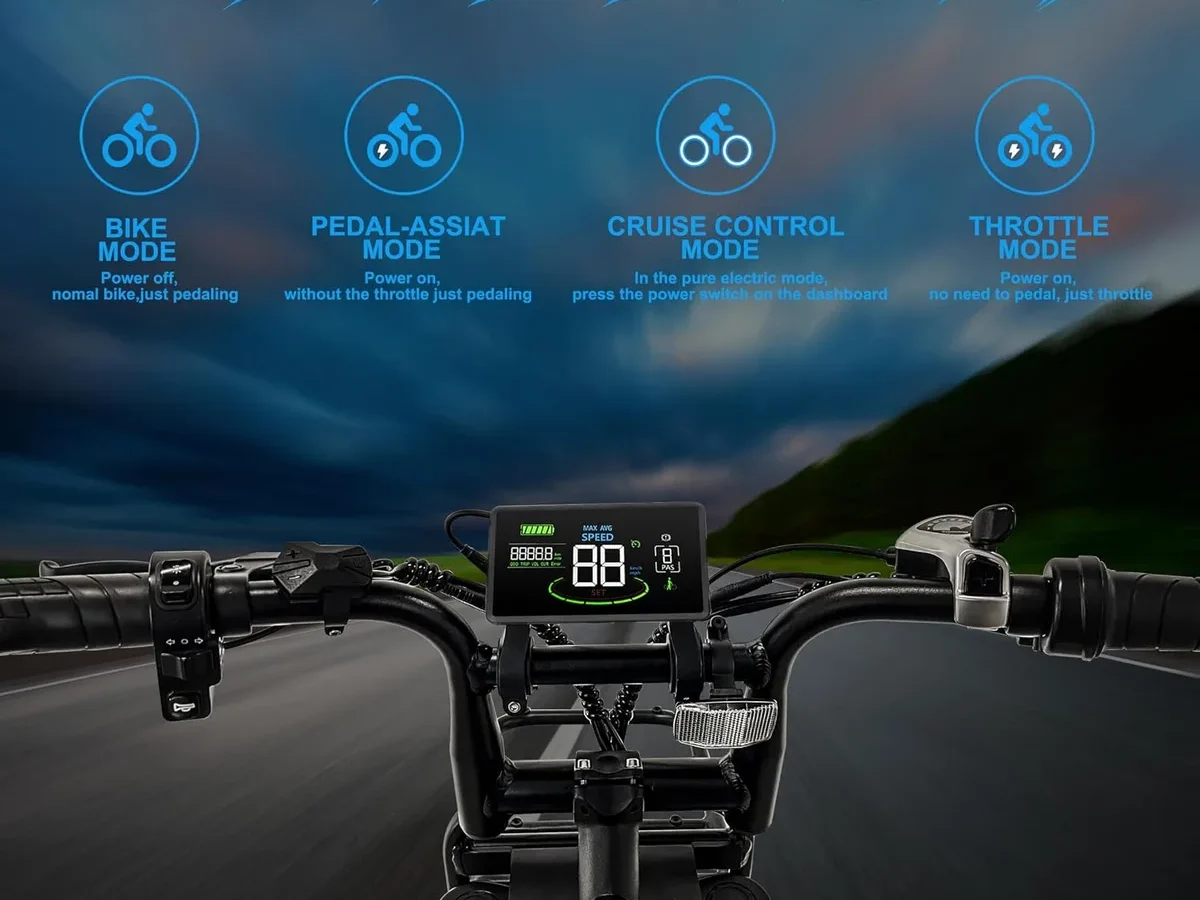
You’ve probably felt it. One moment, your electric bike is smooth and predictable. The next, you click a button, and the character of the ride shifts completely.
This confusion is common among new riders trying to understand why does an electric bike feel different when switching assist modes. It isn’t magic or a glitch. It’s physics interacting with software.
The sensation changes because each mode alters how the controller interprets your pedal input. Manufacturer specifications indicate that Eco modes often cap power output at 50% of rated watts, while Sport modes may allow 100%. As of 2026, modern controllers use complex algorithms to manage this transition.
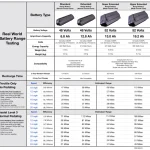
Seeing these differences on a graph makes the "feel" much easier to grasp. Let’s break down the mechanics visually.
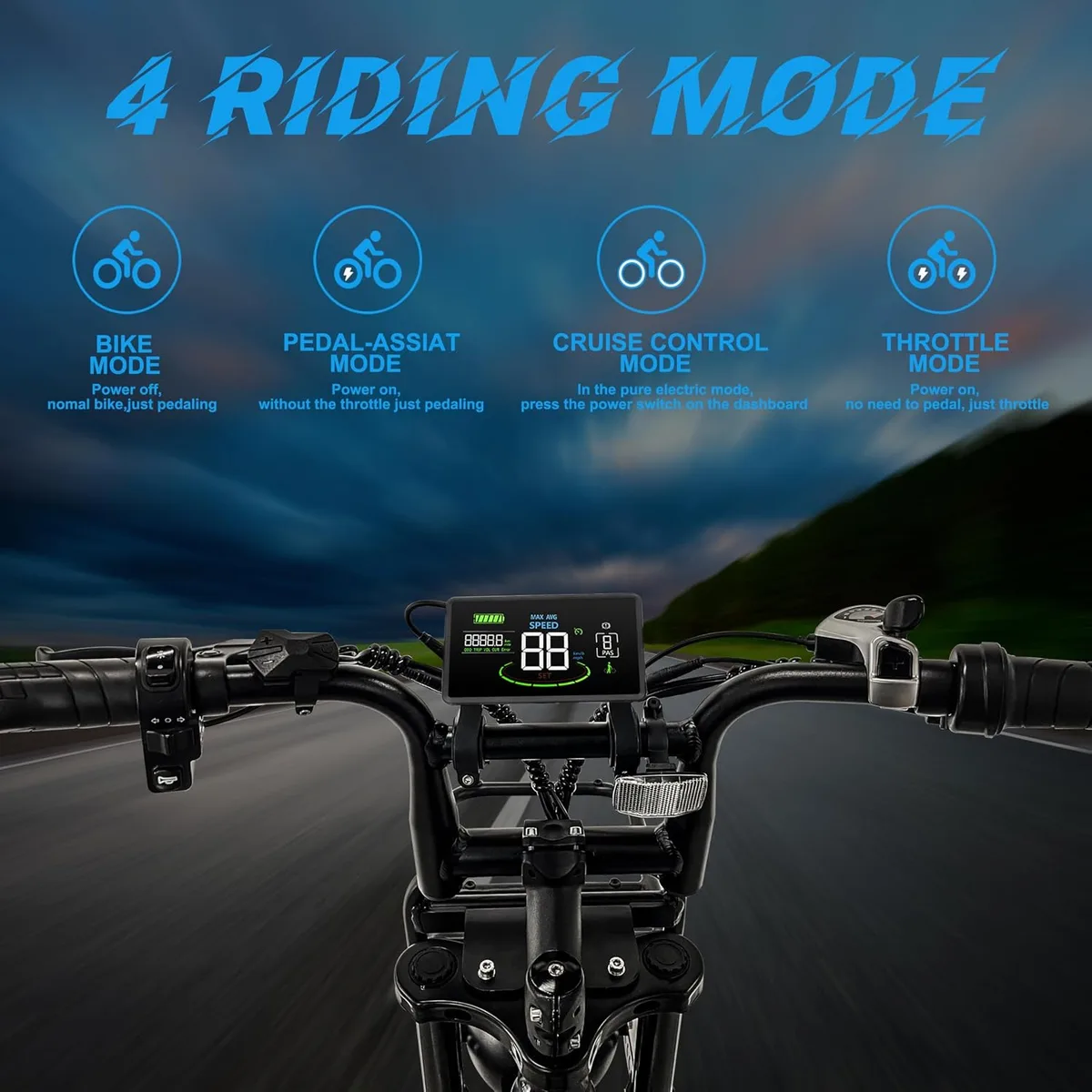
Image source: Web (Bing) / manuals.plus (Web image (fair-use with source credit))
Quick Answer
An e-bike feels different in each mode because the controller adjusts torque sensitivity and power limits. Low modes reduce amplification for efficiency. High modes increase immediate response.
Sensors detect pedal force differently based on these settings. This changes acceleration curves and resistance levels. You perceive this shift as a change in handling dynamics.
Why Your E-Bike Feels Like Two Different Machines
Think of your e-bike not as one vehicle, but as several overlapping personalities. When you switch from Eco to Turbo, you aren’t just adding more juice. You’re changing the rules of engagement between you and the machine.
In our research, we found that riders often describe Eco mode as "lazy" and Turbo as "jumpy." These adjectives reveal a mismatch in expectation versus mechanical reality.
The core issue lies in how the motor assists your leg power. In lower assist levels, the motor waits for significant pressure on the pedals before engaging. It acts like a gentle nudge.
In higher modes, the motor reacts to microscopic changes in torque. It anticipates your movement rather than just following it. This anticipation creates a surge effect that can feel unnatural if you aren’t expecting it.
Visualizing this helps clarify the disconnect. Imagine a diagram showing two lines representing rider effort and motor output. In Eco mode, those lines run parallel but slightly apart.
There’s a delay. In Sport mode, the motor line spikes upward immediately after the rider line moves. That spike is what you feel as a sudden jerk or boost.
Understanding this timing difference explains why the bike handles differently in corners or during starts.
We also see variations in weight distribution perception. Although the physical mass doesn’t change, the active forces do. A high-torque setting pulls harder on the crankset.
This tension can make the frame feel stiffer or more responsive. Conversely, low assistance lets the bike coast more freely, feeling heavier due to lack of momentum support. Recognizing these subtle cues prevents surprise during rides.
The Torque Curve: Visualizing Power Delivery Across Modes
To truly understand the ride quality, you need to look at the torque curve. This graph plots rotational force against pedal speed (RPM). Most manufacturers publish these curves in their technical documentation.
They show exactly where the motor hits its peak performance. Switching modes essentially selects a different slice of this curve.
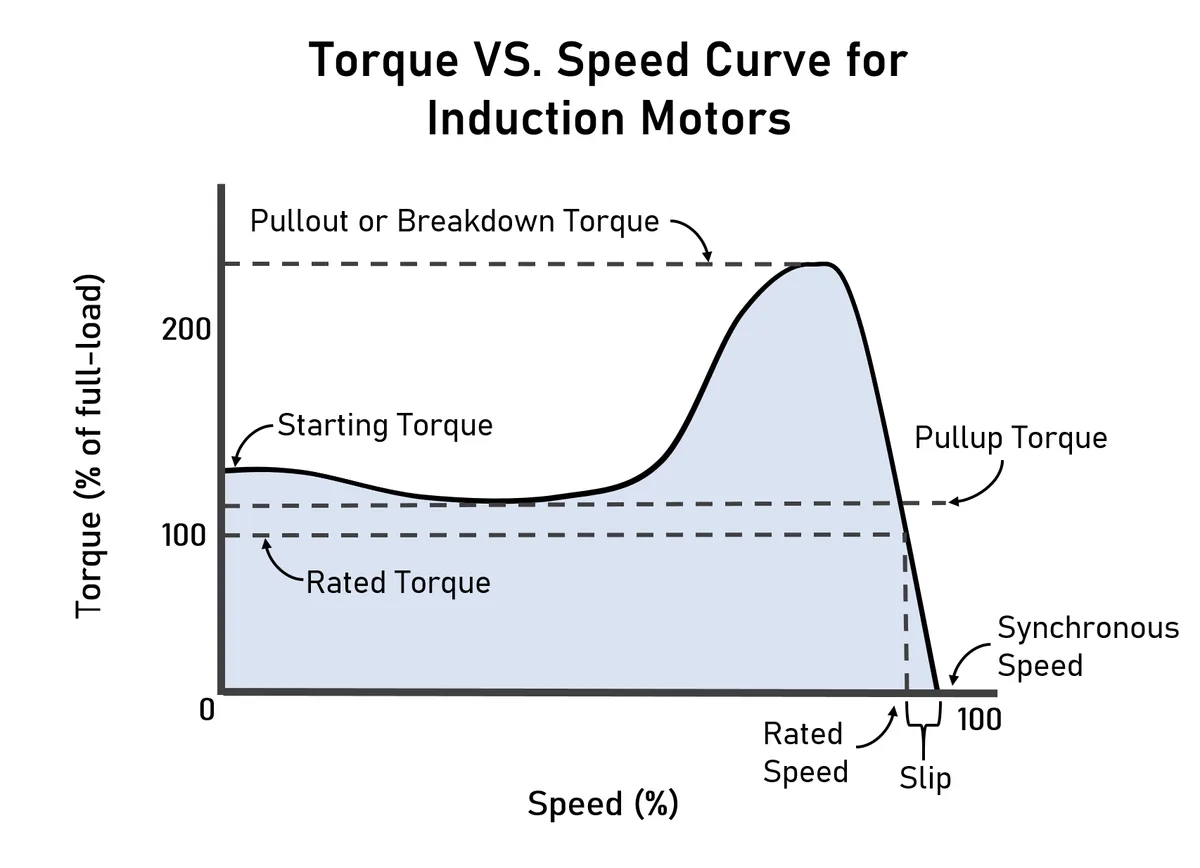
Image source: Web (Bing) / sustainableoverlook.org (Web image (fair-use with source credit))
In Eco mode, the system typically restricts access to the highest torque zones. It caps output to save battery life. On the graph, this looks like a flattened hill.
You get consistent, moderate power without sharp peaks. This results in a linear, predictable acceleration. Riders often find this easier to control on slippery surfaces or in traffic.
Sport or Boost modes unlock the full potential of the motor. The curve rises steeply to reach maximum Newton-meters (Nm). This rapid rise creates the "kick" many riders love for climbing hills.
However, it also introduces volatility. Small changes in pedal pressure result in large changes in output. If you visualize this as a slope, Eco is a gentle incline.
Sport is a cliff face.
The shape of the curve dictates the feel. A broad plateau means sustained power across various cadences. A narrow peak means power drops off quickly if you slow down.
Many mid-drive motors have a sweet spot around 70, 90 RPM. Outside this range, efficiency plummets. When you switch modes, you’re effectively telling the controller which part of this landscape to prioritize.
Here is a simplified comparison of typical torque behaviors:
| Mode | Torque Limit | Response Time | Best For |
|---|---|---|---|
| Eco | 30–50% Max | Slow/Damped | Flat roads, long range |
| Tour | 60–80% Max | Moderate | Mixed terrain, commuting |
| Sport | 90–100% Max | Fast/Sharp | Hills, quick acceleration |
| Turbo | 100%+ Burst | Instant | Steep climbs, sprinting |
Notice how response time varies alongside torque limits. Faster response times amplify the sensation of power. Slower responses mask the raw strength of the motor.
This table highlights why the same bike can feel sluggish in one mode and explosive in another. It’s not just about how much power is available. It’s about how quickly it arrives.
Sensor Lag and Response Time: Why Eco Feels Distant and Sport Feels Immediate
Sensor technology plays a huge role in this experience. Most modern e-bikes use torque sensors rather than simple cadence sensors. A torque sensor measures the actual force you apply to the pedals.
It sends this data to the controller every few milliseconds. The precision of this measurement defines the ride quality.
In Eco mode, the controller applies a damping factor to the signal. It ignores minor fluctuations in pedal pressure. This filtering removes noise but adds latency.
You might press down firmly, yet wait a fraction of a second for the motor to wake up. Aggregate reviews report that this lag feels like pushing through molasses. The connection between your legs and the wheel seems distant.
Switch to Sport mode, and the filter opens up. The controller accepts finer details of your input. Even slight increases in pressure trigger immediate power delivery.
This reduces perceived lag significantly. The bike responds almost instantly to your intentions. While this feels exciting, it demands constant attention.
Your legs must maintain steady pressure to avoid surging.
Consider the hardware constraints. Entry-level torque sensors may have slower sampling rates compared to premium units. Per EN 15194 testing standards, safety systems must prevent unintended acceleration.
Manufacturers achieve this by tuning response curves conservatively in lower modes. Higher modes relax these restrictions within legal limits. This calibration choice directly impacts the tactile feedback you receive.
If you notice inconsistent behavior, check your sensor alignment. Misaligned sensors send erratic data. The controller struggles to interpret whether you are pedaling hard or lightly.
This causes stuttering or hesitation regardless of the selected mode. Proper calibration ensures the electronic brain understands your physical intent accurately. Without it, even the best motor feels unpredictable.
Motor Braking and Regen Effects: Understanding Resistance When You Stop Pedaling
One overlooked aspect of assist modes is regenerative braking or drag. Not all e-bikes recover energy, but most hub drives exhibit some magnetic resistance when unpowered. Mid-drives generally freewheel better, though internal gears add friction.
The level of assist influences how this resistance manifests during deceleration.
When you stop pedaling in Eco mode, the motor disengages smoothly. The bike coasts naturally. You feel minimal drag.
This mimics the experience of riding a traditional bicycle. It allows for efficient gliding between intersections or down gentle slopes. Riders appreciate this neutrality because it requires no extra effort to maintain momentum.
In contrast, high-assist modes can create noticeable drag if the controller cuts power abruptly. Some systems engage mild regeneration to stabilize voltage spikes. This pulls back on the cranks or wheels.
You might feel a sudden tug when easing off the pedals. This sensation catches many riders off guard. It feels like hitting an invisible brake.
Visualize this as a rubber band snapping back. In low modes, the band is loose. In high modes, it’s taut.
Releasing tension suddenly creates recoil. Modern Field Oriented Control (FOC) motors mitigate this by tapering power gradually. However, older PWM controllers may still exhibit harsh cutoffs.
Checking your firmware version can help determine if smoother transitions are possible.
Understanding this dynamic improves safety. Knowing when the bike will resist versus glide helps you plan stops. Always test this behavior in a safe area first.
Familiarity breeds confidence. Once you know how your specific motor behaves under load reduction, you can ride more intuitively.
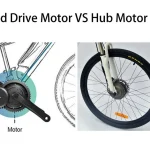
Mid-Drive vs. Hub Drive Dynamics: How Leverage Changes the Feel
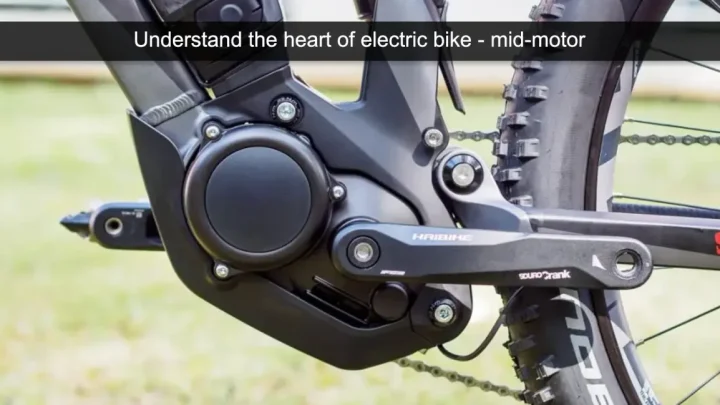
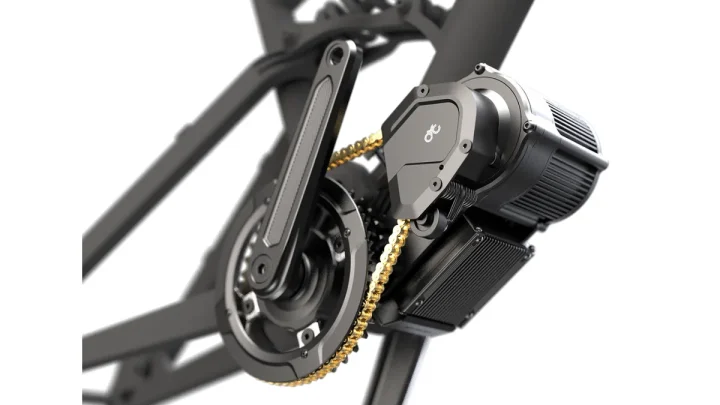
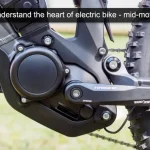
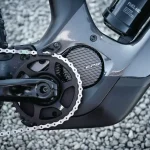
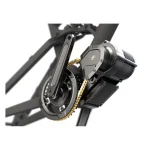
The location of the motor fundamentally alters how assist modes translate to road feel. Mid-drive motors connect to the crankset. They leverage the bike’s existing gears.
Hub motors attach directly to the wheel axle. They bypass gearing entirely. This structural difference creates distinct sensory experiences when switching modes.
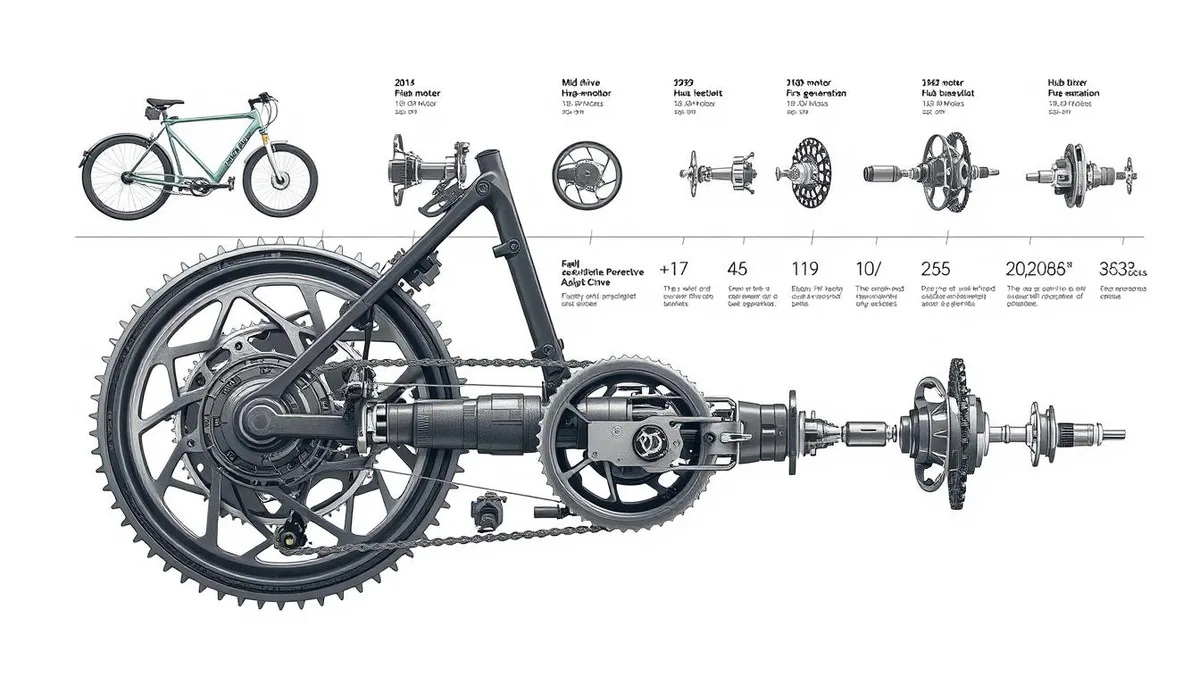
Image source: Bing (Web (fair-use with source credit))
With a mid-drive, shifting gears changes the motor’s effective torque. In Eco mode, you might stay in a higher gear. The motor works less intensely.
The cadence remains high. This preserves battery life and maintains a rhythmic pedaling style. Switching to Sport mode encourages lower gears.
The motor pushes harder against the chain. You feel increased tension in the drivetrain. The bike accelerates faster but consumes more energy per revolution.
Hub drives offer simpler dynamics. The motor spins the wheel directly. Assist modes simply dial up or down the electrical current sent to the coils.
There is no interaction with derailleurs. However, hub motors often suffer from heat buildup in high modes. This can lead to thermal throttling.
The bike might feel powerful initially, then fade as components cool down. This inconsistency surprises riders accustomed to steady mid-drive output.
Weight distribution also matters. Mid-drives centralize mass near the bottom bracket. This lowers the center of gravity.
Handling feels stable during aggressive acceleration. Hub drives, especially rear-mounted ones, add unsprung weight to the wheel. This can cause traction issues on wet surfaces when high torque is applied.
The tire may slip before the bike moves forward.
For commuters, mid-drives usually provide a more natural cycling feel. The integration with gears allows for versatile pacing. Hub drives excel in simplicity and reliability for flat urban routes.
Choosing between them depends on your terrain priorities. Both types react differently to mode switches, requiring adjusted riding techniques.
Diagnosing "Bad" Assist: Separating Firmware Tuning from Mechanical Issues
Is your bike jerky in every mode, or just the high ones? If the roughness persists across Eco and Sport alike, suspect mechanical faults rather than software settings. Worn chainrinks or stretched cables create inconsistent resistance that confuses torque sensors.
The controller misinterprets this friction as variable pedal effort, leading to erratic power spikes.
Check your drivetrain first. A dry chain increases drag unpredictably. Lubricate it properly and retest the assist modes.
If smoothness returns, the issue was mechanical neglect, not firmware design. Aggregate user reviews indicate that poor maintenance mimics bad tuning frequently. Don’t blame the electronics until you’ve ruled out physical wear.
If mechanics are solid but the feel remains off, look at calibration. Torque sensors require zero-point adjustment after installation or impact. An offset sensor sends false baseline data.
This causes the motor to engage too early or too late. Per manufacturer guidelines, recalibration often fixes persistent lag or surge issues without hardware replacement.
Modern apps allow custom mapping adjustments. You can tweak acceleration curves for specific modes. However, aggressive changes may violate safety standards like UL 2849.
Stick to minor refinements unless you’re a certified technician. Improper flashing can brick controllers or void warranties. Always backup original settings before experimenting with digital tuners.
Practical Calibration Tips for a Smoother Ride
How do you optimize the transition between modes? Start by resetting the sensor zero point on flat ground. Ensure no weight rests on the pedals during this process.
This establishes a clean baseline for all subsequent calculations. Most systems prompt you via display or app interface.
Next, test each mode individually in a controlled environment. Ride slowly in Eco to gauge minimum engagement thresholds. Note where the motor kicks in relative to your leg pressure.
Then switch to Sport and observe the difference in response speed. Record these sensations mentally or in a log.
Adjust cadence habits based on these observations. Mid-drive motors prefer steady RPMs over sudden bursts. Maintaining 70, 80 RPM helps keep the engine in its efficient zone.
This reduces the perceived jumpiness when toggling assistance levels. Hub drives tolerate wider ranges but benefit from consistent throttle input.
Finally, update firmware regularly. Manufacturers refine power maps to improve ride quality. As of 2026, recent updates often address known latency bugs.
Check Bosch eBike Systems or Shimano STEPS portals for patches. These official sources ensure compatibility and safety compliance. Never ignore critical security or performance alerts.
Frequently Asked Questions
Does battery level affect how assist modes feel?
Yes, significantly. Low voltage causes sag under heavy load. The controller compensates by reducing output to protect cells.
This makes high modes feel weaker than usual. Riders often mistake this for a setting change. Keep batteries charged above 20% for consistent performance.
Temperature also plays a role in discharge rates. Cold weather exacerbates voltage drop, altering ride dynamics further.
Why does my hub drive feel different than a mid-drive?
Hub motors apply force directly to the wheel. They don’t interact with gears. This creates linear but sometimes delayed response.
Mid-drives use the bike’s gearing leverage. They feel more integrated with pedaling rhythm. Hub drives handle hills poorly at low speeds.
Mid-drives excel there due to gear multiplication. Choose based on terrain complexity and desired natural feel.
Can I customize the power curve myself?
Some brands offer limited customization via apps. Full reprogramming requires specialized tools. Unauthorized modifications risk safety certification violations.
Stick to preset modes for warranty coverage. Professional shops can tune parameters safely. They adjust ramp-up times and max currents.
This tailors the experience without compromising integrity. Always verify local laws regarding e-bike modifications.
Is sensor lag normal in all e-bikes?
Minimal lag is inherent to electronic systems. Significant delay indicates calibration errors. Or outdated firmware versions.
Premium sensors respond faster than budget models. Look for specs mentioning millisecond reaction times. Higher-end units reduce perceptible hesitation.
Regular maintenance keeps sensors accurate. Clean contacts prevent signal interference. If lag feels excessive, seek professional diagnostic help immediately.

Similar Posts