Winterize Your E-Bike: Essential Pre-Storage Steps
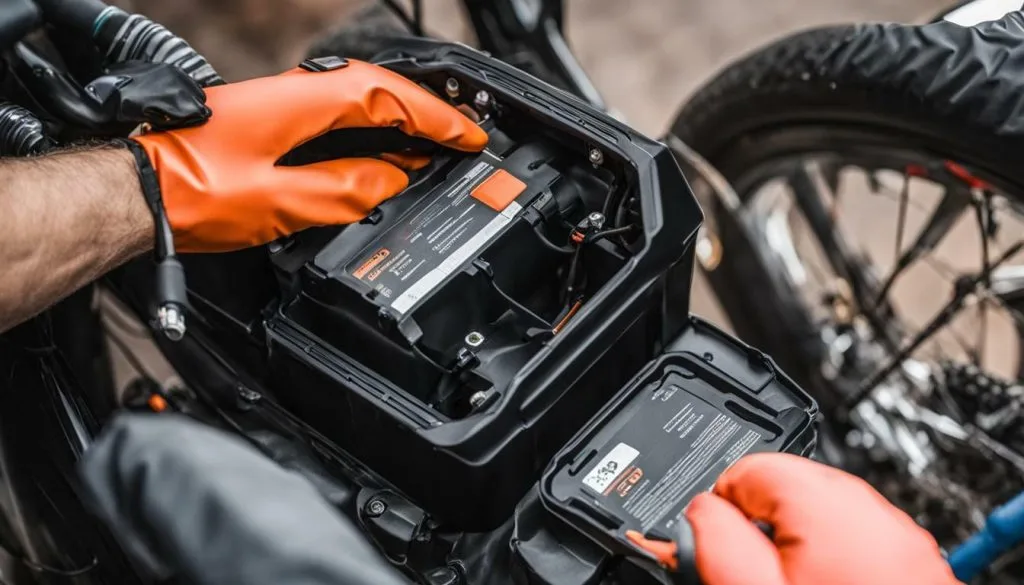
Wondering what should you do before storing an electric bike for winter? You’re not alone. Many riders assume parking the bike is enough, but cold weather and humidity can silently wreck expensive components.
Ignoring proper prep leads to dead batteries, rusted chains, and seized brakes come spring.
The stakes are higher than with standard bicycles. Lithium-ion cells degrade rapidly if left fully charged or deeply discharged in freezing temps. Per UL 2849 standards, improper storage voids warranties and creates fire risks.
We’ve broken down the essential steps to keep your e-bike ready for action. Let’s start with why this isn’t just about tidying up.
Image source: Bing (Web (fair-use with source credit))
Start Here: Why Winter Storage Isn’t Just “Parking”
Storing an e-bike differs vastly from hanging a traditional bike on a hook. The electrical system introduces unique vulnerabilities. Moisture ingress can corrode connectors within weeks.
Cold temperatures slow chemical reactions in the battery, potentially causing permanent capacity loss.
Think of it as preventive medicine. Skipping these steps invites costly repairs. A new motor controller costs hundreds.
Replacing a degraded battery pack runs even higher. Proper storage preserves both function and value. It ensures the bike starts smoothly when snow melts.
We treat this as a critical maintenance window. Unlike summer upkeep, winter prep requires specific conditions. You aren’t just cleaning dirt.
You are stabilizing electronics and lubricants against long-term stagnation. This distinction matters for longevity.
Quick Answer
Before storing an electric bike for winter, remove the battery and charge it to 40-60%. Clean the frame thoroughly to remove road salt and grime. Lubricate the chain or belt drive properly.
Inflate tires to recommended pressure levels. Store the bike indoors in a cool, dry place away from direct heat sources. Check the battery voltage every few weeks.
Disconnect displays if possible to prevent power drain. Use a breathable cover to protect against dust and moisture. Avoid leaving the bike outside in freezing rain or snow.
These steps prevent corrosion, battery degradation, and mechanical seizing during dormancy.
The Battery Decision: To Remove or Not to Remove?
Yes, you should almost always remove the battery. Leaving it attached exposes sensitive cells to extreme temperature swings. Most manufacturers specify removal for optimal preservation.
Integrated batteries require careful adherence to their specific manuals. Always check your owner’s guide first.
If your battery is removable, take it out. This isolates the most fragile component. It prevents parasitic drain from the bike’s controller.
Even in "off" mode, some systems draw micro-currents. Over months, this depletes the cell dangerously low.
For integrated designs, disconnect the display unit. This cuts auxiliary power loops. Verify that no LEDs remain active.
Some controllers stay partially energized. Unplugging the sensor cable helps ensure total shutdown. Never store a swollen or damaged pack.
Dispose of it safely per local regulations.
Check Your Manufacturer’s Specific Protocol First
Brands like Bosch, Shimano, and Yamaha have distinct requirements. Bosch recommends storing Li-ion packs at room temperature. They advise against leaving them in unheated garages below 5°C.
Shimano STEPS systems may tolerate slight variations but still prefer indoor storage.
Yamaha PW series documentation emphasizes avoiding full discharge. They suggest checking voltage monthly. Ignoring these specifics risks warranty claims.
As of 2026, most major OEMs align on the 40-60% rule. Deviating without cause is asking for trouble. Consult the manual before assuming generic advice applies.
Setting the Right State of Charge (40–60% Rule)
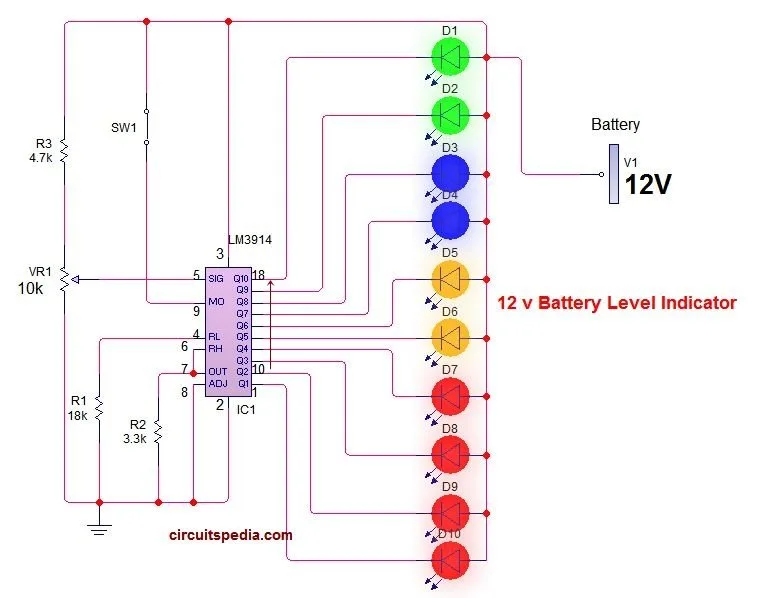
Charge or discharge the battery to sit between 40% and 60%. This range minimizes stress on lithium ions. Full charges accelerate aging via high voltage strain.
Deep discharges risk falling below critical thresholds. Cells die permanently under 3.0V each.
Use the original charger for accuracy. Third-party units may misreport levels. Plug the battery into a smart meter if available.
Watch for completion indicators. Do not leave it charging overnight unnecessarily. Once at target SoC, disconnect immediately.
Store the pack in a protective bag. Keep it away from metal objects. Short circuits cause fires.
Label the bag with the current date. This reminds you when to check next. Rotate stock if you own multiple bikes.
Consistency protects long-term health.
Cleaning and Drying: Preventing Corrosion Before It Starts
Wash the bike thoroughly before storage. Road salt accelerates rust on steel frames and aluminum joints. Mud traps moisture against bearings.
Use mild soap and lukewarm water. Avoid high-pressure hoses near motors or displays. Water intrusion kills electronics faster than dirt does.
Dry every surface completely. Compressed air helps blow out crevices. Pay attention to brake calipers and derailleur pivots.
Leftover dampness causes oxidation overnight. Wipe down the frame with a microfiber cloth. Ensure no puddles remain in downtube holes.
Apply a light coat of silicone spray to non-drive parts. This repels future moisture. Do not overspray rotors or pads.
Contaminants ruin braking performance. Focus on cables, housing ends, and plastic covers. Cleanliness equals protection here.
Removing Road Salt, Mud, and Moisture Traps
Salt residue eats away at welds and bolts. Rinse the underside of the frame carefully. Check around the bottom bracket shell.
Debris accumulates there easily. Use a soft brush for stubborn spots. Harsh chemicals damage paint and decals.
Stick to pH-neutral cleaners designed for bikes.
Inspect fender mounts and rack attachments. Grit hides behind these accessories. Remove them if possible for better access.
Scrub until surfaces feel smooth. Rinse twice to ensure no soap remains. Soap film attracts dust later.
Clean rinses preserve finish integrity.
Protecting Electrical Contacts and Displays
Cover the battery terminals with insulating tape. Exposed contacts oxidize quickly in humid air. Tape prevents accidental shorts too.
Remove stickers gently to avoid residue. Clean contact points with isopropyl alcohol swabs. Let them dry fully before taping.
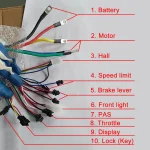
Disconnect the LCD display if removable. Screens attract condensation inside casings. Wrap loose wires neatly.
Secure them with zip ties. Loose cables snag during handling. Tidy wiring reduces tripping hazards.
Store small parts in labeled bags. Organization saves time in spring.
Mechanical Prep: Tires, Brakes, and Drivetrain
Tires lose pressure over time. Under-inflated tires develop flat spots. Rubber hardens where it touches the ground.
Inflate them to the upper end of the recommended range. Check sidewalls for maximum PSI ratings. Nitrogen fills retain pressure slightly longer.
Air works fine if checked monthly.
Lift the bike off the ground if possible. Hang it by the frame, not wheels. This removes static load from tires.
Suspension forks should be cleaned and lightly oiled. Seal dust wipers prevent drying out. Dry seals crack and leak fluid.
Apply fork oil to stanchions sparingly.
Inflating Tires to Avoid Flat-Spotting
Proper inflation maintains tire shape. Low pressure causes irreversible deformation. High pressure stresses casing walls.
Find the sweet spot listed on the tire. Usually, this is 40-60 PSI for hybrids. Mountain bikes vary widely by model.
Rotate the wheels occasionally if hung. Movement redistributes internal air. It prevents localized weak points.
Inspect tread for embedded glass or stones. Remove debris before storage. Sharp objects pierce tubes slowly over months.
Vigilance pays off later.
Lubricating Chains vs. Belt Drives
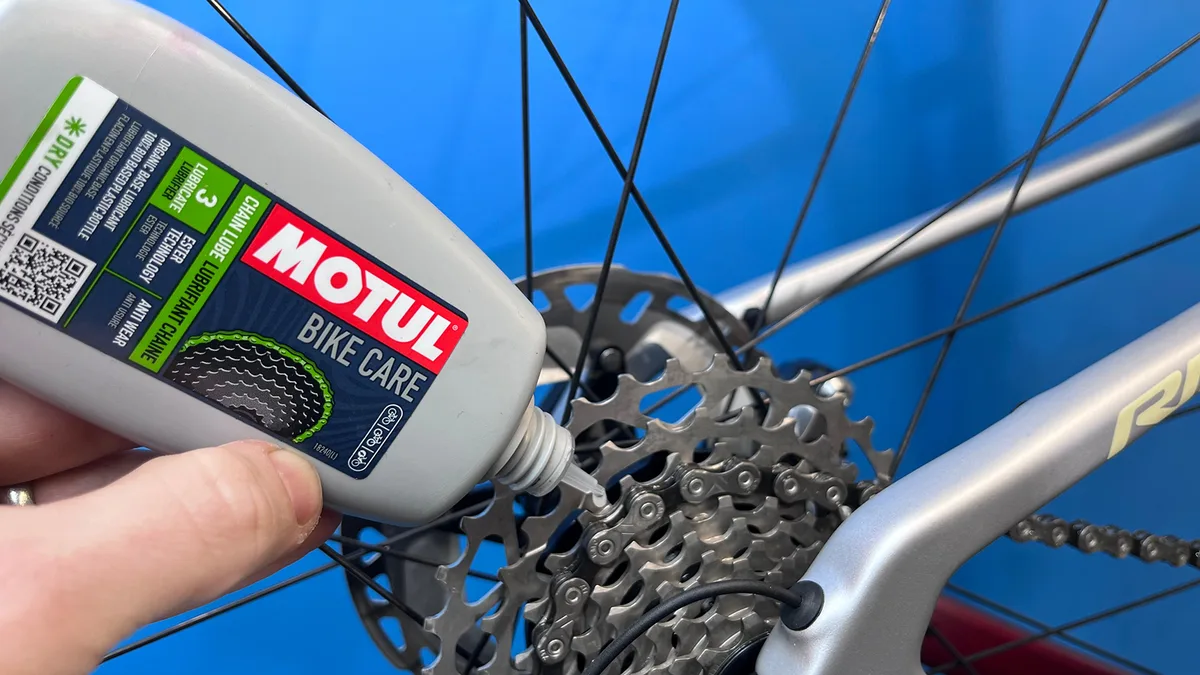
Chains need heavy-duty lube. Wet lubes resist wash-off but attract grit. Dry lubes stay cleaner but wear faster.
For winter storage, apply a thin film of wax-based lubricant. It penetrates rollers without gumming up. Wipe excess off externally.
Excess lube collects dust.
Belt drives require different care. Gates Carbon Drive belts need no lubrication. Clean them with soapy water only.
Check tension according to manufacturer specs. Slack belts slip and glaze. Tight belts bearing overload hubs.
Adjust idler pulleys if necessary. Belts last years if treated right.
Keeping Brake Pistons Active
Hydraulic discs suffer from piston sticking. Lack of movement lets seal grease harden. Pump the lever ten times before storage.
This extends pistons slightly. It keeps seals flexible. Avoid touching rotors with oily fingers.
Contamination reduces bite force.
Mechanical disc brakes need cable adjustment. Loosen cables slightly to relieve pad pressure. Constant squeeze wears pads unevenly.
Rim brakes should have pads spread apart. Springs weaken under constant compression. Separate pads using spacers.
This preserves spring tension effectively.
Where You Store Matters: Garage, Shed, or Apartment?
Your storage location dictates the environmental risks. An unheated garage often dips below freezing. This shocks lithium cells and stiffens grease.
A heated apartment is ideal but space-constrained. Choose based on temperature stability first.
If you must use a shed, elevate the bike. Concrete floors draw moisture from the air. Place wooden pallets underneath the tires.
This creates an air gap for circulation. It prevents condensation pooling on metal parts.
Avoid direct sunlight exposure in any setting. UV rays degrade rubber seals and plastics. Fade paint finishes over time.
Use a breathable cotton cover if needed. Plastic tarps trap sweat against the frame. That trapped humidity causes rust quickly.
Temperature and Humidity Control Guidelines
Keep the ambient temperature between 10°C and 20°C. Below 5°C, battery chemistry slows dangerously. Above 25°C, self-discharge rates spike.
Monitor with a simple hygrometer. Aim for relative humidity under 60%.
High humidity promotes galvanic corrosion. Aluminum frames react with steel bolts. Apply anti-seize compound to threaded connections.
This barrier stops rust welding them shut. Check corner stores for mold growth too. Mold spores attack leather saddles and grips.
In coastal areas, salt air accelerates decay. Rinse the bike more frequently before storage. Consider a dehumidifier for enclosed spaces.
Running it intermittently saves energy. Dry air preserves electronics better than damp air. Invest in protection for long-term health.
Rodent Proofing Wiring Harnesses
Mice love nesting in warm engine bays. E-bike motors generate residual heat. They chew through insulation during winter nights.
Damaged wires cause shorts or total failure. Seal entry points with steel wool.
Wrap exposed cables in protective conduit. Flexible split loom tubing works well. Secure it with zip ties regularly.
Remove food sources from nearby shelves. Clutter invites pests into your workspace. Keep the area clean and dry.
Use peppermint oil sachets as deterrents. Mice dislike strong scents like this. Replace them every few weeks.
Ultrasonic repellers offer mixed results. Physical barriers remain the most reliable defense. Inspect wiring monthly for gnaw marks.
Early detection saves expensive repairs later.
Common Mistakes That Kill E-Bike Batteries
Leaving the battery at 100% charge is fatal. High voltage stresses internal cell structures. Capacity drops permanently after months.
Conversely, letting it hit 0% triggers safety locks. The BMS may refuse to recharge it. Both extremes destroy value rapidly.
Storing batteries in freezing temps causes damage. Electrolyte viscosity increases significantly. Internal resistance rises sharply upon startup.
This strains components unnecessarily. Warm the pack gradually before use. Never charge a cold lithium-ion cell.
Wait until it reaches room temperature first.
Ignoring terminal cleanliness leads to poor contact. Oxidation builds up on copper pins. Resistance generates heat during charging cycles.
Clean contacts with eraser pads gently. Avoid abrasive sandpaper that scratches plating. Proper maintenance ensures efficient power transfer.
Neglect here shortens overall lifespan drastically.
Spring Reactivation Checklist
Start by inspecting the battery visually. Look for swelling or leakage signs. If damaged, do not attempt charging.
Contact a certified service center immediately. Safety comes before convenience always. Check tire pressure again after months.
Air escapes slowly through valve cores.
Reconnect the display unit carefully. Ensure cables seat firmly in ports. Loose connections trigger error codes.
Power on the system briefly. Verify firmware versions match expectations. Update software if new patches exist.
Outdated code affects performance metrics.
Spin the wheels freely to check bearings. Listen for grinding or clicking noises. Lubricate the chain once more.
Wipe off old grime buildup. Test brake lever feel progressively. Pads may stick initially.
Ride slowly for the first mile. Allow components to bed in properly. Confirm full functionality before commuting.
FAQs: Quick Answers for Urgent Questions
Can I leave my e-bike battery installed?
Only if the manufacturer explicitly permits it. Most recommend removal to prevent drain. Integrated systems vary by brand design.
Check your specific user manual guidelines. When in doubt, remove the pack. Store it separately in a cool place.
This isolates the most sensitive component.
How often should I check the stored battery?
Inspect voltage levels every four to six weeks. Top up if it drops below 40%. Do not let it reach critical lows.
Monthly checks suffice for stable environments. Record readings to track self-discharge rates. Consistent monitoring prevents deep discharge events.
Save the cell from permanent damage.
What if my garage gets very cold?
Move the battery indoors temporarily. Lithium ions hate sub-zero temperatures. Store the frame outside if necessary.
But keep electronics warm and dry. Use insulated bags for transport. Let packs acclimate before charging.
Rapid warming causes condensation issues. Patience protects internal circuitry effectively.
Should I deflate my tires for storage?
No, never fully deflate pneumatic tires. Low pressure causes sidewall cracking. Maintain recommended PSI levels instead.
Slightly higher pressures reduce flat-spotting risk. Check valves for leaks periodically. Nitrogen fill retains pressure longer.
Regular inspections catch slow punctures early. Keep rubber supple and intact.

Similar Posts