10 Key Questions to Ask Before Booking E-Bike Service
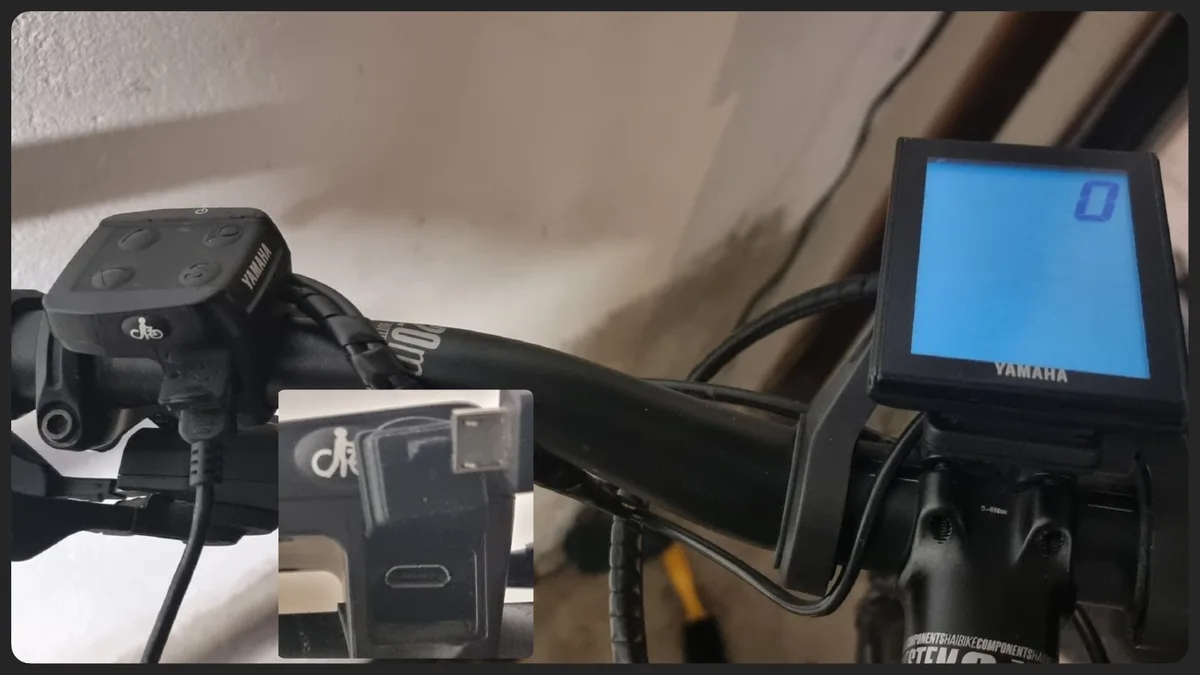
Figuring out what questions should you ask before booking electric bike servicing is crucial because standard mechanical repairs don't cover complex electrical systems. Most local shops handle chains and brakes well, but they often lack the specific tools for high-voltage components. You need to verify their capability to avoid costly mistakes or safety hazards.
Our research indicates that improper battery handling causes significant warranty voids and potential fire risks. Per UL 2849 standards, e-bikes require specialized diagnostic attention that differs from traditional bicycles. Let's walk through the essential checks you need to perform before handing over your keys.
Quick Answer
Before booking, ask if the shop holds high-voltage certification. Confirm they use proprietary diagnostic software like Bosch or Shimano tools. Verify their battery storage protocols meet IEC 62133 safety standards.
Check if they source OEM parts to preserve your warranty status. Finally, ensure they provide a detailed written service report post-inspection. These steps protect your investment and ensure rider safety.
The Real Risk of Generic Bike Shops for E-Bikes
Many riders assume any bicycle mechanic can fix an e-bike. That assumption is dangerous. Electric bikes contain high-voltage lithium-ion batteries and sensitive motor controllers.
A standard shop might treat these as regular accessories rather than critical safety components.
If a technician lacks specific training, they may misdiagnose electrical faults as mechanical issues. This leads to unnecessary part replacements and wasted money. Worse, improper handling of damaged cells can cause thermal runaway events.
Aggregate user reviews frequently cite poor communication as a top complaint. Shops often fail to explain why a repair was needed.
You must distinguish between a generalist and a specialist. Generalists are fine for tire changes or brake pads. Specialists have the equipment to read error codes and calibrate sensors.
Choosing the wrong provider risks your safety and your wallet. Always prioritize certified expertise over convenience or lower labor rates.
Image source: Bing (Web (fair-use with source credit))
Step 1: Verify High-Voltage Certification and Insurance
Start by asking directly if the staff has completed manufacturer-specific training. Brands like Bosch, Shimano, and Yamaha offer official certification programs. These courses teach safe handling of 36V to 72V systems.
Without this training, technicians are guessing.
Next, inquire about their insurance coverage. Standard liability policies often exclude high-voltage work. If a battery catches fire during service, who pays?
Reputable shops carry specific endorsements for e-bike maintenance. They should be able to show proof upon request.
Also, check their adherence to safety standards. Look for compliance with UL 2849, which covers complete system safety. This ensures the shop understands the interplay between the battery, motor, and controller.
If they hesitate on these questions, walk away. Your safety depends on their competence and accountability.
Step 2: Confirm Access to Proprietary Diagnostic Tools
Modern e-bikes rely heavily on software. Mechanical fixes alone won't solve connectivity errors or firmware bugs. You need to know if the shop owns the necessary diagnostic hardware.
For example, Bosch requires the DiagnosticTool 3 interface. Shimano uses the ETUBE Service Station app and cable.
Ask specifically: "Do you have live access to update firmware?" Many independent shops lack subscription licenses. This means they cannot clear certain error codes or optimize motor mapping. Outdated firmware can reduce range or cause sudden power cuts.
| Brand | Required Tool | Primary Function |
|---|---|---|
| Bosch | DiagnosticTool 3 | Error code clearing, firmware updates |
| Shimano | ETUBE Service Station | Battery calibration, assist mode tuning |
| Brose | Brose Assistant App | Motor parameter adjustment, diagnostics |
| Yamaha | PW Series Diag. | System health checks, sensor alignment |
Without these tools, the shop performs blind repairs. They might replace a working sensor because they couldn't test it properly. Ensure they can plug into your bike’s digital brain.
This step separates true specialists from hobbyists.
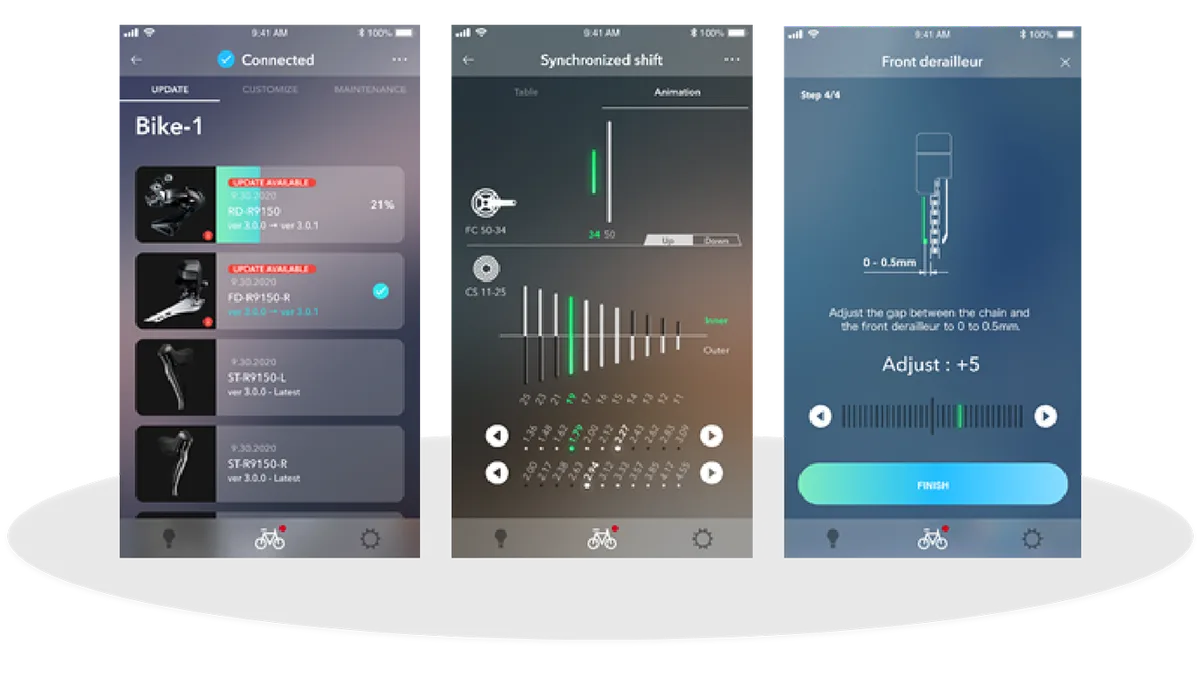
Image source: Bing (Web (fair-use with source credit))
Step 3: Ask About Battery Handling and Storage Protocols
Lithium-ion batteries are volatile. Improper storage or handling degrades capacity rapidly. Ask how they store incoming batteries during service.
Do they keep them at room temperature? Extreme heat accelerates chemical decay.
Inquire about their charging procedures. Some shops leave batteries plugged in overnight. While modern BMS (Battery Management Systems) prevent overcharging, constant trickle charging adds stress.
Manufacturer specifications recommend storing Li-ion packs at 30, 50% charge for long-term preservation.
Check if they follow IEC 62133 guidelines for cell safety. This international standard dictates transport and storage conditions for secondary lithium cells. Technicians should inspect connectors for corrosion before reconnecting.
Damaged pins cause resistance, leading to overheating.
A good shop will visually inspect the casing for dents or swelling. They should log voltage readings before and after service. If they skip these details, they’re treating your expensive energy source like a simple AA battery.
Demand transparency on how they protect your most valuable component.

Image source: Bing (Web (fair-use with source credit))
Step 4: Clarify Parts Sourcing and Warranty Implications
Using non-OEM parts can void your remaining manufacturer warranty. Ask explicitly: "Will you use genuine components or aftermarket alternatives?" Genuine parts guarantee compatibility with the motor controller. Aftermarket belts or chains might fit physically but disrupt torque sensing accuracy.
For older models, availability varies. Some brands discontinue support quickly. In our research, we found that authorized dealers often have better stock levels.
Independent shops may order third-party equivalents to save costs. You deserve to know what goes into your bike.
Document everything. Request a written estimate listing part numbers. If a shop refuses to specify sourcing, suspect cost-cutting measures.
Also, ask about labor warranties. If the same issue recurs within 30 days, do they cover the rework? Clear terms prevent disputes later.
Protect your resale value by insisting on traceable, quality components.
Common Red Flags When Booking Your Service Slot
Watch out for shops that dismiss your concerns about electrical systems. If a mechanic says, "It's just a bike," they likely lack specialized training. This attitude often leads to sloppy work on sensitive components like the display unit or wiring harnesses.
Another major warning sign is vague pricing. A reputable shop provides itemized estimates before starting work. Be wary if they refuse to break down labor costs versus parts.
Hidden fees frequently appear after the service is complete, catching you off guard.
Also, check their turnaround time promises. E-bike repairs can be complex. If they guarantee same-day fixes for diagnostic issues, they’re probably skipping steps.
Proper troubleshooting requires patience and precise testing. Rushed jobs often miss underlying problems that cause future failures. Trust transparency over speed every single time.
Quick Reference: The Essential Pre-Booking Checklist
Use this list during your initial phone call or visit. It helps you filter out unqualified providers quickly. Take notes on their answers to compare multiple shops effectively.
- Certification: Do they have current manufacturer training records?
- Tools: Which specific diagnostic software do they own?
- Parts: Are OEM components available in stock locally?
- Warranty: What is their policy on rework if issues persist?
- Insurance: Can they prove coverage for high-voltage incidents?
- Reporting: Will you receive a written digital log of changes?
If any answer is unclear, ask for specifics immediately. Don't accept jargon without explanation. You need confidence that they understand your specific model.
For instance, a mid-drive motor requires different care than a hub motor. Ensure they recognize these distinctions clearly before you commit.
Frequently Asked Questions
How often should I service my electric bike?
Manufacturer guidelines typically suggest a full inspection every six months or 1,000 miles. High-mileage commuters may need quarterly checks. Regular maintenance prevents minor wear from becoming major electrical faults.
Always follow your owner’s manual for specific intervals tailored to your riding style.
Can I bring my own parts to the shop?
Most authorized dealers refuse customer-supplied parts to maintain warranty integrity. Independent shops might allow it but won't cover defects. Using non-OEM components can void your battery or motor warranty.
It’s safer to let the shop source certified replacements directly from suppliers.
What if my e-bike is out of warranty?
Out-of-warranty bikes still require expert care. Diagnostic tools remain essential for fixing controller errors. Choose a shop with experience across multiple brands.
They can often refurbish older units cost-effectively. Don’t assume old tech means cheap repairs; precision still matters for safety.
Why do service costs vary so much between shops?
Labor rates differ by region and expertise level. Specialized e-bike technicians command higher wages due to scarce skills. Shops with licensed diagnostic software also face subscription costs.
Compare quotes carefully, ensuring you’re paying for verified competence rather than just general mechanical labor. Quality usually reflects price in this niche.

Similar Posts































