How to Find an E-Bike Motor Specialist Mechanic
Finding the right expert for your e-bike isn't just about checking a review score. It’s about matching specific technical credentials to your motor system. Knowing how to find a mechanic trained to service a specific electric bike motor system saves you from expensive misdiagnoses and potential warranty voids.
Most local shops handle mechanical repairs well but struggle with proprietary electronics.
You need a technician who owns the official diagnostic software for your brand. As of 2026, major manufacturers like Bosch and Shimano restrict full error-code access to authorized partners only. Without this license, a mechanic is essentially guessing at electrical faults.
Let’s break down exactly how to verify these qualifications before you book an appointment.
Quick Answer
To find a qualified mechanic, identify your motor brand first. Check the manufacturer’s official dealer locator tool online. Call the shop to confirm they hold current diagnostic software licenses.
Ask if they have completed recent brand-specific certification training. Avoid generic bike shops without verified electronic service capabilities.
Why Your Local Bike Shop Might Not Be Qualified for Your E-Bike Motor
Most independent bicycle mechanics excel at fixing chains, brakes, and tires. They understand torque, tension, and alignment perfectly. However, modern mid-drive systems are complex computers on wheels.
A standard mechanic lacks the proprietary tools to read internal fault logs. This gap creates significant risk for owners of high-end e-bikes.
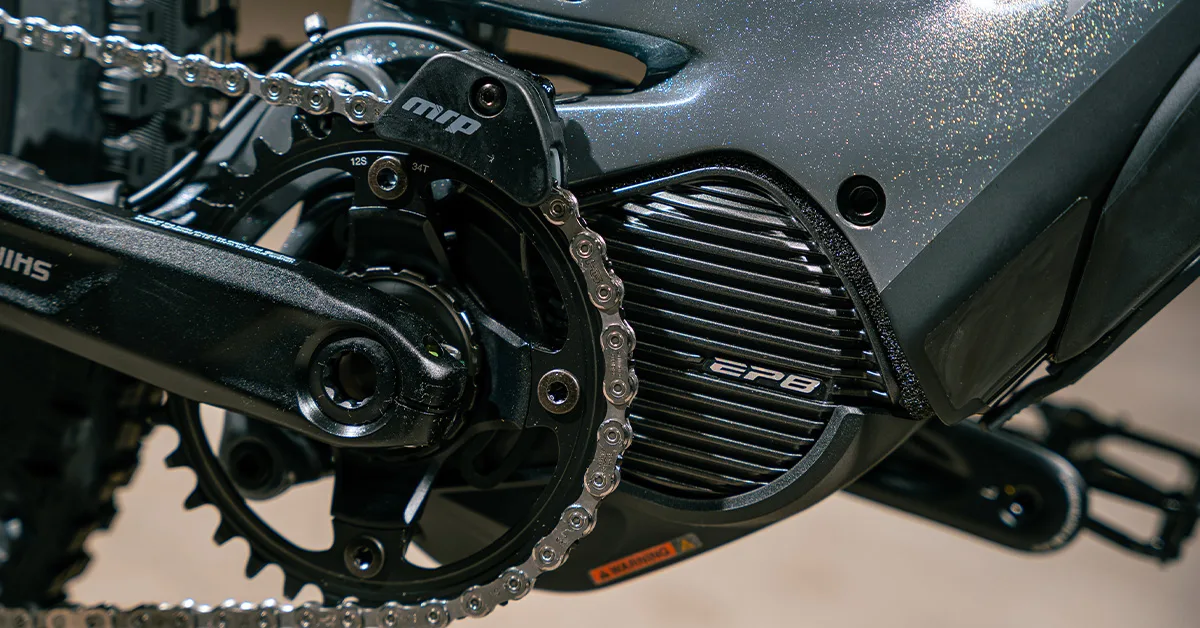
Consider the difference between a hub motor and a mid-drive unit. Hub motors are often sealed units that get replaced when faulty. Mid-drives, like the Bosch Performance Line CX or Shimano STEPS EP8, require intricate calibration.
These systems communicate via CAN bus networks. If a sensor fails, the motor cuts power unpredictably.
Without specialized training, a generalist might replace a working part unnecessarily. They could miss a firmware glitch that requires a dealer-only update. Worse, improper handling of lithium-ion battery packs poses fire hazards.
Manufacturer guidelines strictly limit who can open certain battery casings. Ignoring these rules can lead to dangerous situations.
We’ve seen cases where unqualified repairs caused permanent controller damage. The cost then skyrockets beyond simple labor fees. Always prioritize certified expertise over convenience.
Your safety and wallet depend on it.
Step 1: Identify the Exact Motor System and Diagnostic Requirements
Before calling any shop, you must know what’s inside your frame. Look for a label on the motor housing itself. It usually sits near the crank arm or under a protective cover.
Note the brand, model number, and generation year.
For example, "Shimano STEPS" isn’t enough detail. You need to specify if it’s an E6100, E7000, or EP8 series. Each uses different diagnostic protocols.
Older models may not even support newer software updates. Precision here prevents wasted time during phone calls.
Once identified, determine the specific diagnostic needs. Bosch bikes typically require the Bosch Diagnostic Tool 3. Shimano users need the E-TUBE PROJECT application.
Brose systems use their own proprietary interface. Fazua requires specific control unit software. These aren’t generic OBD scanners you buy at an auto parts store.
Manufacturer specifications indicate that unauthorized tools cannot clear deep-seated errors. They also fail to update firmware securely. Ensure you have the exact model name ready.
This information dictates which shops can actually help you. Don’t guess; verify the label physically.
Step 2: Filter for Authorized Dealers vs. Certified Independents
Now that you know your motor type, search for providers. Use the official dealer locator on the manufacturer’s website. For instance, visit the Bosch eBike Systems support portal.
Enter your zip code to see nearby authorized centers.
Authorized dealers have direct contracts with manufacturers. They receive guaranteed parts supply and technical support. Their technicians undergo mandatory annual training.
This ensures they stay current with new software releases. However, their wait times can be longer. Prices are often fixed by corporate policy.
Independent specialists offer more flexibility. Some invest heavily in multiple diagnostic licenses. They might serve several brands under one roof.
But verification is crucial here. Not every "e-bike specialist" has valid credentials. Many simply advertise broadly without actual capability.
| Feature | Authorized Dealer | Independent Specialist |
|---|---|---|
| Software Access | Full OEM License | Varies (Verify explicitly) |
| Parts Availability | Direct Factory Supply | Third-party or Stocked |
| Warranty Handling | Seamless Claim Processing | May Require Pre-approval |
| Labor Rates | Standardized/Fixed | Competitive/Negotiable |
| Wait Times | Often Longer | Typically Shorter |
Ask independents directly: "Do you have an active subscription for [Brand] diagnostics?" If they hesitate, walk away. Genuine experts answer confidently. They’ll show you their login screen if requested.
Trust but always verify.

Step 3: Verify Technical Capability Before Booking an Appointment
Calling ahead saves everyone time. Prepare three specific questions to gauge competence. First, ask about their experience with your exact motor model.
Second, inquire about their ability to flash firmware. Third, check their protocol for battery health assessments.
A qualified tech will explain the process clearly. They might mention checking cell voltage balance. Or discuss updating the display unit separately.
Vague answers signal incompetence. Beware of shops that promise quick fixes without diagnostics. Electrical issues rarely resolve instantly.
Request proof of certification if possible. Many brands provide digital badges or printed certificates. Some shops display these prominently in their workspace.
If they refuse to share details, consider it a red flag. Transparency builds trust in technical services.
Also, clarify their policy on non-repairable items. Will they charge a diagnostic fee? Is it waived upon repair completion?
Understand these terms upfront. Unexpected costs cause frustration later. Good communication precedes good service.
Ensure they carry appropriate insurance. High-value e-bikes require liability coverage. Accidents happen during transport or storage.
Confirm they protect your asset adequately. This step separates professionals from amateurs. Never skip due diligence.
The Cost of Specialized Diagnostics and Labor Rates
Specialized work commands premium pricing. You’re paying for exclusive software access and ongoing education. Expect labor rates between $75 and $150 per hour.
Standard mechanical tune-ups cost significantly less. This disparity reflects the complexity involved.
Diagnostic fees typically range from $50 to $100. Many shops waive this if you proceed with repairs. Clarify this policy immediately.
Hidden charges erode customer confidence quickly. Budget accordingly for potential parts replacements too.
Firmware updates sometimes incur separate costs. Manufacturers may charge shops per update license. These fees pass through to consumers.
Usually, they fall between $20 and $50. Know this before approving any software work.
Parts availability affects total expenses. Proprietary components like Brose crank arms take weeks to arrive. Expedited shipping adds extra fees.
Plan for delays if your bike is critical for commuting. Downtime equals indirect cost.
Compare quotes from multiple sources. Authorized dealers often have fixed price menus. Independents might offer bundled discounts.
Weigh value against pure cost. Cheapest isn’t always safest for electrical systems. Quality assurance matters most here.
Common Pitfalls That Void Warranties or Cause Safety Risks
One major mistake is attempting DIY firmware updates without proper tools. You might brick the controller permanently. This renders the bike useless until a dealer intervenes.
Another risk involves opening sealed battery packs. Lithium cells are volatile when mishandled.
Unauthorized modifications also trigger warranty voids. Swapping out stock sensors for aftermarket parts confuses the system. The motor may cut power unexpectedly during rides.
This creates dangerous situations in traffic. Stick to OEM components unless advised otherwise.
Ignoring error codes is another common trap. A blinking light isn’t just cosmetic. It signals specific internal faults.
Suppressing these warnings leads to catastrophic failures later. Always address electrical anomalies immediately. Delay turns minor issues into expensive repairs.
Finally, using non-certified chargers damages battery health. Voltage mismatches degrade cell longevity rapidly. This reduces your range significantly over time.
Manufacturers track charging cycles closely. Proof of improper usage denies future claims. Protect your investment by following guidelines strictly.
When to Consider Mobile Mechanics or Manufacturer Direct Service
Mobile technicians offer convenience for minor adjustments. They can recalibrate torque sensors on-site. However, they rarely carry full diagnostic rigs.
Complex electronic faults require a workshop environment. If the issue persists after a visit, escalate quickly.
Manufacturer direct service centers handle worst-case scenarios. They have access to proprietary schematics and rare parts. Shipping your bike there takes time.
You’ll likely be without transportation for weeks. But it guarantees factory-standard repairs. This option suits high-value e-bikes under warranty.
Choose mobile help only for mechanical tweaks. Think brake pads or tire changes. For anything involving the display or motor, go to a shop.
Remote troubleshooting apps exist but lack depth. They can’t replace physical inspection of wiring harnesses. Don’t rely solely on software fixes.
Direct service is best for critical failures. If your motor smokes or stops entirely, ship it out. Local shops may lack the expertise to diagnose deep shorts.
Sending it to the source ensures accuracy. Yes, it’s slower. But it prevents repeated misdiagnoses that waste money and time.
Weigh urgency against reliability here.
Frequently Asked Questions About E-Bike Motor Servicing
Can any bike shop fix my Bosch motor?
No. Only authorized dealers with valid licenses can fully diagnose Bosch systems. Generic shops lack the Diagnostic Tool 3 software.
They might adjust brakes but cannot clear internal fault codes. Attempting repairs without this tool risks damaging the controller. Always verify certification status before dropping off your bike.
How much does an e-bike diagnostic cost?
Expect to pay between $50 and $100 for a standard checkup. This fee covers connecting to the proprietary network. Many shops waive it if you approve subsequent repairs.
Firmware updates may add $20 to $50 separately. Prices vary by region and brand complexity. Ask for a flat-rate quote upfront to avoid surprises.
Does servicing void my manufacturer warranty?
Not if done by an authorized partner. Using certified technicians preserves your coverage rights. Unauthorized attempts at repair often void warranties instantly.
Keep all receipts and service records. These documents prove proper maintenance history. If a part fails later, this paper trail speeds up claims significantly.
What if my local dealer doesn't support my brand?
You must travel to the nearest supported location. Alternatively, contact the manufacturer for mail-in options. Some brands partner with third-party specialists.
Verify their credentials carefully before proceeding. Never assume general EV knowledge translates to e-bikes. Specific training is mandatory for safe and effective service on these units.

Similar Posts































