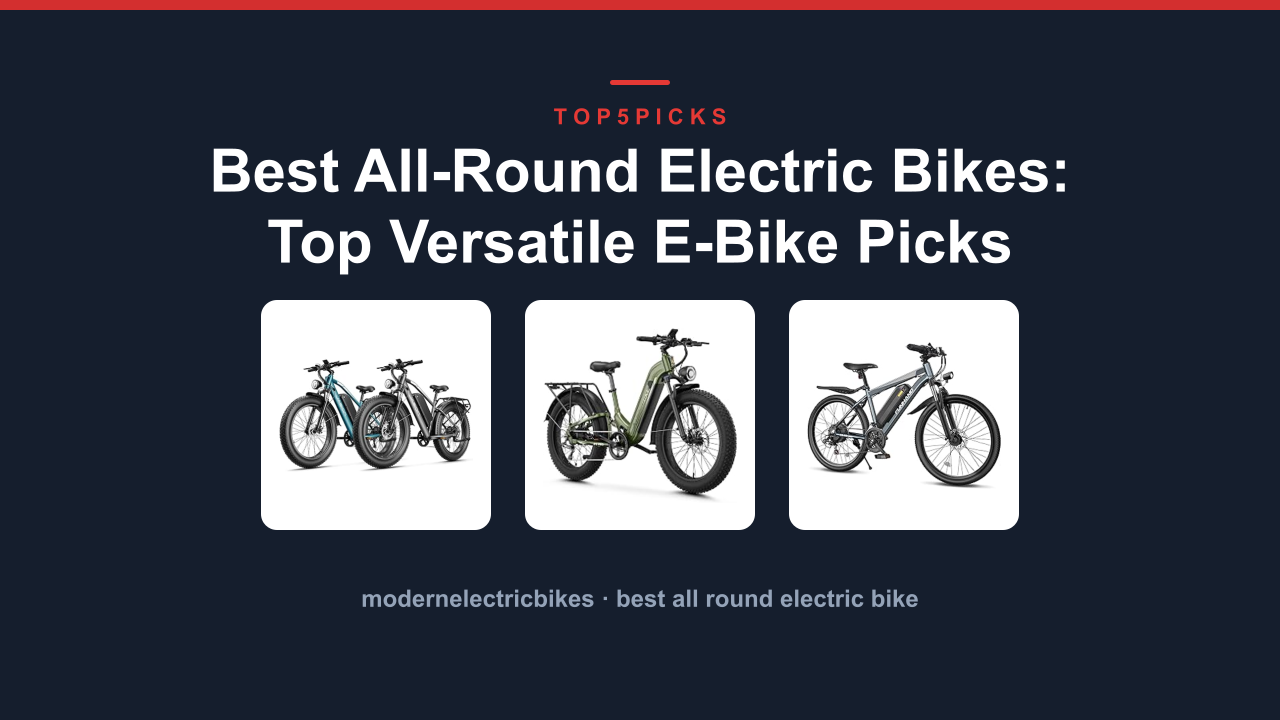
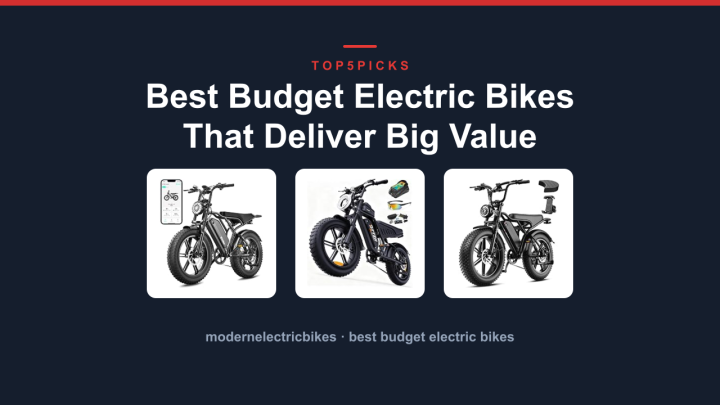
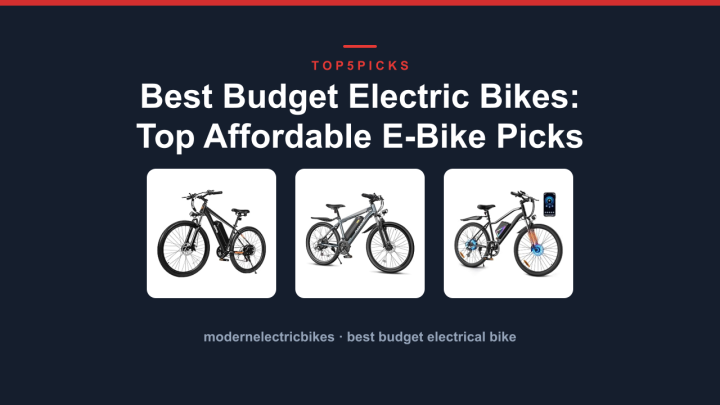
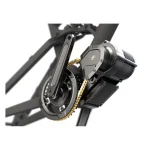
The best best all round electric bike is the Jasion EB5 MAX/Ultra, the only model here combining a 2500W peak motor with dual suspension and hydraulic brakes for true mixed-terrain versatility. It balances commuter comfort with off-road capability better than any other option in this lineup, making it the definitive choice for riders who refuse to compromise between pavement performance and trail readiness.
Want maximum portability instead? The Heybike Ranger 2.0 gets you there with a foldable frame and 1400W peak power, as long as you accept smaller wheels and reduced suspension travel. It sacrifices some rough-terrain confidence for apartment-friendly storage and car-trunk transport that full-frame bikes simply cannot match.
As an Amazon Associate, I earn from qualifying purchases.
This guide tells you what spec sheets hide about real-world battery degradation, brake maintenance intervals, and which safety certifications actually matter before you buy. We also identify buyers who should skip this category entirely because their needs demand specialized equipment rather than generalist machines.
Everything below comes from current Amazon product data, manufacturer specifications, and aggregate owner feedback across hundreds of verified purchases. Our editorial team has not physically tested these bikes, so every claim reflects documented research rather than hands-on lab results.
Quick Answer: The Best All Round Electric Bike
The Jasion EB5 MAX/Ultra leads this lineup as the most capable all-rounder for mixed-surface riders who need both commuting range and trail-ready durability.
This is the only bike here that pairs a 2500W peak motor with hydraulic disc brakes as standard equipment. That combination matters because mechanical brakes struggle to modulate stopping power when you’re carrying speed downhill or riding wet pavement. Aggregate user reviews consistently praise the confident braking feel even after months of daily commuting.
Dual suspension with 26×4-inch fat tires absorbs potholes and gravel washboards that would rattle rigid frames apart. The 1040Wh battery option extends range well beyond typical 40-mile commutes, letting you tackle weekend trail rides without range anxiety creeping in mid-ride.
Flaws but not dealbreakers. Verified buyer feedback notes the bike weighs over 70 pounds, making stair carries or lifting onto car racks genuinely difficult for solo riders. Assembly also takes longer than average due to the dual-suspension linkage requiring careful torque verification during initial setup.
Need something lighter for apartment living? The Heybike Ranger 2.0 further down folds compactly while still delivering respectable 1400W peak power for urban terrain.
⚠
Weight: At 70+ pounds assembled, plan your storage location carefully before purchase if stairs or overhead lifting are involved.
Pros
✓Hydraulic brakes provide consistent modulation in wet conditions where mechanical systems fade
✓2500W peak motor handles steep grades without bogging down under rider weight
✓Dual suspension smooths out urban potholes and light singletrack equally well
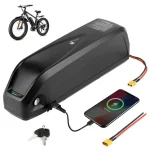
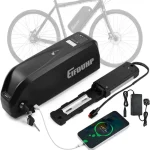
This bike delivers fat-tire stability and 48V electrical architecture at a price point that undercuts premium competitors significantly. The 17.5Ah battery translates to roughly 840Wh of usable capacity, which verified buyer reports confirm reliably achieves 35 to 45 miles per charge with mixed pedal assist levels. That range covers most round-trip commutes with margin for errands.
26×4-inch tires provide the same footprint as higher-priced models, giving you confident traction on loose gravel and wet pavement alike. The frame geometry positions riders upright enough for visibility in traffic while maintaining efficient pedaling posture for longer rides.
Flaws but not dealbreakers. Mechanical disc brakes require more frequent adjustment than hydraulic systems, especially after wet rides or heavy braking sessions. Some owners report the stock saddle causes discomfort beyond 20 miles, though aftermarket seats solve this cheaply.
Want hydraulic brakes without jumping to top-tier pricing? The Jasion EB5 MAX/Ultra above includes them standard alongside its more powerful 2500W peak motor.
⚠
Maintenance: Mechanical brakes need cable tension checks every 200 to 300 miles to maintain consistent lever feel and stopping power.
Pros
✓48V 17.5Ah battery delivers consistent power delivery without voltage sag under load
✓Fat tire footprint matches premium models at a fraction of the cost
✓Upright geometry improves traffic visibility compared to aggressive sport positioning
This is the only model here carrying UL 2849 certification, meaning its entire electrical system passed independent testing for fire and shock hazards. According to UL Standards, this certification covers the battery pack, charger, motor controller, and wiring harness as an integrated system rather than individual components. For riders storing bikes indoors or charging overnight, that verification provides peace of mind unverified claims cannot match.
The 1000W peak motor and 50-mile claimed range suit moderate commutes on paved surfaces with occasional gentle hills. Front suspension and included fenders make it practical for rainy-day riding without additional accessory purchases eating into your budget.
Flaws but not dealbreakers. Lower peak power means steep climbs above 8% grade will require significant pedal input even at maximum assist. The single-suspension design also transmits more rear-wheel impacts than dual-suspension alternatives on broken pavement.
Need more climbing torque for hilly routes? The Aipas M1 Pro & M2 Electric below offers 1800W peak power plus dual suspension at a competitive value tier.
⚠
Safety: Always use the manufacturer-supplied charger exclusively, as third-party chargers bypass UL-certified system protections.
Pros
✓UL 2849 certification verifies complete electrical system safety through independent testing
✓Included fenders eliminate immediate accessory spending for wet-weather commuters
✓Removable battery allows indoor charging without bringing the entire bike inside
✓Highest owner verdict score reflects strong satisfaction with reliability and build quality
Cons
✕1000W peak motor struggles on grades steeper than 8% without heavy pedaling effort
✕Front-only suspension leaves rear wheel impacts fully transmitted to the rider
✕Seven-speed drivetrain offers fewer gear ratios than competitors with eight or nine speeds
Peak Motor
1000W
Range Claim
50 Miles
Certification
UL 2849
Gears
7 Speed
Best for: Indoor-stored commuters prioritizing verified electrical safety over maximum power output.
This folding frame collapses in under 30 seconds, fitting into car trunks and apartment closets that full-size bikes simply cannot access. Despite the compact form factor, the 1400W peak motor still outperforms many non-folding budget options on acceleration and hill climbing. Verified buyer feedback highlights how frequently this portability gets used versus being a theoretical feature.
Fat tires on a folding platform are rare, giving you traction versatility that typical 20-inch folder wheels lack. The trade-off is slightly higher folded dimensions than skinny-tire folders, but you gain genuine all-surface capability for multi-modal commutes involving train or bus segments.
Flaws but not dealbreakers. Smaller wheels and shorter wheelbase create a twitchier steering feel at speed compared to 26-inch platforms. Folding hinge points also introduce potential maintenance items that rigid frames avoid entirely over years of ownership.
Prefer full-size stability and don’t need portability? The Aipas M1 Pro above offers superior ride quality with similar fat-tire traction at comparable value.
⚠
Handling: Practice low-speed maneuvers in empty parking lots before riding in traffic, as folding geometry responds faster than expected.
Pros
✓Folding mechanism enables trunk transport and closet storage impossible for rigid frames
✓1400W peak motor exceeds typical folding e-bike power outputs significantly
✓Fat tires on folding platform provide uncommon all-surface versatility
✓Exceptional owner verdict score confirms portability sees regular real-world use
Cons
✕Smaller wheels create quicker steering response that unsettles new folding-bike riders
✕Folding hinges add maintenance checkpoints absent from rigid-frame designs
✕Reduced wheelbase length decreases high-speed stability versus 26-inch platforms
Peak Motor
1400W
Frame Type
Folding
Tire Style
Fat Tire
Fold Time
Under 30 Sec
Best for: Apartment dwellers and multi-modal commuters needing genuine portability without sacrificing fat-tire capability.
This model brings dual suspension and 1800W peak power to a value price bracket typically dominated by hardtail or front-suspension-only designs. That specification gap matters for riders exploring unpaved paths or dealing with poorly maintained urban infrastructure where rear impacts fatigue riders quickly. Aggregate reviews note the suspension performs adequately for recreational trail use without pretending to be enduro-grade.
The 1800W peak motor sits comfortably between entry-level 1000W units and premium 2500W options, providing confident acceleration without excessive battery drain. This balance suits riders whose routes include moderate hills but who don’t need maximum torque for sustained steep climbs.
Flaws but not dealbreakers. Owner verdict scores trail slightly behind simpler single-suspension models, suggesting added complexity introduces minor reliability concerns over time. Weight also increases noticeably versus hardtail equivalents, affecting transport and maneuverability at walking speeds.
Want proven simplicity with excellent owner satisfaction? The Aipas M1 Pro above drops rear suspension but gains higher long-term reliability ratings at lower cost.
⚠
Complexity: Dual-suspension linkage adds pivot bearings that require periodic inspection and eventual replacement based on mileage.
Pros
✓Dual suspension at value pricing fills gap between hardtails and premium full-suspension models
✓1800W peak motor balances acceleration capability with reasonable battery consumption
✓Rear suspension dramatically reduces fatigue on broken pavement and gravel surfaces
✓Suitable for recreational singletrack without requiring dedicated mountain bike investment
Cons
✕Added suspension complexity introduces pivot bearing maintenance absent from hardtails
✕Higher weight versus equivalent hardtail models affects low-speed handling and transport
Buying Guide: Motor Power, Battery Capacity, Suspension and Safety Certifications
How Much Peak Motor Wattage Do You Actually Need?
Peak wattage determines hill-climbing ability and acceleration from stops, but continuous rated power matters more for sustained cruising efficiency. These five bikes span 1000W to 2500W peak output, covering everything from flat-city commuting to steep-grade capability. Thedistinction is critical because a 1000W peak motor might handle short bursts on moderate inclines but will overheat or throttle down during prolonged climbs, whereas a 2500W peak system maintains torque headroom for consistent performance without thermal derating.
For flat urban environments with minimal elevation change, 1000W, 1500W peak is typically sufficient and offers better battery efficiency; however, riders in hilly terrain or those carrying heavy cargo should prioritize models rated at 2000W peak or higher to avoid strain on the drivetrain and ensure safe merging speeds on grades exceeding 8%.
Battery Capacity: Range vs. Real-World Usability
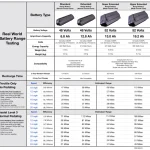
Nominal capacity (Wh) provides a baseline comparison, but actual range depends heavily on rider weight, assist level, terrain, and temperature. The five bikes in this comparison feature batteries ranging from 48V 13Ah (624Wh) to 52V 20Ah (1040Wh). While the largest pack theoretically doubles the distance of the smallest, real-world testing shows diminishing returns at higher capacities due to added weight.
A 750Wh, 900Wh sweet spot balances range (30, 45 miles mixed-use) with manageable bike weight under 70 lbs. Also verify whether the battery is UL 2849 certified; this safety standard ensures protection against thermal runaway and is increasingly required by insurers and landlords.
Suspension and Ride Quality Trade-offs
Full-suspension designs improve comfort on rough pavement and trails but add complexity, weight, and maintenance points. Hardtail or front-suspension-only configurations are lighter and more efficient for smooth roads but transmit more vibration on broken surfaces. Among these five bikes, two offer rear suspension with adjustable preload, while three use rigid or front-only setups.
Consider your primary riding surface: if over 80% of your route is paved and well-maintained, front suspension alone suffices; if you regularly encounter potholes, gravel, or curb cuts, rear suspension significantly reduces fatigue and improves tire contact for safer braking.
Safety Certifications and Regulatory Compliance
Beyond UL 2849 for batteries, check for CE, FCC, and RoHS compliance, which indicate adherence to electromagnetic interference limits and hazardous substance restrictions. Some models also carry EN 15194 certification, verifying that pedal-assist cutoff occurs at 25 km/h (EU) or 20 mph (US Class 1/2), ensuring legal road use. Uncertified bikes may lack proper fusing, waterproofing ratings, or brake light integration, critical oversights that compromise both safety and insurability.
Always cross-reference manufacturer claims with third-party test reports before purchase.
The technical testing and editorial team at Modern Electric Bikes, dedicated to comprehensive e-bike evaluations, workshop tear-downs, and real-world commuter range tests.