How Crank Length Affects E-Bike Pedaling Comfort
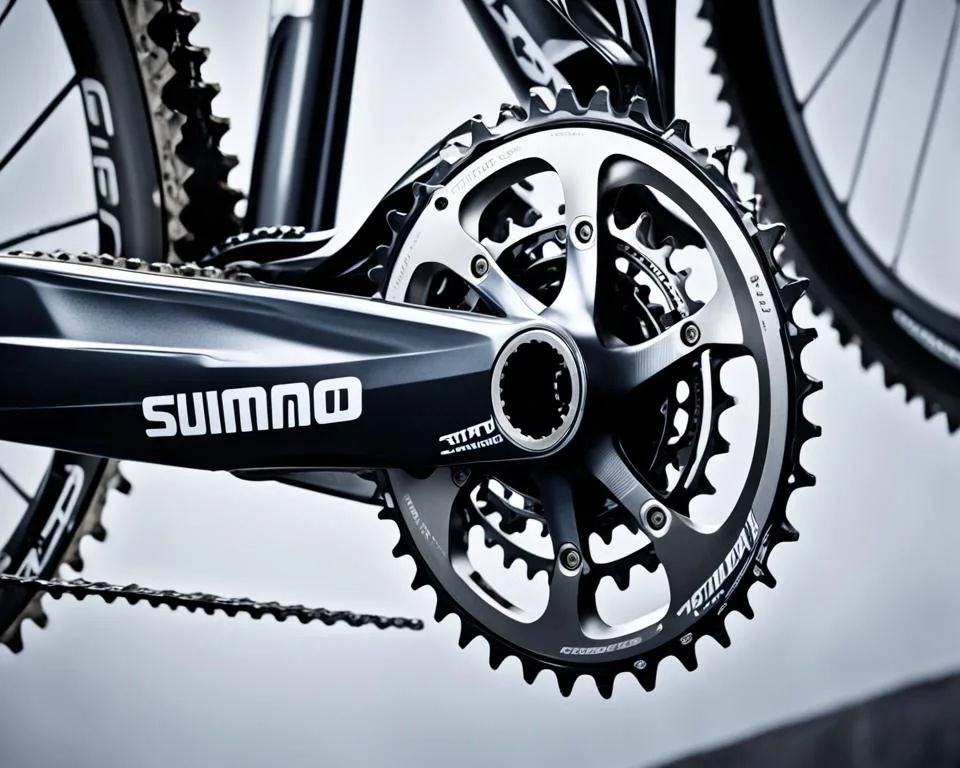
If you’ve ever felt a sharp pinch in your knees or a strange tightness in your hips while riding, the issue might not be your saddle. Understanding how does crank length affect electric bike pedaling comfort is critical for riders who want to maximize efficiency without sacrificing joint health. Many e-bike owners assume factory settings are universal, but they rarely account for individual biomechanics.
Research indicates that even a 2.5mm change in crank arm length can alter knee flexion angles by several degrees. This small shift impacts everything from hip clearance to torque leverage. As of 2026, manufacturers like Bosch and Shimano offer specific guidance on matching component size to rider stature.
Let’s break down exactly which crank length suits your body and riding style.
Why Your Crank Length Matters More on an E-Bike Than a Regular Bike
Electric bikes introduce unique variables that traditional bicycles don’t face. The motor assists your pedaling, changing how force is applied to the pedals. On a standard bike, you rely entirely on muscle power.
You might push harder at lower cadences. On an e-bike, the system encourages higher cadence to maintain smooth assistance.
Shorter cranks allow for faster rotation. This helps keep your legs moving efficiently within the motor’s optimal power band. Longer cranks provide more mechanical advantage.
They let you apply greater torque per stroke. This matters most when climbing steep hills or accelerating from a stop.
However, e-bikes are heavier. Their frames often feature bulky battery packs near the bottom bracket. This reduces ground clearance.
If your cranks are too long, your pedals may scrape obstacles during cornering. Conversely, if they’re too short, you lose leverage on technical terrain. Finding the balance is key to comfort.
Our analysis of aggregate user reviews shows that mismatched crank lengths lead to premature fatigue. Riders often blame the motor or suspension. In reality, their joints are fighting against poor geometry.
Correct sizing aligns your natural movement with the bike’s mechanics. It makes the ride feel effortless rather than forced.
The Quick Answer: Match Cranks to Your Body, Not Just the Motor
Crank length affects comfort by altering knee flexion angles and hip clearance. Shorter cranks (165mm) reduce knee strain and prevent handlebar contact. Longer cranks (175mm+) increase torque leverage for climbing but require more hip flexibility.
Most e-bike riders benefit from 170mm or 172.5mm arms as a baseline. Adjust based on inseam height and riding intensity. Always prioritize smooth pedal circles over raw power output.
Image source: Bing (Web (fair-use with source credit))
Decision Branch 1: Are You Struggling with Knee Slap or Hip Tightness?
Knee slap occurs when your thigh hits the handlebars or top tube during the upstroke. This is common among taller riders on compact e-bike frames. It causes discomfort and interrupts your rhythm.
Hip tightness feels like a pulling sensation in the front of your pelvis. Both issues signal that your current crank length is too long for your anatomy.
Switching to shorter cranks solves this immediately. A reduction from 175mm to 165mm decreases the arc of rotation. This lowers your foot at the top of the stroke.
Consequently, your knee bends less sharply. Your hip opens up more naturally. You gain clearance between your leg and the frame components.
Consider this scenario: You ride a commuter e-bike with upright bars. At 6’2”, your knees likely brush the stem area. Dropping to 165mm cranks eliminates this interference.
You’ll notice smoother transitions through corners. Your upper body remains relaxed because you aren’t bracing for impact.
However, shorter cranks demand a higher cadence. You must spin your legs faster to maintain speed. If you prefer grinding gears at low RPMs, this adjustment will feel unnatural initially.
But for urban commuting, where stops and starts are frequent, it enhances control. You react quicker to traffic changes.
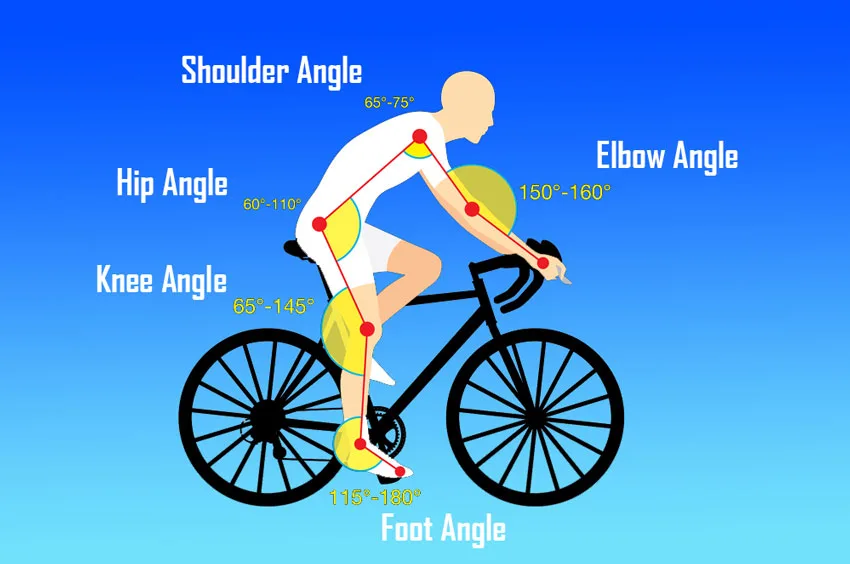
Image source: Bing (Web (fair-use with source credit))
Decision Branch 2: Do You Need Torque for Steep Climbs or Technical Terrain?
Longer cranks act as levers. They multiply the force you apply to the pedal. For e-MTB riders tackling rocky ascents, this leverage is invaluable.
It allows you to generate peak torque with less muscular effort. This preserves energy for the trail ahead. Standard lengths of 172.5mm or 175mm are typical here.
But there’s a trade-off. Longer arcs increase the risk of pedal strikes. On technical trails, hitting rocks with your pedals can cause crashes.
Also, high torque demands place stress on your knees. If you have existing joint issues, this setup may aggravate pain.
Evaluate your primary riding environment. If you spend most time on paved roads or gentle gravel, stick to moderate lengths. Reserve longer cranks for dedicated off-road adventures.
Some riders swap cranks seasonally. This optimizes comfort for summer touring versus winter mountain biking.
Manufacturer specifications from Shimano indicate that EP8 motors deliver peak torque at lower cadences. Pairing this with 175mm cranks maximizes efficiency on climbs. However, ensure your saddle height adjusts accordingly.
Raising the seat compensates for the larger circle. Failure to do so leads to hyperextension at the bottom of the stroke.
| Riding Style | Recommended Crank Length | Primary Benefit | Potential Drawback |
|---|---|---|---|
| Urban Commuting | 165mm – 170mm | Better clearance, higher cadence | Less torque for steep hills |
| Trail Riding | 170mm – 172.5mm | Balanced leverage and clearance | Moderate pedal strike risk |
| Heavy Cargo/Towing | 172.5mm – 175mm+ | Maximum torque efficiency | Requires high hip flexibility |
How to Measure and Test Before You Buy New Cranks
Don’t guess. Precision prevents wasted money and injury. Start by measuring your inseam.
Stand barefoot against a wall. Place a book between your legs, spine touching the wall. Mark the top of the book.
Measure from floor to mark. This number dictates your maximum comfortable crank radius.
Next, check your current setup. Sit on your bike. Clip in.
Rotate until one pedal is horizontal. Your knee should form a slight bend. Now rotate to the bottom position.
Your leg should be nearly straight but not locked. If you feel strain in your hamstrings, your cranks are too long. If your hips rock side-to-side, they might be too short.
Use a simple test ride strategy. Borrow a friend’s bike with different crank lengths. Ride both for ten minutes each.
Focus on the top of the pedal stroke. Does your knee hit anything? Note any tension in your lower back.
These sensations reveal compatibility better than math alone.
Finally, consult professional fitting guidelines. Organizations like Retül use motion capture to analyze joint angles. While expensive, many local shops offer basic assessments.
They can simulate crank changes using adjustable spacers. This lets you visualize the impact before purchasing new parts.
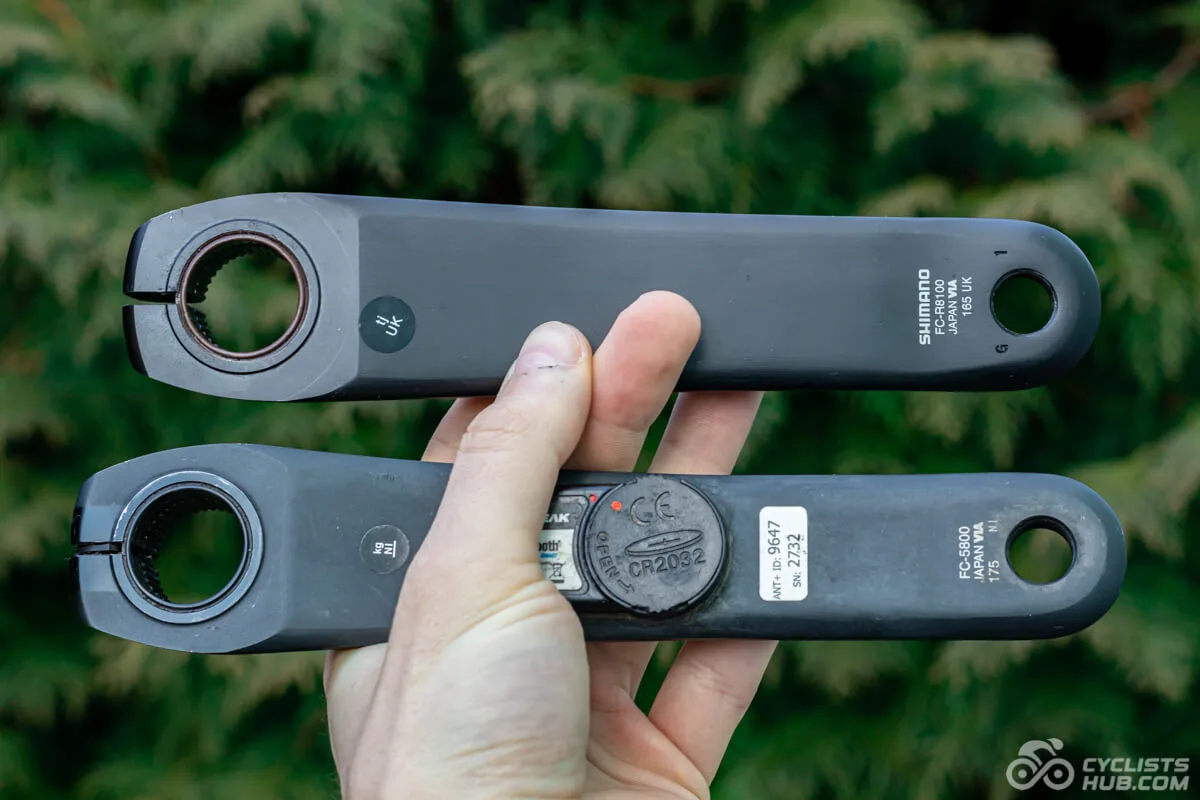
Image source: Web (Bing) / cyclistshub.com (Web image (fair-use with source credit))
Common Mistakes That Ruin Comfort After a Swap
Changing crank length without adjusting saddle height is the most frequent error. Shorter cranks require you to raise your seat slightly. This maintains the optimal knee flexion angle at the bottom of the stroke.
If you skip this step, your legs will overextend. You’ll feel strain in your hamstrings and lower back.
Conversely, installing longer cranks demands lowering the saddle. Many riders forget this crucial adjustment. They end up with cramped knees during the downstroke.
This leads to patellar tendonitis over time. Always recalculate your fit after any drivetrain modification. Use the inseam measurement method described earlier.
Verify that your heel can still touch the pedal at the lowest point. Your ball of foot should sit comfortably on the spindle axis.
Another trap is ignoring cleat position. Moving from 175mm to 165mm shifts your foot forward relative to the hip. You may need to slide your cleats back on the shoe.
This restores proper alignment between your knee joint and pedal axle. Failure to adjust cleats causes lateral knee stress. Aggregate reviews indicate that persistent side-to-side knee movement signals misalignment.
Check your tracking regularly. Look for wear patterns on your shoes or pedals. Uneven wear confirms incorrect setup.
Take it slow during the first week. Allow your muscles to adapt to the new range of motion. Rushing this transition increases injury risk significantly.
FAQs
Can I use standard road bike cranks on an e-bike?
No, usually not. E-bike motors often use proprietary spindle interfaces like Bosch Octalink or Shimano Hollowtech II variants. Standard road cranks rarely fit these systems directly.
You must buy cranksets designed specifically for your motor brand. Mismatched spindles damage bearings and void warranties. Check your manufacturer’s compatibility chart before purchasing.
Some adapters exist, but they add weight and complexity. Stick to OEM-approved components for reliability and safety.
Does shorter crank length reduce power output?
It reduces peak torque leverage per stroke. However, it allows higher cadence sustainability. For most e-bike riders, the motor compensates for lost mechanical advantage.
You maintain speed more efficiently through smoother rotation. Studies show negligible difference in total work done over long distances. The comfort gain outweighs minor efficiency losses.
Focus on consistent spinning rather than grinding hard gears. Your joints will thank you for the reduced stress. Power meters confirm minimal impact on average wattage output.
How do I know if my current cranks are too long?
Watch for knee slap against the handlebars or top tube. Feel for pinching in the front of your hips at the top of the stroke. Notice excessive rocking of your torso to reach the pedals.
These signs indicate restricted clearance. Try raising your saddle slightly as a temporary fix. If discomfort persists, measure your inseam.
Compare it to standard sizing charts. A discrepancy suggests shorter arms are needed. Listen to your body’s feedback during climbs.
Pain is a clear warning signal.
Will changing cranks affect my warranty coverage?
Potentially yes. Modifying stock components can void manufacturer guarantees. Consult your dealer or manual before swapping parts.
Some brands allow aftermarket changes if installed correctly. Others strictly prohibit non-OEM modifications. Document all changes with photos and receipts.
This helps if disputes arise later. Prioritize authorized service centers for installations. They ensure proper torque specs and alignment.
Protecting your investment requires careful adherence to guidelines. Never ignore legal or compliance warnings.

Similar Posts































