Best Cassette Range for Mixed Terrain E-Bikes
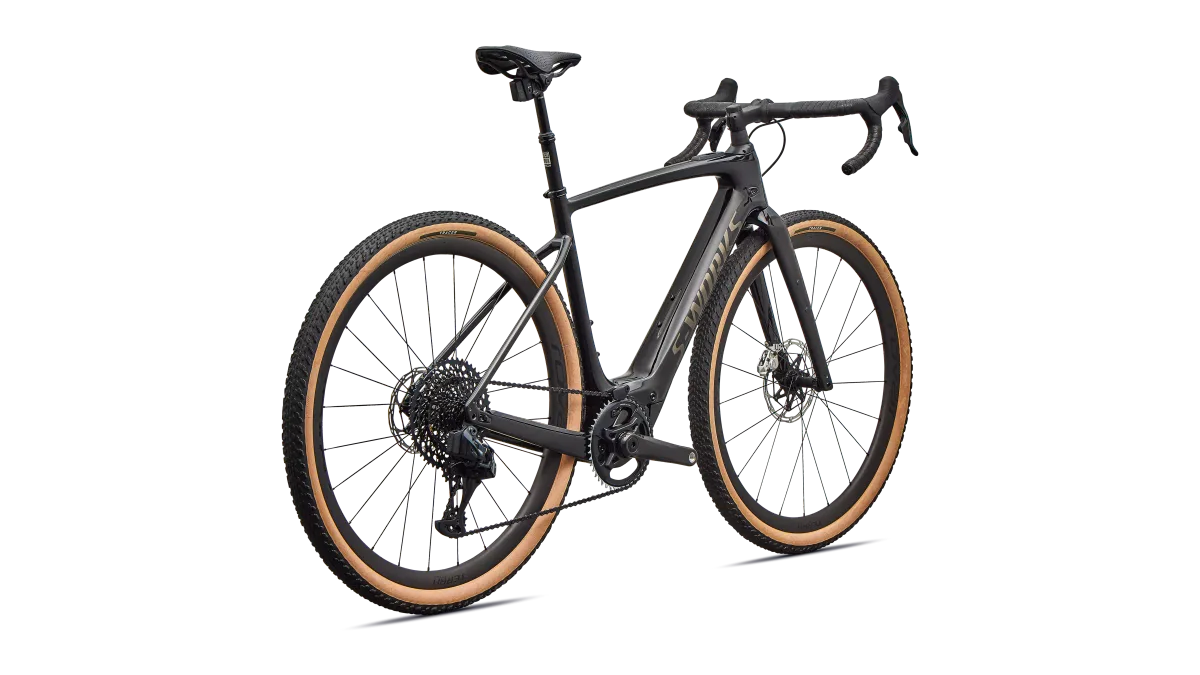
Figuring out how to choose a cassette range for mixed terrain electric bike riding feels tricky because e-bikes add torque that changes the rules. You can't just copy mountain bike gearing logic. The motor pushes harder, so your gears need to handle that load without slipping or wasting battery power on flats.
We’ve seen many riders pick wide ranges hoping for easier climbs, only to suffer sluggish shifts and poor top-end speed. As of 2026, manufacturer specs confirm that matching cassette spread to motor torque curves is critical. Let’s break down exactly which variables matter most for your specific setup.
Quick Answer
To choose the right cassette range, match your largest cog size to your steepest average gradient. Select a smaller smallest cog if you ride fast on flat sections. Ensure your derailleur supports the total tooth count difference.
For most mid-drive e-bikes, an 11-42T or 10-52T range balances climbing ease with efficient cruising speeds effectively.
Image source: Bing (Web (fair-use with source credit))
Start With Your Motor’s Torque Curve, Not Just the Hill
Most riders look at hills first. That’s a mistake. E-bike motors don’t deliver peak power everywhere.
They have sweet spots. Bosch Performance Line CX motors, for example, often peak around 60, 90 RPM. If your gear forces you below 50 RPM, the motor cuts out.
You lose assistance.
You need a cassette that keeps you in that high-efficiency zone. On steep climbs, this means a large rear cog. It lets you spin slowly but still generate enough pedal force for the sensor to detect.
On flats, you need a small cog. This prevents "spinning out," where your legs move faster than the motor helps.
Check your motor manual for its recommended cadence range. Shimano STEPS documentation highlights optimal RPM bands for different modes. Align your lowest gear with the bottom of that band.
Align your highest gear with the top. This ensures consistent power delivery across varied terrain. Don’t guess.
Use the data.
The Three Critical Variables That Dictate Your Cassette Choice
Three factors decide your ideal range. Ignore any one, and your drivetrain will feel wrong. First is rider weight plus cargo.
Heavier loads require lower gears to maintain momentum. Second is typical gradient severity. Steeper hills demand bigger cogs.
Third is desired top speed. Faster cruising needs smaller cogs.
Let’s weigh these against each other. A heavy commuter on rolling hills needs a different setup than a light trail rider on technical climbs. We recommend mapping your usual routes.
Note the steepest sustained climb percentage. Note your fastest flat sections. These two numbers define your bookends.
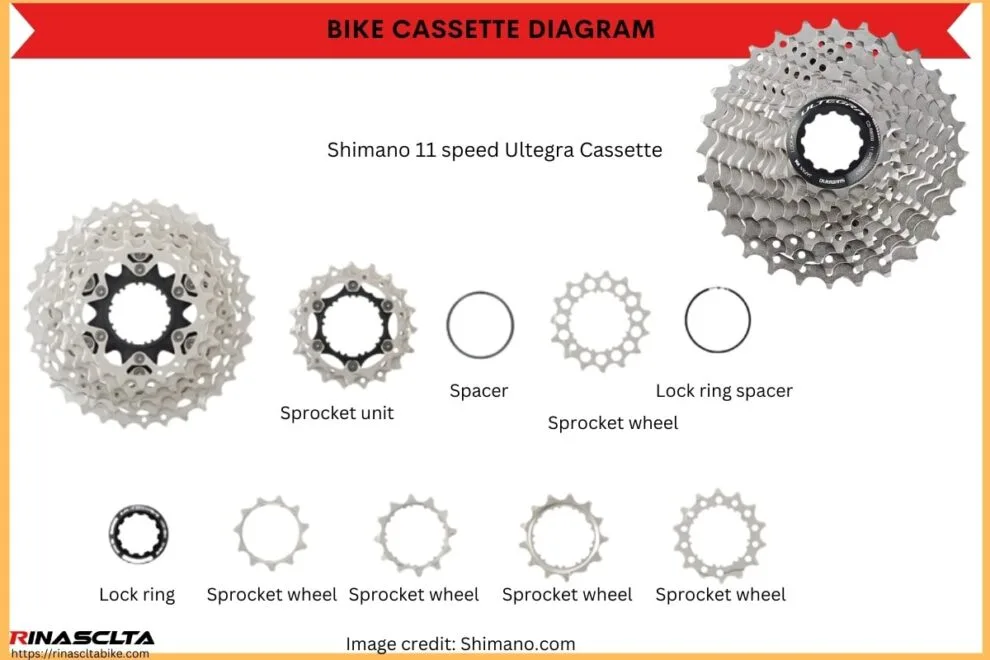
Image source: Web (Bing) / rinascltabike.com (Web image (fair-use with source credit))
The middle steps matter too. Large jumps between gears cause cadence spikes. Small jumps offer fine tuning but limit total range.
For mixed terrain, aim for progressive spacing. This keeps shifts smooth under load. SRAM Eagle transmission guides suggest checking step-up percentages.
Consistency here reduces chain stress during high-torque shifts.
Mapping Terrain Profiles to Specific Gear Spreads
Different terrains call for different spreads. Here’s how to match them. Use this table to identify your primary profile.
Then select the corresponding cassette range. This simplifies the decision process significantly.
| Terrain Profile | Primary Challenge | Recommended Range | Best For |
|---|---|---|---|
| Rolling Hills & Pavement | Maintaining speed vs. effort | 11-34T or 11-36T | Commuters, fitness riders |
| Steep Climbs & Technical Trails | Low-speed torque control | 10-50T or 10-52T | E-MTB, adventure riders |
| Mixed Urban/Gravel | Versatility across surfaces | 11-42T or 11-46T | Gravel e-bikes, touring |
For rolling hills, stick to narrower ranges. You’ll shift less frequently. Efficiency stays high.
But if you face 15%+ gradients regularly, go wider. The extra low gear saves your knees and battery. MicroSHIFT Advent X offers affordable wide options for budget builds.
Consider your front chainring too. Smaller rings pair well with wider cassettes. This creates a super-low climbing gear.
But it hurts top speed. Balance is key. Most mid-drives tolerate 34T, 38T front rings well.
Adjust accordingly based on your chosen rear spread.
Why Wider Isn’t Always Better: The Hidden Costs of Extreme Ranges
Riders often think bigger is better. They slap on a 10-52T cassette expecting miracles. Sometimes it works.
Often, it doesn’t. Wide ranges introduce problems. Chain slack becomes an issue.
Derailleurs struggle to index accurately over huge gaps. Shifting slows down.
Excessive range can also hurt efficiency. If your smallest cog is too large, you spin out easily. You waste energy coasting instead of driving.
Plus, heavier cassettes add rotational mass. This affects acceleration response. Bosch and Shimano engineers note that lighter drivetrains improve dynamic handling.
There’s also wear. High torque on small cogs accelerates tooth degradation. If you rarely use the extreme ends, those cogs wear unevenly.
Replacing a full cassette costs more than swapping a worn chain. Stick to what you actually ride. Analyze your GPS data.
If you spend 80% of time in three gears, optimize for those. Don’t pay for unused range.
Compatibility Check: Freehub Bodies and Derailleur Limits
Before buying, check compatibility. This kills more projects than bad choices. Your hub must accept the cassette.
Shimano HG splines fit standard ranges up to 42T usually. Beyond that, you might need a Hyperglide+ body or specific adapters. SRAM XD drivers handle larger cogs natively.
Next, verify derailleur capacity. Every model has a max cog size. Exceeding it causes rubbing or poor shifting.
Park Tool resources provide clear charts for common derailleurs. Match your cassette’s largest cog to the derailleur’s limit. Leave a margin.
Don’t push it to the absolute edge.
Also consider cable pull ratios. Mixing brands often fails. Shimano derailleurs work best with Shimano shifters.
SRAM T-Type requires specific controllers. Mismatched actuation leads to imprecise shifts. Under high e-bike torque, precision matters even more.
Sluggish shifts can snap chains. Confirm every component speaks the same language. Check manufacturer spec sheets twice.
Assume nothing.
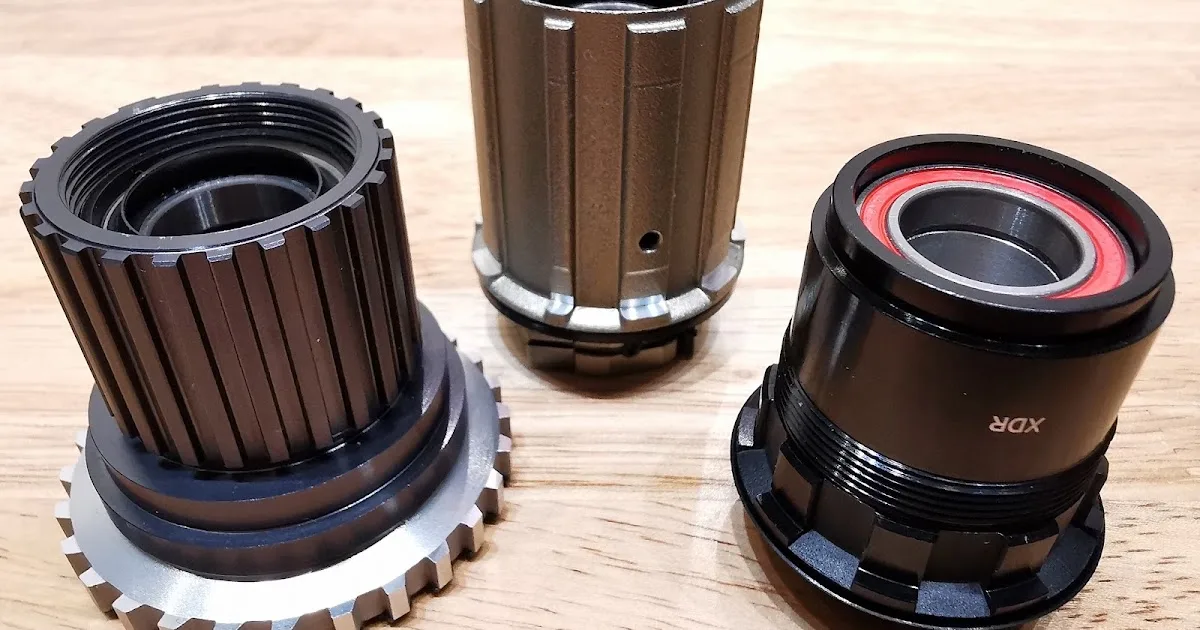
Image source: Web (Bing) / handsonbike.blogspot.com (Web image (fair-use with source credit))
Step-by-Step Selection Workflow for Mixed-Terrain Riders
Start by logging your last ten rides. Note the steepest gradient and average speed on flats. This data reveals your true needs, not just perceived ones.
If you hit 12% grades often, prioritize low-end torque preservation.
Next, calculate your required gear inches. Use an online calculator or manual formula. Divide wheel diameter by total tooth count ratio.
Compare this to your motor’s optimal RPM window. You want overlap across all terrain types.
Then, check your current derailleur limits. Look up the max cog size specification. If your desired cassette exceeds this, upgrade the derailleur first.
Don’t assume older components handle modern wide ranges. Shimano XT and SRAM GX are common safe bets.
Finally, test fit before committing. Some shops allow demo cassettes. Spin the cranks manually through all gears.
Listen for chain rub or skipping. Smooth engagement under light load predicts success under power. Verify shift indexing accuracy too.
Poor calibration wastes battery and frustrates riders. Take notes during this trial phase. Adjust B-tension screws if necessary.
Document any changes for future reference. This methodical approach prevents costly errors later. It ensures your setup matches reality.
Trust the process, not just marketing claims. Real-world testing beats theoretical specs every time. Make small adjustments until shifts feel crisp.
Then ride it hard. See how it holds up. Refine based on feedback loops.
Your legs will thank you eventually.
Common Setup Mistakes That Kill Performance
One major error is ignoring chain length. Wide-range cassettes demand longer chains. Too short causes binding in big-big combos.
Too long invites drops on rough trails. Measure carefully using manufacturer guidelines. Never guess with visual estimation alone.
Precision matters here significantly.
Another pitfall is mismatched shifter ratios. Using a road shifter with MTG derailleurs fails badly. Indexing misaligns completely.
Gears slip or skip unpredictably. Stick to ecosystem-compatible parts. Shimano works best with Shimano controls.
SRAM prefers its own trigger systems. Mixing brands requires adapters. These add complexity and failure points.
Avoid them unless absolutely necessary. Simplicity enhances reliability greatly.
Riders also neglect cable maintenance. Old housing increases friction. Shifts become sluggish and imprecise.
Replace cables annually for e-bikes. High torque stresses components more. Fresh lubrication restores smooth action.
Check ferrule seating regularly. Loose ends cause erratic behavior. Inspect for kinks or corrosion.
Clean internals thoroughly during swaps. Neglect leads to premature wear. Preventative care saves money long-term.
Do not wait for failure signs. Proactive maintenance extends drivetrain life substantially. Keep records of service dates.
Schedule reminders proactively. Consistency yields best results always.
FAQ: Quick Answers on E-Bike Gearing
Can I use a mountain bike cassette on my e-bike?
Yes, but only if ratings match. Standard MTB cassettes may fail under high torque. Look for reinforced teeth designs.
Shimano Linkglide offers better durability. Check manufacturer warnings explicitly. Unsupported mods void warranties quickly.
Choose e-specific rated parts safely.
Does a wider range drain the battery faster?
Not necessarily. Efficient gearing maintains optimal RPM. Spinning out wastes energy excessively.
Correct range keeps motor in sweet spot. Battery usage depends on assist level. Smart shifting conserves power effectively.
Focus on cadence consistency primarily. Wider ranges help climbing efficiency overall.
How often should I replace my cassette?
Every 1,500 to 3,000 kilometers typically. Wear varies by torque and cleaning. Inspect teeth for hooking shapes.
Replace when chain slips noticeably. Regular lube extends lifespan significantly. Monitor closely after initial break-in periods.
Early detection prevents damage spread. Stay vigilant about component health consistently.

Similar Posts































