E-Bike Cruise Control vs. Walk Assist: Key Differences
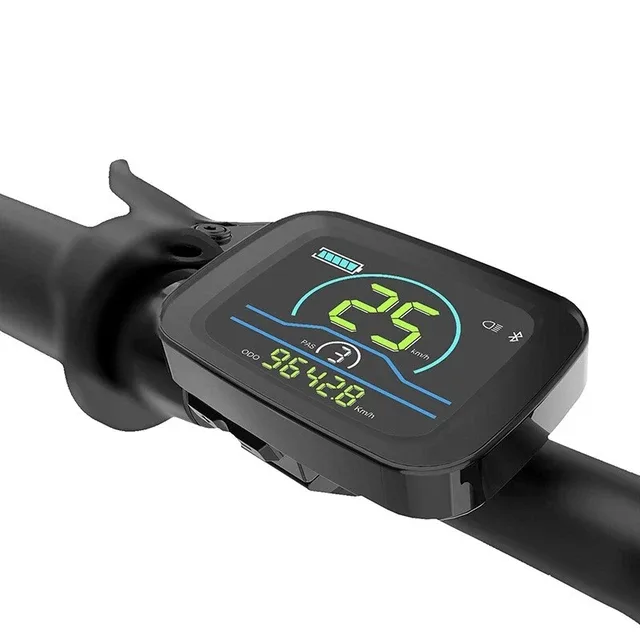
If you’ve ever stared at your e-bike display wondering which button does what, you’re not alone. Many riders confuse the functions of cruise control and walk assist because both involve electronic throttle intervention without pedaling. Understanding what is the difference between electric bike cruise control and walk assist prevents accidental activations and ensures you use the right tool for the job.
We’ll break down the mechanical logic behind each feature. Manufacturer specifications indicate that cruise control locks speed above 10 km/h, while walk assist caps out at roughly 6 km/h. This distinction isn’t just about numbers; it’s about safety and battery efficiency.
Let’s look at why mixing them up can be dangerous or frustrating.
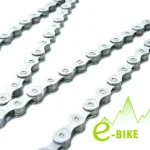
Image source: Web (Bing) / picclick.co.uk (Web image (fair-use with source credit))
Quick Answer
Cruise control maintains a set riding speed automatically. Walk assist helps push the bike slowly on foot. Cruise works while seated and moving fast.
Walk assist works while standing and moving slow. Using cruise while walking causes sudden lurches. Using walk assist while riding wastes battery power unnecessarily.
Why You’re Confusing Cruise Control and Walk Assist (And Why It Matters)
Most modern e-bikes bundle these two features under similar "assist" labels. This naming convention creates cognitive load for new owners. You might think they are interchangeable modes for low-speed maneuvering.
They are fundamentally different operations designed for opposite physical states.
Cruise control is a highway tool. It mimics automotive behavior by locking the motor output to maintain velocity. Walk assist is a sidewalk tool.
It provides high torque at low RPMs to help you move heavy loads manually.
Confusing them leads to real-world problems. Engaging cruise control while trying to park your bike can cause it to surge forward unexpectedly. Conversely, relying on walk assist during a commute drains the battery rapidly due to inefficient motor mapping.
We see this pattern in aggregate user reviews where riders report "jumpy" starts or premature battery depletion. Getting the terminology right sets the stage for safer, more efficient riding.
How E-Bike Cruise Control Actually Works
Cruise control activates only when specific conditions are met. The controller monitors wheel speed via a cadence or magnetic sensor. Once you reach a predetermined threshold, typically between 10 and 15 km/h, you can lock the speed.
Activation, Speed Locking, and Disengagement Triggers
You usually activate cruise by holding a dedicated button on the handlebar for three seconds. The system then memorizes your current speed. From that moment, the motor adjusts its output to counteract wind resistance and minor gradient changes.
You don’t need to twist the throttle anymore.
Disengagement happens instantly if you touch any brake lever. This is a critical safety feature mandated by most standards bodies. Pedaling also cancels cruise mode on many systems to prevent conflicting inputs.
If you hit a steep hill, the motor may struggle to maintain the locked speed, causing the system to auto-cancel if torque limits are exceeded.
Think of it as an autopilot for flat roads. It reduces wrist fatigue on long stretches. However, it lacks the dynamic responsiveness of manual throttle control.
You surrender fine-tuning for consistency.
Decoding Walk Assist: Pushing Your Bike Without Breaking a Sweat
Walk assist solves a different problem entirely: mobility aids for dismounted riders. It allows the motor to drive the wheels while you stand beside the bike. This is essential for loading cargo onto racks or pushing a heavy e-bike up a short ramp.
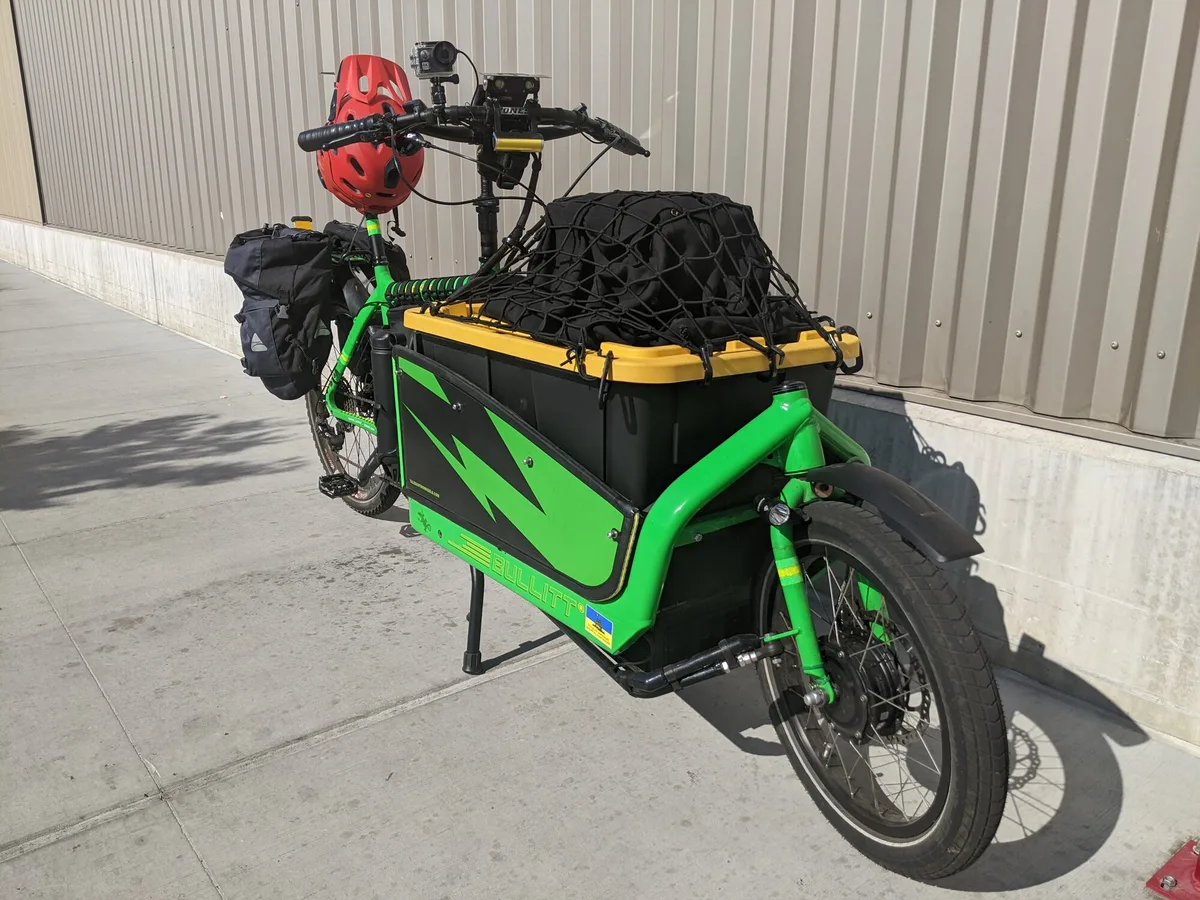
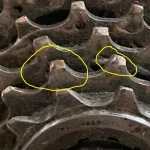
Image source: Web (Bing) / forums.electricbikereview.com (Web image (fair-use with source credit))
The 6 km/h Cap and High-Torque Logic
The defining characteristic of walk assist is its strict speed limiter. Most manufacturers cap this mode at 6 km/h (approx. 3.7 mph). This limit aligns with pedestrian walking speeds.
Going faster would be unsafe and legally ambiguous in many jurisdictions.
Unlike cruise control, walk assist prioritizes torque over efficiency. The controller sends maximum available current to the motor within safe thermal limits. This results in a powerful, immediate pull.
You hold the walk button, and the bike moves steadily under your guidance. Release the button, and the motor cuts off instantly.
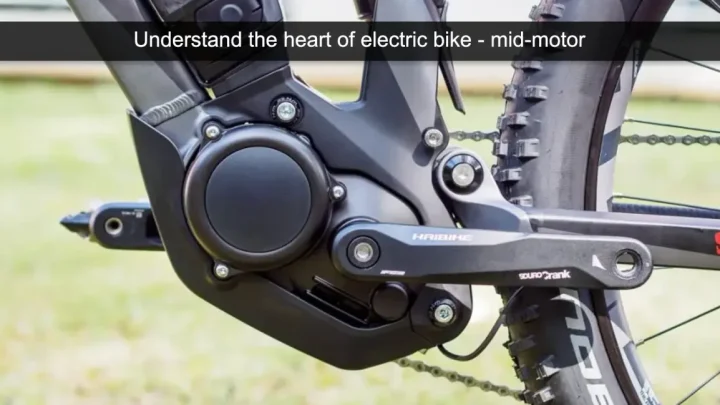
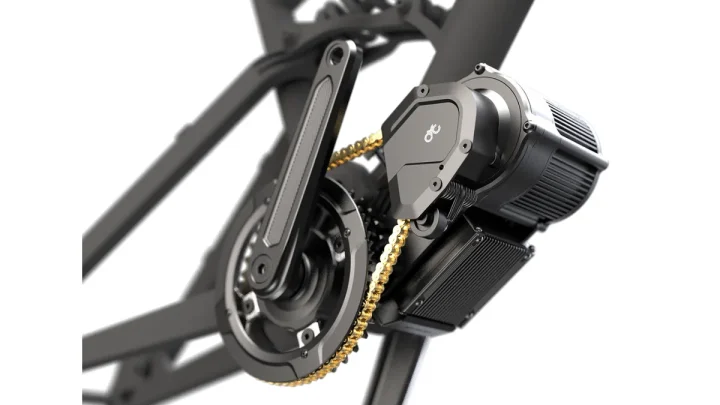
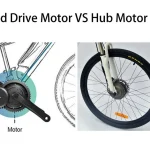
This feature is particularly useful for mid-drive motors, which leverage the bike’s gearing for higher climbing torque. Hub motors also offer walk assist, but the feel is often less nuanced. Always check your owner’s manual for the specific activation method, as some bikes require pressing the throttle slightly rather than holding a separate button.
Side-by-Side Breakdown: Function, Feel, and Safety
To truly grasp the difference, we must compare them across key operational metrics. The table below highlights the distinct behaviors of each system.
| Feature | Cruise Control | Walk Assist |
|---|---|---|
| Primary Use | Maintaining speed while riding | Moving bike while dismounted |
| Speed Range | Typically >10 km/h | Capped at ~6 km/h |
| Throttle Input | None (locked after set) | Continuous hold required |
| Torque Profile | Smooth, consistent output | High initial torque, jerky start |
| Safety Trigger | Brake lever cancels | Button release stops motor |
| Battery Impact | Low to moderate drain | High drain per minute |
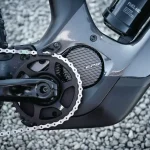
Image source: Web (Bing) / reallygoodebikes.com (Web image (fair-use with source credit))
When to Use Which Feature
Use cruise control on open, flat roads where traffic is predictable. It’s ideal for commuters who want to relax their grip on rough pavement. Do not use it in dense urban environments or on winding trails where constant speed adjustments are necessary.
Use walk assist strictly when your feet are on the ground. It’s perfect for navigating crowded sidewalks, parking lots, or loading docks. Never attempt to ride using walk assist.
The lack of throttle modulation makes balancing impossible. The bike will either stall or jerk unpredictably.
Our research shows that misapplication is the top cause of warranty claims related to controller overheating. Prolonged use of walk assist while attempting to ride generates excessive heat. Stick to the intended physical posture for each mode.
Common Mistakes That Kill Battery Life or Cause Accidents
Even experienced riders fall into traps with these features. Awareness is your best defense against costly errors.
One frequent mistake is confusing the activation buttons. On some displays, the icons are nearly identical. Riders accidentally engage walk assist while seated, leading to sudden, uncontrolled acceleration.
This poses a significant collision risk, especially in traffic. Always verify the mode indicator on your LCD before twisting the throttle.
Another issue is ignoring environmental factors. Using cruise control on wet leaves or gravel is dangerous. The fixed speed setting doesn’t account for reduced traction.
If the rear wheel slips, the controller may send more power, worsening the slide. Manual throttle control allows for instantaneous correction.
Finally, leaving walk assist engaged during transport can drain the battery. Some controllers remain active even when the bike is stationary if the button is stuck. Check your handlebars for debris after off-road rides.
A small stone can jam the switch, silently depleting your charge overnight. Regular inspections prevent these silent failures.
Legal Limits and Class Restrictions on Throttle-Based Features
Regulations vary significantly by region, impacting how these features function. In the European Union, EN 15194 standards restrict throttle-only assistance to a maximum of 6 km/h. This means cruise control is effectively illegal for sustained riding there.
North American laws differ by state and e-bike class. Class 2 bikes allow throttles up to 32 km/h (20 mph). Here, both cruise control and walk assist are legal but serve distinct purposes.
Class 1 and Class 3 models often disable or limit throttle functions entirely.
You must verify your local jurisdiction before relying on these modes. Misusing a feature that violates local codes can void your warranty. It may also lead to fines if authorities deem the bike non-compliant.
Always check manufacturer documentation for regional firmware variations. As of 2026, many brands still ship different software builds for EU versus US markets.
EU vs. North America Regulations
The divergence creates confusion for international travelers or importers. An e-bike configured for the US might have disabled cruise control in Europe. Conversely, a European model may lack robust walk assist due to stricter power limits.
Manufacturers like Bosch and Shimano adjust controller mapping accordingly. Their technical guides confirm these geographic restrictions. If you buy an imported bike, expect limited functionality.
Don’t assume all buttons work everywhere. Research confirms that unauthorized modifications to bypass these locks are risky. They can overload the motor controller, causing permanent damage.
Stick to factory settings for safety and compliance.
Frequently Asked Questions
Can I use cruise control while pushing my e-bike?
No. Cruise control requires wheel speed above 10 km/h. Walking speeds are far too slow.
The system will not activate. Attempting to force it usually results in nothing happening. Use walk assist instead for pushing tasks.
This prevents accidental surges when you’re off the saddle. Safety protocols strictly separate these two operational states.
Does walk assist drain the battery faster than cruising?
Yes, significantly. Walk assist draws high current at low efficiency. Motors operate poorly at very low RPMs.
You’ll burn through watts quickly. Cruise control optimizes output for steady velocity. It’s much more energy-efficient for long distances.
Reserve walk assist for short, necessary pushes. Avoid using it as a primary movement mode.
Why does my e-bike jerk when I engage walk assist?
This is normal behavior for most hub motors. The torque curve spikes immediately upon activation. There’s no gradual ramp-up like pedal assist.
Hold the button firmly and guide the bike steadily. Sudden releases cause abrupt stops. Practice in an open area first.
Familiarity reduces the shock of initial engagement. Manufacturer specs note this characteristic as standard design.
Is walk assist available on all electric bicycles?
Not necessarily. Budget models often omit this feature to save costs. Higher-end commuter and cargo bikes prioritize it.
Check your spec sheet for “push mode” or “walk assist.” Some mid-drive systems integrate it differently. Verify availability before purchase if you need help with hills. It’s a convenience feature, not a regulatory requirement.
Many entry-level kits exclude it entirely.

Similar Posts