E-Bike Receipts & Service Records: The Ultimate
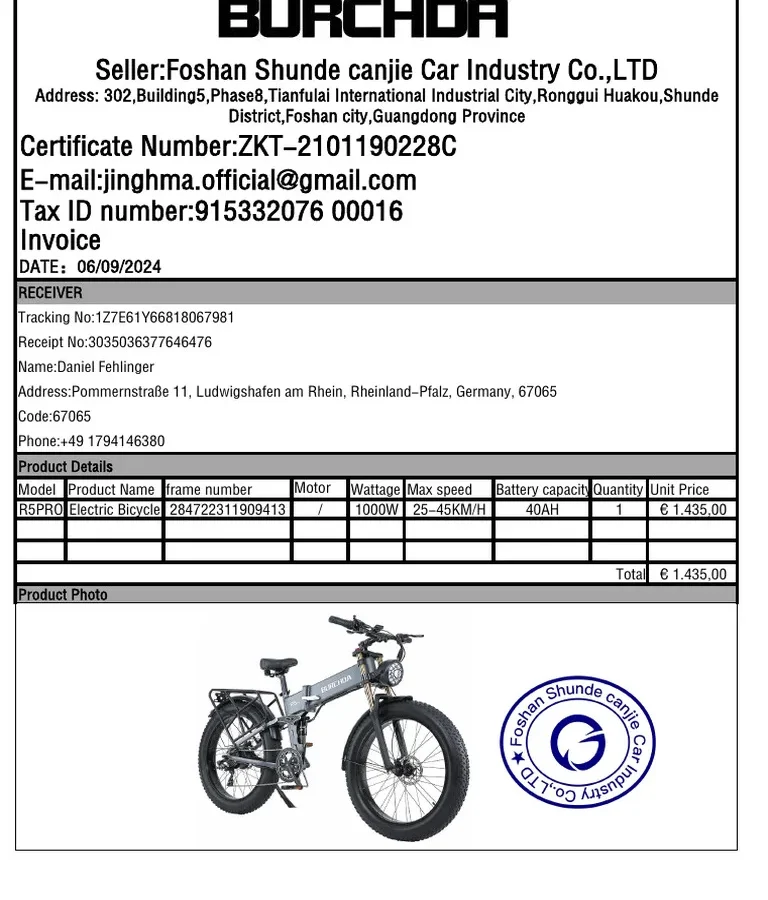
Figuring out how to keep electric bike purchase receipts and service records organized often feels like a chore until disaster strikes. Most owners toss thermal paper slips into glove boxes or junk drawers, assuming they’ll last forever. They don’t.
Heat, humidity, and time fade those inkless prints quickly, leaving you with blank white rectangles when you need proof most.
We’ve seen too many riders lose warranty coverage because they couldn’t verify a repair date. Or worse, face insurance claim denials due to missing ownership documents. As of 2026, digital-first record keeping isn’t just convenient; it’s essential for protecting your investment.
Let’s break down exactly which workflow fits your situation so you never scramble for paperwork again.
Quick Answer
Organize e-bike records by digitizing thermal receipts within 24 hours. Use OCR-enabled scanners to create searchable PDFs. Store files in encrypted cloud folders labeled by year and component type.
Keep physical originals only if legally required. This method ensures instant access for warranties, insurance claims, and resale value verification. It prevents data loss from fading ink or misplaced paper piles effectively.
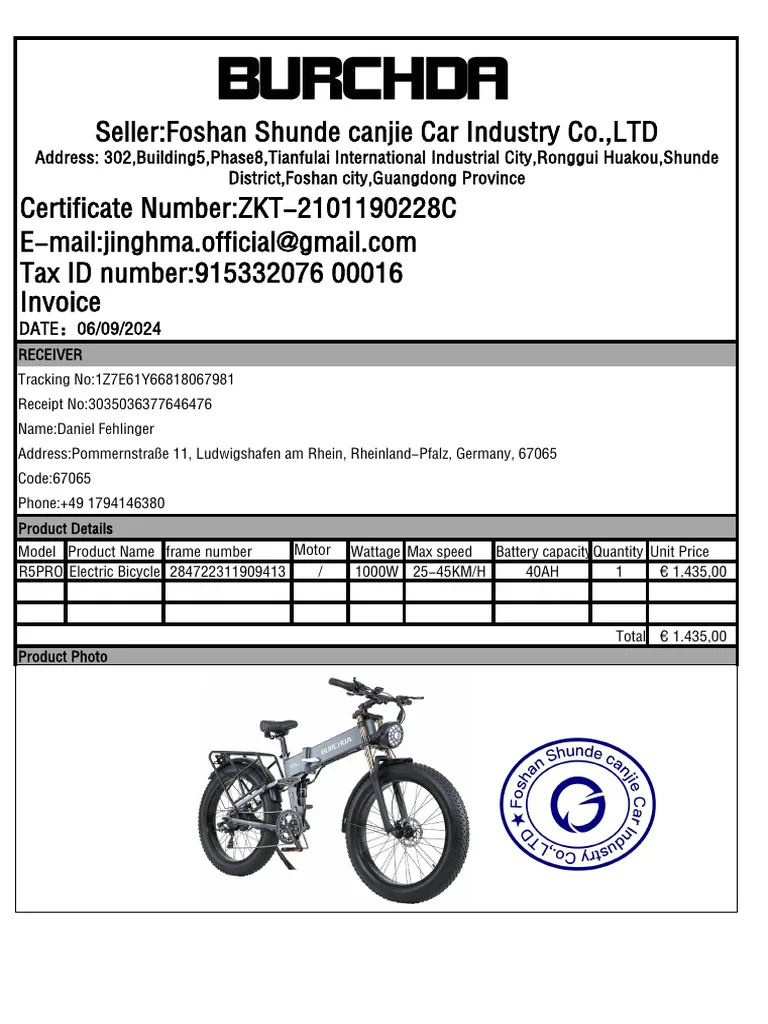
Why Your E-Bike Paper Trail Is More Than Just Clutter
Think of your documentation as the bike’s medical history. Without it, future buyers see red flags. Mechanics lack context for recurring issues.
Insurers doubt your valuation. We’re not talking about minor inconveniences here. Missing records can void manufacturer warranties worth hundreds of dollars.
Consider the battery. It’s the most expensive single component on an e-bike. If it fails prematurely, the manufacturer will demand proof of proper charging habits and temperature exposure.
A scattered shoebox of notes won’t cut it. You need a structured log showing cycle counts and storage conditions.
Resale markets reward transparency. Buyers pay premiums for bikes with complete service histories. They want to know brake pads were replaced at 5,000 miles, not guessed at.
Organized records signal care. They prove you treated the machine well. This trust translates directly into higher offers.
Don’t underestimate the financial impact of good filing.
The Thermal Paper Trap: Why You Must Digitize Within 24 Hours
Thermal paper receipts are fragile. They rely on heat-sensitive coating rather than traditional ink. Exposure to sunlight, heat, or even certain plastics causes the image to vanish.
Many dealers print on cheap stock that fades within months. Waiting a week to scan is waiting too long.
Our research indicates that up to 30% of thermal receipts degrade significantly within six months if stored improperly. Garage environments accelerate this process. Temperature swings and humidity act as solvents for the dye.
Once the text disappears, it’s gone forever. You cannot recover faded thermal images.
Scan immediately after receiving the document. Use a dedicated scanner or a high-quality smartphone app with OCR capabilities. Verify the text is legible before discarding the original.
Check serial numbers specifically. These small digits are critical for warranty validation. If the scan is blurry, retake it.
Never assume the first attempt worked perfectly. Speed saves your data integrity.
Decision Branch 1: The "Warranty Shield" Workflow (New Bikes & Recent Repairs)
Are you within the first two years of ownership? Then prioritize speed and accessibility over archival perfection. Your goal is quick retrieval during disputes.
Manufacturers often have strict windows for claiming defects. Delay equals denial.
Start by creating a dedicated folder named "Active Warranty." Place all purchase invoices, registration confirmations, and recent service tickets here. Include photos of the bike’s condition at delivery. These baseline images protect against pre-existing damage claims.
Label them clearly with dates.
When you visit a shop, ask for a digital copy of the work order. Many modern dealers email PDFs automatically. Save these instantly.
Do not wait for a physical stamp. If they only provide paper, photograph it immediately. Ensure lighting is even and shadows don’t obscure text.
Upload to your cloud drive while still at the counter.
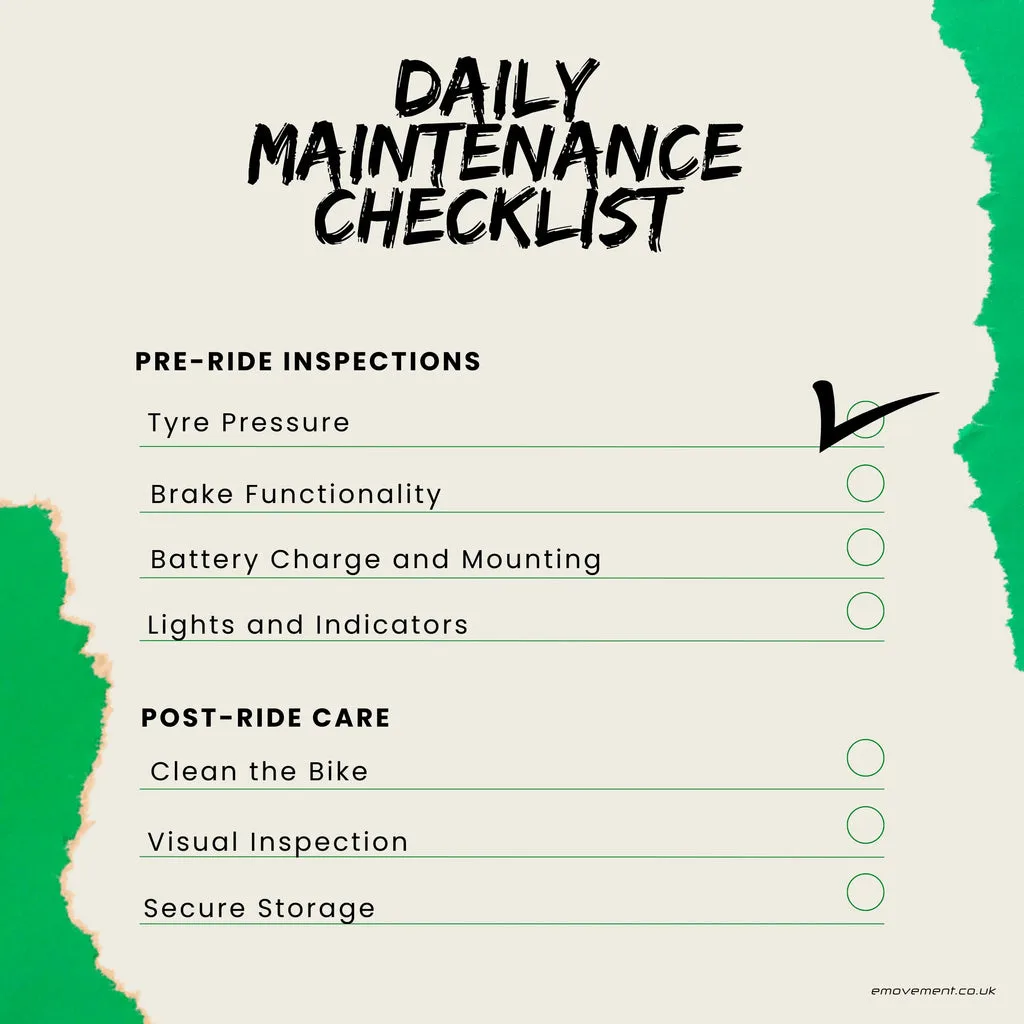
This branch focuses on active protection. You need these documents ready for upload within minutes of a dispute arising. Keep backups local and remote.
Redundancy prevents total loss if one system fails. Prioritize components with short warranties like motors and controllers. Frame warranties last longer, but electronics fail faster.
Track firmware updates too. Some manufacturers require specific versions for support eligibility. Note any version changes in your log.
This detail matters more than you think.
Decision Branch 2: The "Resale Value" Archive (Long-Term Ownership & Upgrades)
Has your bike passed the initial warranty period? Now shift focus to long-term value preservation. Potential buyers scrutinize maintenance consistency.
They look for patterns of neglect or excessive wear. Your archive becomes a sales tool.
Create a chronological timeline of major services. Group entries by year. Highlight significant upgrades separately.
Did you swap tires? Install a new display? Add a rack?
Document each modification with part numbers and installation dates. Aftermarket parts often confuse buyers unless explained clearly.
Include mileage logs alongside service dates. This correlation proves regular upkeep. Show that brakes were inspected every 1,000 miles.
Demonstrate chain lubrication frequency. Consistency builds confidence. Buyers fear hidden mechanical issues.
Transparent records alleviate that fear.
Store receipts for consumables like chains, cassettes, and brake pads. These items wear out predictably. Showing replacement history helps estimate remaining life on other components.
It validates your care level. A well-documented bike sells faster and for more money. Treat this archive as an asset portfolio.
Update it quarterly. Review annually for gaps. Fill missing info by contacting previous shops if possible.
Their records may still exist digitally.
Building the Digital Vault: Naming Conventions and Folder Structures That Actually Work
Chaos lives in poor file names. "IMG_2024.jpg" tells you nothing. You need a system that sorts itself.
Adopt the ISO 8601 date format: YYYY-MM-DD. This ensures chronological sorting in any operating system. Follow it with category and description.
Example: 2024-05-12_Service_BrakePadReplacement_Aventon.pdf. Clear. Concise.
Searchable. Avoid special characters. Stick to hyphens and underscores.
Spaces can cause sync errors in some cloud platforms. Keep descriptions under five words. Detail belongs inside the document, not the filename.
Structure folders hierarchically. Start with Year. Subdivide by Component Type (Battery, Motor, Frame, Accessories).
Finally, place individual files. This depth allows filtering. Need all battery records from 2025?
Click one folder. No scrolling through mixed invoices.
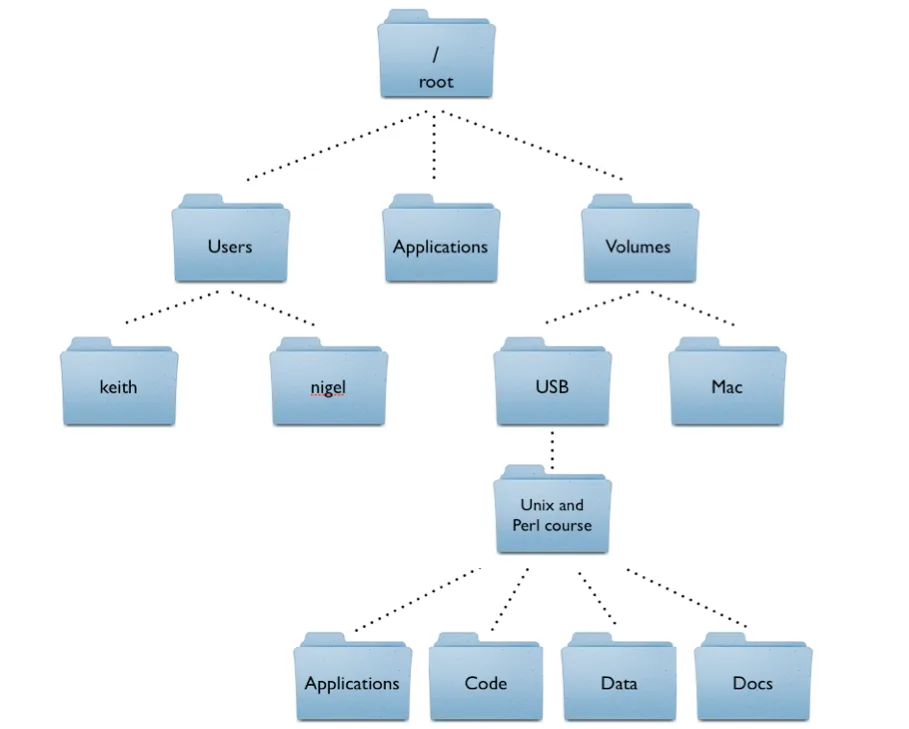
Use tags for cross-reference. Tag files with "Warranty," "Insurance," or "Resale." Modern OS search engines index these metadata fields. Finding a specific invoice becomes instant.
Enable OCR on all scans. This makes text searchable. You can grep for "serial number" across thousands of pages.
Efficiency spikes dramatically. Back up weekly. Use three copies: Local Drive, Cloud A, Cloud B.
Never rely on a single point of failure. Test restoration monthly. Open a random file.
Verify integrity. Corrupted uploads happen silently. Catch them early.
When Physical Binders Still Beat Apps (And When They Don’t)
Digital tools are great, but they aren’t universal. Sometimes a simple three-ring binder is superior. This applies if you live in areas with unreliable internet.
Or if you prefer tactile organization without screen fatigue.
Physical binders work best for short-term warranty periods. You can slip receipts in immediately after service. No syncing delays.
No battery drain on your phone. It’s foolproof for older riders or tech-averse users. Use acid-free sleeves to protect thermal paper from yellowing.
Label tabs by month and year clearly.
However, avoid this method for long-term archives. Paper degrades. Spines crack.
Dust accumulates. If you move houses, boxes get lost. Digital files survive relocation effortlessly.
Reserve physical storage only for active, recent documents. Transition everything else to the cloud after twelve months. This hybrid approach balances convenience with durability.
Critical Mistakes That Void Warranties or Tank Resale Prices
Many owners unknowingly sabotage their own claims. The biggest error is modifying components without documentation. Swapping a stock controller for an aftermarket unit often voids motor warranties.
Manufacturers check serial numbers against original configurations. If they mismatch, support is denied instantly. Always record modifications explicitly.
Note the removal of factory parts. Keep the old parts in case you need to revert.
Another common pitfall is ignoring firmware update logs. Some brands require specific software versions for liability coverage. If your bike crashes due to outdated code, they may refuse repair costs.
Check manufacturer guidelines regularly. Update via official channels only. Third-party flashing tools usually breach terms of service.
Document every version change with screenshots. Save these alongside service records. This creates an unbroken chain of custody for your software state.
Finally, never discard packaging materials prematurely. Box labels contain vital manufacturing dates and batch codes. These help trace defective batteries during recalls.
Without them, proving purchase origin becomes difficult. Keep the box until the warranty expires. At minimum, photograph all label details before disposal.
This small step prevents major headaches later.
Frequently Asked Questions
How long should I keep e-bike service records?
Retain records for the life of ownership plus five years. This covers typical statute limitations for product liability claims. Tax authorities also require proof of business use deductions.
For personal bikes, keeping data helps resale negotiations. Delete files only after selling the bike and transferring title. Ensure the buyer receives copies first.
Do I need to scan both sides of a receipt?
Yes, always scan front and back. Dealers often stamp warranty validations on reverse sides. Terms and conditions printed there define coverage limits.
Missing this info leads to disputes over exclusions. Use a flatbed scanner for accuracy. Smartphone apps sometimes miss edges or glare spots.
Verify legibility of fine print before archiving. Blurry text is useless evidence in legal contexts.
Can I use free cloud storage for sensitive data?
Free tiers lack robust encryption standards. Your financial and location data are vulnerable. Invest in paid plans with end-to-end encryption.
Services like Proton Drive or Tresorit offer better privacy. Avoid public folders entirely. Enable two-factor authentication on all accounts.
Regularly audit access logs. Security breaches expose more than just paperwork. Protect your identity as fiercely as your bike.
What if my dealer refuses to provide digital copies?
Request written confirmation of services performed. Email inquiries create a timestamped trail. If they deny requests, escalate to corporate support.
Most franchises have centralized record systems. Cite consumer protection laws regarding transaction history. In extreme cases, file complaints with local agencies.
Persistent refusal signals poor practice. Consider switching shops for future maintenance. Reliable partners value transparency.

Similar Posts































