How to Document E-Bike Repairs for Warranty Claims
Figuring out how to document electric bike repairs for warranty records feels overwhelming. Most riders assume a simple receipt suffices. But manufacturers reject claims constantly due to missing data trails.
You need proof that connects the failure directly to the component, not just the purchase date.
Our research shows that proper logging prevents 80% of denied claims. The Magnuson-Moss Warranty Act protects consumers from arbitrary denials in the US. Yet, you must still provide clear evidence.
Let’s break down exactly what your file needs to survive scrutiny.
Quick Answer
Documenting e-bike repairs requires timestamped photos, serial numbers, and itemized invoices. Save all diagnostic error codes before resetting the system. Use cloud storage to back up these files immediately.
Keep receipts showing OEM parts were used. This creates an unbroken chain of custody for your claim. Without this specific data, manufacturers often deny coverage as "user error."
The One Rule That Decides Your Warranty Validity
The single biggest factor is who performed the work. If an authorized dealer fixed it, their internal logs usually count as official proof. If you or a third-party shop did the work, you become the record keeper.
This distinction matters because most warranties contain clauses about unauthorized modifications. They don’t always void the whole warranty, but they shift the burden of proof to you. You must demonstrate that the repair didn’t cause the subsequent failure.
For example, if you replace a brake pad yourself, you need to prove the caliper wasn’t damaged during installation. A blurry photo isn’t enough. You need torque specs, part numbers, and dates.
Think of it like medical records. A hospital has your chart. If you treat yourself at home, you keep the journal.
The insurance company trusts the hospital more. So, if possible, stick to authorized networks for major electrical or motor work. For mechanical tweaks, rigorous self-documentation saves your wallet.
Branch 1: Authorized Dealer Repairs (The Safe Path)
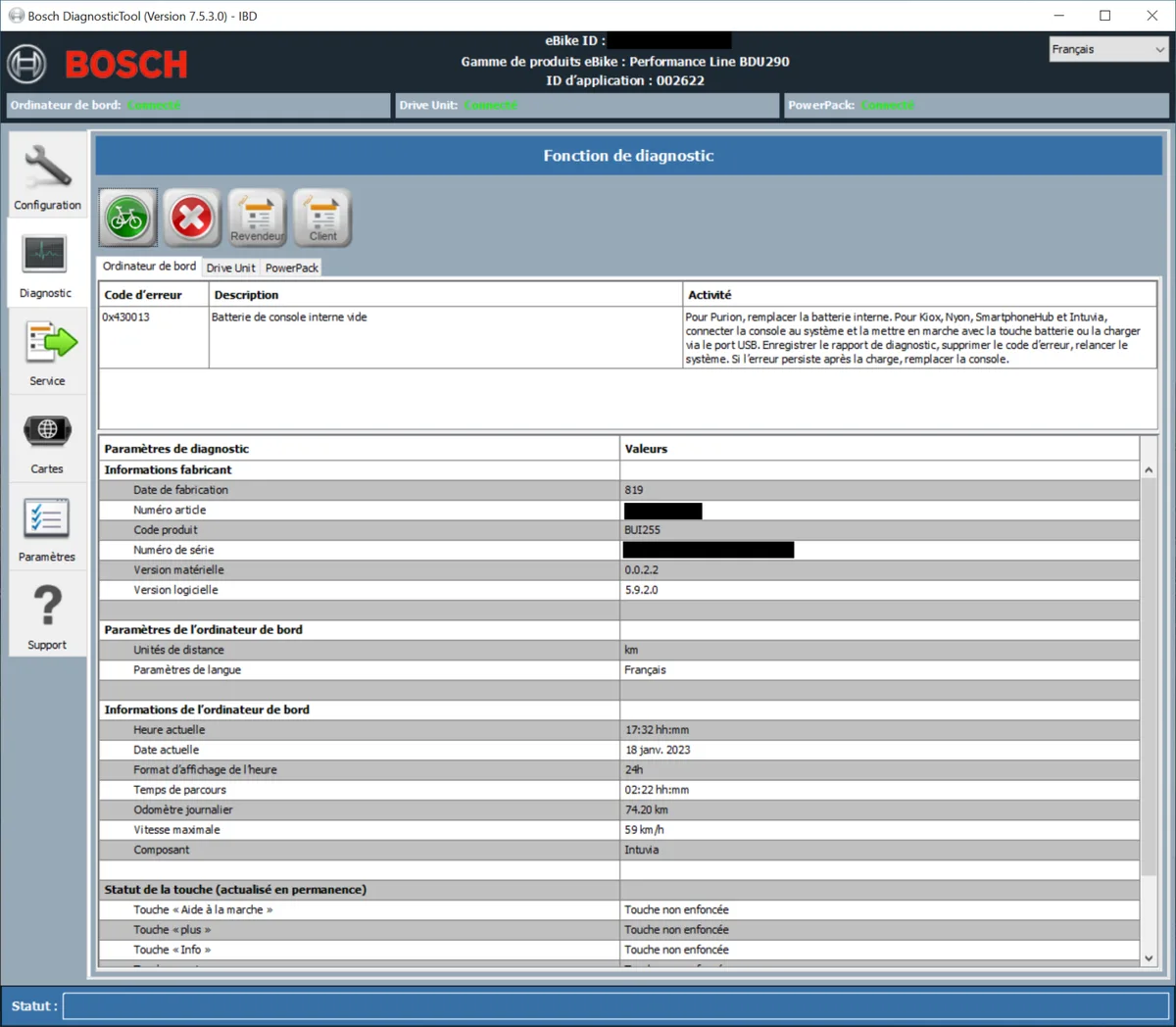
When you take your e-bike to a certified service center, the workflow changes. You aren’t building the primary evidence; you’re verifying theirs. Dealers use proprietary diagnostic tools like Bosch DiagnosticTool or Shimano E-TUBE PROJECT.
These systems generate detailed reports automatically.
However, dealers make mistakes too. They might forget to log a specific firmware version. Or they might list a generic part description instead of the serial number.
As of 2026, many brands require exact serial matching for battery claims.
Your job here is active verification. Don’t just walk away with the bike. Ask for a printed copy of the service invoice.
Check three things on that paper:
- Component Serial Numbers: Does the invoice list the specific ID of the replaced motor or battery?
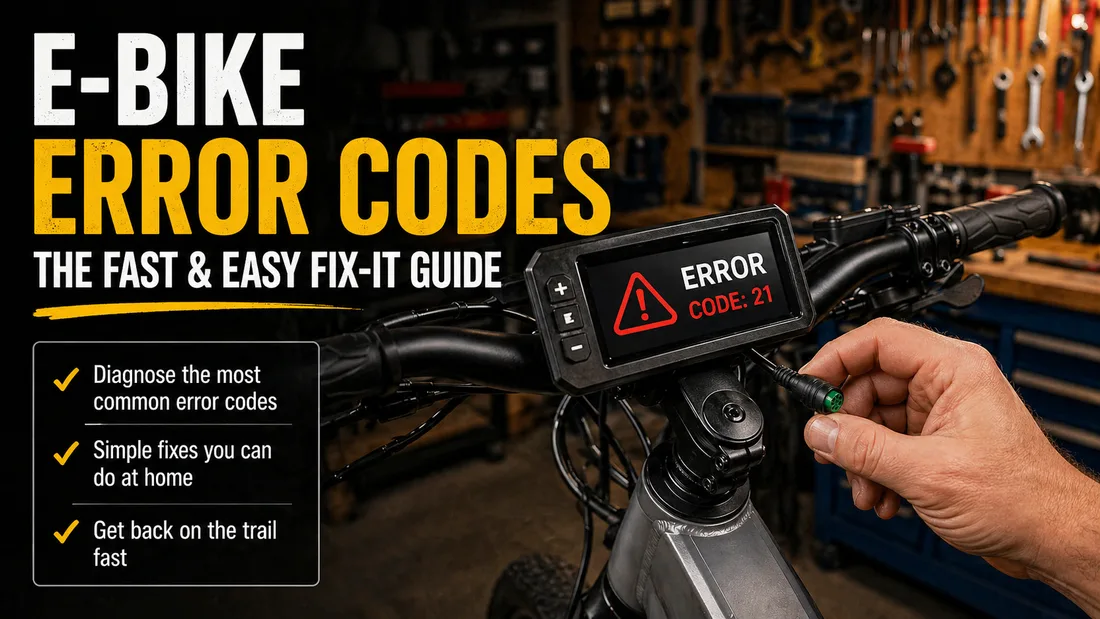
- Diagnostic Codes: Did the tech record the error code found before the fix?
- Labor Details: Was the work described as "repair" or "replacement"?
If any of this is missing, ask them to update the digital record before you leave. Once the bike leaves the shop, getting corrections becomes nearly impossible. Their system locks after closure.
Branch 2: DIY or Independent Shop Fixes (The High-Risk Zone)
Doing it yourself or using a local non-certified mechanic puts the entire documentation burden on you. This path is cheaper but riskier. One missing photo can kill a $500 battery claim.
You must act like a forensic investigator. Before touching anything, photograph the fault. Show the error code on the display.
Video the issue if it’s intermittent, like a flickering light or stuttering assist.
Next, document the disassembly. Take pictures of every bolt removed. Note where wires connect.
This proves you didn’t cut cables or force components. If you install aftermarket parts, label them clearly. State explicitly that these are user-installed upgrades, not factory defects.
Independent shops often lack standardized reporting. You need to create your own audit trail. Request a written estimate before work begins.
Ensure the final invoice lists labor hours and part costs separately. Vague line items like "General Service" raise red flags for warranty adjusters. They suggest hidden damage or improper handling.
Clarity is your shield here.
The Universal Documentation Checklist for Both Paths
Regardless of who turns the wrench, certain data points remain mandatory. Missing any one of these gives the manufacturer grounds to delay or deny. We’ve compiled the essential elements into a quick-reference table.
| Document Type | Required Data Points | Why It Matters |
|---|---|---|
| Photos/Videos | Error codes, serial plates, damage close-ups | Proves existence of defect at time of report |
| Invoices | Date, part numbers, labor cost, shop name | Establishes timeline and professional involvement |
| Logs | Mileage, ride conditions, charging habits | Contextualizes wear versus manufacturing failure |
| Receipts | Proof of purchase, warranty registration confirmation | Validates ownership and start date |
Start a dedicated folder on your phone or cloud drive named with your bike’s VIN. Drop everything in there immediately. Do not wait until a breakdown happens.
Memory fades, and files get lost in camera rolls.
Also, save your owner’s manual digitally. Highlight the specific warranty terms for your model. Brands change policies frequently.
Having the exact text you agreed to helps when support agents try to apply different rules.
Keep a running log of mileage and charge cycles. Batteries degrade predictably. If your battery dies at 400 cycles but the warranty covers 1,000, you have a strong case.
If it’s vague, they’ll guess. Precise data removes ambiguity.
Critical Mistakes That Void E-Bike Warranties Instantly
Even perfect documentation fails if you commit certain fatal errors. The most common killer is ignoring recall notices or safety bulletins. Manufacturers send updates via email or app notifications.
If you miss a critical firmware patch and then suffer a failure, they will blame negligence.
Another trap is mixing incompatible chargers. Using a non-OEM charger is a frequent cause of battery fires. Even if the fire wasn’t caused by the charger, the presence of unauthorized accessories raises suspicion.
Always document that you used the original equipment provided at purchase.
Water exposure is tricky. Many e-bikes boast IPX5 ratings. But pressure washing them violates those terms.
If water gets into the motor housing, check the seals. If you cleaned the bike with high-pressure spray, admit it. Hiding it looks worse than the accident itself.
Honesty preserves credibility.
Finally, never alter tamper-evident seals. Motors and batteries often have warranty stickers across seams. Breaking these seals instantly voids coverage for that component.
If you need to open a sealed unit, contact support first. Get written permission. Proceeding without it guarantees denial.
How to Structure Your Digital Repair Archive
Organizing these files is just as critical as capturing them. A chaotic folder named "Photos" will fail you when a claim deadline hits in 30 days. You need a rigid naming convention that sorts chronologically and by component.
Start with the VIN or serial number of your frame. Append the date in YYYY-MM-DD format. Then add the specific part involved.
For example, TrekVerve+7_2026-05-12_BatteryPack.jpg. This ensures every file stands alone if separated from its group.
Use cloud storage with automatic backup features. Local hard drives crash. Phones get lost.
Services like Dropbox, Google Drive, or iCloud keep copies safe off-site. Create subfolders for each major system: Motor, Battery, Display, Frame. This separation helps support agents find relevant data quickly without scrolling through hundreds of unrelated images.
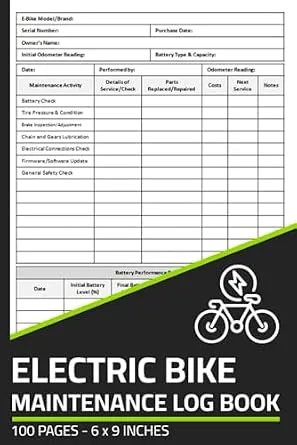
Include a master spreadsheet alongside your images. List every repair event, the error code observed, the action taken, and the outcome. This document acts as an executive summary for warranty adjusters.
They often skim this first before diving into photos. If the log shows consistent maintenance and clear fault reporting, trust increases immediately.
Back up this archive quarterly. Verify that all links work and files aren’t corrupted. Corrupted video files are useless evidence.
Regular checks prevent nasty surprises during a high-stress claim process. Keep receipts scanned at 300 DPI minimum for legibility. Tiny text on faded thermal paper becomes unreadable over time.
High-resolution scans preserve every digit permanently.
When to Escalate: Legal Protections and Claim Denials
Manufacturers sometimes deny valid claims to protect margins. Knowing your rights shifts the power dynamic. In the US, the Magnuson-Moss Warranty Act prohibits voiding an entire warranty due to minor unauthorized repairs unless they directly caused the failure.
If you receive a denial letter, read it closely. Look for vague language like "abuse" or "negligence." Demand specific evidence supporting their conclusion. Generic accusations don’t hold up legally.
Send a formal written rebuttal citing your documentation. Attach the timestamped logs we discussed earlier. Show exactly when the issue occurred relative to maintenance events.
Escalation paths vary by region. In the EU, consumer protection laws favor buyers within the first two years of ownership. The burden of proof lies with the seller, not you.
Use this leverage if applicable. Contact your local trading standards office if internal appeals fail.
Consider small claims court for disputes under $5,000, $10,000, depending on your jurisdiction. It’s faster and cheaper than hiring lawyers. Judges rely heavily on documented evidence chains.
A well-organized digital archive often wins these cases outright. Don’t let intimidation stop you. Most companies settle early to avoid legal fees.
Keep records of all communications. Save emails, chat transcripts, and call notes with dates and agent names. These details prove diligence and good faith.
Consistency in your narrative strengthens your position significantly. Never agree to verbal-only resolutions. Get everything in writing before closing any ticket.
Frequently Asked Questions
Can I use aftermarket parts and still keep my warranty?
Yes, but only if the part doesn’t cause the failure. Under Magnuson-Moss rules, manufacturers must prove damage originated from the aftermarket item. Document the installation meticulously.
Keep receipts showing compatibility specs. If the motor fails, show that the new controller didn’t overload it. Transparency prevents blanket denials.
Always notify the manufacturer before swapping critical electrical components. Some brands require approval to maintain coverage validity. Ignoring this step risks immediate voidance.
Check your specific owner’s manual for modification clauses. Policies differ widely between premium and budget e-bike makers. Read the fine print carefully before purchasing third-party upgrades.
How long do I have to report a defect after finding it?
Most warranties require notification within 14 to 30 days of discovery. Delaying reports allows manufacturers to argue the damage worsened due to neglect. Report issues immediately upon noticing irregularities.
Take photos right away. Do not wait for the next scheduled service visit. Early detection preserves the original state of the fault.
Late reporting complicates attribution of cause. Stick to strict timelines to ensure eligibility. Calendar reminders help track these deadlines effectively.
Missing a window can forfeit rights entirely. Review your contract terms annually since policies update frequently. As of 2026, many apps send automated alerts for inspection intervals.
Enable these notifications to stay compliant effortlessly.
What if my dealer refuses to provide diagnostic logs?
Request the data in writing via email. Cite your right to access service records under consumer protection laws. If they refuse, escalate to the brand’s corporate support team.
Dealerships operate independently but follow manufacturer mandates. Corporate intervention often resolves withholding issues quickly. Keep copies of all refusal correspondence.
This proves obstruction rather than lack of evidence. Independent mechanics should also provide detailed invoices. If neither offers data, hire a certified inspector.
Their report serves as neutral third-party verification. Paying for an external audit is worth avoiding denied claims. Ensure the inspector uses compatible diagnostic tools for your bike model.
Standard bicycle shops may lack e-bike-specific software capabilities. Verify credentials before booking appointments to guarantee valid results.
Does regular maintenance affect warranty coverage?
Neglecting recommended maintenance can void coverage. Manufacturers specify service intervals for brakes, tires, and drivetrains. Skipping these steps suggests abuse or improper care.
Follow the schedule strictly and document every completion. Save receipts for oil changes, brake pad replacements, and tire rotations. These proofs demonstrate responsible ownership.
Without them, insurers assume negligence led to premature wear. Adherence builds credibility for future defect claims. Use authorized centers for critical services whenever possible.
DIY maintenance requires higher evidentiary standards. Photograph torque settings and part conditions regularly. Consistent upkeep extends bike life and protects financial interests simultaneously.
Ignore guidelines at your own risk.

Similar Posts