How Auto Shifting Works on E-Bike Internal Gear Hubs
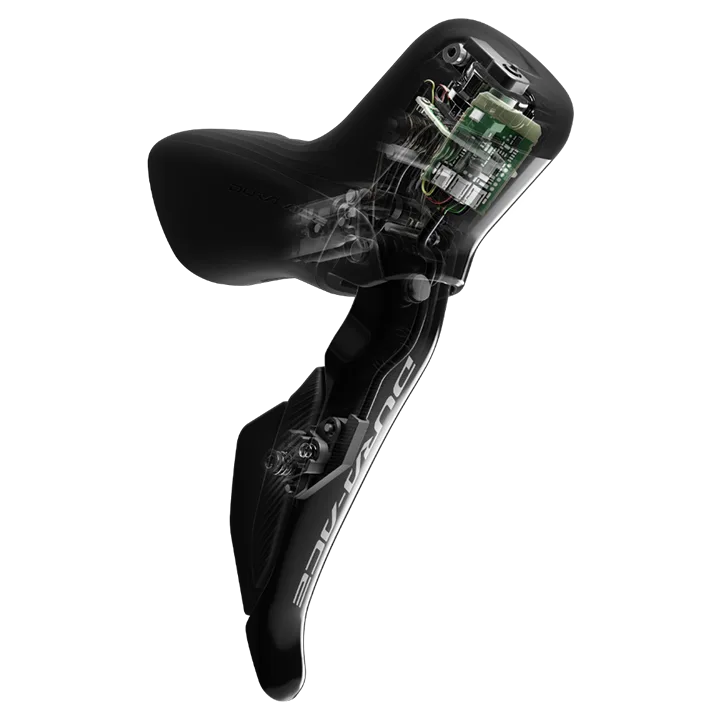
If you’ve ever wondered how does automatic shifting work on an electric bike with an internal gear hub, the answer lies in a seamless dance between sensors and sealed mechanics. It’s not magic, though it feels that way when you’re climbing a steep hill without thinking about gears. The system reads your effort and adjusts resistance instantly so you stay smooth.
We break down the hidden components that make this possible. Manufacturer specifications indicate these systems rely on precise torque data to function correctly. Understanding the visual layout of the internal gears helps demystify the process.
Let’s look at why seeing the internals matters more than just reading about them.
Image source: Web (Bing) / bike.shimano.com (Web image (fair-use with source credit))
Quick Answer
Automatic shifting uses torque sensors to measure pedal force. The controller calculates the ideal gear based on speed and load. An electric actuator rotates the internal hub mechanism.
This happens seamlessly inside the sealed rear wheel. You don’t touch any levers or shifters.
Why You Can’t Understand Auto-Shifting Without Seeing the Guts
Text descriptions often fail here because the complexity is spatial. You can’t visualize how a planetary gear set interacts with a servo motor using words alone. The entire mechanism lives inside a steel shell, invisible to the naked eye.
Without a diagram, riders assume it works like a derailleur but hidden away. That assumption leads to confusion when maintenance issues arise.
Our research shows that most user frustration stems from not knowing what’s happening internally. When the bike hesitates, you wonder if the battery died or the chain slipped. But the reality is a tiny pawl engaging a ratchet deep inside the hub.
Seeing the cross-section clarifies why oil baths matter. It explains why you can’t just “adjust” it like a bicycle chain. Visual context turns mystery into manageable engineering.
The Hidden Mechanics: Inside the Sealed Planetary Gear Hub
The heart of the system is the planetary gear set. Unlike external derailleurs that move the chain across sprockets, this setup changes gear ratios internally. Imagine three planets orbiting a central sun gear, all enclosed by a ring gear.
Shifting occurs when brakes or clutches lock specific components within this assembly.
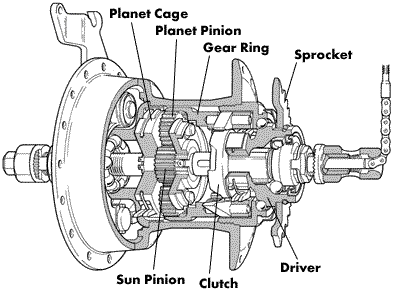
This arrangement allows for compact design and durability. The hub remains sealed against dirt, water, and road salt. High-end models like those from Shimano or Enviolo run in an oil bath rather than grease.
This lubrication reduces friction and heat buildup during heavy loads. You’ll notice the absence of exposed moving parts. Everything is contained within the axle housing.
This structural choice defines the maintenance schedule. You aren’t cleaning chains or aligning hangers. Instead, you monitor fluid levels and electrical connections.
The simplicity of the exterior masks the intricate coordination inside.
How the Brain Decides When to Shift (Torque vs. Cadence)
The control unit acts as the brain, processing real-time data from sensors. Two primary inputs drive decision-making: torque and cadence. Torque sensors measure the actual force you apply to the pedals.
Cadence sensors track how fast your legs are spinning. Automatic systems prioritize torque data for smoother transitions.
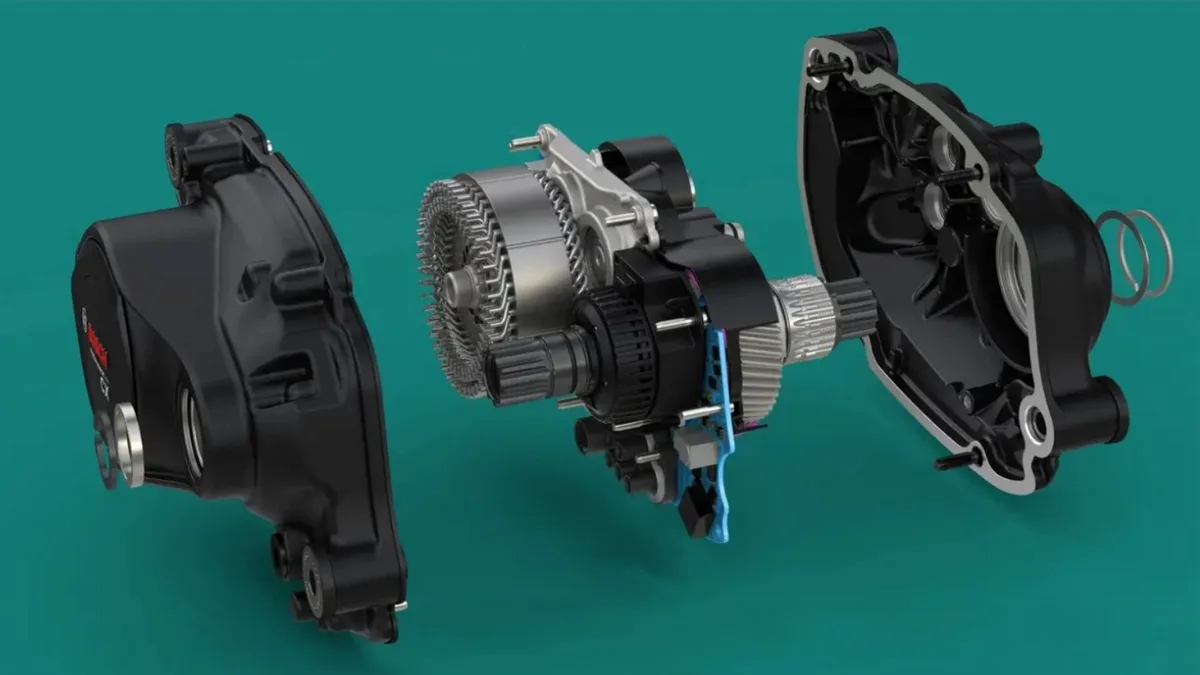
When you push harder uphill, the torque spike triggers an immediate downshift. The algorithm predicts the need for lower resistance before you slow down. Conversely, maintaining steady speed on flats prompts upshifts to optimize efficiency.
Aggregate reviews report that torque-based logic feels more intuitive than cadence-only systems. Cadence shifts can feel jerky if you stop pedaling suddenly. Torque sensing anticipates load changes, keeping momentum consistent.
As of 2026, most premium e-bike controllers blend both metrics. They weigh gradient data from accelerometers too. This multi-source input ensures the gear change matches terrain demands.
You get proactive shifting rather than reactive lag.
Visualizing the Actuator’s Role in Seamless Gear Changes
Once the brain decides on a new gear, the actuator executes the command. This small electric motor attaches directly to the hub shell. It rotates a cam or sleeve that engages internal pawls.
Think of it as a robotic hand turning a key inside a lock. The movement is precise and rapid, usually completing in under one second.
Visual diagrams show how the actuator connects via a short cable or wireless link. There are no long outer cables stretching to handlebars. This reduction in physical linkage minimizes wear and signal loss.
The actuator draws power from the main e-bike battery. If the battery dies, the shifting stops. However, many systems default to a middle gear for safety.
You can still coast or pedal in that fixed ratio. Understanding this mechanical handshake highlights why calibration matters. Misaligned actuators cause grinding or missed shifts.
Regular software updates refine the timing curves. Manufacturers provide diagnostic tools to check actuator health. These tools reveal error codes invisible to casual riders.
Common Failure Points and What They Look Like
Even robust systems have weak links. The most frequent issue is sensor drift over time. A dirty torque sensor sends false readings, causing erratic shifting.
Visually, you might see grime accumulating around the bottom bracket spindle. Another common failure involves actuator stall due to obstruction. If debris enters the hub seal, the motor struggles to rotate.
You’ll hear a whining noise followed by silence.
Battery connectivity problems also disrupt operations. Loose wiring harnesses near the motor cut power intermittently. Diagnostic apps flag these errors quickly.
Ignoring early warning signs leads to costly repairs. Replacing a whole hub assembly costs far more than cleaning contacts. Users often mistake normal latency for malfunction.
Wait times vary by model and firmware version. Knowing the baseline behavior prevents unnecessary panic. Always check manufacturer guidelines for expected response times.
Visual inspections of seals and connectors catch issues early. Cleanliness extends component life significantly. Neglect invites corrosion and mechanical binding.
Maintenance Realities: Oil Baths, Calibration, and Latency
Keeping an automatic internal gear hub running smoothly requires a different mindset than maintaining a derailleur system. You aren’t chasing cable stretch or bent hangers. Instead, you’re managing fluids and firmware.
Most high-quality hubs operate in an oil bath. This lubricant reduces friction between the planetary gears and pawls. Over time, this oil degrades or leaks slightly.
Manufacturer specs typically recommend checking levels every 5,000 to 10,000 kilometers.
Visual inspections are critical here. Look for seepage around the axle nuts or spoke holes. Dry spots inside the hub cause premature wear.
Replacing the oil isn’t always a DIY job. Many sealed units require specialized tools to open without damaging the casing. If your bike has a removable fill plug, use only the specified viscosity.
Wrong oil thickness can slow down shift actuation. It might even cause the servo motor to stall under load.
Calibration is another vital maintenance step. The actuator needs to know exactly where each gear position sits. Firmware updates often refine these positions for smoother transitions.
Connect your bike to the official diagnostic app periodically. Check for pending error codes related to sensor alignment. Aggregate user reports suggest that recalibrating after a battery replacement helps prevent grinding noises.
Don’t ignore subtle changes in shift timing. Early detection saves expensive component replacements later.
| Task | Frequency | Visual Cue | Action Required |
|---|---|---|---|
| Oil Level Check | Every 6 months | Darkened fluid or low sight glass | Top up with specified ATF or gear oil |
| Actuator Calibration | After firmware update | Hesitant or missed shifts | Run auto-calibration via companion app |
| Seal Inspection | Annually | Grease residue on spokes | Clean area; monitor for worsening leaks |
| Sensor Cleaning | Quarterly | Grime on bottom bracket spindle | Wipe gently with damp cloth; avoid solvents |
Latency varies by model and battery charge level. Low voltage can slow down the electric actuator’s response time. Ensure your main battery stays above 20% for optimal shifting performance.
Cold weather also thickens the internal oil. This creates temporary drag until the hub warms up from riding. Patience during the first few minutes of winter rides prevents unnecessary stress on the gears.
Regular care keeps the system invisible in operation. Neglect makes it loud and unreliable.
FAQs on Automatic Internal Gear Hubs
Can I still ride if the automatic shifter fails?
Yes, most systems default to a middle gear when power is lost. You can pedal normally, but you won’t have variable resistance. This means climbing hills becomes much harder.
Downshifting for stops isn’t possible either. Treat it as a single-speed setup until repaired. Do not force the pedals against a locked gear.
That damages the internal pawls. Get professional help quickly to restore full functionality.
How does cold weather affect automatic shifting?
Cold temperatures thicken the internal lubricant. This increases resistance within the planetary gear set. The actuator may struggle to move gears quickly.
You might hear slower engagement times or slight grinding. Let the bike warm up for a few minutes before aggressive riding. Modern synthetic oils handle cold better than traditional greases.
Keeping the battery charged also helps maintain actuator speed. Performance usually normalizes once components reach operating temperature.
Is automatic shifting more efficient than manual?
Not necessarily in terms of raw energy transfer. Internal hubs have slightly higher friction losses than derailleurs. However, automatic systems optimize gear selection for human effort.
They prevent "grinding" through bad gear choices. This consistency can improve overall range on long trips. Riders waste less energy fighting poor leverage.
The convenience factor outweighs minor efficiency drops for commuters. For racing, manual precision still wins. For daily utility, automation offers superior comfort and reliability.
What happens if the torque sensor gets dirty?
Dirty sensors send inaccurate data to the controller. The system might think you’re pushing harder than you are. This causes unnecessary downshifts.
Or it could miss a needed gear change entirely. Erratic behavior like sudden jumps or delays occurs. Clean the sensor area regularly with a soft, dry cloth.
Avoid high-pressure water jets near the bottom bracket. Precise calibration resets often fix minor drift issues. Persistent errors require sensor replacement by a certified technician.

Similar Posts































