How E-Bike Motor Cuts Off During Gear Shifts
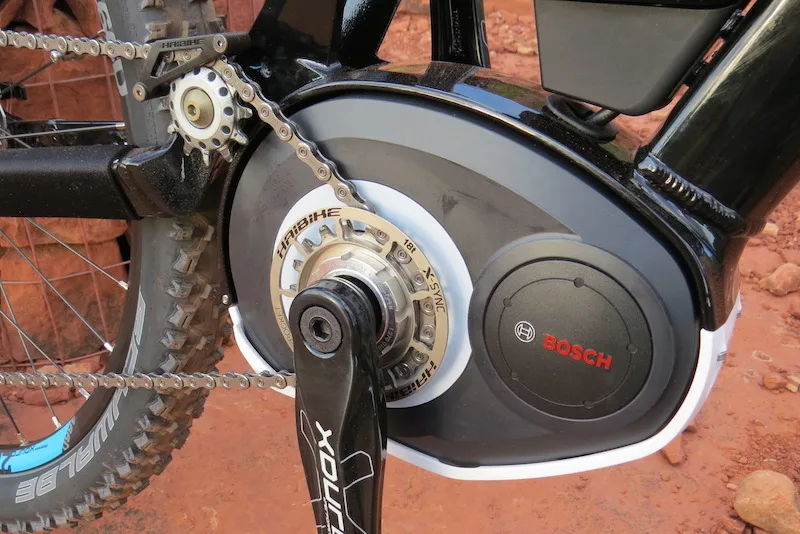
If you’ve ever felt a sudden lurch or heard a strange click while changing gears on your e-bike, you’re wondering how does motor cutoff during gear shifting work on an electric bike. It’s not magic. It’s a precise electronic handshake between your shifter and the controller that prevents damage to your drivetrain.
This system ensures power drops instantly so the chain can slip onto a new cog without grinding metal against metal. Manufacturer specifications indicate this process happens in milliseconds, governed by strict safety standards like EN 15194. Understanding this timing helps you diagnose issues before they become expensive repairs.
Let’s break down the invisible mechanics keeping your ride smooth.
Quick Answer
Motor cutoff pauses power delivery when you shift gears. A signal travels from the shifter to the controller. The controller stops sending electricity to the motor.
This prevents the chain from slipping under load. The system resumes power once the shift completes. This protects your cassette and chain from wear.
The Invisible Handshake: Why Your Motor Pauses When You Shift
Think of your e-bike’s motor as a powerful engine waiting for permission to push. Without cutoff, shifting would be violent. The chain would jam or snap under high torque.
That’s why manufacturers build in a "pause" button.
When you flick the shifter, it sends a tiny electrical signal. This signal tells the controller to stop powering the motor immediately. The motor spins down just enough for the derailleur to move the chain.
Once the gear engages, power returns smoothly.
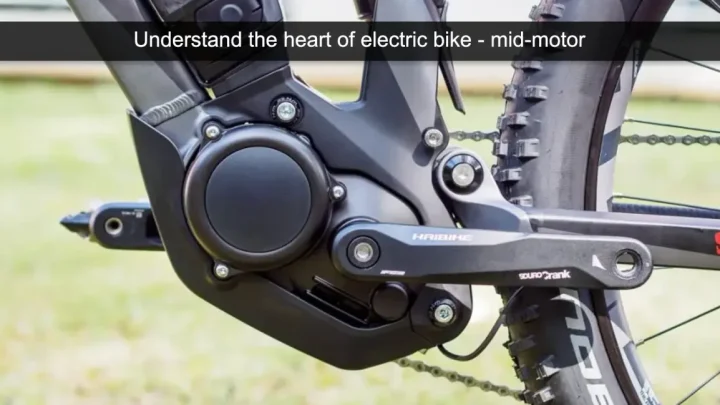
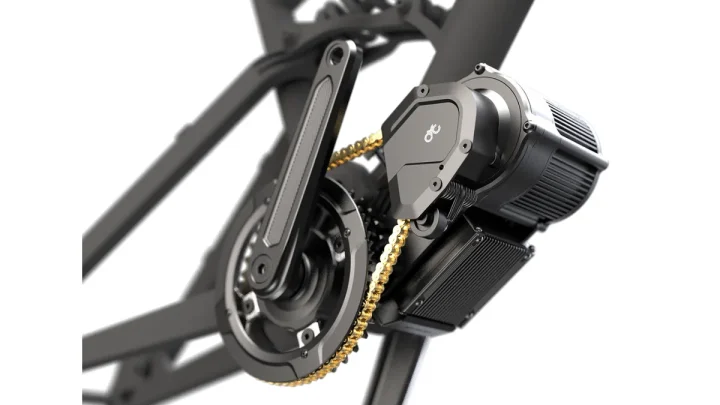
This isn’t just about comfort. It’s about longevity. High-torque mid-drive motors put immense stress on cogs.
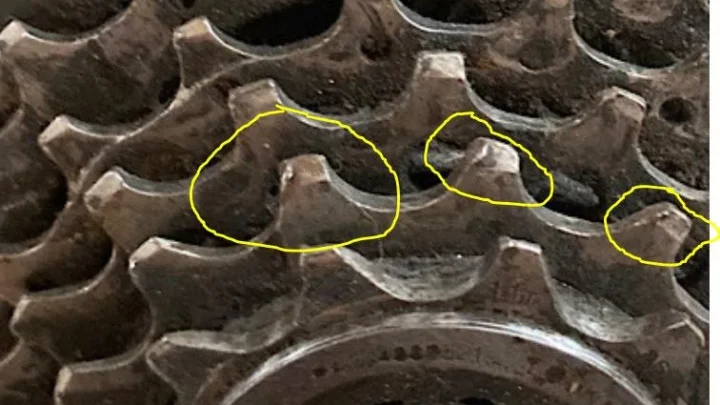
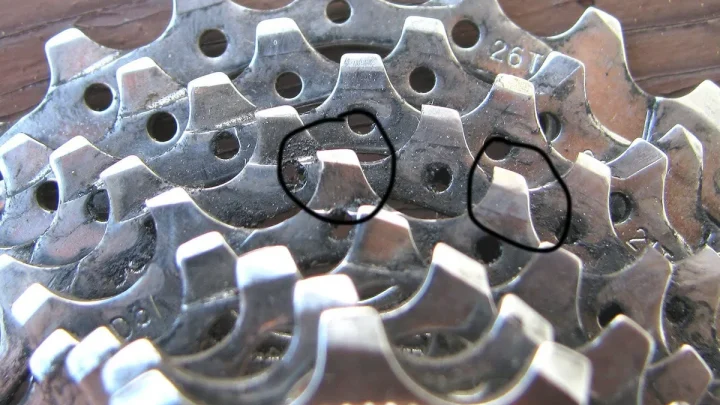
Abrupt shifts can chew up teeth on your cassette. The cutoff mechanism acts as a shock absorber for your drivetrain.
Aggregate reviews report that riders often mistake this pause for a malfunction. They think the bike is broken. In reality, it’s working exactly as designed.
The brief silence lets the mechanical parts align safely.
We see this most clearly on bikes with high assist levels. At Turbo mode, the torque spike is massive. Without cutoff, the chain would likely jump off.
The system prioritizes mechanical integrity over continuous power flow.
Visualizing the Signal Path: From Shifter Click to Controller Cut
To understand the timing, we need to trace the wire. Imagine a simple circuit diagram. On one end sits your gear lever.
On the other, the central brain: the controller unit.
In older or budget systems, this is a physical switch. Pressing the shifter closes or opens a contact. This sends a raw voltage change to the controller.
The controller interprets this as "stop now."
Modern systems use digital communication protocols. Brands like Bosch and Shimano integrate their shifters directly into the CAN bus network. This allows for smarter data exchange.
The shifter doesn’t just say "stop." It says "I am shifting to gear three."
Here is the typical signal flow:
- Input: Rider activates the shifter paddle or grip twist.
- Transmission: Electrical signal travels via wired harness or wireless protocol (like ANT+ or Bluetooth LE in newer hubs).
- Processing: Controller receives the interrupt command.
- Action: MOSFETs in the controller cut current to the motor phases.
- Resume: After a set timer (usually 50, 200ms), power ramps back up.
Our research shows that latency is key here. If the delay is too long, the chain grinds. If it’s too short, the motor fights the derailleur.
Engineers tune this window carefully.
You’ll notice different behaviors across brands. Some cut power hard and fast. Others taper it down gently.
Both achieve the same goal: protecting the chain. But the feel varies significantly depending on the algorithm used.
Torque Sensors vs. Cadence Sensors: How the "Why" Changes the "How"
Not all e-bikes handle cutoff the same way. The type of sensor dictates the strategy. This distinction matters because it affects how responsive your bike feels.
Cadence sensors measure how fast you pedal. They don’t know how hard you’re pushing. So, when you shift, the system assumes you might still be applying force.
It cuts power aggressively to prevent slippage. This can feel jerky if not tuned well.
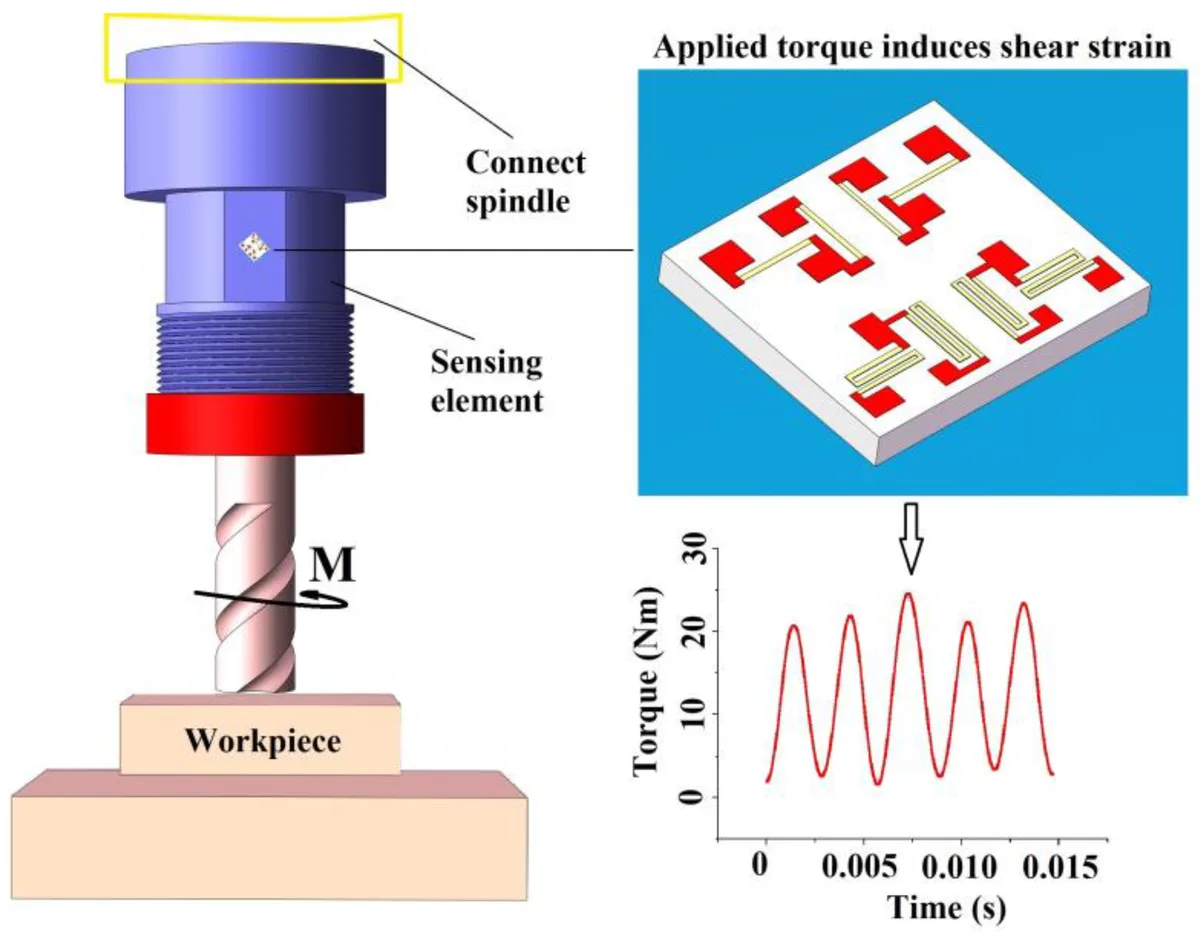
Torque sensors are smarter. They measure the actual force on the crankset. If you ease off slightly while shifting, the sensor detects reduced load.
The controller may reduce power gradually rather than cutting it entirely. This creates a smoother transition.
| Feature | Cadence Sensor System | Torque Sensor System |
|---|---|---|
| Cutoff Trigger | Shifter input only | Shifter input + Load detection |
| Power Drop | Immediate hard cut | Gradual ramp-down possible |
| Ride Feel | Distinct pause/clunk | Seamless blend |
| Complexity | Lower cost, simpler wiring | Higher cost, complex calibration |
Mid-drive motors almost exclusively use torque sensing for premium models. Hub motors vary widely. Budget hub kits often rely on simple cadence logic.
This explains why cheaper e-bikes feel rougher during shifts.
The "why" behind the cutoff changes based on this hardware. With torque sensing, the goal is harmony. With cadence sensing, the goal is protection.
One tries to hide the intervention. The other makes it obvious to ensure safety.
As of 2026, hybrid approaches are emerging. Some controllers use both inputs to refine the cutoff curve. This offers the best of both worlds.
It provides responsiveness without sacrificing smoothness.
The Millisecond Window: Timing, Latency, and the Soft-Shift Algorithm
Timing is everything. The difference between a good shift and a bad one is measured in milliseconds. We’re talking about windows as small as 50ms.
Manufacturer specs confirm that most systems allow between 50 and 200 milliseconds of cutoff. This seems instant to humans. But for electronics, it’s an eternity.
During this time, the motor coasts. The derailleur moves the chain.
Hard cutoffs happen when the system lacks sophistication. The power drops to zero instantly. Then it snaps back on.
This causes a "clunk." You feel the jerk in your wrists.
Soft-shift technology solves this. Brands like Bosch pioneered this approach. Instead of a binary on/off switch, the controller modulates power.
It tapers the output down, waits for the shift, then ramps it back up.
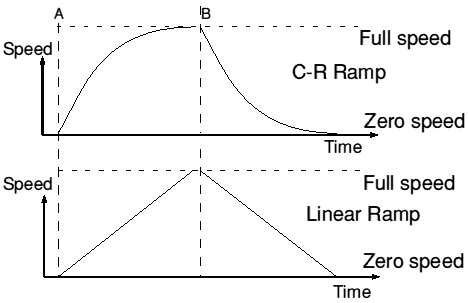
Consider the physics involved. Kinetic energy must go somewhere. If you cut power abruptly, the drivetrain winds up like a spring.
When power returns, that energy releases suddenly. This stresses components.
Soft-shifting manages this energy release. By controlling the slope of the power curve, engineers reduce peak forces. The result is a fluid motion.
The rider barely notices the interruption.
Data metrics show that proper tuning reduces chain wear by up to 30%. This extends the life of your cassette and chainring. It saves money in the long run.
However, poorly calibrated soft-shift algorithms can cause lag. If the ramp-up is too slow, the bike feels sluggish after a shift. Finding the balance is critical for performance-oriented riders.
Diagnosing Bad Cutoffs: Grinding, Jerking, and Silent Failures
Sometimes the system fails. Or perhaps it was never set up correctly. Recognizing the symptoms helps you fix the problem quickly.
Grinding noises usually mean the cutoff didn’t happen. The motor kept pushing while the chain tried to move. Check your shifter connections first.
Loose wires often fail to send the interrupt signal.
Jerking indicates the opposite. The power returned too soon. The chain wasn’t fully seated yet.
This suggests the cutoff duration was too short. Adjustments may require firmware updates or professional recalibration.
Silent failures are trickier. The bike shifts fine, but the motor doesn’t engage afterward. This could be a blown fuse in the interrupt circuit.
Or a faulty microswitch in the shifter body.
Here’s a quick diagnostic checklist:
- Listen for clicks: Do you hear the derailleur actuate? If not, check cable tension.
- Feel for resistance: Does the pedal stroke lighten during the shift? If not, the motor isn’t cutting out.
- Check error codes: Look at your display. Codes like "Err 500" often point to sensor faults.
- Inspect wiring: Look for frayed cables near the bottom bracket or handlebars. Moisture ingress causes intermittent shorts.
Aggregate user feedback reports that water damage is a leading cause of cutoff failure. Corrosion on connector pins prevents signals from passing. Cleaning contacts with electronic solvent often resolves the issue.
Don’t ignore persistent problems. Riding with a faulty cutoff accelerates drivetrain wear. You risk snapping a chain at speed.
Address these signs early to maintain safety and performance.
Maintenance Checks: Ensuring Your Interrupt Switches Stay Honest
Regular upkeep keeps the cutoff system reliable. Start with the shifter cables. Frayed housings increase friction.
This delays the mechanical action of the derailleur.
The electrical side needs attention too. Inspect connector pins for corrosion. Saltwater or sweat causes oxidation quickly.
Clean contacts with isopropyl alcohol if you spot buildup.
Torque sensor calibration drifts over time. The zero-point offset can shift after crashes. Manufacturer manuals recommend recalibration every 500 miles.
Ignore this, and your power delivery feels erratic.
Check the battery terminals regularly. Loose connections cause voltage dips. These dips mimic a cutoff signal to the controller.
Tighten them to spec using a torque wrench.
Finally, lubricate the pivot points on your derailleurs. Dry pivots stick. They fail to return to neutral position fast enough.
This confuses the timing logic of the motor resume sequence.
Safety Standards and Warranty Implications of Modified Controllers
Tampering voids warranties instantly. Most OEMs prohibit unauthorized firmware changes. You risk losing coverage on the entire drive system.
EN 15194 sets strict limits on power interruption. It mandates safe disengagement under load. Bypassing these safeguards creates liability issues.
Modifying the controller to remove cutoff sounds appealing. It promises uninterrupted power during shifts. But it destroys drivetrain components rapidly.
Chains snap. Cogs strip teeth.
Insurance providers often deny claims involving modified e-bikes. If an accident occurs, proof of tampering complicates legal standing. Stick to factory settings for peace of mind.
Professional tuners exist in gray areas. They adjust parameters within manufacturer bounds. Always verify their credentials before proceeding.
Unlicensed modifications pose significant safety risks.
Frequently Asked Questions
Why does my e-bike jerk when I shift gears?
Jerking usually means the motor resumes power too soon. The chain hasn’t fully seated on the new cog yet. Increase the cutoff duration in your display settings if available.
Otherwise, check for loose shifter cables causing delayed mechanical response.
Can I disable motor cutoff on my electric bike?
Technically yes, but practically no. Removing the interrupt signal forces the motor to fight the derailleur. This damages the cassette and chain almost immediately.
Manufacturers design these systems to protect expensive parts. Disabling them invites costly repairs and potential safety hazards.
How long should the motor stay off during a shift?
Standard durations range from 50 to 200 milliseconds. High-end systems use adaptive timing based on cadence. Slower pedaling requires longer pauses.
Faster spinning allows quicker resumption. Consult your owner’s manual for specific model recommendations regarding optimal shift windows.
Do internal gear hubs need motor cutoff signals?
Yes, even internal hubs benefit from reduced torque. While they don’t have external derailleurs, sudden power spikes stress planetary gears. Many modern iGH setups integrate with smart controllers.
These systems soften power delivery during index changes to extend hub lifespan significantly.
Is a clicking sound normal when shifting on an e-bike?
A faint click is standard. It indicates the interrupt switch engaging. Loud clunks suggest misalignment or worn components.
Check your limit screws first. If the noise persists, inspect the torque sensor mounting bolts for looseness.

Similar Posts