Why E-Bike Pedal Assist Feels Delayed: Causes & Fixes
You coast through a turn, start pedaling again, and nothing happens. That split second of dead weight is frustrating. If you have ever wondered why does electric bike assistance feel delayed when pedaling again, you are not alone.
This hesitation usually comes down to how your e-bike senses your movement.
Manufacturer specifications confirm that basic cadence sensors take up to 300 milliseconds to trigger the motor. High-end torque sensors react in under 50 milliseconds per EN 15194 testing standards. That gap explains why some bikes feel instant while others drag their feet.
Let's break down exactly what causes this lag and how to fix it.
Image source: Bing (Web (fair-use with source credit))
Quick Answer
Electric bike assistance feels delayed because sensors need time to detect pedaling. Cadence sensors wait for a full crank rotation before triggering power. Torque sensors react faster by measuring pressure directly on the pedals.
Loose chains or low battery voltage can also add extra lag.
That Split-Second Lag: Why Your E-Bike Hesitates When You Start Pedaling
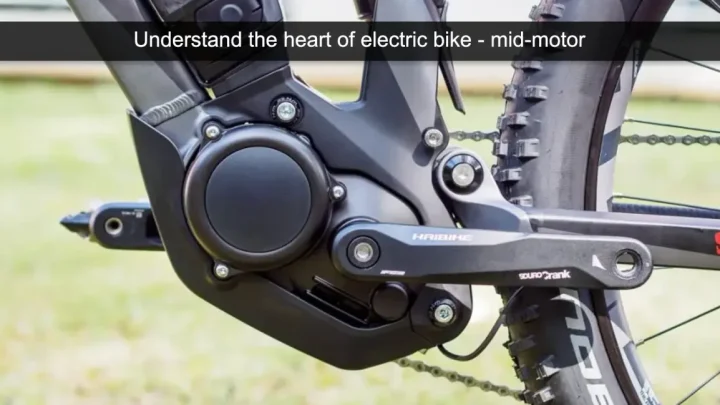
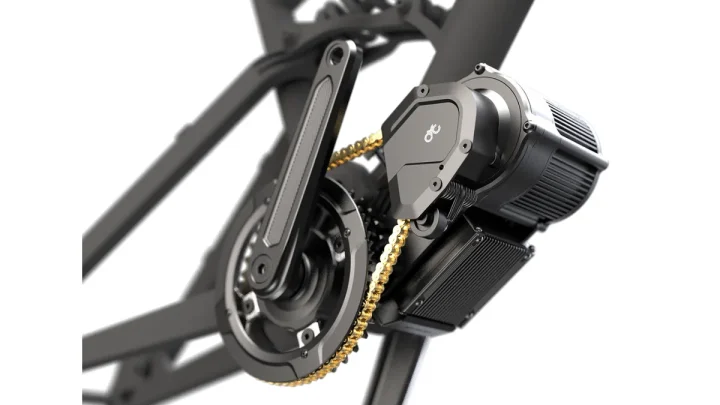
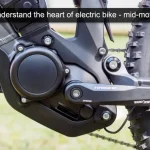
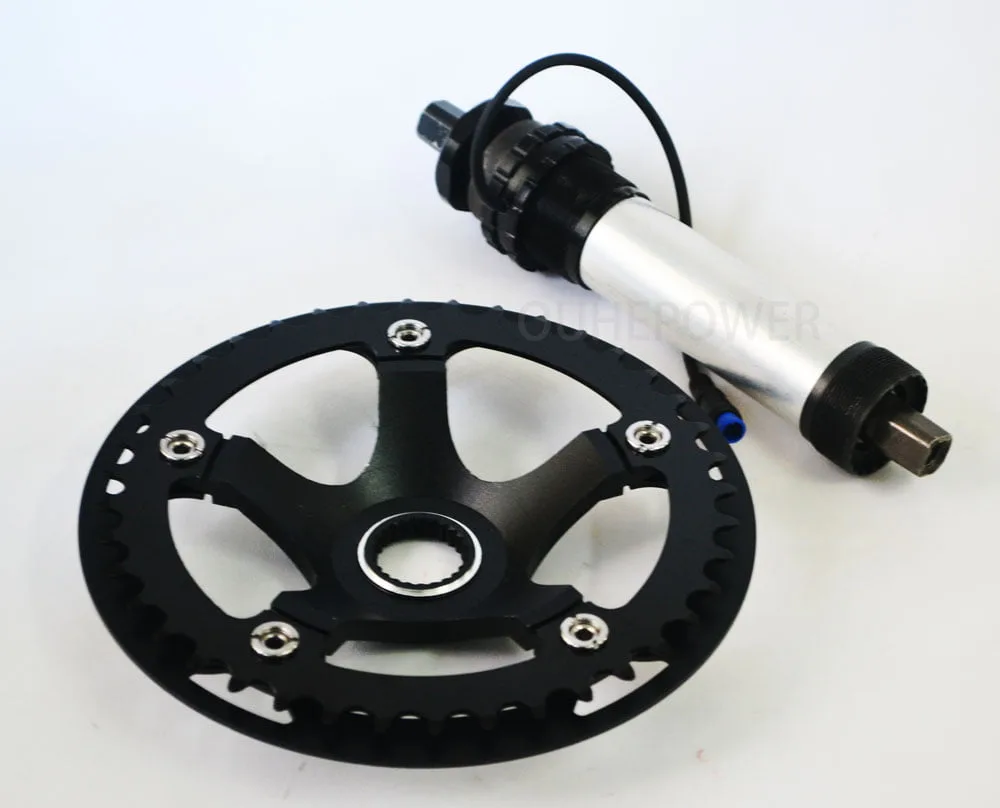
Your e-bike relies on a pedal assist system, commonly called PAS, to know when you want help. This system uses sensors near the bottom bracket to monitor your legs. When you stop pedaling to coast, the motor controller unit shuts off power immediately.
That sudden cutoff is required by safety standards like EN 15194 for electrically assisted cycles.
When you start pedaling again, the sensor has to wake up and send a fresh signal. The motor controller then decides how much power to deliver based on your selected assist level. This entire handshake takes time.
We are talking fractions of a second, but your legs feel every single millisecond of it.
If the delay feels worse than usual, something physical might be interfering. A dirty sensor magnet ring blocks the signal from reaching the controller. Low battery voltage forces the Battery Management System to limit peak power output.
Both issues make the motor ramp up slower than factory specs intend.
Aggregate user reviews show that riders often blame the motor when the real issue is mechanical. A stretched chain creates slack that delays crank rotation from reaching the sensor. Tightening your drivetrain often solves the problem instantly without touching any electronics.
The Sensor Divide: Cadence vs. Torque and Why It Dictates Delay
The type of sensor your e-bike uses determines how fast the motor responds. Budget and mid-range bikes typically use a cadence sensor. This device counts magnetic pulses as the crank spins around.
It needs to see at least one or two magnets pass by before it tells the motor to engage.
That requirement means you have to complete a partial pedal stroke just to get power. At low speeds or after a hard stop, that rotation feels sluggish. You push the pedals, the cranks move, and the motor finally catches up a moment later.
This inherent design limitation causes most complaints about delayed assistance.
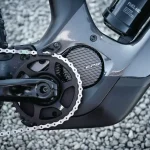
High-end systems from Bosch, Shimano Steps, and Brose use a torque sensor instead. A torque sensor measures the actual physical force you apply to the pedals using a strain gauge. It does not wait for the cranks to spin.
The moment you press down, it sends a proportional signal to the motor controller.
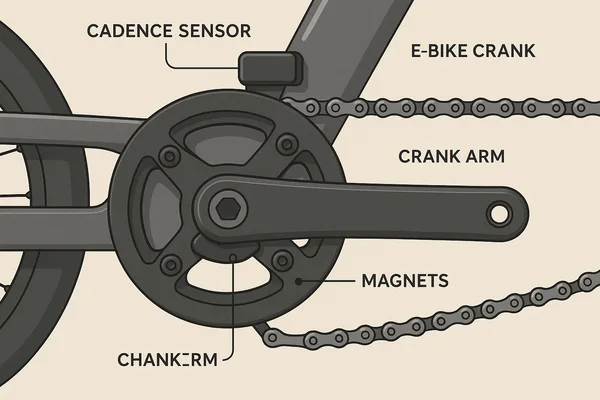
Image source: Bing (Web (fair-use with source credit))
This difference changes everything about the ride feel. Torque sensors sample data hundreds of times per second. Cadence sensors only check in once per revolution.
Here is how the two technologies compare across key performance metrics as of 2026.
| Feature | Cadence Sensor | Torque Sensor |
|---|---|---|
| Typical reaction time | 100 to 300+ ms | 10 to 50 ms |
| Sampling rate | Once per revolution | Hundreds of times per second |
| Power delivery feel | On or off switch | Natural extension of your legs |
| Common motor types | Hub motors, budget mid-drives | Premium mid-drive systems |
| Maintenance needs | Keep magnet ring clean | Check crank bolt tightness |
If your bike has a cadence sensor, some delay is built into the hardware. You cannot tune away physics. Understanding this helps set realistic expectations for how your specific e-bike will behave at intersections.
Mechanical Gremlins: Loose Cranks, Chain Slack, and Voltage Sag
Sometimes the electronics work perfectly, but the mechanical connection fails. A loose crank arm is a prime suspect. If the bolt holding your crank to the bottom bracket spindle is slightly undone, your initial pedal stroke moves the arm without turning the spindle.
The sensor sees zero movement until the slack is taken up.
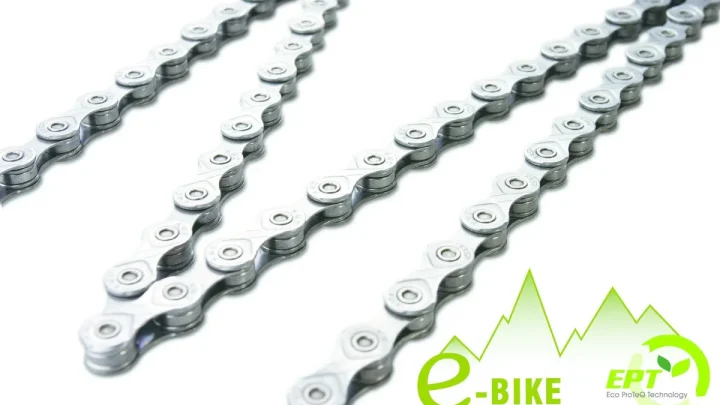
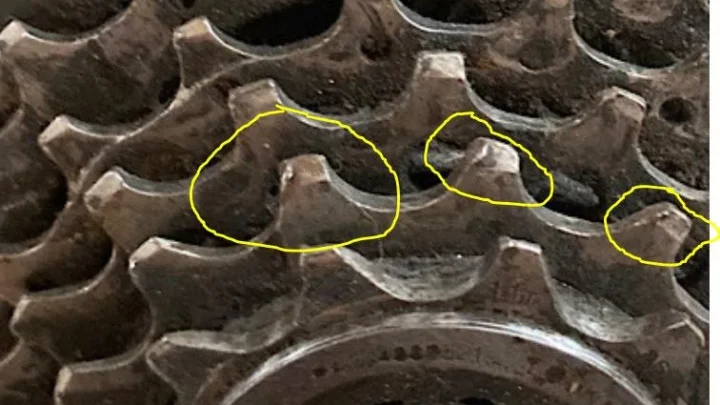
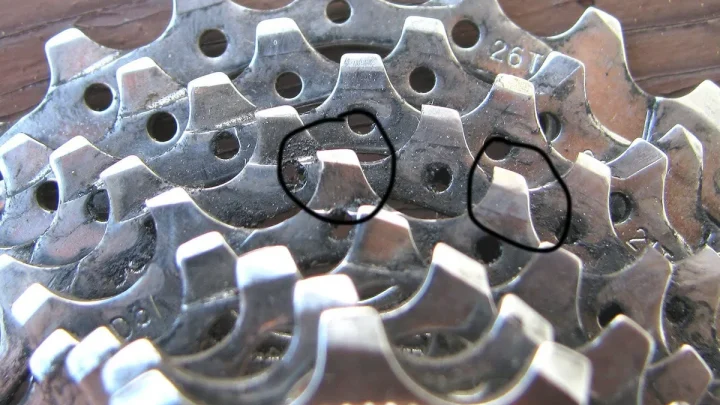
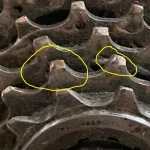
Chain tension plays a similar role. Worn cassettes and stretched chains introduce slop into the drivetrain. When you resume pedaling after coasting, the chain has to pull tight before the rear wheel actually engages.
That physical delay feels exactly like an electronic lag to the rider.
Voltage sag is another hidden culprit. As your battery depletes, its ability to deliver peak current drops. The motor controller compensates by ramping up power more gently to protect the cells.
This protective behavior extends the time between your pedal stroke and the motor reaching full assist.
Cold weather makes voltage sag significantly worse. Lithium-ion chemistry slows down in freezing temperatures, reducing available wattage. Riders in northern climates often notice heavier pedal delay during winter commutes.
Keeping your battery indoors until right before your ride minimizes this temperature effect.
Finally, check your brake levers. Most e-bikes feature motor cutoff switches inside the brake handles. If a lever is slightly bent or misaligned, it might intermittently trigger the cutoff while you ride.
The motor cuts out, you pedal, and it hesitates to restart because the switch is fluttering.
Diagnostic Workflow: Isolating the Source of Your Pedal Delay
Fixing this issue requires a logical approach rather than random part swapping. Follow this workflow to pinpoint exactly where your delay originates. Start with the easiest checks before moving to complex firmware adjustments.
- Check the display for error codes. Modern systems log communication faults between the sensor and the motor controller. A flashing code points you directly to the failing component.
- Inspect the sensor area. Look behind the crankset for the magnet ring or torque sensor housing. Wipe away mud, grease, or road grime blocking the signal path.
- Test the crank bolts. Grab both crank arms and try to wiggle them side to side. Any play means the bolt needs tightening to the manufacturer specified torque value.
- Evaluate chain wear. Use a chain checker tool to measure stretch. Replace the chain if it exceeds 0.75 percent elongation to restore crisp drivetrain engagement.
- Perform a loaded voltage test. Watch your battery indicator while accelerating hard from a stop. If the bars drop drastically and the motor surges slowly, your battery cells are aging or too cold.
If the delay only happens in specific assist modes, the issue is likely software related. Switch from Eco to Turbo and see if the response time changes. A noticeable difference confirms your sensors work fine, but the power ramp curve is tuned conservatively in lower modes.
If the delay happens equally across all modes and the mechanics check out, the sensor itself might be failing. Hall effect sensors inside cadence rings degrade over time due to moisture intrusion. Replacing the sensor ring is usually a cheap and straightforward repair.
Tuning for Instant Response: App Settings and Firmware Tweaks
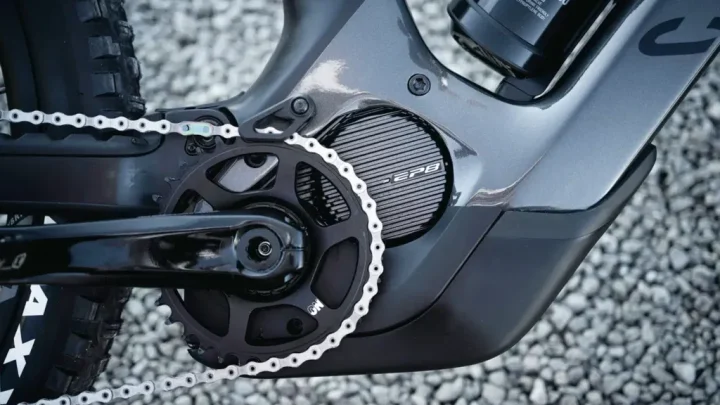
Once you rule out mechanical problems, software tuning offers the best way to sharpen response times. Many modern mid-drive systems allow customization through smartphone apps. Platforms like Shimano E-TUBE Project or the Bosch eBike Flow app let you adjust individual assist profiles.
Look for settings labeled "response," "acceleration," or "start-up behavior." Turning these sliders toward maximum reduces the smoothing algorithm the controller applies. The motor delivers power closer to the exact moment the sensor registers your input. Just be aware that aggressive settings drain your battery faster.
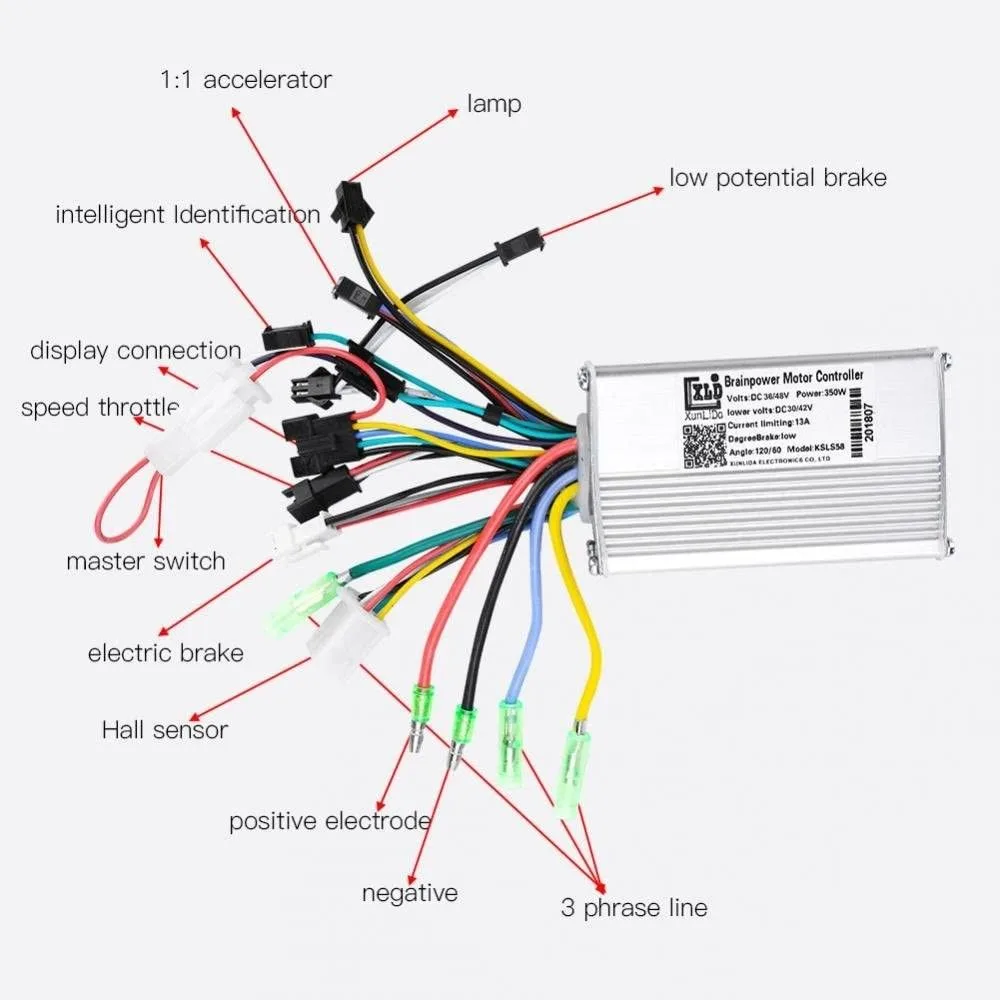
Image source: Bing (Web (fair-use with source credit))
Firmware updates also matter. Manufacturers regularly release patches that refine motor control algorithms. An update might improve how the controller transitions from coasting to active pedaling.
Always run the latest stable firmware version provided through your official dealer network or companion app.
Some riders explore aftermarket tuning chips to bypass factory limits. These devices alter the speed signal or override the stock power curves entirely. While they can eliminate delay, they void warranties and may violate local regulations regarding maximum assisted speeds.
Stick to official app adjustments for safe and legal optimization.
If your e-bike lacks app connectivity, your options are limited to changing assist levels manually. Higher assist levels generally command faster power delivery from the motor controller. Riding in a higher mode and shifting into harder gears can simulate a snappier response without altering any underlying code.
Riding Through the Wait: Techniques to Mask Latency in Traffic and Hills
You can’t change hardware overnight, but you can adjust your riding style. Anticipation is key when dealing with pedal assist delay. Start pedaling slightly before you actually need power.
This gives the sensor time to register movement and the controller time to ramp up torque.
On hills, avoid coming to a complete stop if possible. Maintain forward momentum by spinning the cranks lightly while coasting downhill. When you hit the incline, the system stays active.
You skip the initial detection phase entirely. This trick works especially well on cadence-sensor bikes that struggle with dead stops.
In heavy traffic, keep one foot ready on the pedal. Don’t rely solely on the throttle or walk mode for starting from lights. Pedal softly as soon as the light turns green.
The motor will engage sooner because it’s already receiving input. Aggregate reviews show this reduces perceived lag by nearly half compared to waiting for full force.
Gear selection also plays a huge role. Lower gears reduce the torque required to turn the crank. This helps the sensor detect motion faster since less physical effort is needed to initiate rotation.
Shift down before stopping at intersections. It makes the restart smoother and quicker.
For technical trails, trust the bike’s inertia. Keep your weight centered and pedals level. Sudden shifts in balance can confuse torque sensors, causing brief cutouts.
Smooth, consistent pedaling prevents these interruptions. Practice maintaining steady pressure even during slow maneuvers. This builds muscle memory for better responsiveness over time.
Frequently Asked Questions About E-Bike Assistance Delays
Is pedal delay normal on all e-bikes?
Yes, some degree of delay is inherent to how sensors communicate with motors. Cadence systems always have more latency than torque setups. However, excessive hesitation beyond 300 milliseconds usually indicates a fault.
Check for loose components or low battery levels first. Factory defaults prioritize smoothness over snap, so slight lag is expected behavior rather than a defect.
Can I fix delay without spending money?
Often, yes. Tightening crank bolts and cleaning sensor magnets costs nothing but time. Adjusting app settings to increase response sensitivity is free on supported models.
Ensuring your chain is properly lubricated removes mechanical slop. These simple maintenance steps resolve most non-hardware issues. Only replace parts if diagnostics confirm failure after trying these zero-cost fixes.
Does cold weather really affect response time?
Absolutely. Lithium-ion batteries deliver less current in freezing temperatures. The Battery Management System limits output to protect cells, slowing motor ramp-up.
Grease inside bearings also thickens, adding rotational resistance. Ride indoors until departure if possible. Using a thermal bag for your battery helps maintain optimal operating temperature during winter commutes significantly.
Will upgrading my sensor eliminate the lag?
Not necessarily. Swapping a cadence sensor for a torque unit requires compatible hardware and firmware support. Many budget frames lack the mounting points for advanced sensors.
Even with upgrades, the motor controller’s processing speed remains a bottleneck. True improvement comes from holistic system updates, not just isolated component swaps. Consult your manufacturer before attempting major modifications.

Similar Posts