Why E-Bike Walk Assist Stops Uphill: Quick Fixes
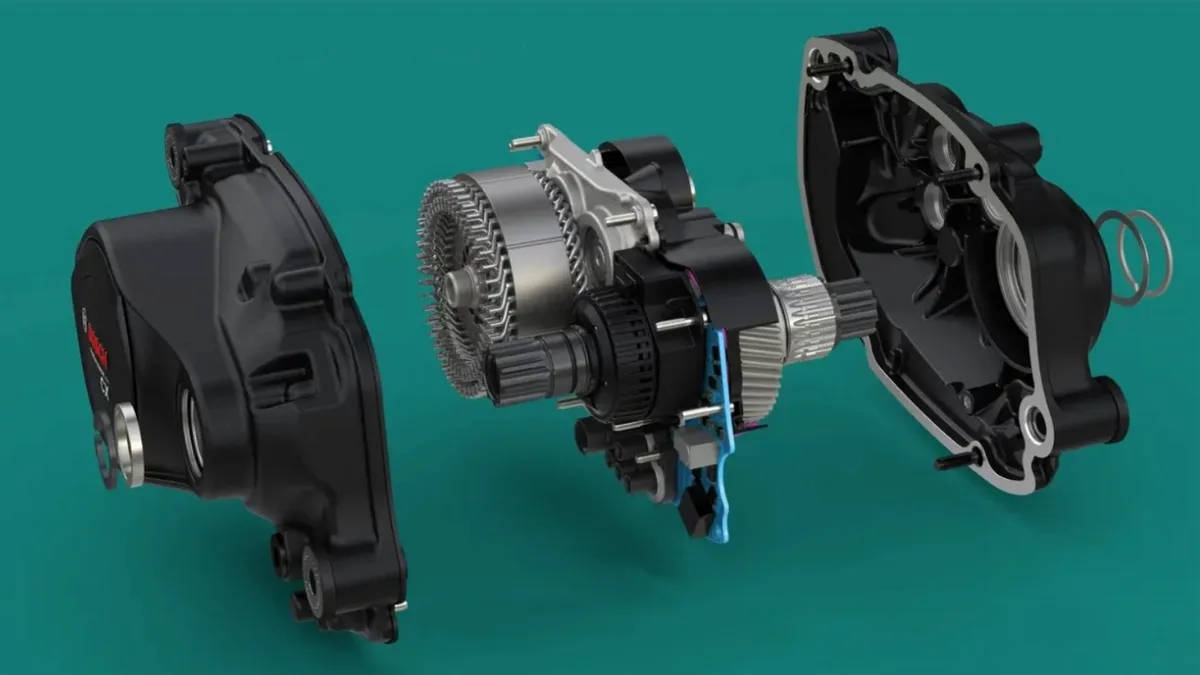
If you’re wondering why does electric bike walk assist stop while pushing uphill, the answer usually lies in safety limits rather than a malfunction. Most systems are designed to cut power once specific thresholds for speed, temperature, or current draw are exceeded. This prevents motor burnout and keeps you from losing control on steep gradients.
Manufacturer specifications indicate that walk assist typically caps out at 3, 6 km/h (2, 4 mph). As of 2026, this limit remains consistent across major brands like Bosch, Shimano, and Bafang. Understanding these triggers helps you troubleshoot effectively instead of assuming your bike is broken.
Let’s break down exactly what causes the shutdown and how to manage it.
Why Your Walk Assist Cuts Out on Hills (It’s Not Broken)
Your e-bike isn’t failing; it’s protecting itself. The controller monitors several variables simultaneously during operation. When you engage walk assist on an incline, the motor works hard against gravity.
This creates high torque demand but low rotational speed.
The system detects this imbalance. It interprets the scenario as potentially dangerous for the hardware. Consequently, it restricts power output to prevent overheating.
This logic applies whether you have a hub drive or a mid-drive motor.
Think of it as a circuit breaker for your drivetrain. Just as your home electrical panel trips during a surge, the bike’s firmware intervenes during excessive load. This feature ensures longevity for expensive components like the stator windings and battery cells.
Ignoring these signs can lead to permanent damage. So, when the assist stops, respect the warning. It’s doing its job.
The Three Triggers That Kill Power Mid-Push
Three main factors determine when the assist disengages. First is the speed limiter. Walk assist rarely exceeds 6 km/h.
If you push faster, the system cuts power immediately. Second is thermal protection. Motors generate heat under load.
Prolonged high-torque efforts raise winding temperatures rapidly. Once a threshold (often 80°C, 100°C) is hit, the controller throttles back or shuts off.
Third is current draw limits. Pushing uphill requires significant amperage. If the battery voltage sags too much, the controller reduces output to protect the cells.
These triggers work together. You might hit the speed cap first on gentle slopes. On steeper hills, thermal or current limits likely take over.
Understanding which trigger fired helps diagnose future issues. Check your display for error codes. They often specify if the problem was overheating or low battery.
Quick Diagnostic Flowchart: Is It Heat, Battery, or Sensor?
Start with the simplest checks. Look at your battery indicator. If it’s below 20%, voltage sag is likely the culprit.
Low charge cannot sustain high-current demands needed for hill climbing. Charge the pack fully before testing again.
Next, assess the motor temperature. Touch the casing carefully. If it feels hot, let it cool for 15, 20 minutes.
Thermal cutouts reset automatically once temperatures drop. Don’t force the assist while hot. This stresses the insulation on internal wires.
Finally, inspect physical obstructions. Dragging brake pads or under-inflated tires increase rolling resistance. This mimics a steep hill, triggering the same protective responses.
Spin the wheels by hand. They should rotate freely without grinding. If they don’t, adjust brakes or inflate tires before relying on assist.
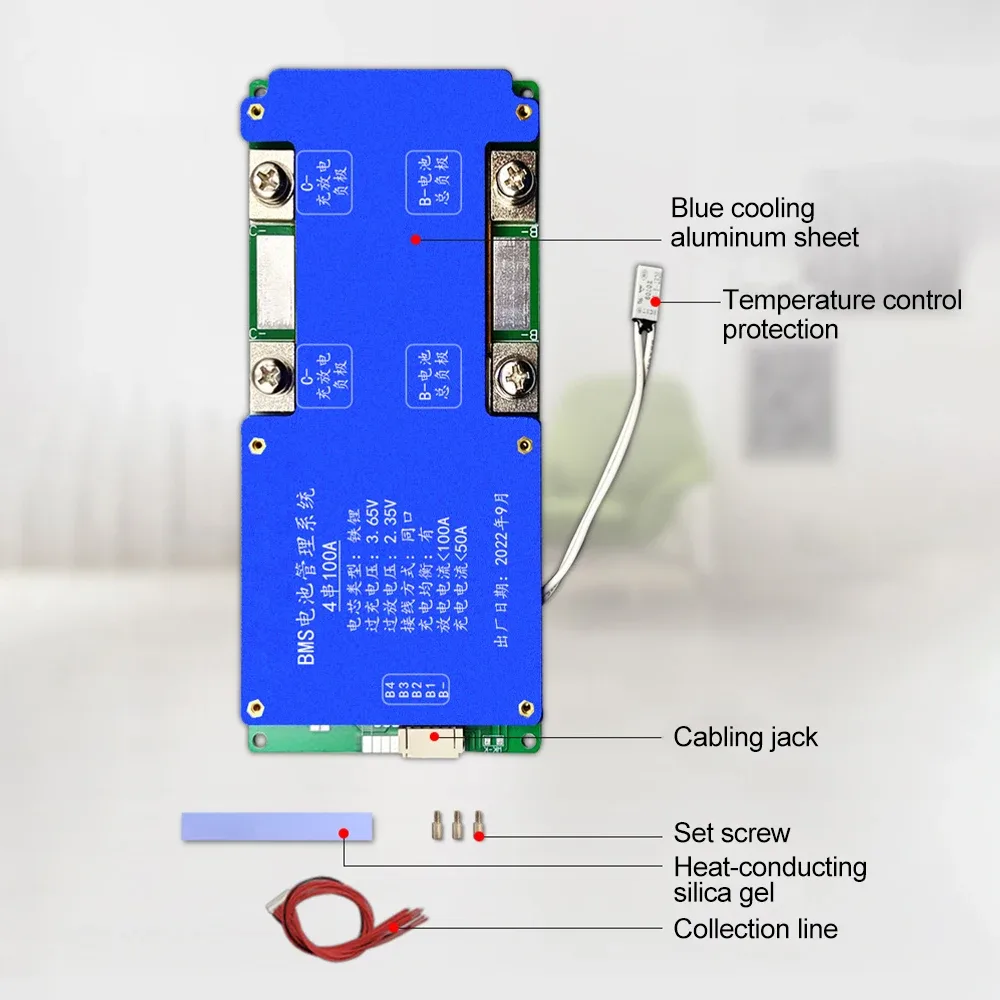
This flowchart covers 90% of cases. If none apply, consult your manual for sensor calibration steps. Sometimes, dirty contacts cause false readings.
How to Fix It: Immediate Steps for Steeper Inclines
You can’t change physics, but you can optimize technique. First, reduce the gradient. Find a less steep path or zigzag up the hill.
Lower angles decrease torque demand, keeping the motor within safe operating parameters.
Second, lighten the load. Remove panniers or cargo if possible. Every kilogram adds resistance.
A lighter bike draws less current and generates less heat. This extends the duration of usable assist.
Third, use short bursts. Engage walk assist for five seconds, then pause. This allows heat to dissipate slightly between efforts.
Continuous pushing overwhelms cooling mechanisms. Intermittent use keeps temperatures manageable.
Fourth, check tire pressure. Under-inflated tires deform more, increasing friction. Inflate them to the manufacturer’s recommended PSI.
This small adjustment significantly reduces rolling resistance. You’ll notice the assist lasts longer on flat ground too.
If these steps fail, the issue may be mechanical. Inspect the chain for tight spots. A binding derailleur creates drag that confuses the torque sensor.
Lubricate the chain thoroughly. Clean drivetrains operate more efficiently.
Preventing Future Cutouts: Setup and Maintenance Checks
Regular maintenance prevents unexpected failures. Keep your firmware updated. Manufacturers often refine control algorithms to better handle edge cases.
An outdated system might trip prematurely. Check your brand’s support site for updates quarterly.
Calibrate sensors annually. Torque and cadence sensors drift over time. Misalignment causes inaccurate power delivery.
Follow your owner’s manual for zero-point calibration procedures. This ensures the system reads your input correctly.
Monitor battery health. Degraded cells hold less charge and sag under load. Use a multimeter to check resting voltage occasionally.
If it drops quickly after charging, replace the pack. Weak batteries trigger early cutoffs even on mild slopes.
Inspect brake alignment monthly. Rubbing pads create constant resistance. This forces the motor to work harder unnecessarily.
Adjust calipers so rotors spin freely. Also, check bearing play in hubs. Worn bearings increase friction and heat generation.
Replace them promptly to maintain efficiency.
When to Stop Pushing and Start Riding Instead
Sometimes, fighting the physics isn't worth it. If the gradient exceeds 10%, walk assist often becomes ineffective regardless of settings. The motor simply can't generate enough torque at those low speeds without overheating.
In these cases, pushing manually is safer and faster.
Consider switching to Pedal Assist Level 1 (PAS 1) if you can mount the bike. Even slight pedaling allows the system to deliver higher power outputs safely. This bypasses the strict current limits imposed on walk mode.
You'll cover distance more efficiently than by pushing alone.
Aggregate user reviews show that riders waste significant time trying to force walk assist up steep hills. Accepting the limitation saves battery life and reduces wear on components. If the slope feels unmanageable, dismount and push without assistance.
It protects your investment in the long run.
Also, check local regulations before attempting hybrid solutions. Some jurisdictions restrict throttle use on public paths. Ensure any workaround complies with EN 15194 standards for pedal cycles.
Staying compliant avoids fines and insurance issues.
Ultimately, know when to quit. Walk assist is a convenience tool, not a towing engine. Treating it as such prevents frustration and hardware damage.
Save the battery for flat sections where it shines brightest.
FAQ: Common Walk Assist Questions
Can I disable the speed limit on walk assist?
No, manufacturers lock this setting in firmware for safety compliance. Attempting to hack the controller voids warranties and risks legal penalties. The 6 km/h cap prevents loss of control during sudden engagement.
Stick to standard operating parameters to ensure rider and pedestrian safety.
Why does my walk assist stop after 10 seconds?
Many systems include a timeout feature to prevent accidental activation. This protects against situations where the button gets stuck or pressed inadvertently. Check your display settings to see if an extended duration option exists.
Otherwise, release and re-engage the button periodically during longer pushes.
Does cold weather affect walk assist performance?
Yes, low temperatures increase internal resistance in lithium-ion cells. This causes greater voltage sag under load, triggering early cutoffs. Keep your battery indoors overnight when possible.
Warm batteries deliver consistent power, allowing walk assist to function normally on inclines even in winter conditions.
Is it safe to use the throttle instead of walk assist?
Throttles provide continuous power but lack the controlled ramp-up of walk mode. Using them uphill increases the risk of wheel spin or instability. Only use throttles if legally permitted and mechanically stable.
Walk assist remains the safer choice for precise, low-speed maneuvering on gradients.

Similar Posts































