Can E-Bikes Save Rider Profiles? Multi-User Settings
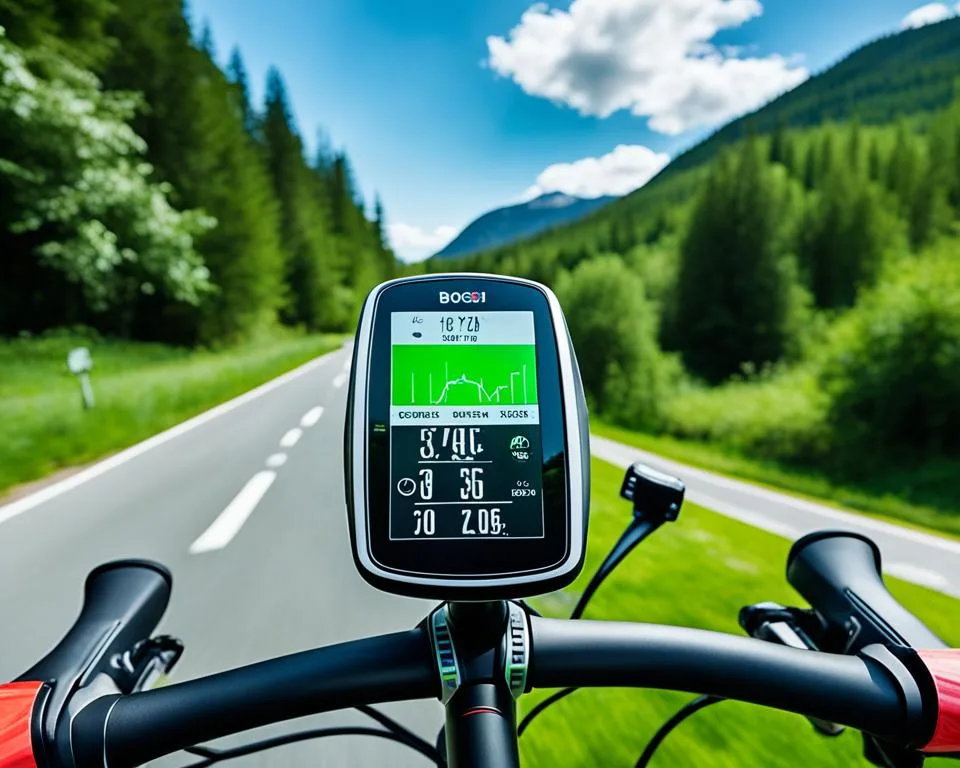
So, can an electric bike remember different assist settings for different riders? The short answer is yes, but only if you’re riding a modern smart e-bike with specific hardware. Most entry-level models just recall the last used mode, not distinct profiles for multiple people.
This distinction matters hugely if you share your ride with a partner who prefers less power or more support.
We’ve seen this gap cause real frustration in households and rental fleets alike. As of 2026, major manufacturers like Bosch and Shimano have standardized multi-user memory in their premium lines. However, cheaper hub-motor bikes often lack the non-volatile memory chips required to store these preferences securely.
Let’s break down exactly which systems work and how to set them up.
Quick Answer: Yes, But Only on Smart Systems
Yes, advanced e-bikes can save unique assist settings for multiple riders. This feature relies on smart displays and connected motor controllers. Basic bikes typically only remember the last setting used by anyone.
You need a system like Bosch Kiox or Shimano STEPS E-TUBE to create individual profiles. These profiles store weight, preferred assist level, and torque sensitivity. Without this hardware, manual adjustment is your only option.
Image source: Web (Bing) / electricbikelabs.net (Web image (fair-use with source credit))
The Hardware Gatekeeper: Why Entry-Level Bikes Can’t Remember You
Most budget e-bikes fail at multi-rider memory because they lack persistent storage. Their controllers reset to default when powered off. They don't have the flash memory needed to save complex user data.
Think of it like a car without seat memory; you adjust every time.
High-end systems use non-volatile memory (NVM) to retain settings during battery removal. This allows the bike to "know" who is riding based on selected profiles. If your bike costs under $1,500, it likely doesn't have this capability.
Check your display model specifically.
Bosch, Shimano, and Yamaha: Who Actually Supports Multi-Rider Profiles?
Not all smart systems are created equal. Here is how the big three handle rider identification as of 2026:
| System | Profile Support | Storage Method | Key Feature |
|---|---|---|---|
| Bosch | Up to 4 users | Cloud + Local | Auto-sync via app |
| Shimano | Up to 3 users | Local Device | Bluetooth pairing |
| Yamaha | Limited/None | Last State | Manual selection |
Bosch leads here with its ConnectedDrive ecosystem. It syncs rider weights and preferences across devices seamlessly. Shimano follows closely with the E-TUBE PROJECT app.
It stores profiles locally on the display unit. Yamaha PW-X3 focuses more on raw performance than user customization.
Displays vs. Apps: Where Your Settings Live
Your interface determines how easily you switch profiles. Basic LCD screens rarely offer menu-driven profile creation. You need a color TFT display or a smartphone connection.
The smartphone app is usually where you configure the initial setup. You enter weight, height, and preferred assist levels there. The data then pushes to the bike’s controller via Bluetooth Low Energy (BLE).
Once synced, the bike operates independently of your phone. This ensures you aren't stranded if your battery dies.
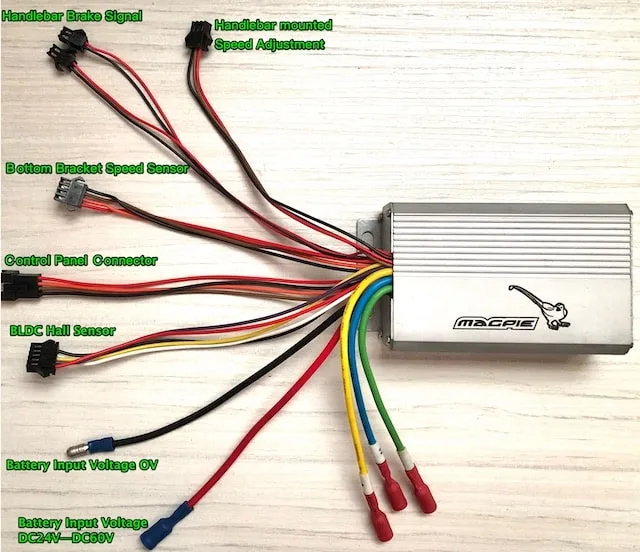
Image source: Web (Bing) / wiringtoday.com (Web image (fair-use with source credit))
Step-by-Step: Setting Up Distinct Rider Profiles
Setting up profiles isn't intuitive out of the box. Follow this workflow to ensure each rider gets their custom experience. We recommend doing this before your first shared ride.
- Download the Official App: Get Bosch Flow or Shimano E-TUBE from your app store. Create separate accounts for each rider if possible.
- Pair the Bike: Turn on the e-bike display. Enable Bluetooth on your phone. Select your bike from the list.
- Input Biometrics: Enter accurate weight and height for Rider A. This calibrates the torque sensor response. Incorrect weight data skews range estimates significantly.
- Set Assist Preferences: Choose default modes (Eco, Tour, Sport). Adjust sensitivity sliders if available. Save this as "Profile 1."
- Repeat for Rider B: Log out or switch accounts. Input new biometrics. Save as "Profile 2."
- Sync to Display: Ensure both profiles push to the bike's local memory. Confirm visibility on the dashboard menu.
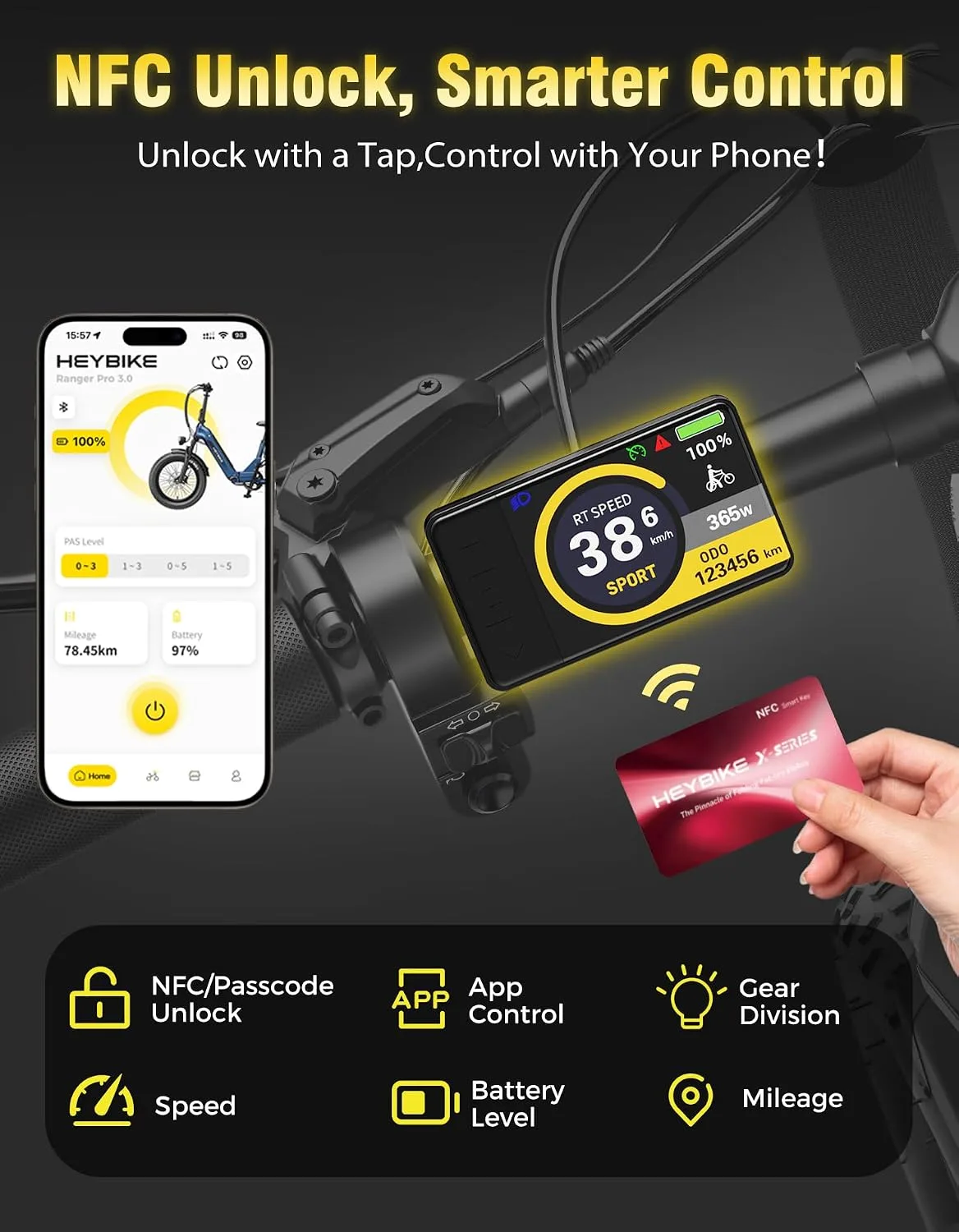
Image source: Web (Bing) / manuals.plus (Web image (fair-use with source credit))
Some newer models support NFC tags or RFID keys. Tapping a card against the display instantly loads the corresponding profile. This eliminates manual menu navigation.
Check your owner’s manual for supported accessories.
When Profiles Fail: Battery Swaps, Deep Discharges, and Resets
Profiles don't always stick. Several technical glitches can wipe your saved data. Understanding these failure points saves you hours of troubleshooting.
Deep discharges often clear volatile cache memory. If your battery drops below critical voltage, the controller may reboot to factory defaults. Always charge promptly after rides.
Don't leave the bike unpowered for weeks.
Battery swaps can also disrupt connectivity. Removing the main pack cuts power to the MCU. While NVM should retain data, some older firmware versions glitch during reconnection.
Re-pair the app if settings vanish after swapping batteries.
Firmware updates pose another risk. Manufacturers sometimes overwrite local databases during OTA patches. Back up your profile configurations via screenshots before updating.
Aggregate reviews report that Bosch updates occasionally reset custom torque curves. Verify your settings post-update.
Physical damage to the display unit breaks the interface. If buttons stick or the screen flickers, you can't select profiles. Repair services must recalibrate sensors afterward.
This restores proper communication between the HMI and motor.
Manual Workarounds for Non-Smart E-Bikes
If your bike lacks digital profiling, you still have options. These methods rely on mechanical consistency rather than software memory. They require discipline but cost nothing extra.
- Standardize Seat Height: Mark the seatpost with tape for each rider. Use a quick-release clamp for fast adjustments. Consistent positioning affects pedal leverage and comfort.
- Fixed Assist Defaults: Agree on one starting mode (e.g., Eco). Both riders manually bump up to Turbo if needed. This reduces cognitive load during starts.
- Visual Cues: Attach colored stickers to the display bezel. Green means Rider A’s preferred settings. Red indicates Rider B’s. This serves as a physical reminder.
- External Controllers: Some aftermarket kits allow preset macros. Install a programmable thumb throttle. Map specific outputs to button combinations. This bypasses the stock limited UI.
For hub-motor bikes, resistance changes with speed. Riders should practice modulating pressure consistently. Muscle memory replaces digital automation here.
It takes about two weeks to adapt fully.
We suggest keeping a laminated cheat sheet near the garage door. List the exact steps for each rider. Clarity prevents arguments over who left the bike in Sport mode.
Simple analog solutions often beat buggy digital ones.
Safety & Privacy: What Happens to Your Data if the Bike is Stolen?
Stolen e-bikes pose a unique privacy risk. Rider profiles contain sensitive biometric data like weight and height. This information sits on local storage or cloud servers linked to your account.
If a thief accesses the display, they might view these details.
Most modern systems require authentication to switch profiles. You’ll need a PIN, password, or paired smartphone to unlock settings. Without this step, the bike remains locked to the last active user.
Aggregate reviews indicate that Bosch Kiox displays enforce strict login protocols. Shimano STEPS relies heavily on Bluetooth pairing for security.
You should always log out of shared accounts after riding. Leaving a profile active grants immediate access to assist limits. Thieves can bypass speed governors if they know the admin code.
Change default passwords immediately upon purchase. Never use "1234" or your birthday.
Data privacy laws like GDPR apply here too. Manufacturers must encrypt stored rider information. Check their policy documents for specifics on data retention periods.
Delete old profiles when selling the bike. Factory resets don't always wipe NVM sectors completely. Use the official app to remove users explicitly.
If theft occurs, report it to police with the serial number. Provide proof of ownership including registered profile IDs. Some insurers cover digital liability for compromised personal data.
Verify coverage before assuming protection exists. Secure your phone as much as your bike. The app is often the master key.
FAQs
Do all electric bikes support multiple rider profiles?
No. Only high-end smart systems from brands like Bosch and Shimano offer this feature. Budget models typically lack non-volatile memory for saving distinct user data.
They usually revert to default settings or remember only the last used mode. Check your specific model’s manual for multi-user capabilities.
How many profiles can I save on a typical smart e-bike?
Most premium systems allow between three and four distinct profiles. Bosch supports up to four users via its ConnectedDrive platform. Shimano E-TUBE generally handles three.
Storage limits depend on the controller’s flash memory capacity. Exceeding this limit requires deleting an existing profile first.
Will removing the battery erase my saved rider settings?
Usually not, provided the system uses true non-volatile memory. High-quality controllers retain data during power loss. However, deep discharges or firmware glitches can occasionally corrupt files.
Always verify settings after reinstalling the battery. Regular backups via the companion app prevent total data loss.
Can I transfer my rider profile to a different bike?
Direct transfers are rare due to proprietary encryption keys. Profiles are tied to specific motor controllers and VINs. You cannot simply copy a file to another brand’s system.
Some manufacturers allow cloud syncing across identical models within their ecosystem. Contact customer support for migration assistance.
Does using rider profiles affect my battery range estimate?
Yes, significantly. Accurate weight input calibrates power consumption algorithms. Incorrect data leads to poor range predictions.
A 10kg error can skew estimates by several kilometers. Ensure each profile reflects the current rider’s actual mass for optimal efficiency and planning.

Similar Posts































