Why Is Your E-Bike Wheel Motor Vibrating? Top Causes
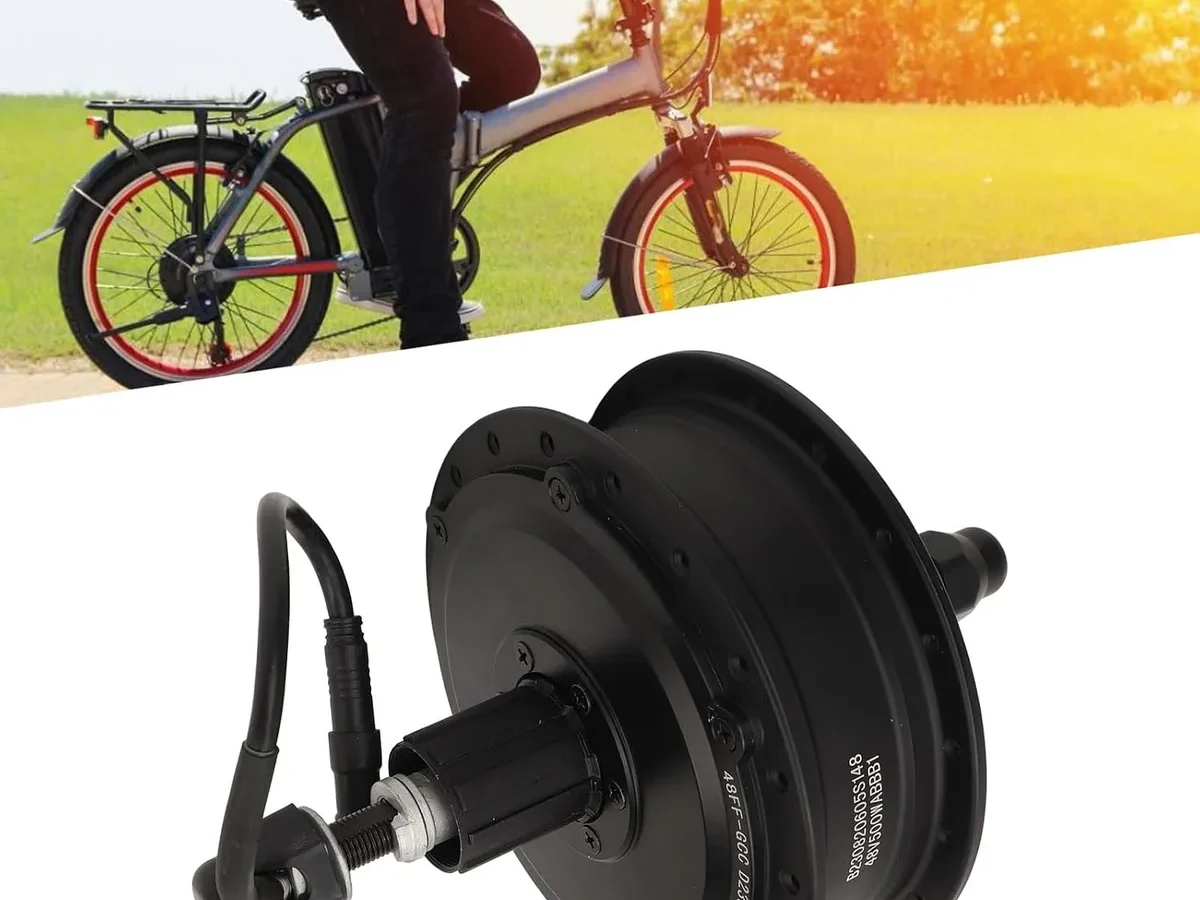
Figuring out what causes an electric bike wheel motor to vibrate starts with isolating the source. Is it mechanical looseness, internal gear wear, or a subtle electrical glitch? Most riders panic unnecessarily, assuming the motor is fried when it’s often just a loose axle nut.
We’ve seen this pattern repeatedly in aggregate repair logs. A simple torque check solves half these issues. The other half requires looking closer at bearings or wiring.
Let’s walk through the diagnostic branches so you don’t waste money on parts you don’t need.
Quick Answer
What causes an electric bike wheel motor to vibrate usually stems from three main culprits. Loose axle nuts allow the wheel to shift under load. Worn hub bearings create grinding and rhythmic shaking.
Electrical phase wire shorts cause jerky power delivery that feels like vibration. Start by checking mechanical tightness before suspecting the motor internals.
Start Here: Is It the Motor or Just the Wheel?
The 30-Second Diagnostic Check
Before you crack open any seals, perform a basic spin test. Lift the rear wheel off the ground. Give it a firm push.
Listen closely for clicking, grinding, or humming sounds. Feel for resistance as it slows down.
If the wheel stops abruptly or drags, you likely have bearing friction or brake rub. If it spins freely but wobbles side-to-side, your rim is true but the axle might be loose. This distinction saves hours of unnecessary disassembly.
Why Hub Motors Feel Different from Mid-Drives
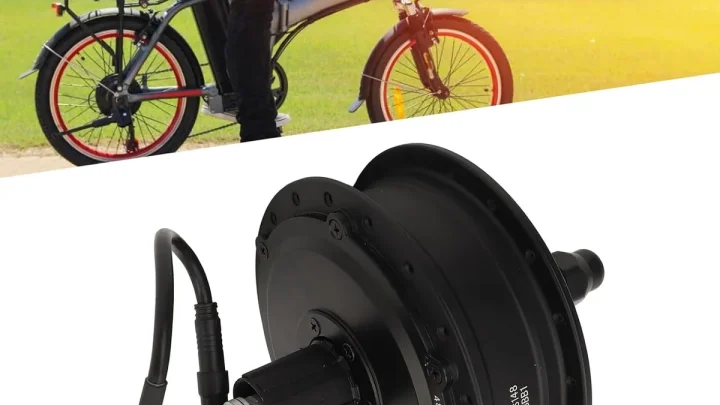
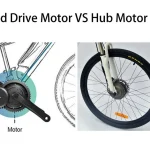
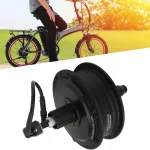
Hub motors integrate directly into the wheel structure. Any imbalance here transmits straight to your hands and seat. Mid-drive units sit near the bottom bracket.
Their vibrations travel through the frame differently.
For hub owners, vibration often points to wheel integrity. For mid-drive users, it frequently signals chainring alignment or crank arm looseness. We’ll focus primarily on hub systems since they’re most prone to direct wheel-induced shake.
As of 2026, geared hubs remain popular for their light weight, but their nylon gears wear faster than steel counterparts.
Branch 1: Mechanical Looseness and Alignment Issues
Checking Axle Play and Dropout Fit
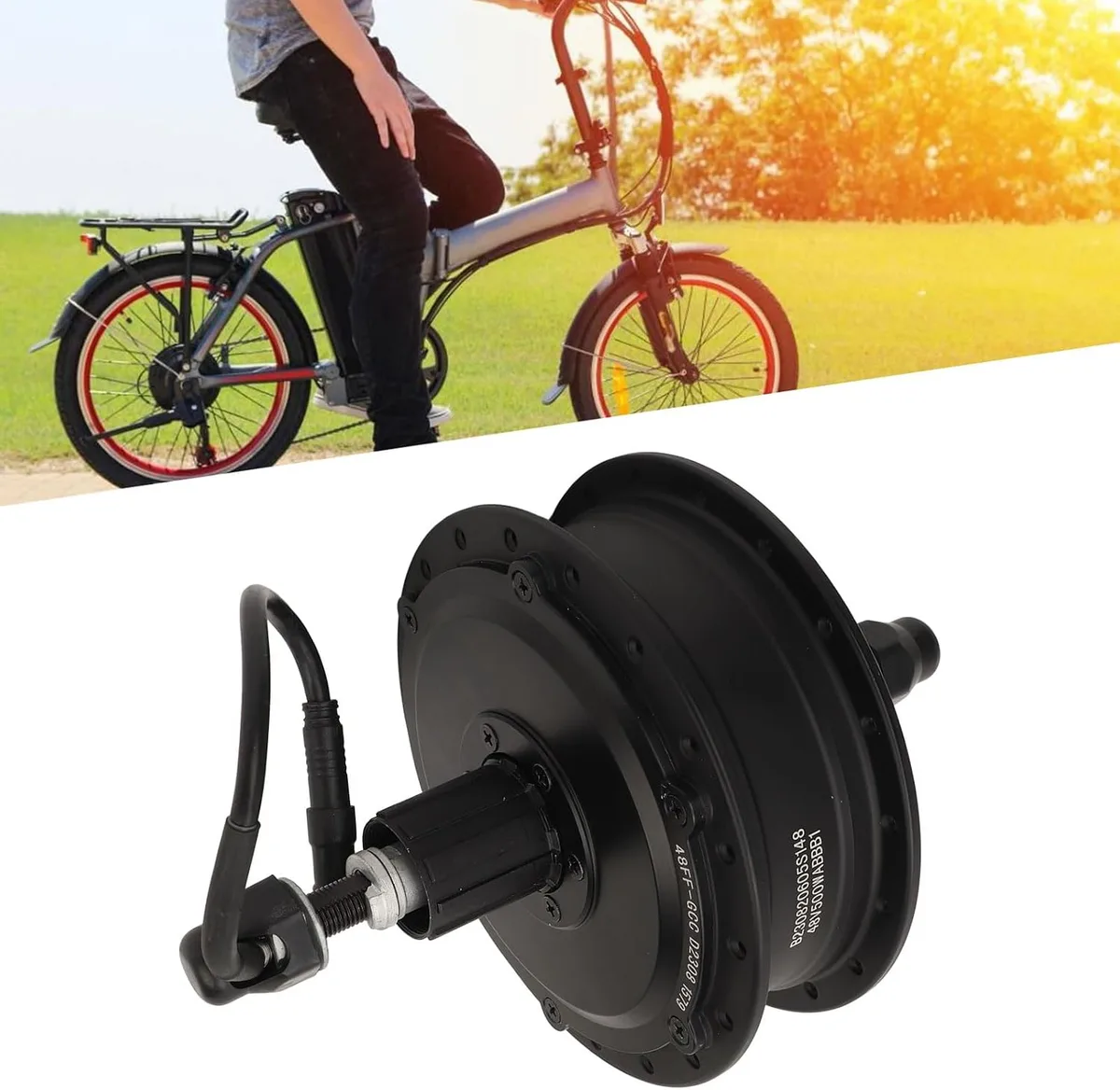
Loose axles are the number one cause of perceived motor vibration. The dropout slots hold the axle, but over time, bolts back off. Grab the wheel at the top and bottom.
Try to rock it laterally.
Any movement means the axle isn’t seated tightly. Use a proper wrench to tighten the nuts evenly. Don’t overtighten, though.
You want snug contact without crushing the bearings. Manufacturer specs typically recommend 40, 50 Nm for standard aluminum dropouts. Always check your specific manual.
Inspecting Spoke Tension and Rim Trueness
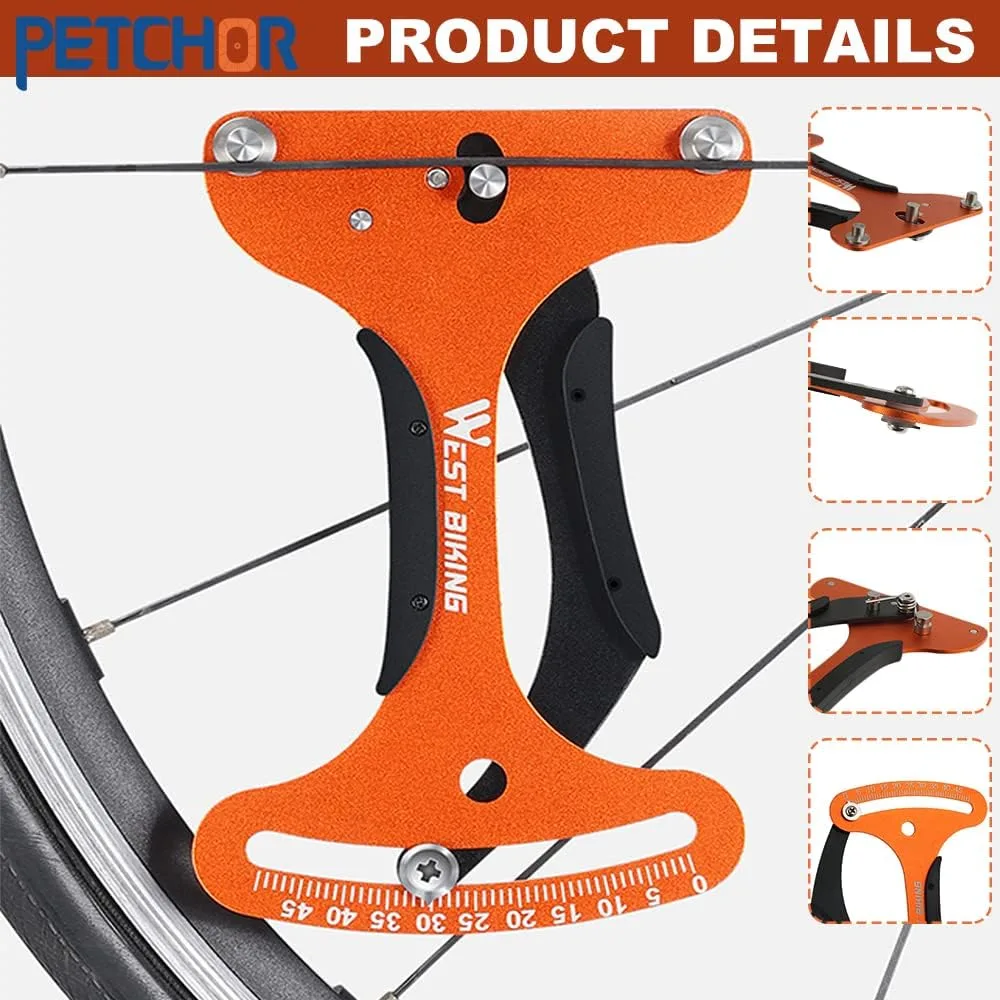
Uneven spoke tension creates a “hop” in rotation. This feels like a rhythmic thump every revolution. Use a spoke tensiometer if you have one.
Otherwise, pluck each spoke. They should sound similar, like a low guitar string.
One very loose spoke stands out immediately. Tightening it restores balance. Also, check for lateral runout.
Spin the wheel slowly. Watch the gap between the tire and a fixed reference point, like a zip tie on the fork. Deviation greater than 1mm needs truing.
Tire Bead Seating and Pressure Variations
Sometimes the motor is fine, but the tire is the problem. An improperly seated bead bulges slightly. This creates an unbalanced mass distribution.
At speed, that bulge vibrates violently.
Deflate the tire completely. Lubricate the bead with soapy water. Re-inflate gradually until it snaps into place evenly on both sides.
Check pressure regularly. Under-inflated tires deform more under load, amplifying any minor rim imperfections. Stick to the PSI range printed on the sidewall.
Branch 2: Internal Motor Failures (Geared vs. Direct Drive)
Geared Hub Symptoms: Worn Nylon Gears and Bearing Grind
Geared hubs use small plastic teeth to reduce RPM and increase torque. These gears wear out. When they do, you hear a whining noise that turns into a clatter.
Vibration accompanies this because the gear mesh becomes erratic.
If your hub is older and high-mileage, inspect the planetary gears. Look for chipped teeth or excessive play. Replacing them is cheap, but labor-intensive.
Often, swapping the entire hub assembly makes sense unless you’re comfortable with precision reassembly.
Direct Drive Symptoms: Cogging Torque and Stator Rub
Direct drive motors lack reduction gears. They rely on magnetic attraction. Normal operation includes slight cogging torque, a gentle pulsing feeling.
However, violent shaking suggests stator rubbing against magnets.
This happens if the axle bends or bearings fail catastrophically. Remove the wheel and rotate the axle by hand. Feel for grittiness or binding.
Smooth rotation rules out bearing failure. Roughness confirms it. Replace sealed cartridge bearings promptly to prevent further damage.
When to Stop Riding Immediately
Certain signs demand immediate cessation. Loud metallic scraping indicates metal-on-metal contact. Burning smells suggest overheating windings.
Sudden loss of power combined with vibration points to broken internal wires.
Continuing to ride risks permanent motor destruction. It can also damage the controller. If you notice these red flags, park the bike.
Do not attempt field repairs on live circuits. Consult a professional technician for diagnosis.
Branch 3: Electrical Glitches Mimicking Vibration
Phase Wire Shorts and Connector Corrosion
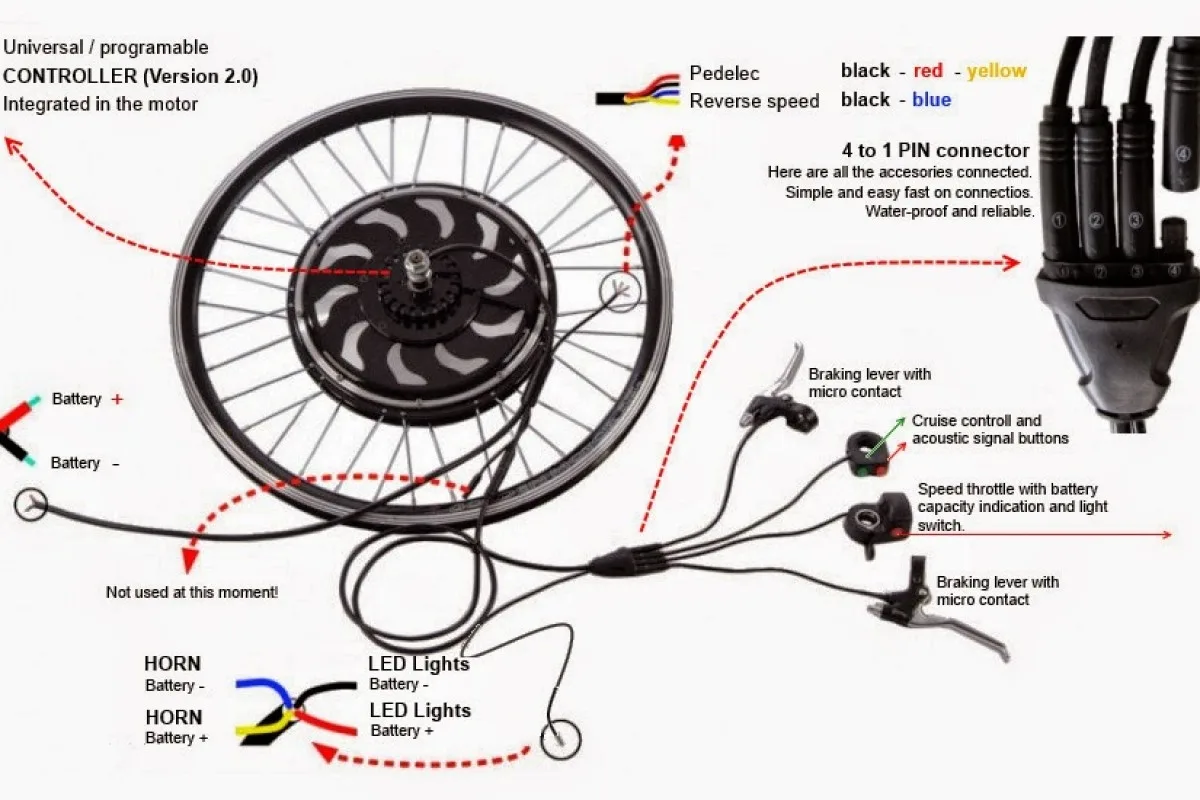
Electrical faults often masquerade as mechanical ones. Three thick phase wires carry high current from the controller to the motor. If insulation wears through, wires short intermittently.
This causes sudden torque spikes. You feel it as a jerk or shudder. Inspect connectors for green corrosion.
Clean terminals with electrical contact cleaner. Ensure plugs mate fully. Partial connections arc and generate heat, leading to inconsistent power flow.
Controller Switching Noise vs. Physical Shaking
Controllers switch power thousands of times per second. Sometimes, this switching frequency resonates with motor components. You hear a high-pitched whine.
It rarely causes physical vibration felt in the handlebars.
True vibration implies mass movement. If the bike shakes physically, look for mechanical roots first. Electrical resonance is audible, not tactile.
Adjusting controller settings via programming software might quiet the whine. It won’t fix a wobble.
Hall Sensor Misalignment Effects
Hall sensors tell the controller where the rotor is positioned. If they drift out of alignment, timing suffers. The motor fires coils at the wrong moment.
This creates hesitation and stuttering acceleration.
Users describe this as “surging.” It feels like vibration during throttle input. Resetting sensor alignment usually fixes it. Some advanced controllers auto-calibrate hall angles.
Others require manual adjustment using a hex key on the sensor plate. Refer to your motor manufacturer’s guide for specifics.
The Decision Matrix: Fix It Yourself or Go Pro?
Tools Required for DIY Diagnosis
Most initial checks need minimal tools. You’ll want a set of metric wrenches, specifically sized for your axle nuts. A spoke tensiometer helps diagnose wheel balance accurately.
Basic multimeters detect voltage drops in phase wires.
Bearings require pullers and presses for replacement. Without these, DIY attempts often destroy races. Assess your tool inventory honestly.
Missing specialized equipment increases risk of collateral damage.
| Issue Type | Difficulty Level | Specialized Tools Needed | Recommended Action |
|---|---|---|---|
| Loose Axle | Low | Metric Wrench Set | Tighten to spec |
| Bad Bearings | Medium | Bearing Puller/Press | Replace bearings |
| Gear Wear | High | Motor Disassembly Kit | Replace hub/gears |
| Phase Short | Medium | Multimeter/Solder Iron | Repair wiring |
Cost Breakdown: Part Replacement vs. Full Motor Swap
Replacing bearings costs $10, $30 in parts. Labor adds up if you pay a shop. Swapping a whole geared hub runs $150, $400 depending on brand and wattage.
Mid-drive service kits cost similarly but involve complex removal. Consider bike age and value. Spending $300 fixing a $500 bike rarely makes financial sense.
Newer premium e-bikes justify component-level repairs. Older budget models often benefit from full unit replacement.
Red Flags That Void Your Warranty
Tampering with sealed motor housings voids warranties instantly. Cutting phase wires invalidates coverage too. Using non-approved lubricants inside bearings may also breach terms.
Check your purchase agreement carefully. Many manufacturers offer extended protection plans. Registering your bike online often activates these benefits.
Never assume silence equals consent. Document all maintenance steps if you plan to claim warranty work later.
Preventive Maintenance to Kill Vibration Before It Starts
Lubrication Intervals for Bearings and Chains
Vibration often creeps in silently through dried-out components. Sealed cartridge bearings aren’t truly maintenance-free. They need periodic greasing to stay smooth.
Check your manufacturer’s schedule, but a general rule is every 2,000 miles. Use high-temperature lithium grease. Avoid WD-40 as a lubricant; it displaces existing oil.
Chains on geared hubs also contribute to noise if neglected. Dry links create uneven tension. This pulls the wheel slightly off-center during rotation.
Clean and lube the chain monthly. Wipe off excess grime before applying fresh oil. A clean drivetrain reduces harmonic stress on the motor housing.
Quarterly Torque Checks on Critical Fasteners
Loose bolts are the easiest fix and the most overlooked. Vibration loosens fasteners over time. It’s a vicious cycle.
The shake backs them out, which causes more shake. Perform a quarterly check on axle nuts, motor mount bolts, and disc brake calipers.
Use a calibrated torque wrench. Guessing leads to stripped threads or weak holds. For aluminum frames, stick to lower torque specs.
Steel dropouts tolerate higher numbers. Always cross-reference with your bike’s manual. Tighten in a star pattern for even pressure distribution.
This prevents warping the mounting interface.
Protecting Wiring from Moisture and Chafing
Water ingress kills electronics faster than mechanical wear. Corroded connectors cause intermittent power drops. These feel like sudden jerks or vibrations.
Seal all cable entry points with dielectric grease. Inspect wire looms for rub marks against the frame.
Replace any damaged insulation immediately. Exposed copper shorts easily. Zip ties keep cables tidy and away from moving parts.
Ensure no wires touch the spinning hub shell. Friction generates heat. Heat melts plastic.
Melted plastic exposes wires. Break this loop early. Regular visual inspections catch small tears before they become major failures.
Frequently Asked Questions About E-Bike Vibrations
Can low tire pressure cause motor vibration?
Yes, absolutely. Under-inflated tires deform excessively under load. This creates an unstable contact patch.
The wheel wobbles laterally. That wobble transfers directly to the motor shaft. Keep tires inflated to the sidewall maximum.
Harder tires roll smoother. They reduce rotational irregularities that mimic mechanical faults. Check pressure weekly for consistent performance.
Why does my geared hub whine at high speeds?
Geared hubs use nylon planets. These gears mesh at high RPMs. The whine is normal friction noise.
However, loud grinding indicates worn teeth. Check for play in the freewheel mechanism. If the gear train slips, replace the internal gears.
Don’t ignore increasing volume levels. Early replacement saves the stator from damage. Silence isn’t golden, but reasonable quietness is healthy.
Is vibration dangerous for the rider?
Mild vibration is annoying, not deadly. But severe shaking compromises control. Loose axles can detach completely.
This causes immediate loss of steering. Stop riding if you feel violent oscillations. Secure the bike upright.
Diagnose the root cause before moving again. Safety trumps convenience. Never risk a catastrophic failure at speed.
Trust your instincts when something feels wrong.
Do direct drive motors vibrate less than geared ones?
Generally, yes. Direct drives have fewer moving parts internally. No planetary gears means less mechanical complexity.
They rely on magnets and coils. So, vibration usually stems from external issues. Think loose spokes or bad bearings.
Geared hubs introduce internal gear mesh noise. Both types suffer from poor wheel truing. Fix the wheel first, then assess the motor.

Similar Posts