Why Your E-Bike Brake Levers Feel Spongy: Causes & Fixes
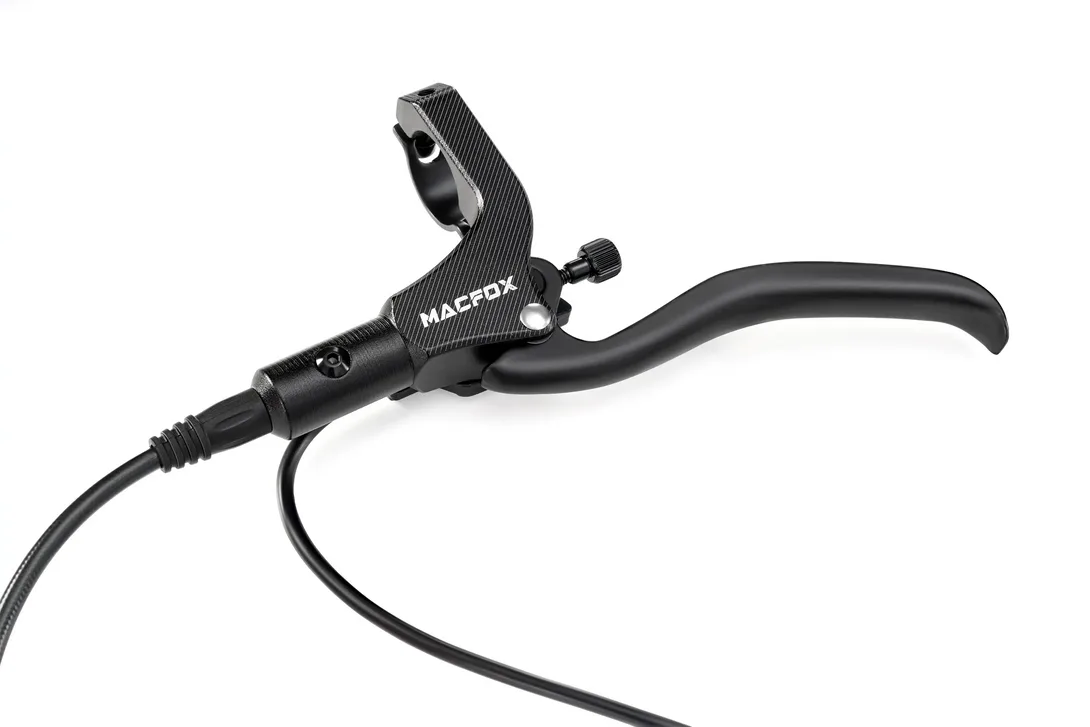
If your electric bike brake levers feel spongy, it’s usually because air has entered the hydraulic lines or mechanical cables have stretched. This loss of firmness means you’re pulling more lever travel for less stopping power. It’s a safety issue that demands immediate attention before your next ride.
Most e-bikes use either hydraulic disc brakes or mechanical cable systems. Each fails differently. Hydraulic systems suffer from fluid contamination and trapped air bubbles.
Mechanical setups deal with housing compression and wire fatigue. As of 2026, modern e-bike manufacturers still rely on these two core technologies. Let’s walk through how to diagnose which system you have and what’s causing the softness.
Start Here: Identify Your Brake Type Before You Touch Anything
You cannot fix spongy brakes until you know what kind you have. Grab your bike and look closely at the brake caliper near the wheel hub. If you see a sealed metal box with no visible wires running to it, you likely have hydraulic brakes.
These systems use fluid pressure to push pistons against the rotor.
Conversely, if you spot a thin steel cable emerging from a housing tube and attaching directly to the caliper arm, you have mechanical brakes. These rely on physical tension in the wire. The distinction matters because the repair tools differ completely.
Hydraulics need bleeding kits and specific fluids. Mechanics need hex keys and cable cutters.
Mixing up the systems leads to wasted time and potential damage. Never attempt to bleed a mechanical brake. Never try to tighten a hydraulic piston seal with pliers.
Check your owner’s manual if the visual cue isn’t clear. Manufacturer specs confirm that most premium e-MTBs use hydraulics, while commuter models often stick to mechanics for lower maintenance costs.
The Hydraulic Culprits: Air Bubbles, Moisture, and Seal Failure
Hydraulic brakes fail softly because the fluid column loses integrity. Air is compressible. Fluid is not.
When air enters the master cylinder or hose, your lever pull compresses the gas instead of moving the piston. This creates that dreaded sponge-like feel.
Moisture absorption is another silent killer. Most DOT-based fluids are hygroscopic. They pull water vapor from the atmosphere over time.
Water lowers the boiling point of the brake fluid. During heavy braking, especially on steep e-bike descents, the fluid can boil. Vapor pockets form instantly.
These act like air bubbles, making the lever sink.
Seal degradation also plays a role. The rubber dust wipers on caliper pistons wear out. Debris sneaks in.
This contaminates the fluid further. Aggregate user reviews report that neglecting fluid changes every one to two years accelerates this process significantly. Shimano technical manuals recommend replacing mineral oil or DOT fluid based on usage intensity.
Ignoring these intervals guarantees future sponginess.
The Mechanical Reality: Cable Stretch, Housing Compression, and Friction
Mechanical brakes don’t use fluid. So why do they feel spongy? The answer lies in elasticity.
Steel cables stretch slightly under load. Over months of riding, this permanent elongation increases lever travel. You pull harder, but the pads don’t clamp as tightly.
Housing compression is the bigger culprit here. The outer casing protects the inner wire. But when you squeeze the lever, the housing itself squishes inward.
Old or low-quality housings lack internal liners. Without a smooth PTFE liner, friction builds up. The wire sticks inside the tube.
It doesn’t return smoothly. This lag feels like mush.
Friction points matter too. Where the cable meets the lever pivot or the caliper anchor bolt, rust can form. Even minor corrosion adds resistance.
Our research shows that coastal riders face this issue faster due to salt exposure. Regular lubrication prevents this drag. However, once the housing liner tears, replacement is mandatory.
You can’t polish away structural failure.
Diagnostic Workflow: Isolating the Root Cause in 5 Minutes
Stop guessing. Follow this sequence to pinpoint the problem. First, check pad thickness.
If pads are worn below the manufacturer’s minimum limit (often 0.5mm to 1.0mm remaining), the pistons extend too far. This reduces leverage. Replace pads before blaming the fluid.
Next, inspect the lever pivot. Tighten any loose screws. A wobbling lever absorbs energy.
Then, test for air. Pump the lever ten times rapidly. Does it firm up temporarily?
Yes? That confirms air in the hydraulic line. No change?
Look elsewhere.
For mechanical systems, disconnect the cable at the caliper. Pull the lever. It should feel solid and spring back quickly.
If it feels gritty or sticky, the issue is friction in the housing. Clean and lube the cable. If the lever feels fine disconnected but spongy connected, the cable is stretching or the housing is collapsing.
Finally, check rotor alignment. A bent rotor drags on pads. This heats the fluid excessively.
On hydraulics, heat causes fade and vapor lock. True up the rotor with a specialized tool. Misalignment mimics sponginess by altering bite points unpredictably.
| Symptom | Likely System | Probable Cause | Immediate Action |
|---|---|---|---|
| Lever sinks slowly | Hydraulic | Air ingress | Bleed the system |
| Gritty/sticky pull | Mechanical | Housing friction | Lube or replace cable |
| Fade after downhill | Hydraulic | Boiling fluid | Flush and refill fluid |
| Inconsistent bite | Both | Worn pads/glaze | Replace pads |
Fixing It Right: Bleeding Hydraulics vs. Adjusting Cables
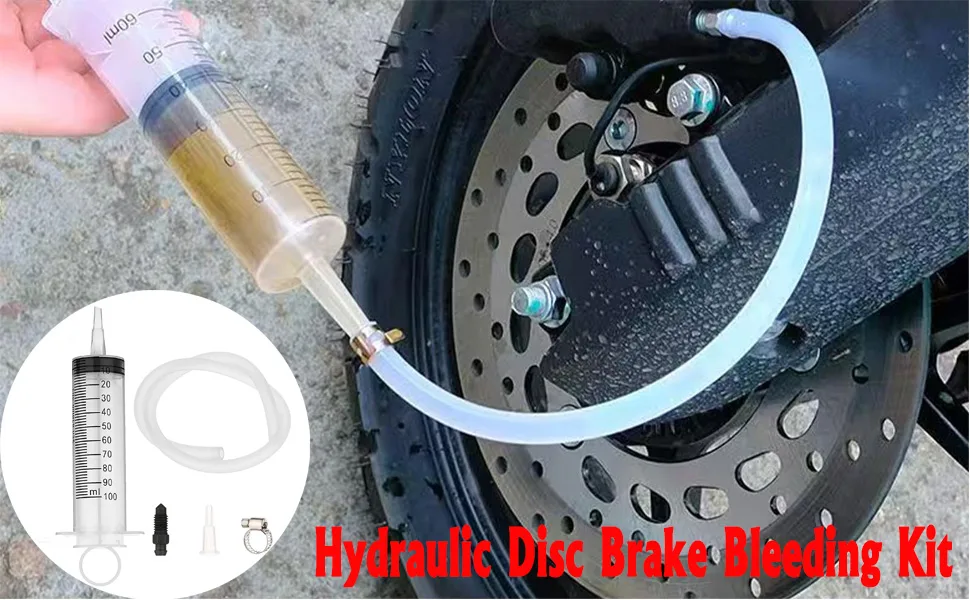
Once diagnosed, execute the correct repair. For hydraulics, you must bleed the system. This removes air bubbles.
Use the specific fluid recommended by your manufacturer. Mixing DOT and mineral oil destroys seals. Attach syringes to the lever reservoir and caliper bleeds valve.
Push fluid through until no bubbles remain. Cap everything securely. Test the lever.
It should snap back firmly.
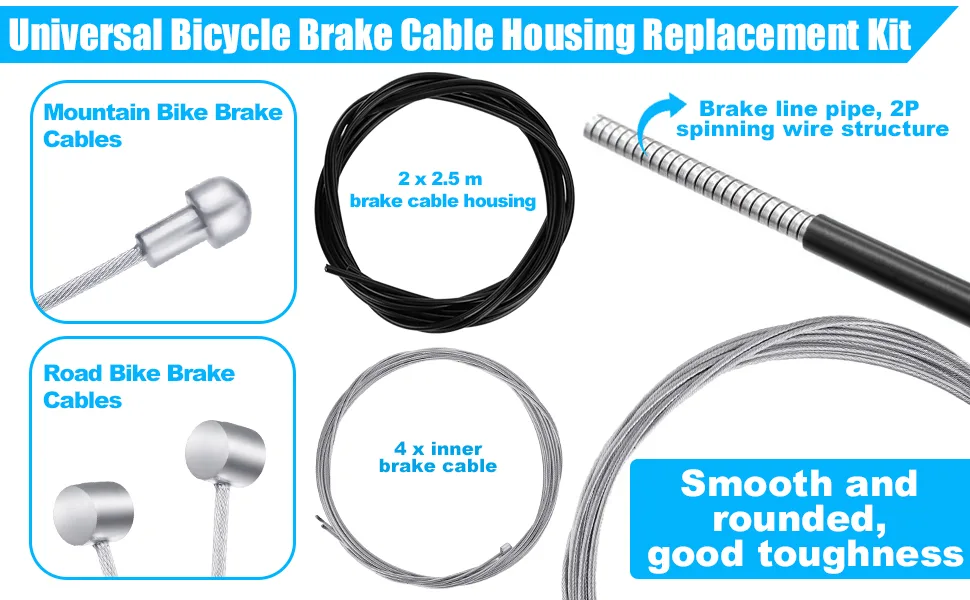
Mechanical repairs are simpler but require precision. Loosen the cable pinch bolt on the caliper. Pull the cable tight using pliers.
Retighten the bolt. Adjust the barrel adjuster on the lever to fine-tune tension. Ensure the pads center correctly over the rotor.
If the housing is crushed, replace the entire cable set. Cutting old cables leaves sharp ends that shred new liners. Always crimp end caps onto fresh cables.
Pro tip: Bed in new pads properly. Hard stops generate heat. Heat expands rotors.
This changes clearance. Ride gently for the first twenty miles. Avoid panic braking.
This allows pad material to transfer evenly onto the rotor surface. Poor bedding leads to uneven biting. Uneven biting feels spongy even with perfect hardware.
When to Stop DIY and Hit the Shop Floor
Sometimes, home repairs aren't enough. If you've bled your hydraulic brakes twice and they still feel soft, stop. You likely have a master cylinder failure or a cracked hose.
These components require specialized tools to replace safely. Attempting to patch a high-pressure line with tape is dangerous. It can burst under stress, leading to total brake loss.
For mechanical systems, if the lever feels sticky even after cleaning, the internal pivot may be corroded. Replacing the entire lever assembly is often cheaper than sourcing tiny spare parts. Manufacturer warranties usually cover defects in materials or workmanship.
Check your proof of purchase before voiding coverage with unauthorized modifications. A professional technician can also verify rotor trueness with precision gauges. This ensures your new pads seat correctly.
Don't risk safety for minor savings when critical components are involved.
Frequently Asked Questions About Spongy E-Bike Brakes
Can I mix DOT fluid and mineral oil?
No. Never mix these fluids. They have different chemical bases that react poorly together.
Mixing them causes seal swelling and degradation. This leads to leaks and immediate brake failure. Always flush the system completely before switching types.
Stick to the manufacturer's specified fluid for your model. Using the wrong one voids warranties and compromises safety. Precision matters here.
How often should I bleed my hydraulic brakes?
Bleed them every 12 to 24 months. Or sooner if you notice reduced performance. Aggressive riding heats fluid faster.
This accelerates moisture absorption. Coastal riders face higher humidity risks. Check your owner's manual for specific intervals.
Regular maintenance prevents air ingress. It keeps the bite point consistent. Neglect invites expensive repairs later.
Why do my brakes feel spongy only when hot?
Heat lowers the boiling point of contaminated fluid. Water absorbed by DOT fluid turns to vapor. This creates compressible gas pockets.
The lever sinks during long descents. This is called brake fade. Flush the fluid immediately.
Consider upgrading to higher-grade synthetic oils. They resist heat better. Prevent this by checking moisture levels annually.
Is it normal for new mechanical cables to stretch?
Yes, initial stretching occurs within the first few rides. Steel wires settle under tension. This increases lever travel slightly.
Adjust the barrel screw to compensate. Do not assume it's a defect. Retighten the cable after the break-in period.
This restores firmness. Regular checks ensure optimal stopping power. Patience pays off with smoother braking.

Similar Posts