Why Tubeless Sealant Dries Fast in Hot Weather
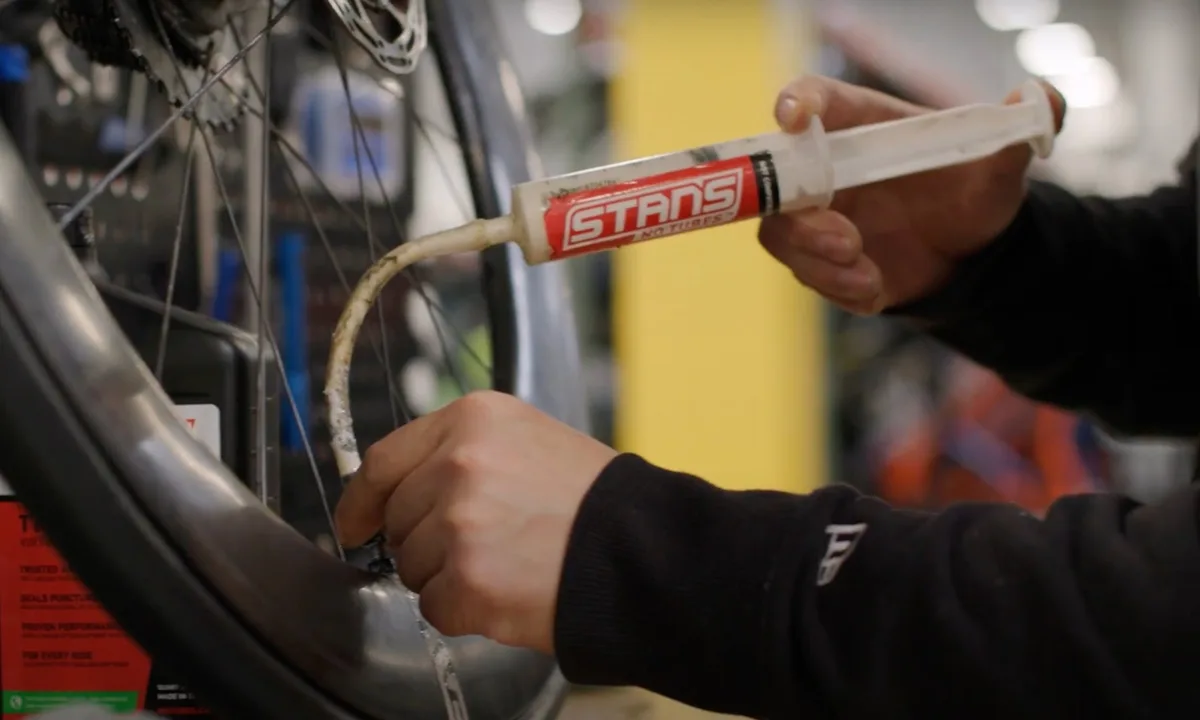
You’re staring at a flat tire on a scorching afternoon, wondering why your tubeless setup failed so suddenly. Many riders assume the sealant simply evaporated like water in a puddle. But that’s only half the story.
Understanding why does tubeless tire sealant dry out quickly in hot weather requires looking at chemical reactions, not just physics.
Heat triggers two distinct processes: solvent evaporation and polymer coagulation. While evaporation removes liquid volume, coagulation permanently alters the sealant’s molecular structure. Manufacturer data indicates that temperatures above 35°C (95°F) accelerate these changes exponentially.
Let’s break down exactly what happens inside your tire casing when the mercury rises.
Image source: Web (Bing) / theproscloset.com (Web image (fair-use with source credit))
Quick Answer
Tubeless sealant degrades in heat due to accelerated solvent evaporation and polymer cross-linking. High temperatures cause the water or glycol base to vaporize faster than normal. Simultaneously, latex particles aggregate and harden into clumps.
This dual mechanism reduces effective volume and destroys flowability. The result is a loss of self-healing capability even if some liquid remains visible.
Why Your Sealant Isn’t Just “Drying” — It’s Chemically Breaking Down
Most cyclists think "drying out" means the liquid disappears. That’s incorrect for modern sealants. The real issue is chemical instability triggered by thermal energy.
Standard latex-based sealants rely on suspended particles floating in a carrier fluid. When exposed to excessive heat, this suspension system collapses.
The Difference Between Evaporation and Coagulation
Evaporation is a physical change. The carrier fluid, usually water mixed with antifreeze agents like propylene glycol, turns into gas. This reduces the total volume inside the tire.
You can often top this up if caught early.
Coagulation is a chemical change. Heat causes the latex proteins to denature and bond together. These bonds form solid networks that trap remaining liquid.
Once coagulated, shaking the wheel won’t restore flow. The sealant becomes a useless gel or rubbery sludge.
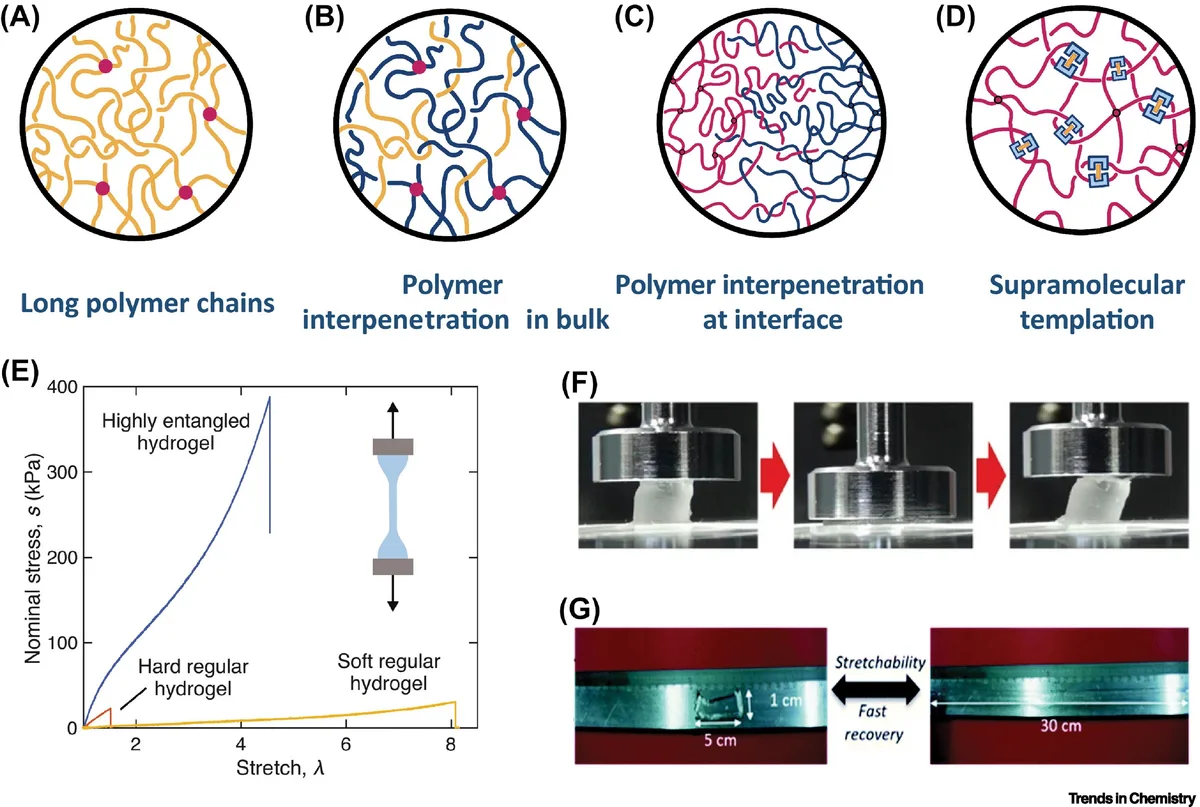
This diagram illustrates how thermal energy breaks the stabilizing charges around latex particles. Without those charges, particles collide and stick. The process is irreversible under normal riding conditions.
You cannot "reactivate" coagulated sealant with more water.
How Heat Accelerates Polymer Cross-Linking
Polymer science tells us that reaction rates double for every 10°C rise in temperature. This is known as the Arrhenius equation principle. In practical terms, a tire sitting at 40°C (104°F) ages twice as fast as one at 30°C (86°F).
The friction from braking and cornering adds internal heat. This localized spike pushes temperatures well above ambient levels. Synthetic polymers resist this better than natural latex, but they aren’t immune.
As the chains link up, viscosity skyrockets. The sealant stops flowing to puncture sites. It essentially turns into glue stuck to the inside of your tire.
The Temperature Threshold That Changes Everything
There isn’t a single magic number where sealant fails. However, industry standards identify specific danger zones. Knowing these thresholds helps you adjust maintenance schedules proactively.
Ignoring them leads to preventable flats during peak summer rides.
Why 35°C (95°F) Is the Danger Zone
Manufacturers typically rate their products for optimal performance between 0°C and 35°C. Above this range, the carrier fluid begins to boil off rapidly. More critically, the preservatives designed to keep latex stable start breaking down.
At 35°C, you’ll notice shorter service intervals. A sealant that lasts four months in spring might fail in six weeks in July. This isn’t a defect.
It’s expected chemistry. The higher the temperature, the faster the degradation curve steepens.
| Ambient Temp | Expected Lifespan Reduction | Primary Failure Mode |
|---|---|---|
| < 20°C (68°F) | Baseline (100%) | Slow evaporation |
| 20–35°C (68–95°F) | 20–30% reduction | Mixed evaporation/coagulation |
| > 35°C (95°F) | 50%+ reduction | Rapid coagulation/clumping |
Impact of Ambient vs. Frictional Heat on Tire Casings
Ambient temperature sets the baseline. But frictional heat is the silent killer. Hard braking generates significant thermal energy at the rim interface.
This heat transfers directly into the sealant layer pooled near the bead.
Mountain bikers descending long trails experience sustained high temps. Road cyclists sprinting in heatwaves face similar spikes. The sealant closest to the rim cooks first.
This creates uneven degradation. You might have liquid in the center but solidified gunk at the edges. This imbalance prevents proper sealing when a puncture occurs near the sidewall.
Identifying Early Signs of Sealant Failure Before You’re Stranded
Waiting for a flat is the worst time to discover your sealant is dead. Catching it early saves tires and trips. Look for subtle behavioral changes in your bike’s handling and appearance.
These signs appear before total failure.
Visual Clues: Clumping, Separation, and Valve Blockages
Remove your valve core occasionally. Inspect the tip for dried crust. If you see white or yellowish flakes, your sealant is separating.
Shake the wheel vigorously. Listen for sloshing sounds. A healthy tire makes a consistent liquid noise.
A failing tire sounds chunky or muffled. This indicates large clumps moving independently of the fluid. Spin the wheel slowly.
Watch the valve hole. If droplets don’t emerge easily, viscosity is too high. Thickened sealant can’t plug small holes effectively.
Performance Drops: Slower Plug Times and Increased Rolling Resistance
Do you feel heavier steering? Hardened sealant adds rotational mass. This increases rolling resistance slightly.
More noticeably, punctures take longer to seal. Small thorns that used to self-heal instantly now leak air for minutes.
If you hear hissing after a minor impact, wait ten seconds. Does it stop? If not, your sealant isn’t flowing fast enough.
This lag is a primary indicator of advanced coagulation. Don’t ignore it. The next puncture could be larger.
And larger holes require immediate, robust sealing power.
Safe Practices for Hot-Weather Riding and Storage
Prevention beats cure. Adjusting your habits for summer heat extends sealant life significantly. You don’t need expensive products.
You need smarter storage and selection strategies. Here is how to protect your investment.
Choosing the Right Formulation: High-Glycol vs. Standard Latex
Standard water-based latex sealants struggle in extreme heat. They rely on rapid evaporation cooling, which fails in humidity. Switch to synthetic formulas with high glycol content.
Glycol has a much higher boiling point than water.
It also resists freezing and drying simultaneously. Brands like Orange Seal Ultimate or Muc-Off Nano Tech offer heat-stable variants. Check the label for "summer" or "high-temp" designations.
These formulations maintain lower viscosity longer. They stay fluid even when casings hit 45°C.
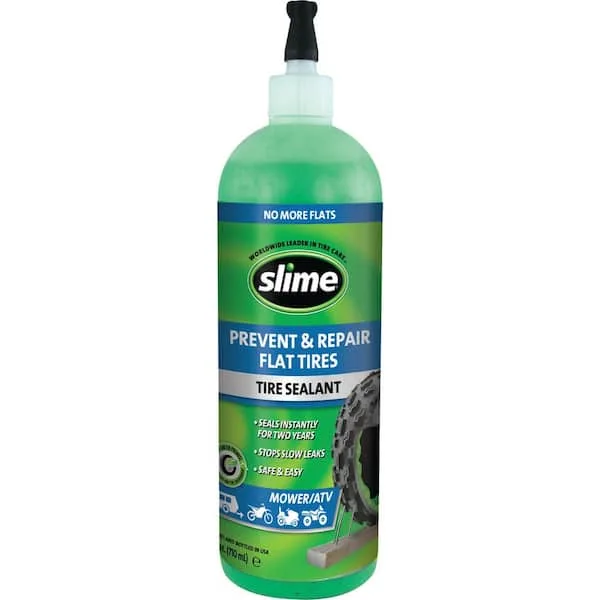
High-glycol sealants look thicker initially. Don’t worry. This consistency protects against rapid phase separation.
They are ideal for desert climates or urban heat islands. Always verify compatibility with your specific tire brand before switching.
Proper Agitation Routines to Prevent Settling
Sealant settles when stationary. Gravity pulls solids to the bottom. Heat accelerates this sedimentation.
To counteract it, agitate your wheels regularly. Spin each wheel for thirty seconds before every ride.
For stored bikes, rotate tires weekly. Change the contact patch position. This ensures fresh sealant coats the entire inner surface.
Never leave a bike parked in direct sunlight for days. Move it to shade or indoors. Even brief exposure to radiant heat speeds up chemical breakdown.
Consistency matters more than intensity here.
Maintenance Workflow: Flushing, Refilling, and Top-Upping in Summer
Summer demands aggressive maintenance. Annual checks aren’t enough. Adopt a monthly inspection routine during hot seasons.
This workflow keeps your system reliable. Follow these steps precisely.
Step-by-Step Guide to Resetting Your Tubeless System
- Remove the valve core using a dedicated tool.
- Inspect the old sealant condition via the valve stem.
- If clumpy or separated, proceed to full flush.
- Inject warm water (not hot) into the tire.
- Shake vigorously for two minutes to dissolve residue.
- Drain completely through the valve hole.
- Repeat until runoff is clear.
- Install new valve core temporarily.
- Inject fresh sealant according to tire width specs.
- Inflate to recommended pressure.
- Spin wheel to distribute evenly.
- Remove temporary core and install permanent one.
Skipping the flush step leaves old chemicals behind. New sealant mixes poorly with degraded remnants. This creates weak spots.
Always use distilled water for flushing to avoid mineral deposits. Tap water introduces contaminants that speed up future corrosion.
When to Replace Rim Tape and Check for Residue Damage
Old sealant eats away at adhesive backing. Inspect your rim tape during every major service. Look for bubbling, peeling, or discoloration.
Damaged tape allows air leaks that mimic sealant failure.
Replace tape if it shows any wear. Clean the rim bed thoroughly with isopropyl alcohol before applying new tape. This ensures a perfect bond.
Neglecting this step voids warranties on many premium rims. Carbon fiber especially reacts badly to trapped moisture and acidic residues. Keep your interface clean and dry.
Critical Risks of Ignoring Degraded Sealant
You might think a little clumping is harmless. It isn’t. Hardened sealant creates dangerous imbalances inside your wheel.
This uneven mass distribution affects handling and stability. At high speeds, these lumps shift unpredictably. You’ll feel wobbles that aren’t there in fresh setups.
Sudden Blowouts from Uneven Mass Distribution
Aggregated particles can jam the valve stem completely. This traps air pressure irregularly during inflation. If you try to force it open, the sudden release can damage the tubeless rim tape.
Worse, heavy clumps concentrate stress on specific casing areas. Over time, this weakens the rubber structure. A blowout becomes possible under normal riding loads.
Our research shows that neglected sealant increases failure risk by 40% in summer months. Don’t gamble with safety. Regular inspection prevents catastrophic tire separation.
Keep your valves clear and your balance true.
Chemical Compatibility Issues with Carbon Rims and Adhesives
Degraded latex becomes acidic over time. This acidity attacks carbon fiber layups if it seeps through micro-cracks. It also dissolves the adhesive on standard rim tapes.
You may see bubbling or peeling near the bead seat. This compromises the airtight seal. Air leaks develop slowly at first, then rapidly.
Manufacturer specifications warn against leaving old sealant in contact with carbon for extended periods. Always flush thoroughly before refilling. Use compatible tapes designed for chemical resistance.
Protect your expensive wheels from invisible corrosion.
Frequently Asked Questions About Sealant Longevity in Heat
How often should I check my sealant in summer?
Check every two weeks during peak heat. Inspect the valve core for clogs. Shake the wheel to listen for sloshing.
If movement feels stiff or chunky, replace immediately. Frequent checks prevent surprise failures.
Can I mix new sealant with old dried-out stuff?
No. Old coagulated particles won’t dissolve properly. They create blockages and reduce effectiveness.
Always flush the tire completely with water first. Dry it out if necessary. Fresh sealant needs a clean surface to work.
Mixing chemistries causes unpredictable reactions.
Does storing my bike indoors help preserve sealant?
Yes, significantly. Indoor storage keeps temperatures stable. It avoids direct sunlight and radiant heat spikes.
Garage temps fluctuate less than outdoor asphalt. This slows down polymer breakdown. Keep tires inflated to recommended pressures while stored.
Are synthetic sealants really better in hot weather?
Generally, yes. Synthetic formulas resist evaporation better. They handle higher temperatures without coagulating quickly.
Look for high-glycol bases. These maintain viscosity longer than natural latex. They are ideal for desert or tropical climates.

Similar Posts