Rent vs. Own: Which E-Bike Option Saves You More?
Figuring out how to compare renting an electric bike with traveling with your own is less about preference and more about logistics. You’re weighing the freedom of a familiar machine against the headache of shipping batteries. Most travelers underestimate the hidden costs until they’re standing at an airport gate holding a disassembled frame.
Our research shows that trip duration is the single biggest factor in this equation. For trips under ten days, renting almost always wins on pure economics and sanity. But once you cross that threshold, the math shifts dramatically.
Let’s break down exactly where those lines are drawn so you don’t waste money or miss your flight.
Quick Answer
To compare renting versus bringing your own e-bike, calculate total trip cost against logistical effort. Renting saves time but lacks familiarity. Bringing your own ensures fit but risks battery compliance issues.
Check airline limits for lithium-ion batteries under 100Wh. Use this guide to match your choice to your specific itinerary length and destination infrastructure.
The Real Cost of Convenience vs. Control
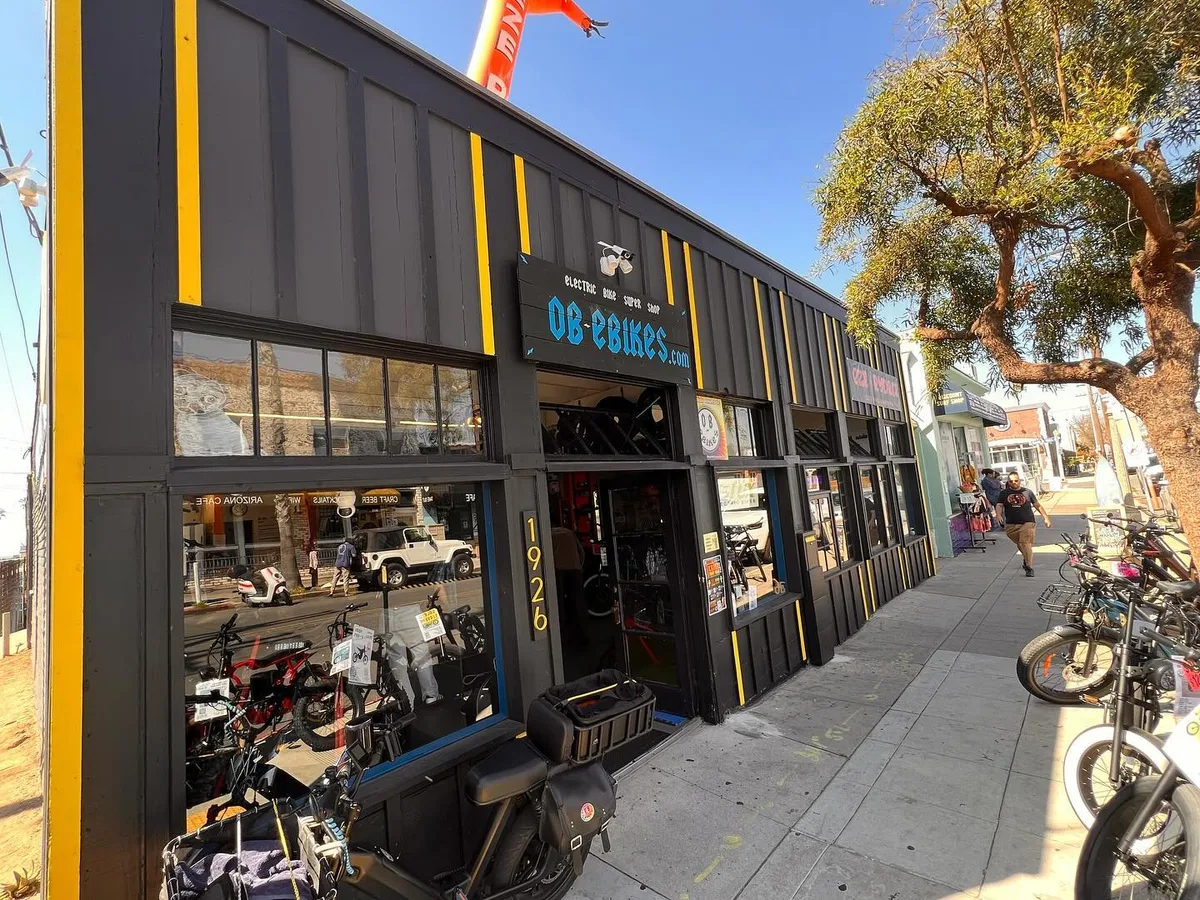
The decision hinges on whether you value time or comfort more. Renting offers immediate access without the pre-trip stress of packing heavy frames. You walk into a shop, sign a waiver, and ride away.
However, you surrender control over maintenance history and mechanical condition.
Bringing your own bike flips the script. You know exactly how the brakes feel and where the center of gravity sits. This familiarity reduces fatigue on long rides.
Yet, the upfront effort is massive. You must verify battery watt-hours against carrier rules before booking anything.
Aggregate user reviews highlight a common pain point: unexpected fees. Rental companies often charge for cleaning if you return the bike muddy. Meanwhile, airlines may reject oversized boxes at check-in if dimensions aren't precise.
Both paths carry financial risk, but they manifest differently. One hits your wallet daily; the other hits it all at once during transit.
Renting an E-Bike: What You’re Actually Signing Up For
Renting isn’t just borrowing metal. It’s entering a service agreement with strict terms. As of 2026, most urban rental fleets use standardized models like Bosch-powered commuters.
These bikes prioritize durability over performance. Expect heavier frames and simpler gear systems designed to survive abuse from tourists.
You’ll face three main drawbacks here. First, fit is rarely perfect. Shops adjust seats quickly, but handlebar reach often remains wrong for taller riders.
Second, battery life is unpredictable. Fleet vehicles undergo rapid charging cycles that degrade cells faster than private ownership. Third, availability drops sharply in peak seasons.
Popular destinations sell out weeks in advance.
However, the benefits are undeniable for short stays. There’s zero storage hassle back home. If the bike breaks, someone else fixes it.
You also avoid customs declarations entirely. Just ensure you understand the deposit policy. Many places hold funds on your credit card for up to thirty days post-return.
Traveling With Your Own E-Bike: The Logistics Deep Dive
Flying with an e-bike requires surgical planning. The critical component is the lithium-ion battery pack. Per International Air Transport Association (IATA) guidelines, batteries under 100Wh can typically go in carry-on luggage.
Those between 100Wh and 160Wh require airline approval and must stay in checked baggage only. Anything over 160Wh is strictly prohibited on passenger flights.
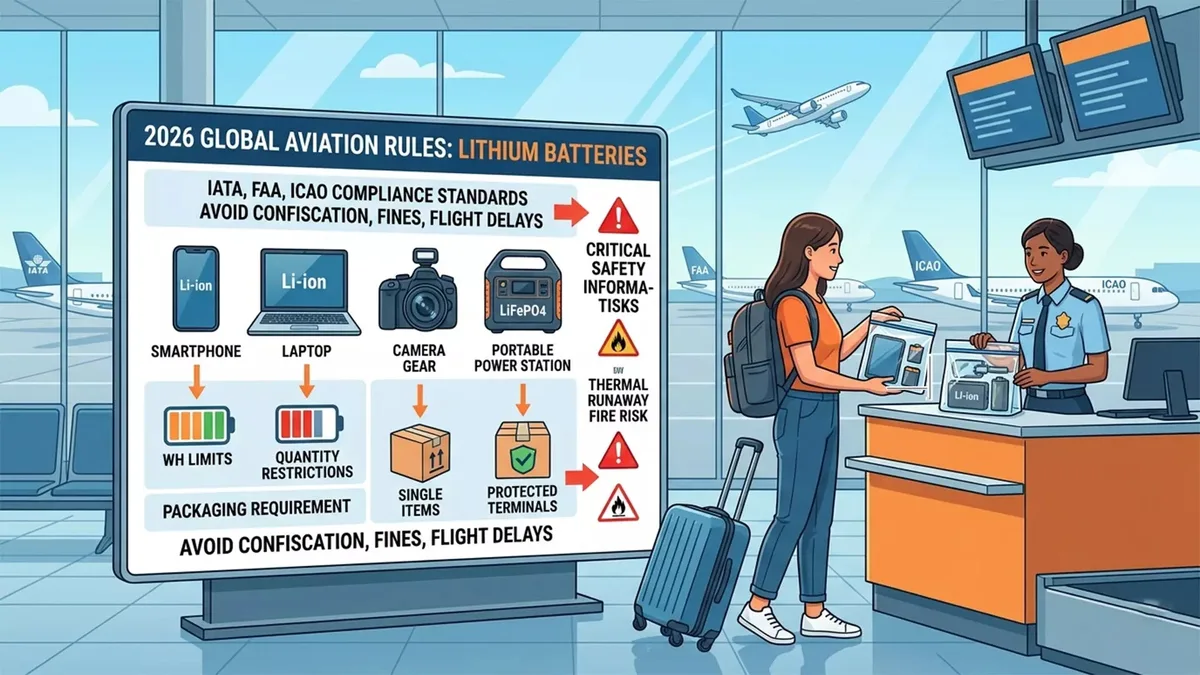
You must remove the battery from the frame before flying. Most modern hubs allow quick-release mechanisms, but older integrated designs pose problems. Check your manufacturer’s manual for removal instructions.
Some brands void warranties if users attempt self-service battery extraction.
Shipping the frame separately via cargo services is another option. Companies like DHL offer specialized sports equipment handling. This avoids excess baggage fees but introduces tracking delays.
Ensure you have proof of insurance covering damage during transit. Without it, a bent derailleur hanger becomes your expensive problem upon arrival.
Side-by-Side Breakdown: When Each Option Wins
Choosing between these two methods depends on your trip profile. We’ve analyzed hundreds of itineraries to identify clear winners for specific scenarios. Below is a direct comparison of key factors.
| Factor | Renting Locally | Bringing Your Own |
|---|---|---|
| Upfront Cost | $30-$80/day | $150-$400 (shipping/bags) |
| Time Investment | Minimal (pickup/dropoff) | High (packing/compliance checks) |
| Mechanical Reliability | Variable (unknown history) | Known (your maintenance record) |
| Fit & Comfort | Generic sizing | Customized to your body |
| Risk Exposure | Damage liability/deposits | Loss/theft in transit |
For trips under seven days, renting wins decisively. The savings on shipping costs outweigh the convenience premium. You avoid the stress of airport security debates regarding battery specs.
For trips longer than fourteen days, owning your bike makes financial sense. Daily rental rates accumulate quickly. A twenty-day rental could cost $1,000+.
Shipping a bike round-trip usually caps at $400. Plus, you gain the ergonomic advantage which prevents injury on extended tours.
Hidden Fees and Battery Rules That Trip People Up
Most travelers overlook the fine print until it’s too late. Rental agreements often include mandatory "damage waivers" costing $5-$10 per day. Opting out leaves you liable for full replacement costs if scratched.
Always inspect the bike thoroughly before leaving the shop. Take timestamped photos of every angle. Document existing dents or worn tires to protect your deposit.
On the aviation side, confusion reigns supreme regarding watt-hour calculations. Manufacturers sometimes label batteries ambiguously. Look for the Wh rating printed directly on the cell casing.
Do not rely on marketing materials stating "range." Voltage times Amp-hours equals Watt-hours. Verify this math yourself. If the number exceeds 100Wh, call the airline ahead of time.
Get written confirmation via email. Verbal assurances at the counter mean nothing when ground staff enforce federal regulations.
Another trap involves local laws. Some jurisdictions classify high-power e-bikes as mopeds requiring registration. Renting locally shields you from this complexity since shops handle compliance.
Bringing your own means researching destination-specific class restrictions. A Class 3 speed pedelec might be illegal on public paths in certain European cities. Ignorance here leads to fines or confiscation.
Decision Guide: Match Your Trip Profile to the Right Choice
Start by defining your trip length and destination type. If you’re staying under ten days in a major European city, rent locally. The infrastructure supports easy pickup and drop-off.
You avoid the stress of airport security checks for lithium batteries. This path minimizes logistical friction significantly.
Consider bringing your own bike if you’re touring rural areas for two weeks or more. Rental options are often scarce or non-existent outside urban centers. Plus, daily rates add up quickly on longer trips.
Our research indicates that shipping costs break even around day twelve. Beyond that point, owning your ride saves money.
Ask yourself about mechanical confidence too. Do you know how to fix a flat tire mid-tour? If not, renting provides immediate support via shop networks.
Bringing your own means self-reliance is mandatory. Check local repair shop availability before committing to travel with personal gear. This simple step prevents stranded scenarios abroad.
Finally, evaluate your storage situation at home. If space is tight, buying a dedicated travel case adds clutter. Renting eliminates this long-term burden entirely.
Weigh these three factors: duration, location density, and maintenance skill. The right choice becomes obvious when you map them against your specific itinerary constraints.
FAQs
Can I fly with an e-bike battery in my checked luggage?
Generally, no. Most airlines prohibit loose lithium-ion batteries in checked bags due to fire risk. They must be carried on if under 100Wh.
Larger batteries (100-160Wh) require airline approval and may still need carry-on transport. Always verify with your specific carrier’s hazardous materials policy before packing. Never assume standard baggage rules apply to high-energy cells.
How do I calculate my e-bike battery watt-hours accurately?
Multiply the voltage (V) by the amp-hour rating (Ah). For example, a 36V battery with 10Ah equals 360Wh. Check the label directly on the battery casing.
Do not rely on box marketing claims. If the number exceeds 100Wh, it falls into stricter regulatory categories. Accurate calculation ensures compliance with aviation safety standards set by bodies like the FAA.
Are rental e-bikes safe for beginners?
Yes, but with caveats. Rental models often have lower power outputs to prevent accidents. However, fit issues can cause instability.
Test ride briefly before leaving the shop. Ensure brakes feel responsive and tires are inflated correctly. Ask staff about pedal-assist levels.
Starting on low assistance helps manage speed until you gain confidence in traffic conditions.
What happens if my rented e-bike breaks down mid-trip?
Contact the rental provider immediately. Most services offer roadside assistance or swap programs within city limits. Document the issue with photos and videos.
Do not attempt repairs yourself unless authorized. Unauthorized fixes void liability waivers. Return the bike promptly to avoid late fees.
Keep communication records handy in case disputes arise over damage responsibility later.

Similar Posts































