Best E-Bikes for Heavy Cargo: How to Choose the Right One
Founder & Technical E-Mobility Editor at Modern Electric Bikes · Professional Bicycle Mechanics Association (PBMA) Certified, Bosch & Shimano eBike Systems Certified · 14+ years in bicycle fabrication, electric hub & mid-drive motor diagnostics, and commuter road testing
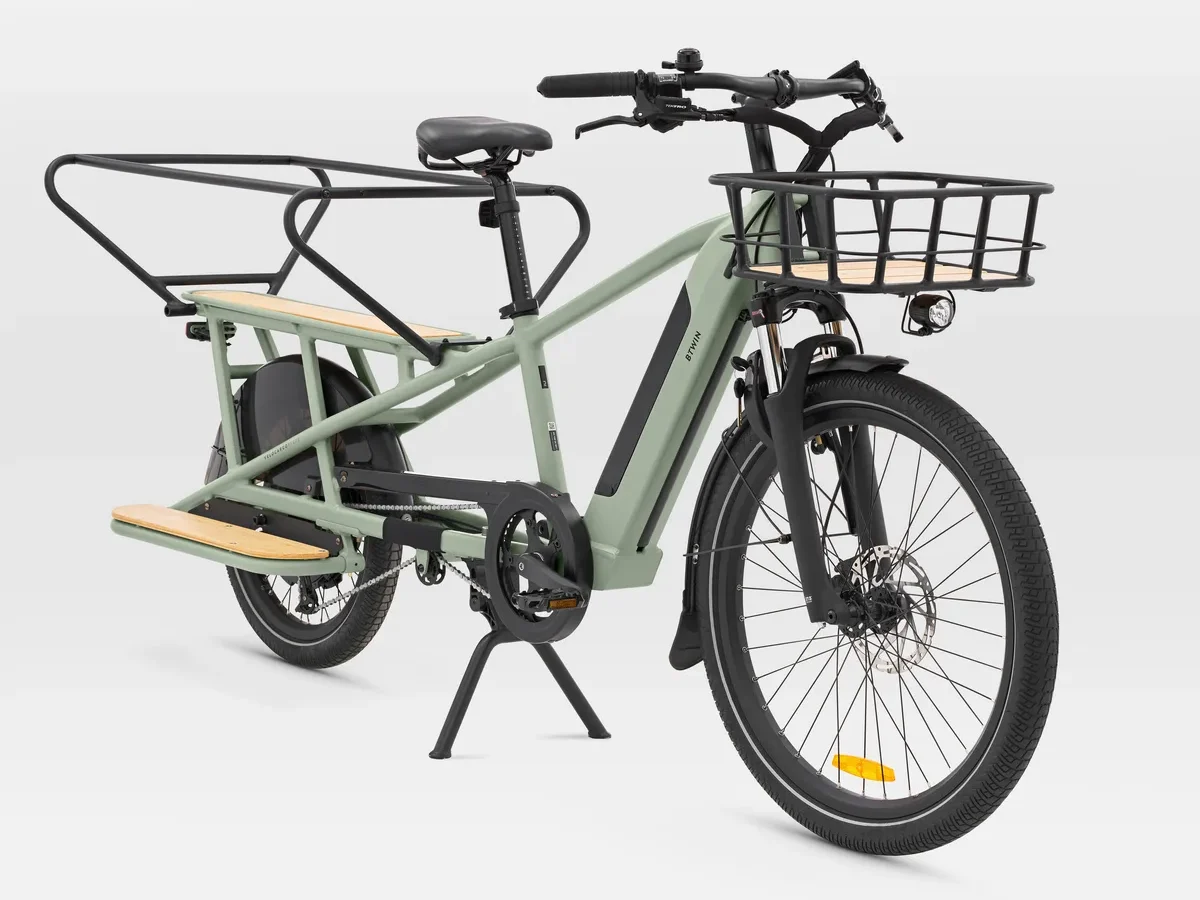
Figuring out how to choose an electric bike for carrying heavy cargo starts with knowing your limits. Most riders underestimate the total weight they’ll haul. This mistake leads to unsafe handling and premature mechanical failure.
We’ve seen too many people buy based on looks, not load capacity.
Start by calculating your maximum system weight. Add your body mass to your typical gear. Then include a 20% safety buffer.
As of 2026, premium cargo e-bikes handle up to 250 kg (550 lbs). But that number varies wildly between models. Let’s break down exactly what you need to check before spending a dime.
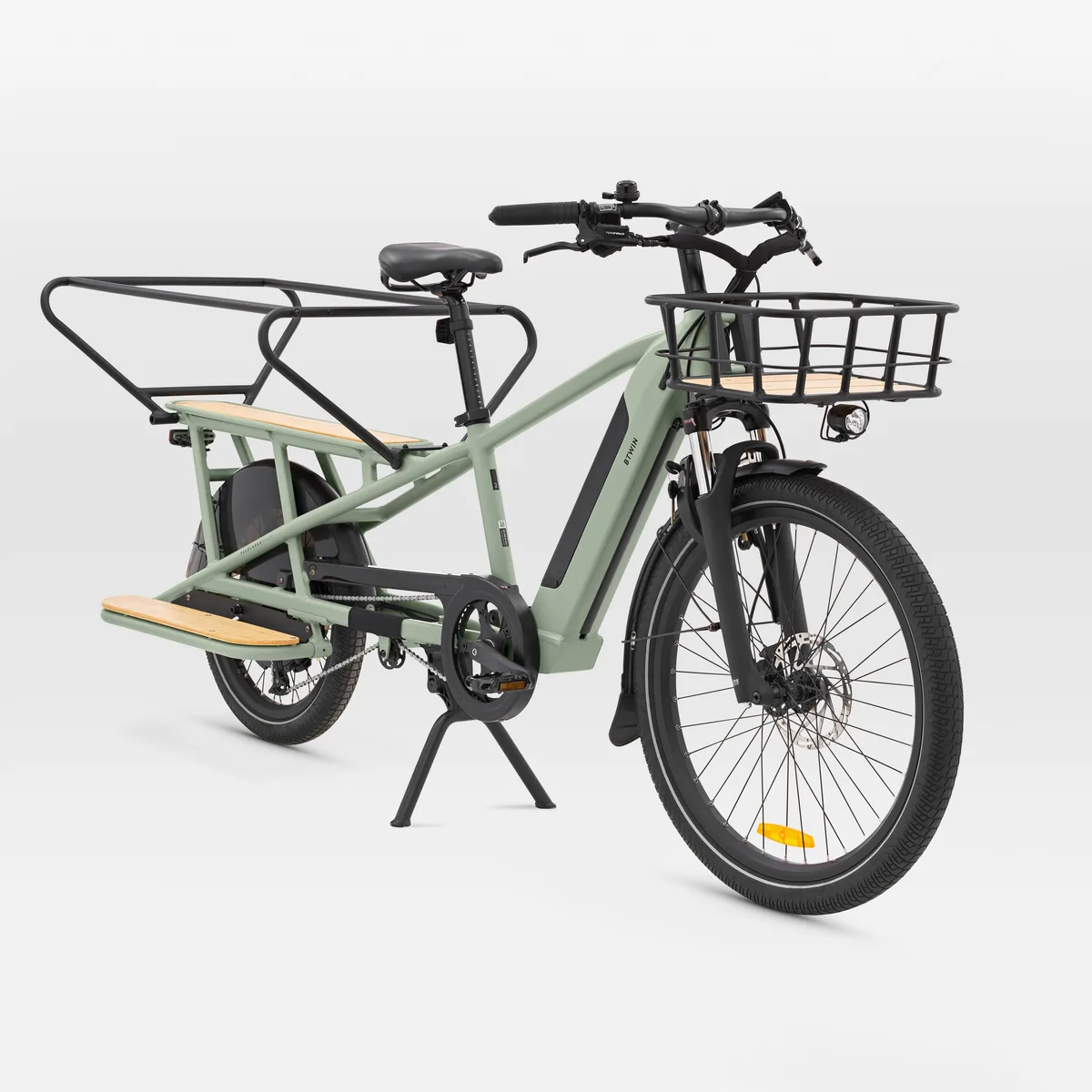
Image source: Web (Bing) / decathlon.ie (Web image (fair-use with source credit))
Quick Answer
To choose an electric bike for heavy cargo, prioritize payload capacity over speed. Calculate your rider weight plus max load. Ensure the bike’s rating exceeds this sum by 20%.
Select a mid-drive motor with at least 80 Nm torque. Verify hydraulic disc brakes are included for stopping power. Check local class regulations for legal compliance.
Start Here: Define Your Actual Cargo Load Before You Look at Bikes
Most buyers skip this step and regret it later. You cannot pick the right bike without knowing the weight. It sounds obvious, but "heavy" means different things to different people.
One person’s heavy load is another’s light commute.
The Math That Matters: Rider Weight + Gear + Buffer
Add three numbers together. First, your current body weight. Second, the heaviest load you expect to carry regularly.
Third, add accessories like panniers, locks, or child seats. This sum is your baseline payload. Now, multiply that total by 1.2.
This gives you a 20% safety margin. Manufacturers often rate bikes for ideal conditions. Real-world roads aren’t ideal.
For example, if you weigh 90 kg and carry 40 kg of groceries, your base load is 130 kg. Multiply by 1.2, and you need a bike rated for at least 156 kg. Never buy a bike rated for exactly your calculated weight.
You need headroom for battery degradation and unexpected extra items.
Why "Max Payload" Isn’t the Whole Story
Payload ratings often exclude the rider’s weight in some marketing materials. Always check if the spec says "max system weight" or "cargo capacity." Max system weight includes the rider. Cargo capacity usually does not.
Confusing these two terms is a common error.
Look for the Gross Vehicle Weight Rating (GVWR) if available. This is the most honest metric. It accounts for the bike frame, battery, motor, rider, and cargo combined.
If a manufacturer hides this number, walk away. Transparency matters here. A vague brochure suggests vague engineering.
Stick to brands that publish detailed technical sheets. These documents reveal stress-test results and material grades. Trust data, not ad copy.
Choose Your Configuration: Front-Loader vs. Rear-Longtail vs. Trike
Your cargo location changes how the bike handles. There is no single best configuration. It depends on what you’re hauling and where you ride.
Each design has distinct advantages and drawbacks.
Front-Loaders for Visibility and City Maneuvering
Front-loaders place cargo ahead of the rider. This keeps your rear wheel free for better traction. You can see your children or packages easily.
However, steering becomes heavier. The front end feels sluggish initially.
These bikes excel in urban environments. They offer excellent visibility for parents watching kids. Yet, they struggle with very narrow paths.
The wide box adds bulk. If you live in a dense city with tight storage, measure your garage door first. Many front-loaders simply don’t fit standard elevators or small apartments.
Rear-Longtails for Standard Bike Lane Compatibility
Rear-longtails extend the back of the bike. They look like standard bicycles but with longer frames. This preserves familiar handling dynamics.
Steering remains light and responsive. You can mount racks, panniers, or child seats behind you.
The downside? Reduced visibility of the cargo. You can’t watch your passengers as closely.
Also, climbing steep hills puts more strain on the rear hub. Weight distribution shifts backward. This can lift the front wheel during aggressive acceleration.
Longtails are versatile for mixed use. They work well for commuters who occasionally haul larger items. Just ensure the rack is rated for your specific load.
| Configuration | Best For | Handling Trait | Storage Footprint |
|---|---|---|---|
| Front-Loader | Parents, High-Visibility Needs | Heavy Steering, Stable Straight Line | Large/Wide |
| Rear-Longtail | Mixed Commute/Groceries | Light Steering, Agile Turns | Moderate/Standard |
| Trike/Quadricycle | Static Stability, Very Heavy Loads | No Lean Required, Wide Turning Radius | Very Large |
Trikes and Quadricycles for Static Stability and Heavy Hauling
Trikes eliminate balance concerns entirely. You don’t need to put a foot down at stops. This is crucial for elderly riders or those with mobility issues.
They also handle extreme weights better than two-wheelers.
However, they take up significant space. Parking them is difficult in cities. Turning circles are massive.
On wet pavement, cornering requires caution. The center of gravity is low, which helps stability. But the wheels can slip sideways if you turn too sharply.
Use trikes only if static stability is your top priority. Otherwise, a longtail offers better agility.
Match Power to Terrain: Motor Torque and Battery Sizing Rules
Power isn’t just about speed. It’s about force. When carrying heavy loads, you need torque to start moving and climb hills.
Speed specs often mislead buyers. Ignore top speed until you’ve secured enough pulling power.
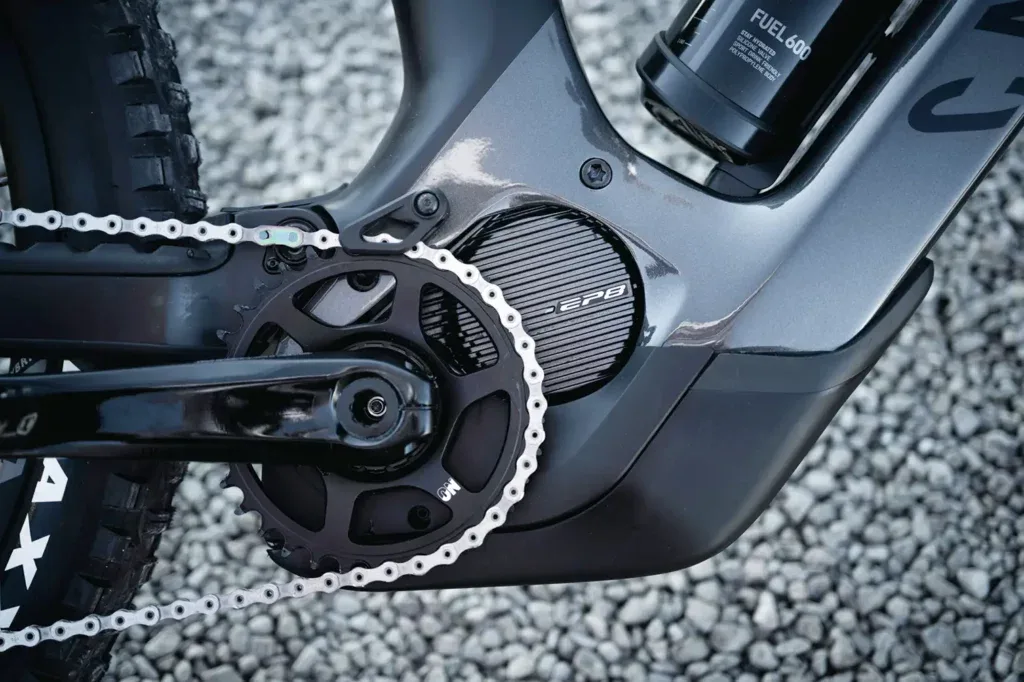
Image source: Web (Bing) / ebikes.org (Web image (fair-use with source credit))
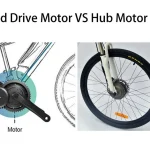
Why Mid-Drive Motors Win for Hills with Weight
Mid-drive motors sit near the pedals. They leverage the bike’s gears. This allows the motor to spin efficiently across various speeds.
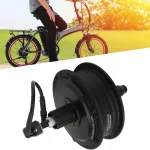
Hub motors drive the wheel directly. They lack gearing flexibility.
On steep inclines, a hub motor struggles. It draws excessive amps, overheating quickly. A mid-drive shifts into a lower gear.
The motor maintains optimal RPM. This extends range and protects components. For heavy cargo, mid-drives are superior.
Brands like Bosch Performance Line CX or Shimano STEPS EP8 lead this category. Their torque sensors react instantly to pedal pressure. This smooth engagement prevents jerky starts under load.
Calculating Range Anxiety: Wh per Kg of Load
Battery size determines how far you go. Heavier loads drain batteries faster. A 500 Wh battery might last 40 km unloaded.
With 50 kg of cargo, that drops to 25 km. Plan for worst-case scenarios.
Use this rule of thumb: Aim for 10, 15 Wh per kilogram of total system weight per kilometer. So, for a 150 kg system riding 20 km, you need roughly 300, 450 Wh just for the trip. Add 30% buffer for wind, cold, and terrain.
This pushes you toward a 750 Wh or dual-battery setup. Don’t rely on advertised "max range." Those tests use light riders on flat ground. Real-world usage is harsher.
Invest in removable batteries for easy charging indoors.
Gearing Strategies: Internal Hubs vs. Derailleurs for Stop-and-Go Traffic
Derailleurs offer wide gear ratios. Great for varied terrain. But they require maintenance.
Chains stretch and derailleur hangers bend under impact. Internal gear hubs (IGH) enclose mechanics inside the rear hub.
IGHs resist weather and dirt. Shift while stopped. This is vital in city traffic.
You can launch from a red light in the perfect gear. Rohloff and Enviolo are premium options. They cost more upfront.
But they last longer with less upkeep. For heavy cargo, reliability trumps initial price. A broken chain strands you with 100 kg of goods.
An IGH minimizes this risk.
Safety Non-Negotiables: Braking, Frame Integrity, and Legal Classifications
Heavy loads increase momentum. Stopping distances grow exponentially. What works for a commuter fails for a courier.
You need industrial-grade safety features. Cutting corners here risks injury.
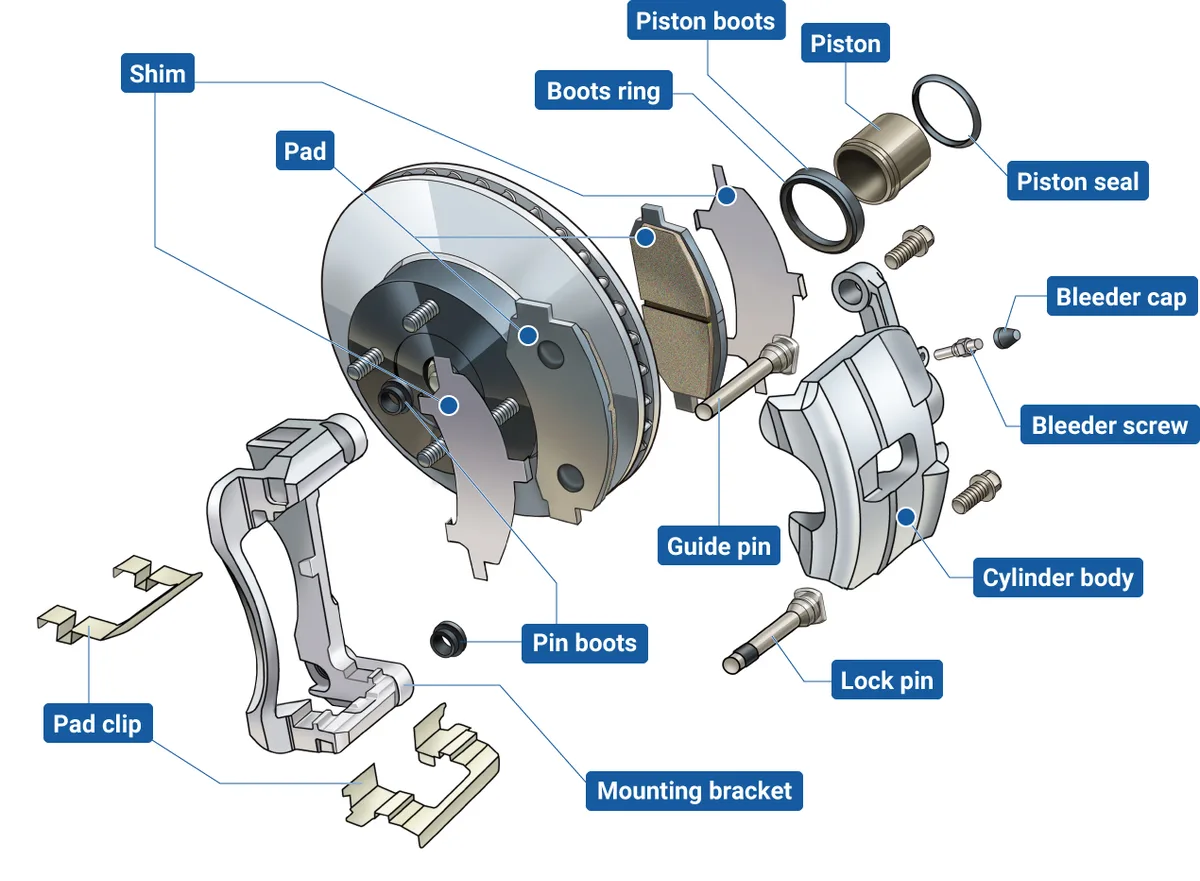
Image source: Web (Bing) / hxeswmcmz.blob.core.windows.net (Web image (fair-use with source credit))
Hydraulic Disc Brakes Are Mandatory for Mass
Mechanical disc brakes pull cables. They fade under heat and heavy use. Hydraulic systems use fluid.
They provide consistent lever feel. Force multiplies efficiently.
For bikes carrying over 100 kg, demand 4-piston calipers. Two-piston units may suffice for lighter loads. But four pistons clamp the rotor harder.
This reduces stopping distance significantly. Look for rotors sized 203 mm or larger. Smaller rotors overheat quickly.
Heat causes brake fade. Fade means loss of control. Test the levers in the shop.
They should feel firm, not spongy. If the seller mentions "upgrades," ask for specifics. Stock parts often fail under sustained heavy braking.
Understanding EN 1786 and CPSC Standards
Compliance ensures structural integrity. In Europe, EN 1786 covers cycle cargos. It tests frame fatigue and component strength.
In the US, CPSC guidelines apply. These standards verify the bike won’t snap under normal abuse.
Check for certification labels on the frame. Reputable manufacturers display these prominently. Absence raises red flags.
It suggests untested prototypes. Buying uncertified gear voids insurance claims. It also exposes you to liability.
If a part fails and hurts someone, you’re responsible. Verified compliance protects your wallet and your conscience. Consult CPSC.gov for current bicycle safety recalls and standards updates.
Helmet Laws and Child Restraint Certifications
Carrying passengers requires certified seats. Generic booster cushions aren’t safe. Look for EN 14344 certification in Europe.
This standard governs child restraint systems. It ensures proper anchorage and impact absorption.
Helmet laws vary by region. Some places mandate helmets for all cargo bike operators. Others exempt adults but require them for minors.
Know your local rules. Ignorance isn’t a defense. Fines accumulate quickly.
More importantly, unprotected heads suffer severe trauma. Wear a helmet that fits properly. Chin straps must be snug.
Loose helmets shift during crashes. This negates their protective value. Safety gear is non-negotiable when hauling heavy masses.
The Test Ride Checklist: How to Spot a Bad Fit Immediately
Does the bike feel stable when you lean? Not just upright, but during turns. Heavy cargo shifts your center of gravity.
You need to feel this before buying.
Simulate Real Loads During the Demo
Bring sandbags or water jugs to the shop. Most dealers won’t mind if you ask nicely. Load them onto the rack exactly as you would at home.
This reveals handling quirks hidden by empty frames.
Check Low-Speed Handling and Turning Radius
Weave slowly between cones or markers. Does the front wheel wander? A wobbly low-speed steer indicates poor geometry for weight.
Try stopping on a slight incline. Does the kickstand hold firm? Weak stands tip over under load.
Inspect Rack Mounting Points and Modular Expandability
Look for welded reinforcements, not just bolted attachments. Bolts loosen over time with vibration. Welds distribute stress better.
Check if the rack accepts standard panniers. Custom boxes limit versatility. Ensure mounting holes align with common accessories.
If they don’t, you’re locked into expensive proprietary gear.
Common Pitfalls That Kill Performance or Warranty Claims
What mistakes do buyers make most often? Ignoring maintenance requirements is top of the list. People assume electric means zero effort.
It doesn’t.
Ignoring Center of Gravity Shifts
Loading heavy items high up makes the bike tippy. Keep mass low and centered. Front-loaders should pack dense items at the bottom.
Rear-longtails need balanced left-right distribution. Uneven loading causes premature tire wear. It also strains the frame asymmetrically.
This leads to cracks in welds over time.
Under-Specifying Tires for Pressure Limits
Stock tires often have lower load ratings. Check the sidewall for "Max Load" PSI. Inflate to the upper limit within safe bounds.
Under-inflated tires pinch against the rim. This causes blowouts on potholes. Over-inflated tires reduce grip and comfort.
Find the sweet spot for your specific weight. Consider reinforced touring tires like Schwalbe Marathon Plus. They resist punctures and handle higher loads.
Overlooking Maintenance Costs of Belt Drives
Belt drives last longer than chains. But they aren’t indestructible. Misalignment wears belts quickly.
Cleaning requires specific tools. Replacement belts cost more than chains. Factor this into your long-term budget.
If you skip professional servicing, warranties void. Many brands require annual inspections. Miss one, and you pay for repairs out of pocket.
Stay diligent to protect your investment.
Frequently Asked Questions About Heavy-Duty E-Bike Selection
Can I tow a trailer with a cargo e-bike?
Yes, but check the hitch rating first. Most factory racks aren’t designed for towing forces. Use a dedicated tow bar mounted to the frame.
Ensure the motor controller supports the added drag. Exceeding limits damages the drivetrain. Consult manufacturer guidelines explicitly.
Do I need a license for a heavy cargo e-bike?
It depends on local laws and speed classes. Class 1 and 2 usually don’t require licenses. Class 3 (speed pedelecs) often do.
Verify with your department of motor vehicles. Insurance may also be mandatory for commercial use. Don’t assume all e-bikes are treated equally.
How much does battery degradation affect cargo range?
Expect 20% less range after three years. Lithium-ion cells lose capacity with cycles. Heavy loads accelerate this wear.
Plan for reduced efficiency over time. Buy extra capacity upfront to compensate. Removable batteries allow easier replacement later.
Are steel frames better than aluminum for cargo?
Steel absorbs vibration better. It’s tougher against impact damage. Aluminum is lighter and rust-resistant.
For extreme loads, chromoly steel wins. It offers superior fatigue resistance. However, aluminum suffices for moderate urban hauling.
Choose based on terrain severity.

Similar Posts