Electric Bike Wheel Size: How to Choose the Right One
Founder & Technical E-Mobility Editor at Modern Electric Bikes · Professional Bicycle Mechanics Association (PBMA) Certified, Bosch & Shimano eBike Systems Certified · 14+ years in bicycle fabrication, electric hub & mid-drive motor diagnostics, and commuter road testing
Figuring out how to choose the right electric bike wheel size feels impossible until you realize it’s not about preference. It’s about physics and your body. Most riders pick based on looks or marketing hype, then wonder why the handling feels wrong.
We’ve seen countless mismatches where a tall rider struggles with a small-wheeled cruiser, or a commuter fights instability on rough pavement. The truth is simpler than spec sheets suggest. Your inseam, typical terrain, and cargo needs dictate the diameter.
Let’s walk through the logic so you don’t buy twice.
Stop Guessing: Your Wheel Size Depends on Three Things
Most guides list pros and cons for every size. That approach fails because context changes everything. A 29-inch wheel is great for rolling over roots but terrible for tight city corners if you’re five feet tall.
You need to filter options through three specific lenses before looking at any bike.
First, consider your primary riding surface. Pavement demands efficiency and puncture resistance. Trails demand traction and obstacle rollover.
Second, look at your height and inseam. This determines whether you can safely stand over the frame. Third, define your payload.
Are you carrying groceries, a child seat, or just yourself? Heavier loads shift the center of gravity, making smaller wheels more stable.
Ignore these variables, and you’ll end up with a bike that fights you. We recommend writing down your answers to these three questions before visiting a shop. It turns a confusing catalog into a shortlist of two or three viable options.
The Decision Tree: Match Terrain, Height, and Purpose to Diameter
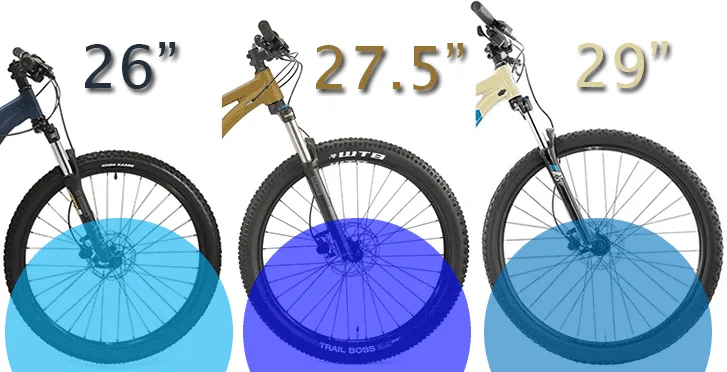
Think of this as a flowchart for your purchase. Start with terrain. If you ride mostly smooth asphalt or concrete paths, larger diameters like 27.5-inch or 29-inch reduce rolling resistance.
They maintain momentum better, saving battery life on long commutes.
If your route includes gravel, dirt trails, or significant obstacles, stick to 27.5-inch or 29-inch mountain bike standards. These sizes roll over rocks without deflecting upward into your hands. However, if agility is key, such as weaving through dense traffic or technical singletrack, 26-inch offers a snappier response.
Next, apply the height filter. Riders under 5'4" often find standard 29-inch frames too large. In this case, drop to 24-inch or 20-inch wheels.
These allow for a lower standover height while maintaining structural integrity. For riders over 6', 29-inch provides the necessary leverage and comfort.
Finally, check your purpose. Cargo hauling favors 20-inch fat tires for low-end torque and stability. Recreational cruising benefits from 27.5-inch hybrid setups.
Commuting prioritizes 28-inch road-oriented wheels for speed. Follow this sequence, and the "right" choice becomes obvious.
Why Rider Inseam Dictates Safety More Than Preference
Comfort is subjective, but safety isn’t. The ISO 4210 standard for bicycles specifies minimum clearance between the rider’s crotch and the top tube when standing flat-footed. Manufacturer specifications indicate you need at least one inch of clearance for urban riding.
Off-road riders should aim for two inches to account for dynamic movement.
Small wheels (20-inch or 24-inch) naturally lower the bottom bracket and top tube. This makes them safer for shorter riders or those with limited flexibility. Large wheels (29-inch) raise the entire chassis.
Even with a small frame size, the standover height can be prohibitive.
We’ve analyzed aggregate reviews showing that toe overlap is a common complaint with large wheels on compact frames. When the front wheel turns sharply, your toes might hit the tire. This isn’t just annoying; it causes crashes at slow speeds.
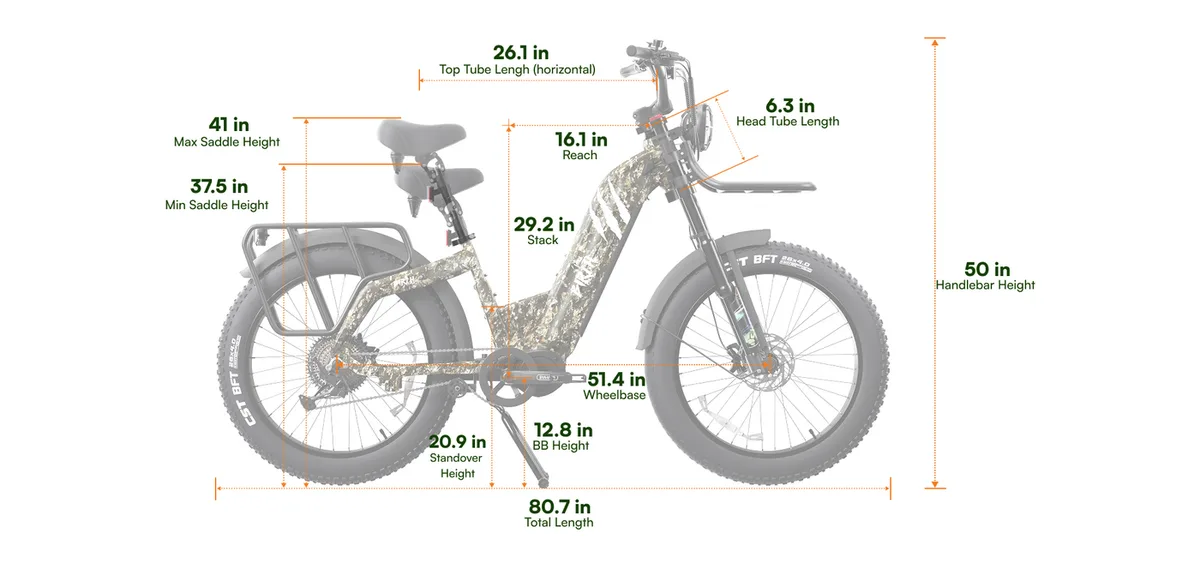
Always measure your inseam against the specific model’s geometry chart. Don’t rely on generic "S/M/L" sizing. E-bikes are heavier, so mounting and dismounting frequently requires easy access.
If you have to hop off awkwardly, you’ll eventually drop the bike.
20-Inch vs. 27.5-Inch vs. 29-Inch: The Real Trade-Offs
Each diameter serves a distinct mechanical function. Rotational mass affects acceleration and braking. Larger wheels weigh more but carry momentum better.
Smaller wheels feel lighter initially but require more motor effort to maintain high speeds on flats.
| Feature | 20-Inch | 27.5-Inch | 29-Inch |
|---|---|---|---|
| Acceleration | Fastest start | Balanced | Slower initial spin-up |
| Top Speed Potential | Lower gear ratio | Moderate | Highest due to circumference |
| Obstacle Rollover | Poor (hits bumps) | Good | Excellent (smooths impacts) |
| Maneuverability | Agile/Tight | Versatile | Stable/Sluggish turning |
| Best For | Folding/Cargo/Short Riders | Mixed Terrain/Commuters | Trail Riding/Tall Riders |
Hub motors interact differently with these sizes. A rear hub motor on a 29-inch wheel generates more torque at the rim than on a 20-inch wheel for the same wattage. However, mid-drive motors use the bike’s gears, negating some wheel-size advantages for climbing.
As of 2026, most premium e-mtb systems optimize gearing for 27.5-inch and 29-inch platforms specifically.
Fat Tires Are Not Just for Snow: When Width Beats Diameter
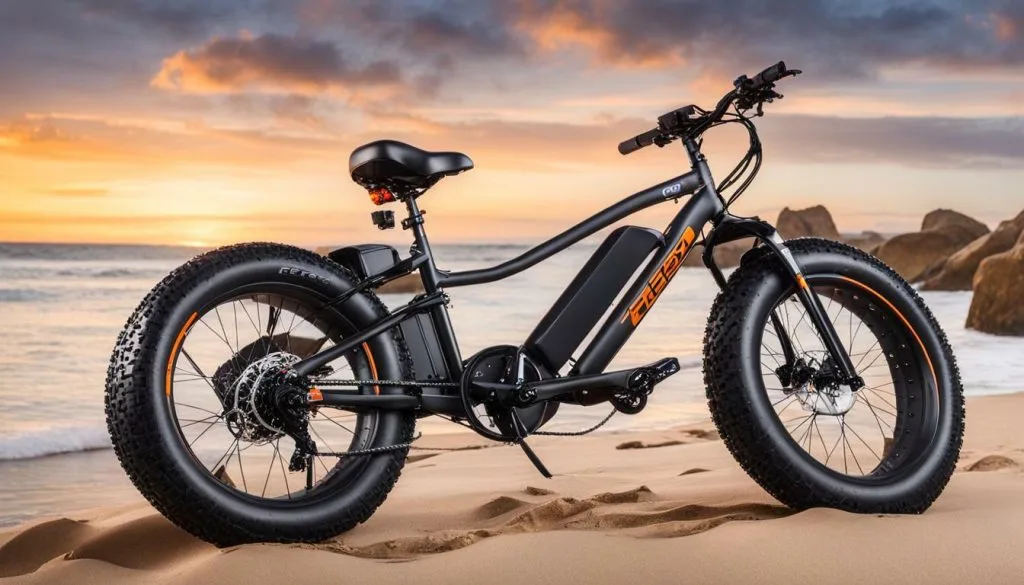
Many buyers assume fat tires equal winter use. That’s outdated thinking. Fat tires (3.8-inch to 5-inch wide) act as built-in suspension.
You run them at lower pressures, typically 10 to 20 PSI. This absorbs shocks from potholes and gravel without needing a heavy fork.
Diameter matters less here because volume compensates. A 20-inch fat tire rolls over curbs similarly to a 27.5-inch standard tire. The contact patch is huge, providing exceptional grip on wet leaves or sand.
For urban commuters dealing with poor infrastructure, a 20-inch or 26-inch fat setup often beats a skinny 29-inch road tire.
However, weight is the penalty. Fat tires add unsprung mass. This slows acceleration and increases battery drain on paved surfaces.
Use them only if your terrain is consistently rough or soft. On smooth tarmac, they create unnecessary drag. Check local regulations, as some regions restrict motorized vehicle tire widths for public path usage.
Always verify compliance with municipal codes before assuming your new setup is legal everywhere.
Common Mistakes That Ruin Handling and Range
Buying based on aesthetics is the biggest error we see. Riders choose 29-inch wheels because they look aggressive, ignoring their height constraints. This leads to dangerous standover issues and poor control at low speeds.
Always prioritize geometry over graphics.
Another trap is assuming larger wheels always save battery. On rough terrain, big tires absorb less impact, transferring shock to the frame. Smaller fat tires often provide better range by smoothing out vibrations that waste energy.
Check your specific route conditions before deciding.
Ignoring tire clearance limits causes frustration during upgrades. Many e-bike frames have tight tolerances for mudguards or racks. If you buy a 27.5+ setup but plan to add fenders, verify the gap first.
Manufacturer specs usually list maximum tire width explicitly. Don’t guess. Measure twice.
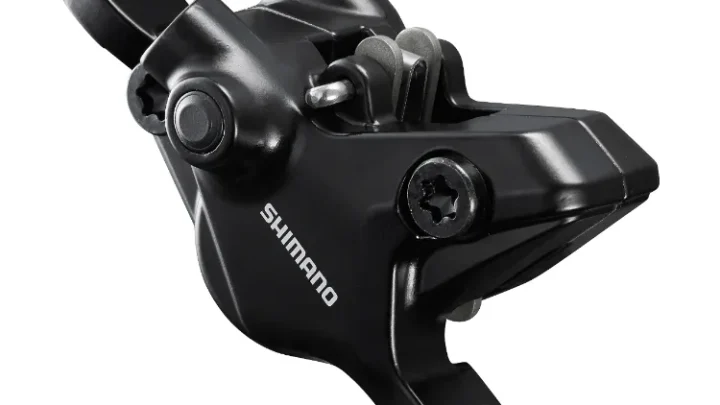
Finally, neglecting brake rotor compatibility creates safety hazards. Larger wheels sometimes require different mounting standards for discs. Swapping wheel sizes without checking caliper alignment can lead to rubbing or failure.
Consult a professional mechanic if you’re unsure about cross-compatibility between components.
Final Verdict: Which Setup Fits Your Daily Ride?
For urban commuters under 5'6", 20-inch or 24-inch fat tires offer the best blend of stability and storage ease. They handle potholes well and fit in elevators or trunks. You gain agility without sacrificing comfort on broken pavement.
Riders between 5'6" and 6'0" doing mixed terrain should lean toward 27.5-inch standard MTB setups. This size balances rollover capability with manageable weight. It’s versatile enough for light trails and daily errands.
Mid-drive motors pair exceptionally well here for climbing efficiency.
Tall riders (6'0"+) focusing on long-distance gravel or smooth paths benefit most from 28-inch or 29-inch wheels. The increased circumference reduces pedal strokes per mile, conserving battery. Stability at higher speeds is superior.
Just ensure your inseam allows for safe mounting.
Cargo haulers regardless of height should stick to 20-inch or 26-inch robust platforms. Low center of gravity prevents tipping when loaded. Durability matters more than speed here.
Look for reinforced rims rated for high PSI loads. Match the wheel to the job, not the trend.
FAQs
Can I swap wheel sizes on my existing e-bike?
Generally, no. Frame geometry, dropout spacing, and brake mounts are engineered for specific diameters. Changing sizes often requires new forks, brakes, and drivetrain adjustments.
It’s rarely cost-effective compared to buying a correctly sized bike. Stick to the manufacturer’s intended specifications to maintain warranty coverage and safety integrity.
Do bigger wheels make an e-bike faster?
Not necessarily. While larger wheels cover more ground per rotation, they also increase rotational mass. This demands more torque to accelerate.
Top speed is limited by motor power and legal assist cutoffs. Bigger wheels help maintain momentum once moving, but they don’t boost peak velocity beyond system limits. Efficiency gains depend heavily on surface texture and tire pressure settings.
How does wheel size affect battery life?
Larger wheels reduce rolling resistance on smooth surfaces, potentially extending range. However, they weigh more, requiring extra energy for acceleration and hill climbing. Smaller fat tires may consume more power due to air drag but excel on rough terrain by reducing vibration losses.
Optimal range depends on matching wheel type to your primary riding environment rather than choosing arbitrarily.
Are 29-inch wheels too heavy for casual riders?
They can feel sluggish initially due to higher unsprung weight. Casual riders might struggle with maneuvering at parking-lot speeds. But once moving, they glide effortlessly.
If you prefer relaxed cruising without technical handling demands, consider 27.5-inch as a middle ground. Test ride both if possible to gauge personal comfort levels with inertia and steering response dynamics.

Similar Posts