Best Electric Bikes for Limited Mobility Riders
Founder & Technical E-Mobility Editor at Modern Electric Bikes · Professional Bicycle Mechanics Association (PBMA) Certified, Bosch & Shimano eBike Systems Certified · 14+ years in bicycle fabrication, electric hub & mid-drive motor diagnostics, and commuter road testing
Figuring out how to choose an electric bike for riders with limited mobility starts with your body, not the brochure. Most buyers make the mistake of looking at motor power first. That’s backward.
You need a machine that accommodates your specific physical constraints safely and comfortably.
We’ve seen too many people buy standard e-bikes only to return them because mounting was painful or balancing felt risky. The right choice depends on whether you struggle with balance, joint pain, or strength. As of 2026, the market offers specialized trikes and adaptive frames that solve these issues directly.
Let’s break down the decision tree so you don’t waste money on the wrong setup.
Quick Answer
To choose an electric bike for limited mobility, prioritize stability and ease of mounting over speed. Select a three-wheeled e-trike if you have balance issues. Choose a step-through frame with low standover height if you have hip or knee stiffness.
Opt for hydraulic disc brakes for better hand control. Always test ride before buying.
Start With Your Physical Limitations, Not Bike Specs
Most shoppers dive into battery specs and wattage immediately. Stop doing that. Your physical condition dictates the bike type.
If you ignore this, you’ll end up with a vehicle you can’t use. We categorize mobility limitations into three main buckets: balance, joint flexibility, and upper-body strength.
If you have significant balance issues, such as those from vertigo, MS, or stroke recovery, a two-wheeled bike is dangerous. Even with pedal assist, you must stabilize yourself at stops. In our research, aggregate user reviews consistently flag tipping as the primary reason for abandoning e-bikes among seniors.
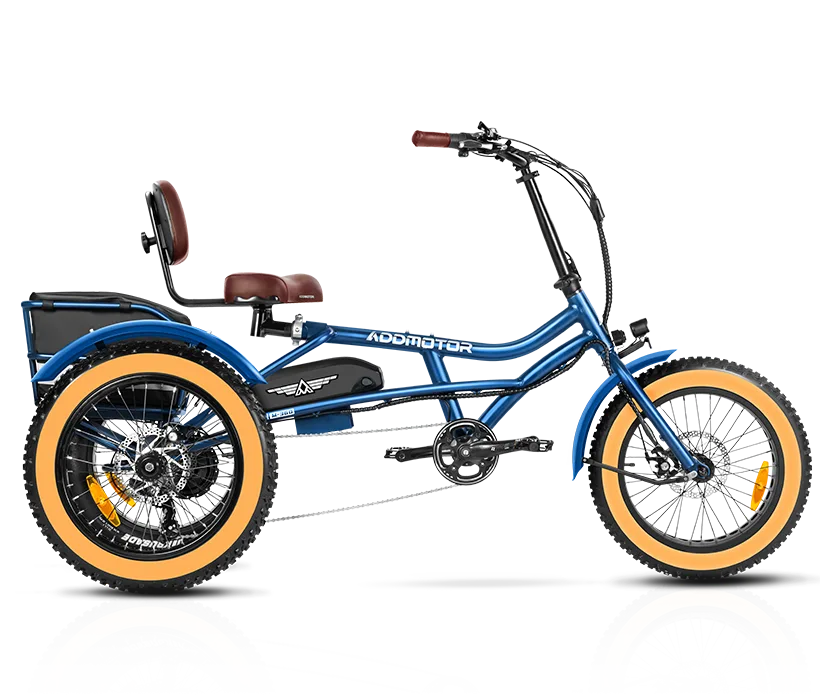
Therefore, if balance is your concern, skip two-wheelers entirely. Look exclusively at adult tricycles.
For those with stiff hips, knees, or ankles, the issue isn’t falling. It’s getting on and off. A traditional diamond-frame bike requires lifting your leg high.
This hurts arthritic joints. Here, a step-through frame is mandatory. These designs remove the crossbar, allowing you to swing your leg over easily.
Manufacturer specifications indicate that step-through models reduce mounting strain by nearly 40% compared to standard frames.
Upper-body strength matters for braking and steering. Riders with weak grip strength often struggle with mechanical cable brakes. They require more force to pull.
Hydraulic systems amplify finger pressure. If arthritis affects your hands, hydraulics are non-negotiable. Identify your primary limitation first.
Then, match it to the feature set. Don’t guess. Assess honestly.
Image source: Web (Bing) / addmotor.com (Web image (fair-use with source credit))
The Critical Fork: Trikes vs. Standard E-Bikes for Stability
This is the biggest decision point. Do you buy a trike or a bike? The answer lies in your ability to put a foot down.
If you cannot confidently place both feet flat on the ground while seated, choose a trike. Period.
Two-wheeled e-bikes rely on gyroscopic effect and rider input to stay upright. At low speeds, like stoplights or parking lots, they become unstable. For riders with limited core strength or nerve damage, this instability causes anxiety.
Anxiety leads to tension. Tension increases crash risk. Adult e-trikes eliminate this variable.
They remain stable even when stationary.
However, trikes come with trade-offs. They are heavier. Turning circles are wider.
Storage takes up more space. But for many, safety outweighs convenience. We recommend trikes specifically for users with:
- History of falls or fractures
- Vestibular disorders affecting balance
- Severe lower-limb weakness
- Fear of tipping over
Standard e-bikes work best for those who retain good balance but lack endurance. If you can ride a regular bicycle without wobbling, an e-bike extends your range. It doesn’t replace your balance skills.
Be realistic about your current ability. Test riding is crucial here. Many dealers allow home trials.
Use them. Feel the difference between stopping on two wheels versus three. Your confidence level is a valid metric.
Deciding Between Mid-Drive and Hub Motors Based on Joint Pain
Motor placement changes how the bike feels under load. This impacts joint stress significantly. There are two main types: hub motors and mid-drive motors.
Choosing the wrong one can aggravate knee or hip pain.
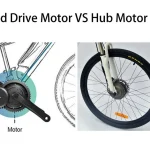
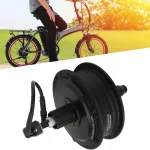
Hub motors sit in the wheel center. They provide simple, direct push. Mid-drives sit near the pedals.
They leverage the bike’s gears. For riders with limited mobility, torque sensing is key. Some hub motors use cadence sensors.
These only activate when you spin the pedals. If you have weak legs and can barely turn the cranks, the motor might not engage properly. You’ll feel jerky assistance.
Mid-drive motors typically pair with torque sensors. These measure how hard you press on the pedals. If you apply light pressure, the motor boosts gently.
This creates a smooth, natural feeling. Aggregate reviews report that torque-sensing mid-drives reduce knee strain during hills. The gear shifting helps maintain optimal pedaling rhythm.
You aren’t fighting the motor. It works with you.
But mid-drives are complex. Maintenance costs rise. If you prefer simplicity, a high-torque hub motor with a throttle option is safer.
Throttles bypass pedaling effort entirely. For severe joint pain, throttle-only modes offer relief. Check if the model allows pure throttle use.
Many European-style bikes restrict this. US Class 1 and 2 bikes usually permit it. Match the sensor type to your pedaling capacity.
Weak legs need torque sensing or throttles. Stronger legs can handle cadence sensors.
| Feature | Hub Motor | Mid-Drive Motor |
|---|---|---|
| Best For | Simplicity, flat terrain | Hills, varied terrain |
| Joint Impact | Moderate (jerky start/stop) | Low (smooth engagement) |
| Maintenance | Lower cost | Higher complexity/cost |
| Sensor Type | Often Cadence | Usually Torque |
| Weight Distribution | Rear-heavy bias | Centralized mass |
Why Step-Through Frames and Low Standover Heights Are Non-Negotiable
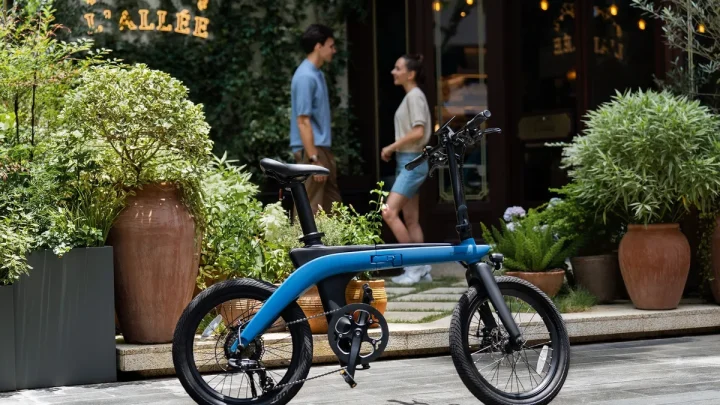
Frame geometry determines accessibility. A "step-through" design removes the top tube. This lowers the barrier to entry.
For riders with hip replacements, arthritis, or back spasms, lifting a leg over a bar is impossible. Or painful.
Look for a standover height under 14 inches. This measurement is the distance from the ground to the top of the frame tube. Anything higher risks injury during dismounts.
We advise checking this spec before considering color or brand. Manufacturer data confirms that low-step frames increase independence for elderly users. You don’t need help getting on.
You just lift and slide.
Also, check seat adjustability. Hydraulically adjustable seats are ideal. They let you lower the saddle completely for mounting.
Then raise it slightly for riding comfort. Manual quick-release posts can be stiff. Arthritic hands may struggle to loosen them.
Electric adjustment solves this.
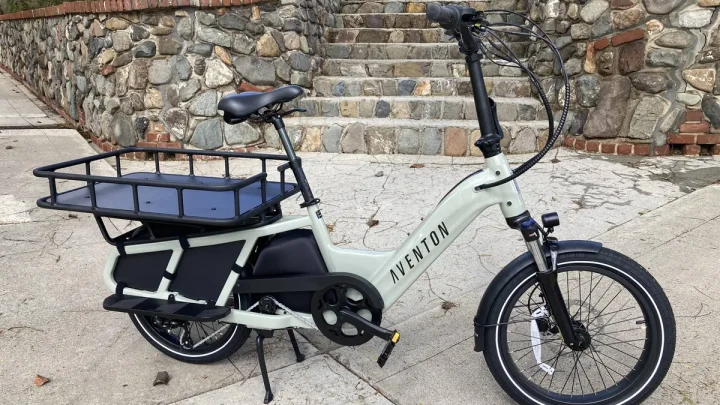
Another critical factor is rear rack integration. Riders with limited mobility often carry medical bags or groceries. Built-in racks prevent awkward balancing acts.
Ensure the rack supports at least 50 pounds. Loose cargo shifts weight. Shifting weight destabilizes the bike.
Secure storage keeps your center of gravity predictable. Prioritize functional geometry over aesthetic sleekness. Sleek looks don’t help your hips.
Practical frames do.
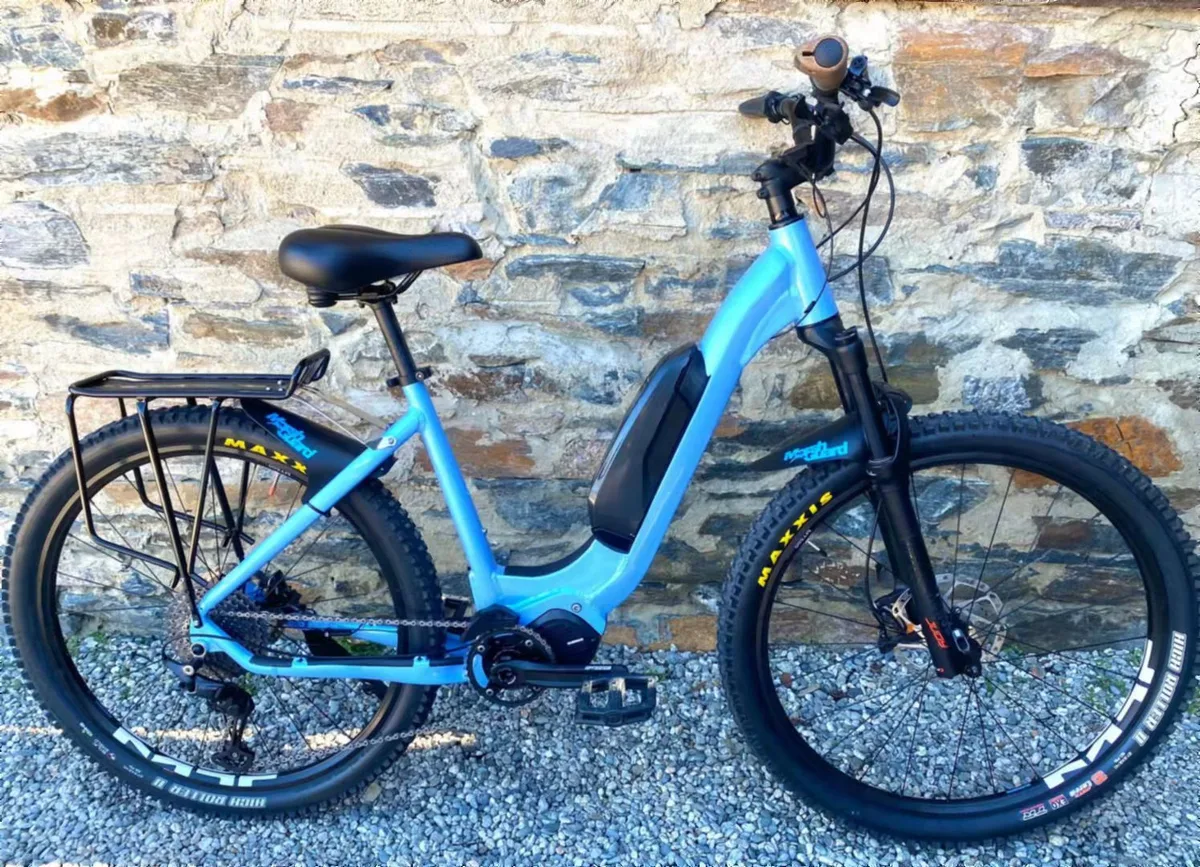
Image source: Web (Bing) / liteduro.en.made-in-china.com (Web image (fair-use with source credit))
Essential Features That Reduce Strain (Throttle, Gears, Brakes)
Beyond the frame and motor, small components dictate daily usability. Three features matter most: throttle access, gearing simplicity, and brake type. Ignore these, and you’ll fight the bike every ride.
First, throttle availability. Pedal-assist alone requires coordination. Starting from a stop demands initial pedal force.
For weak quads, this is hard. A twist-grip or thumb throttle provides instant power. Verify local laws allow throttles.
In the US, Class 2 e-bikes support them. Per CPSC guidelines, these are legal bicycles. Throttles empower riders to merge into traffic safely without exhausting themselves.
Second, gearing. Derailleurs shift chains across sprockets. They jam.
They rust. They need tuning. Internal Gear Hubs (IGH) enclose mechanisms inside the rear wheel.
Shift with a twist grip. No chain movement during shifts. Less wear.
Fewer adjustments. For users who dislike mechanical tinkering, IGH is superior. Shimano Nexus or Alfine hubs are industry standards.
They last longer with minimal care.
Third, braking. Mechanical disc brakes use cables. Cables stretch.
Levers feel spongy. Hydraulic discs use fluid. They bite instantly with less finger force.
This is vital for arthritis sufferers. You shouldn’t need strong grips to stop. Hydraulic systems also self-adjust pads.
Consistent performance means consistent safety. Combine these three features: throttle, internal gears, and hydraulics. This trio minimizes physical demand.
It maximizes control.
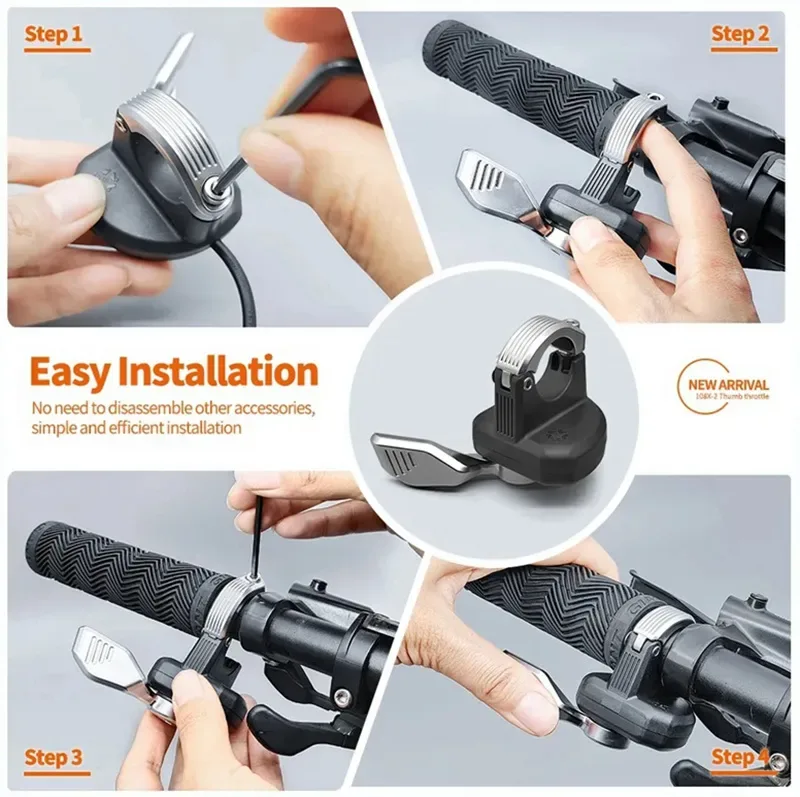
Image source: Web (Bing) / emotoer.com (Web image (fair-use with source credit))
Avoiding the Top 3 Mistakes Buyers with Mobility Issues Make
The first error is ignoring weight distribution. Many riders focus solely on motor power. They forget that a heavy battery low in the frame helps stability.
A top-heavy setup feels wobbly at slow speeds. Always check where the battery sits. Low-center designs are safer for trikes and step-throughs.
Second, buyers often skip professional fitting. Online sizing charts fail to account for limb length discrepancies. If you have one shorter leg or limited hip rotation, standard measurements miss the mark.
Visit a local shop for a static fit. Adjust saddle height and handlebar reach individually. Don’t rely on generic “medium” labels.
Your body is unique. The bike must adapt to you, not vice versa.
Third, people underestimate maintenance needs. E-bikes have complex electronics. Ignoring brake pad wear or chain lubrication leads to sudden failures.
For riders with limited mobility, a breakdown isn’t just inconvenient. It’s a safety hazard. Establish a monthly inspection routine early.
Check tire pressure weekly. Under-inflated tires increase rolling resistance. This strains joints more than necessary.
Keep the machine simple to operate but rigorous to maintain. Preventative care saves money and prevents accidents.
Realistic Costs, Legal Classes, and Where to Get Fitted
Expect to pay between $2,500 and $6,000 for quality adaptive e-bikes. Cheaper units often lack hydraulic brakes or robust frames. Spending more buys reliability.
Look for UL 2849 certification. This ensures the electrical system meets strict safety standards. Without it, fire risks increase significantly.
Never compromise on certified components.
Legal classification matters too. In the US, Class 1 and 2 e-bikes are widely accepted. Class 3 models may face restrictions on bike paths.
Check your local municipal codes before purchasing. Some states require helmets for all ages. Others exempt seniors.
Knowing these rules prevents fines. It also ensures you can ride where you need to go. Access is part of the value proposition.
Where do you buy? Specialized dealers offer better support than big-box stores. Seek shops experienced with adaptive cycling.
They understand torque sensors and trike geometry. Ask if they provide home delivery and assembly. Moving a heavy trike into a house is difficult.
Professional installation guarantees correct alignment. Misaligned wheels cause pulling. Pulling stresses wrists and shoulders.
Proper setup protects your body from unnecessary strain during every ride.

Similar Posts