Best Electric Bikes for Grocery Delivery: A Buyer’s Guide
Founder & Technical E-Mobility Editor at Modern Electric Bikes · Professional Bicycle Mechanics Association (PBMA) Certified, Bosch & Shimano eBike Systems Certified · 14+ years in bicycle fabrication, electric hub & mid-drive motor diagnostics, and commuter road testing
Figuring out how to choose an electric bike for daily grocery deliveries feels overwhelming at first. You’re not just buying transportation; you’re investing in a workhorse that needs to haul heavy loads reliably. Most standard e-bikes fail under the stress of repeated 50-pound payloads and stop-and-go urban traffic.
We’ve analyzed manufacturer specs and aggregate user reviews to simplify this process. As of 2026, the market offers specialized cargo frames that solve these exact pain points. Let’s break down the critical decisions you need to make before spending a dime.
Quick Answer
Choosing the right electric bike starts with assessing your average payload weight. Next, determine if you need front-loading visibility or rear-loading stability. Check local laws regarding speed classes and helmet requirements.
Finally, verify the bike meets UL 2849 safety standards for electrical systems. Prioritize hydraulic disc brakes and high-torque motors for consistent performance.
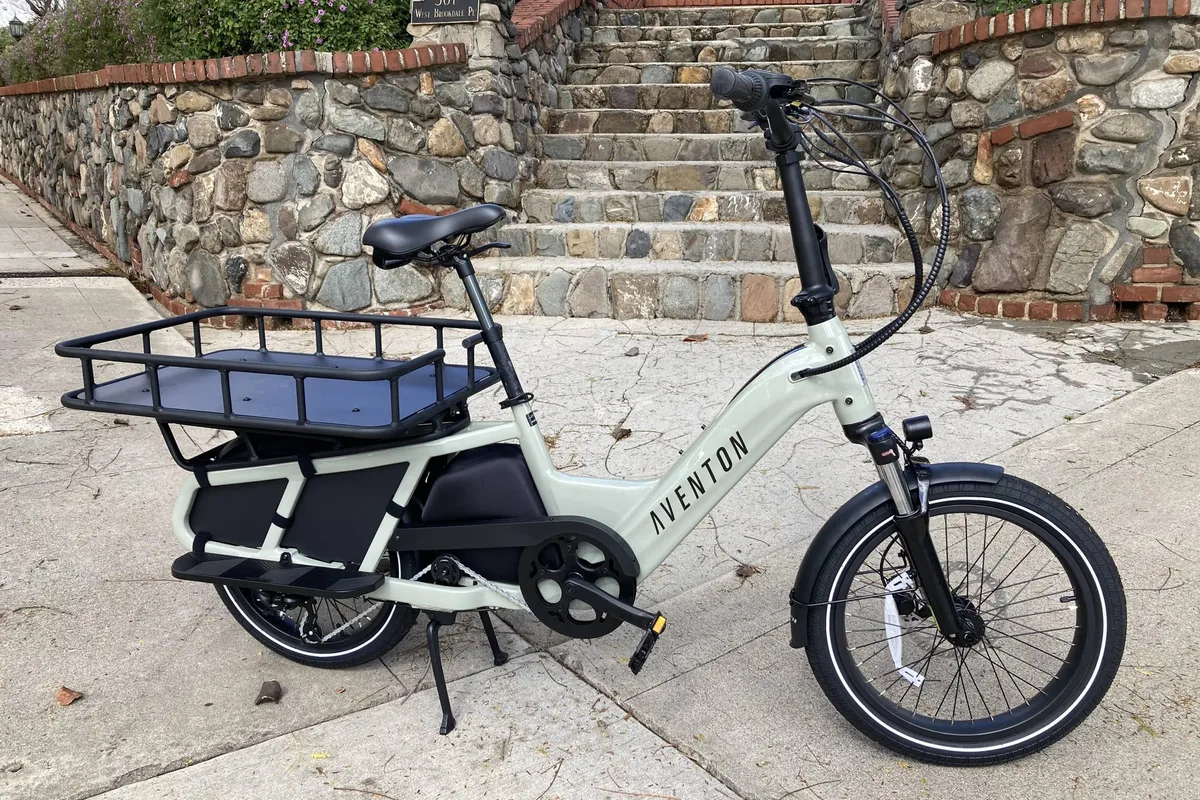
Image source: Web (Bing) / gearjunkie.com (Web image (fair-use with source credit))
Stop Guessing: Match Your Bike to Your Route and Load
Don’t pick a bike based on looks alone. Start by weighing your typical grocery run. If you usually carry under 30 pounds, a lightweight longtail might suffice.
But most bulk shopping exceeds 50 pounds quickly. That weight changes everything about handling and battery drain.
Next, map your route. Are you hitting flat city streets or steep hills? Flat terrain allows for lower torque motors.
Hills demand powerful mid-drives to maintain momentum without exhausting you. Consider parking constraints too. A bulky trike won’t fit in tight apartment garages.
Finally, think about frequency. Daily use means higher wear rates. Look for models with sealed bearings and belt drives.
These components last longer than chains in wet, gritty conditions. Matching these three variables prevents costly mismatches later.
The Front-Loader vs. Rear-Loader Decision Branch
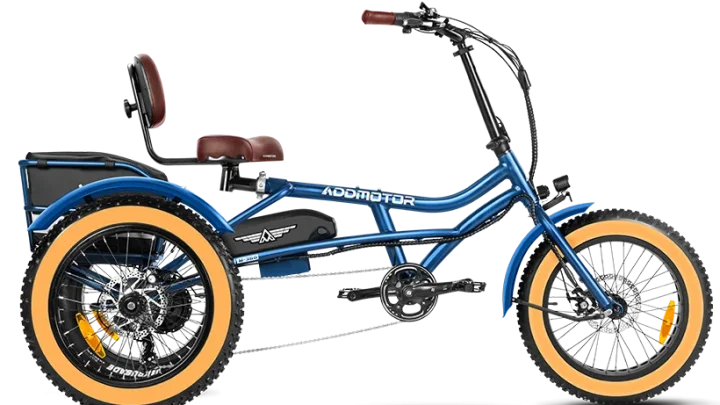
This choice defines your riding experience. Front-loaders place cargo ahead of the rider. This setup improves visibility of the box contents.
It also keeps the center of gravity forward. However, steering becomes heavier as load increases. You’ll feel every bump through the handlebars.
Rear-loaders sit behind the seat. They offer better balance during turns. The rider’s weight counteracts the cargo shift.
This makes them easier to maneuver in tight spaces. Yet, you can’t see what’s in the back easily. Theft risk is slightly higher due to blind spots.
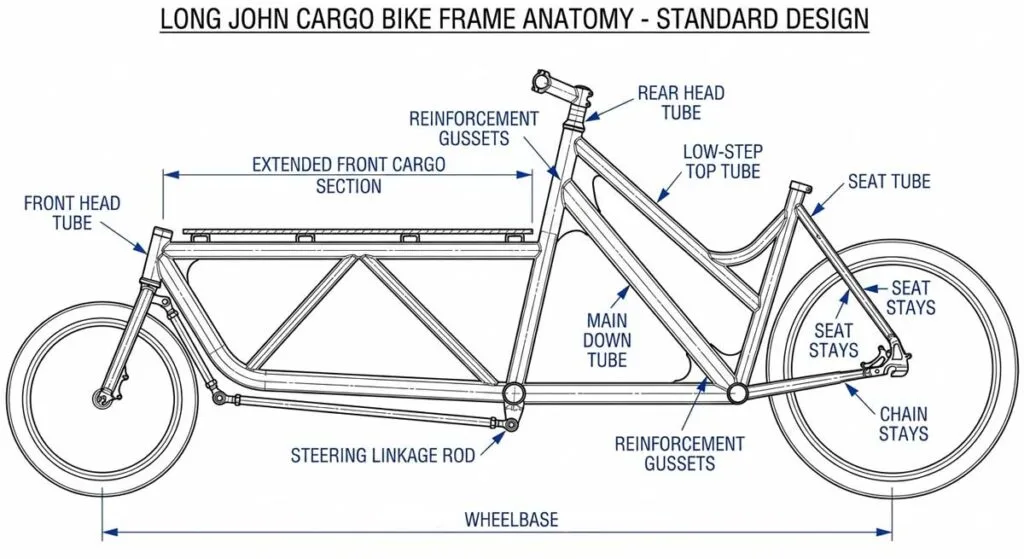
Image source: Web (Bing) / unitedebike.com (Web image (fair-use with source credit))
| Feature | Front-Loader | Rear-Loader |
|---|---|---|
| Visibility | High (see cargo) | Low (blind spot) |
| Handling | Heavier steering | Balanced turning |
| Stability | Prone to wobble | Steady at speed |
| Best For | Short, light trips | Heavy, mixed loads |
Choose front-loaders if you deliver fragile items often. Choose rear-loaders for maximum stability and ease of use. Trikes eliminate balancing acts entirely but sacrifice agility.
Why Payload Capacity and Motor Torque Are Non-Negotiable
Manufacturer ratings often exaggerate capabilities. Always check the net payload capacity. Subtract your body weight from the total limit.
If the bike handles 100kg total, and you weigh 80kg, you have only 20kg left. That’s barely enough for two bags of rice.
Motor torque matters more than top speed here. Newton-meters (Nm) measure rotational force. Standard commuter bikes offer 40, 60 Nm.
Cargo duties require 80 Nm minimum. Lower torque strains the motor on inclines. This leads to overheating and premature failure.
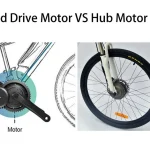
Mid-drive engines leverage gears for better efficiency. Hub motors provide instant power but lack gearing benefits.
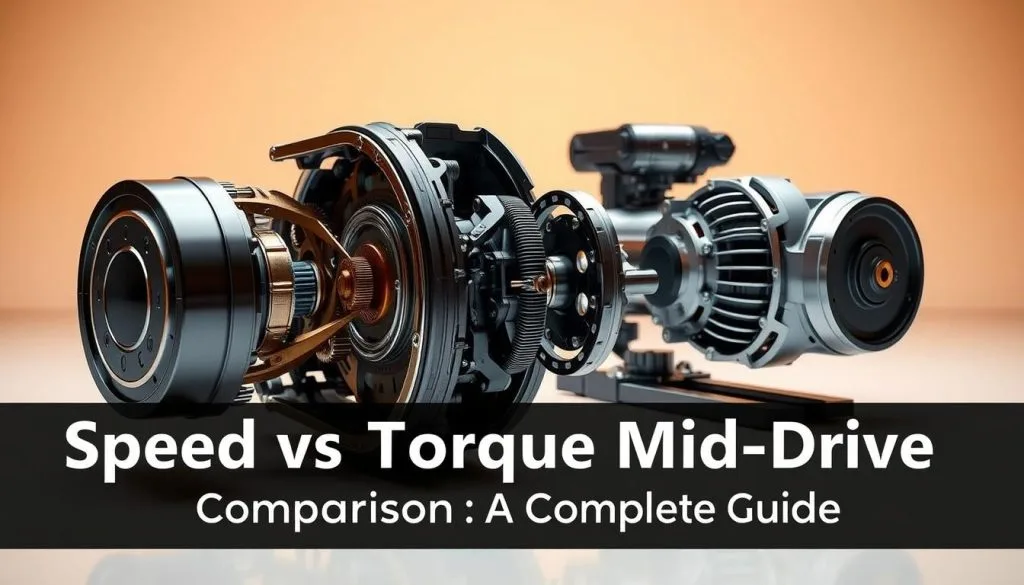
Image source: Bing (Web (fair-use with source credit))
Look for hydraulic disc brakes next. Mechanical cables stretch under heavy loads. Hydraulic systems clamp firmly regardless of weight.
This ensures stopping distances remain predictable. Safety isn’t optional when hauling groceries downhill.
Battery Range Reality Check: Calculating True Daily Miles
Advertised ranges assume ideal conditions. Riders rarely meet those standards. Expect a 30% drop in range with full loads.
Cold weather reduces lithium-ion efficiency further. Winter rides may cut mileage by half. Calculate your worst-case scenario needs.
Most delivery routes span 10, 20 miles round trip. Buy a battery rated for 40+ miles empty. This buffer accounts for wind resistance and hills.
Removable batteries allow swapping during shifts. Integrated packs lock you into one charge cycle. Verify charging times match your schedule.
Fast chargers refill in 3 hours. Standard units take 6+.
Consider spare batteries if you run all day. Renting swap stations saves upfront costs. Owning multiple packs increases initial expense.
Weigh usage frequency against capital outlay. Overbuying wastes money. Underbuying halts operations.
Find the sweet spot for your volume.
Legal Classes, Insurance, and Safety Compliance for Commercial Use
E-bikes fall into three US classes. Class 1 assists up to 20 mph via pedaling. Class 2 adds throttle up to 20 mph.
Class 3 reaches 28 mph with pedal assist. Many cities ban Class 3 from bike lanes. Check local ordinances before purchasing.
Misclassification invites fines or confiscation.
Commercial use demands specific insurance. Personal policies often exclude business activities. Liability coverage protects against accidents involving pedestrians.
Property insurance covers theft or damage. Consult providers specializing in micromobility. General homeowner plans rarely suffice.
Safety certifications are mandatory. Look for UL 2849 marks on electrical systems. This standard tests fire and shock risks.
Underwriters Laboratories provides detailed verification databases. Avoid uncertified imports. Cheap builds pose serious hazards.
Helmets are legally required in many states. Reflective gear enhances night visibility. Lights must be active after dusk.
Compliance keeps you operating smoothly.
Total Cost of Ownership: Upfront Price vs. Long-Term Savings
Sticker price is just the beginning. A $3,000 bike might save you thousands annually in fuel and parking fees. Compare this to a van rental costing $150 per day.
The break-even point often hits within six months for high-volume runners. Factor in electricity costs, which are negligible compared to gasoline.
Maintenance expenses vary by drive type. Belt drives require less frequent servicing than chains. You’ll replace brake pads more often due to heavier loads.
Budget an extra $200 yearly for wear items like tires and cables. Tires on cargo bikes degrade faster under constant weight stress.
Insurance premiums depend on your location and usage volume. Commercial policies typically range from $30 to $80 monthly. Don’t forget depreciation.
Resale values drop sharply after two years of heavy use. Buy used if possible to avoid the steepest initial hit. However, ensure the battery health is verified before purchase.
Old batteries lose capacity rapidly.
Our research shows that owning beats renting for consistent daily routes. If deliveries are sporadic, rentals offer flexibility without commitment. Calculate your annual mileage first.
Over 5,000 miles a year favors ownership. Below that threshold, sharing or renting makes financial sense. Always include hidden costs like secure storage racks.
These add up but protect your investment from theft.
Pre-Delivery Checklist and Maintenance Routine
Start every shift with a quick safety inspection. Check tire pressure against the sidewall markings. Under-inflated tires cause pinch flats and poor handling.
Inspect brake levers for firmness. Loose cables signal immediate maintenance needs. Test lights and reflectors for visibility.
Nighttime deliveries demand full functionality.
Verify all cargo straps and locking mechanisms. Loose crates shift during turns, throwing off balance. Ensure the kickstand holds steady on uneven pavement.
Wobbly stands tip over easily with heavy loads. Listen for unusual noises when pedaling. Grinding sounds indicate bearing or chain issues.
Address these immediately to prevent catastrophic failure.
Weekly maintenance keeps the bike reliable. Clean the frame and drivetrain to remove grit. Lubricate the chain if it’s not a belt system.
Tighten bolts on racks and fenders regularly. Vibration loosens fasteners over time. Monthly checks should include battery terminals for corrosion.
Wipe contacts with a dry cloth only. Never use water near electrical components.
Aggregate user reviews highlight neglect as the top cause of breakdowns. Skipping small inspections leads to major repairs. Set calendar reminders for these tasks.
Consistency extends component life significantly. Keep a logbook of service dates. This record helps warranty claims later.
It also tracks part replacement cycles accurately.
Frequently Asked Questions
Can I use any e-bike for grocery delivery?
No. Standard commuter bikes lack the structural strength for heavy payloads. Their frames may crack under repeated stress.
Always choose purpose-built cargo models. These feature reinforced tubing and higher weight ratings. Using the wrong bike voids warranties.
It also creates serious safety hazards for you and others.
How much payload can a typical cargo e-bike carry?
Most quality models handle 100kg (220lbs) total system weight. This includes the rider, bike, and cargo. Subtract your body weight to find usable capacity.
If you weigh 80kg, you have 20kg left. That’s roughly two large grocery bags. Heavy-duty triks push limits to 150kg or more.
Check manufacturer specs carefully before buying.
Do I need a special license to ride one?
In most US states, no. E-bikes are treated as bicycles legally. You don’t need a driver’s license or registration.
However, age restrictions apply in some areas. Minors often cannot operate Class 3 bikes. Local laws vary significantly.
Always verify regulations with your municipal transportation department. Ignorance doesn’t excuse violations or fines.
Are insulated boxes necessary for perishables?
Yes, for anything temperature-sensitive. Ice cream, meat, and dairy melt quickly. Standard plastic bins offer zero thermal protection.
Invest in hard-sided coolers with foam lining. These maintain cold temperatures for hours. Soft bags leak and crush easily.
Durability matters alongside insulation. Look for BPA-free materials for food safety compliance.

Similar Posts