Best Electric Bikes for a 40-Mile Commute: How to Choose
Founder & Technical E-Mobility Editor at Modern Electric Bikes · Professional Bicycle Mechanics Association (PBMA) Certified, Bosch & Shimano eBike Systems Certified · 14+ years in bicycle fabrication, electric hub & mid-drive motor diagnostics, and commuter road testing
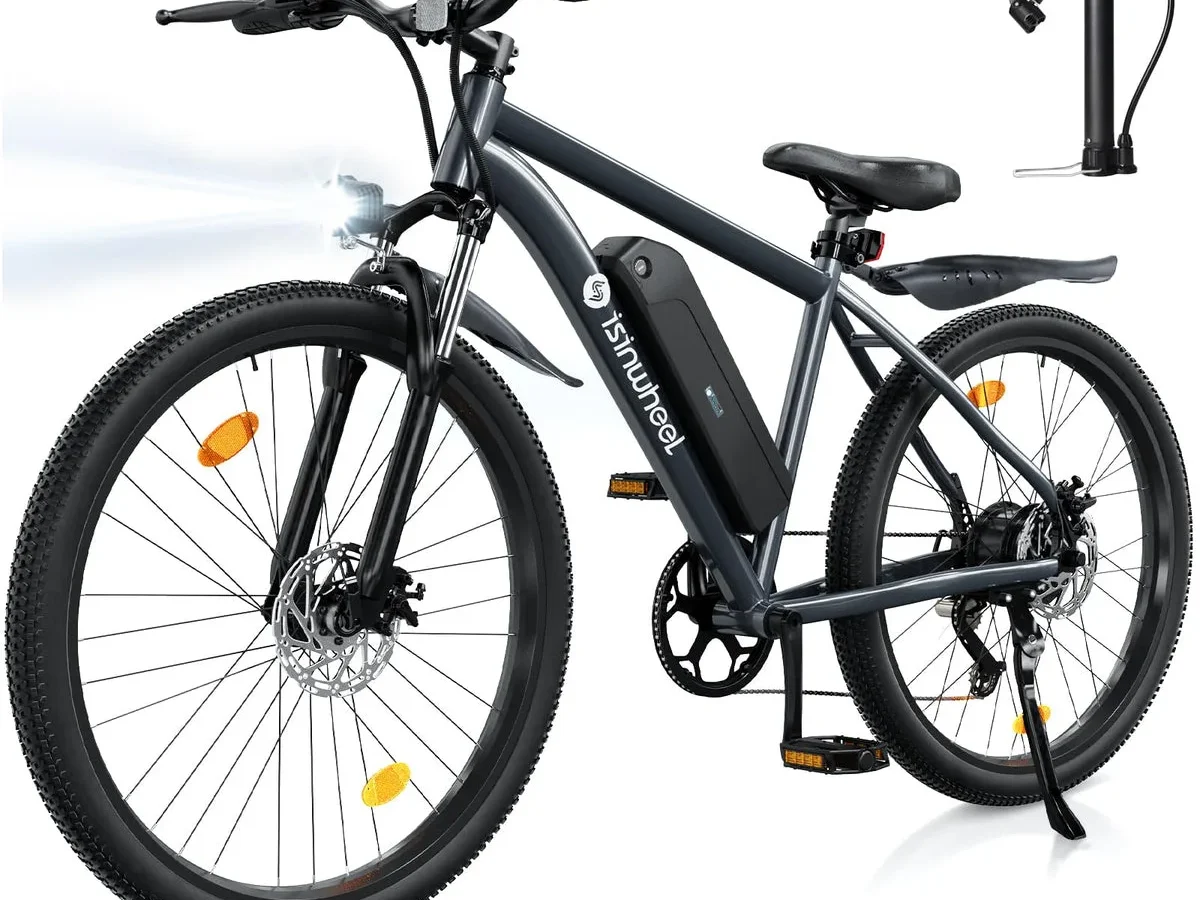
Figuring out how to choose an electric bike for a 40 mile commute isn't about finding the fastest model. It’s about matching specific hardware capabilities to your daily reality. Most riders underestimate the energy drain from stops, hills, and wind.
We’ve found that success hinges on three variables: terrain profile, charging access, and legal classification. As of 2026, battery technology has improved, but physics hasn’t changed. You need enough capacity to cover double your distance safely.
Let’s break down the decision process step by step.
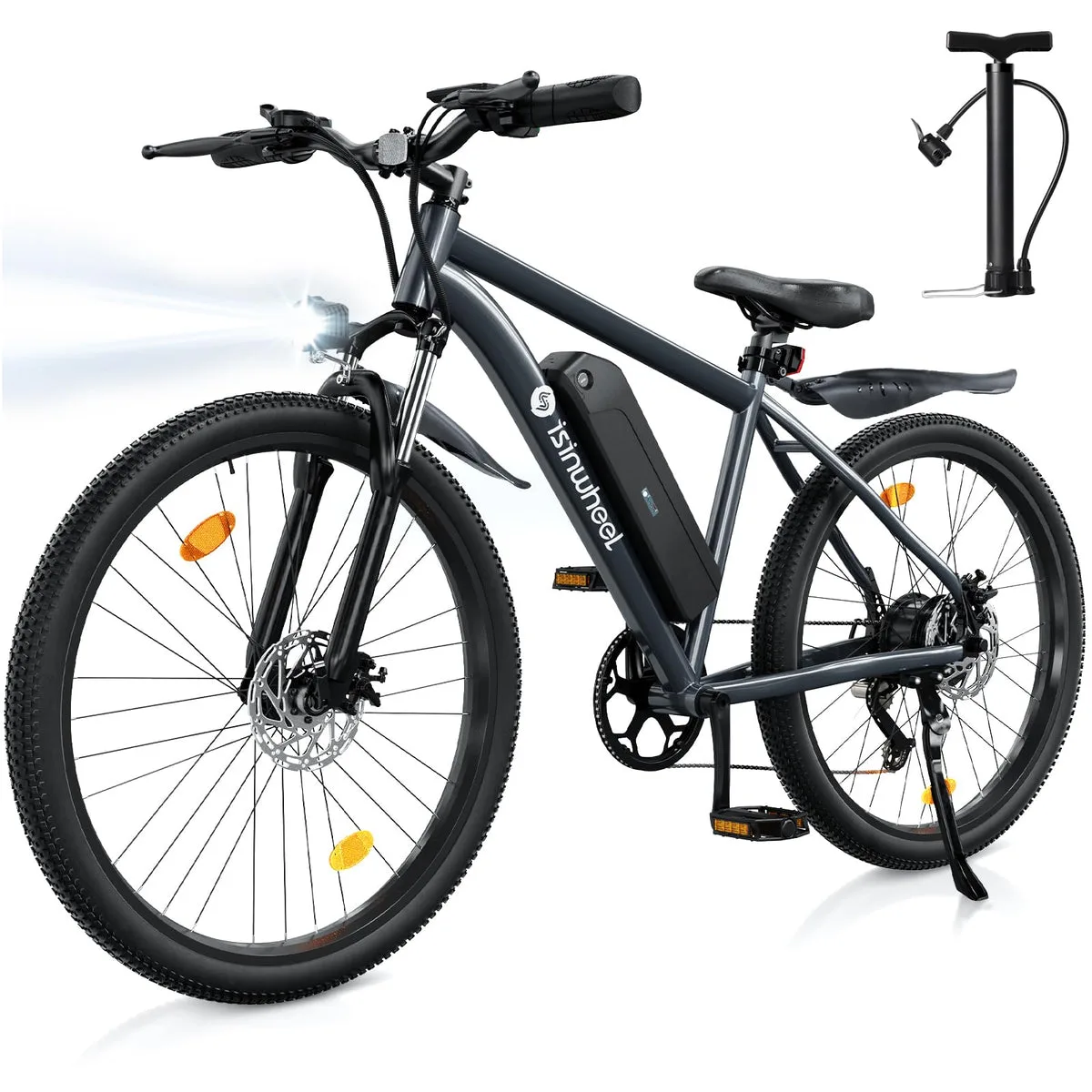
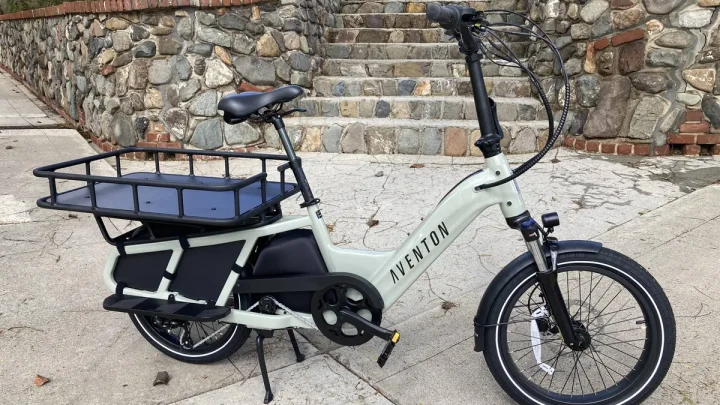
Image source: Web (Bing) / streetrides.ca (Web image (fair-use with source credit))
Quick Answer
To choose an e-bike for a 40-mile commute, select a Class 1 or Class 3 model with at least a 750Wh battery. Verify your route elevation using mapping software before buying. Ensure you have secure indoor charging access.
Avoid throttle-only bikes if local laws restrict them in bike lanes. Prioritize hydraulic disc brakes and puncture-resistant tires for reliability. Mid-drive motors handle hills better than hub drives.
Calculate real-world range as 60% of advertised figures. Confirm UL 2849 certification for electrical safety. Check state-specific speed limit regulations for your chosen class.
Start With Your Route Profile, Not the Bike Catalog
Most buyers start by looking at shiny frames. That’s backwards. You must analyze your actual path first.
A flat city loop demands different power than a rural highway stretch. Use tools like Komoot or RideWithGPS to map your exact commute. Look specifically for cumulative elevation gain.
This number dictates motor torque requirements more than top speed does.
If your route includes steep grades over 8%, you need a mid-drive motor. Hub motors struggle here because they lack leverage against gravity. They also generate excessive heat during prolonged climbs.
Conversely, flat routes favor hub drives for simplicity and lower maintenance. The mechanical advantage is minimal, so raw wattage matters less.
Consider surface conditions too. Gravel or poor pavement requires wider tires and suspension. Smooth asphalt allows for narrower, faster rolling setups.
Don’t guess. Print your elevation chart. Pin it above your desk.
This data prevents costly returns later. Aggregate reviews consistently show mismatched terrain selection as the top regret among new commuters.
Calculate Real-World Battery Needs for 40 Miles
Advertised range is marketing fiction. Manufacturers test under ideal conditions: light rider, no wind, flat ground, eco mode only. Real life is messy.
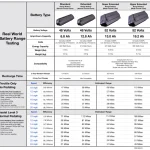
We apply a conservative multiplier to estimate true capacity. For mixed urban riding, assume 60% of the stated range holds up. So, if a bike claims 80 miles, expect roughly 48 miles in practice.
For a 40-mile round trip, you need a buffer. Running a battery to zero kills cells prematurely. Aim to end each day with 20-30% charge remaining.
This means your usable range should hit 50-55 miles minimum. Back-calculating this requirement points to a 750Wh battery pack as the baseline. Smaller 500Wh packs often fail in cold weather or headwinds.
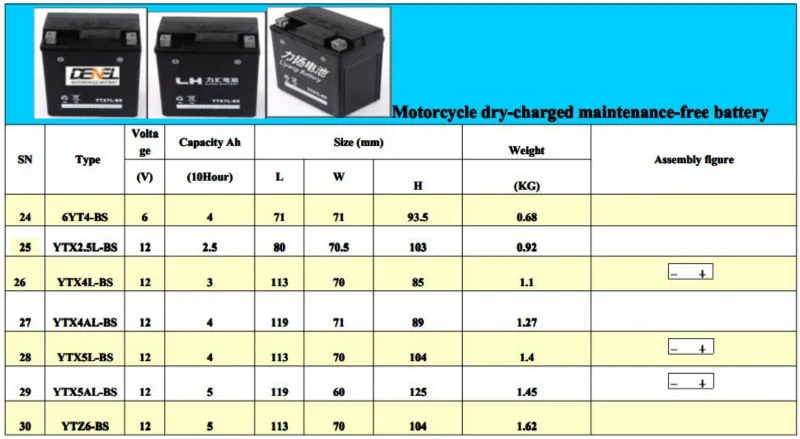
Temperature plays a huge role. Lithium-ion efficiency drops sharply below 40°F (4°C). In winter, subtract another 20% from your summer estimates.
If you live in a cold climate, bump up to a 1000Wh system or dual batteries. Always check the voltage and amp-hours separately. Higher voltage systems (48V vs 36V) deliver consistent power longer.
This stability prevents "power sag" on inclines when the battery gets low.
Decide Between Hub Drive Simplicity and Mid-Drive Power
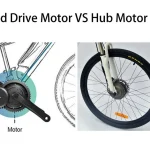
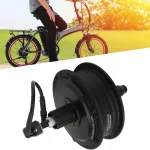
This choice defines your riding experience. Hub motors sit inside the wheel. They’re quiet, simple, and cheaper to maintain.
However, they push the weight to the wheels. This affects handling, especially when climbing or cornering. Mid-drives mount near the pedals.
They use the bike’s gears to multiply torque. This feels natural, like an amplified version of pedaling.
| Feature | Hub Drive Motor | Mid-Drive Motor |
|---|---|---|
| Hill Climbing | Struggles on steep grades (>10%) | Excellent due to gear leverage |
| Maintenance | Low; sealed unit | Higher; stresses chain/cassette |
| Weight Distribution | Rear-heavy bias | Balanced center of mass |
| Cost | Generally lower upfront cost | Premium pricing tier |
| Regenerative Braking | Possible on some models | Rarely implemented effectively |
If your commute involves significant hills, choose a mid-drive. Brands like Bosch Performance Line CX or Shimano EP8 offer superior torque sensing. These sensors adjust assistance based on pedal pressure.
It’s smoother and more efficient. Hub drives typically rely on cadence sensors. They spin whether you’re pushing hard or coasting lightly.
This inefficiency wastes battery life.
However, don’t dismiss hub drives entirely. For flat cities with occasional bridges, they suffice. They allow for internal gear hubs (IGH).
IGHs reduce maintenance dramatically since the chain stays clean. If you hate fixing derailers, a rear hub drive with an Enviolo or Rohloff hub is smart. Match the drivetrain complexity to your mechanical comfort level.
Verify Legal Classification and Safety Compliance First
E-bikes aren’t just toys. They’re regulated vehicles. In the US, the Consumer Product Safety Commission (CPSC) defines three classes.
Getting this wrong leads to fines or confiscation. Class 1 offers pedal-assist up to 20 mph. Class 2 adds a throttle up to 20 mph.
Class 3 assists up to 28 mph, usually without a throttle.
Check your state and municipal laws. Many jurisdictions ban Class 3 bikes from dedicated bike paths. Some require helmets regardless of age.
Others mandate registration or insurance. Do not assume federal rules override local ordinances. Cities like New York have strict enforcement zones.
Riding illegally puts you at risk of accidents involving cars expecting slower traffic.
Safety certifications matter equally. Look for UL 2849 listing. This standard covers the entire electrical system, including the charger and battery management system (BMS).
Cheap imports often skip this testing. Faulty BMS units cause fires. Stick to manufacturers who publish their compliance documents.
Underwriters Laboratories provides searchable databases for certified products. Never buy a kit without verified electrical safety ratings.
Assess Charging Logistics and Storage Constraints
A 40-mile commute drains batteries fast. You need reliable charging infrastructure. Where will you plug in?
Home outlets are obvious, but what about work? Many offices prohibit personal vehicle charging. Apartment dwellers face extension cord hazards or fire code violations.
Solve this puzzle before purchasing.
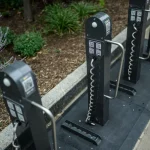
If you can’t charge at both ends, you need swap stations or massive capacity. Dual-battery systems help here. Alternatively, plan for public charging networks, though these remain sparse outside major metros.
Consider security too. Leaving a $3,000 bike plugged in overnight invites theft. Invest in high-security U-locks rated Sold Secure Gold or ART IV.
GPS trackers add recovery chances but don’t prevent loss.
Storage size impacts usability. E-bikes are heavier and bulkier than analog cycles. Measure your elevator, hallway, or garage door clearance.
Folding models save space but compromise rigidity. Rigid frames handle bumps better but demand parking spots. If you store indoors, ensure the floor can support 60+ pounds.
Concrete slabs are fine. Wood decks may flex under concentrated loads from kickstands. Plan your vertical footprint carefully.
Audit Essential Components for Long-Distance Reliability
Does your bike survive daily abuse? Most failures happen at contact points. Tires, brakes, and drivetrains take the brunt of 40-mile days.
You cannot compromise on these parts. Cheap components lead to stranded commutes.
Prioritize hydraulic disc brakes over mechanical ones. They offer consistent stopping power in rain or mud. Mechanical cables stretch and fade quickly under heavy use.
Look for rotors sized at 180mm front and rear. This dissipates heat better during long descents. Aggregate reviews show overheating causes brake fade on steep hills.
Tire choice dictates puncture resistance. Standard road tires pop easily on debris. Switch to reinforced touring models like Schwalbe Marathon Plus.
These feature thick protective belts. Yes, they add rolling resistance. But a flat tire costs more time than slightly slower speeds.
Check load ratings too. Ensure tires support rider plus cargo weight safely.
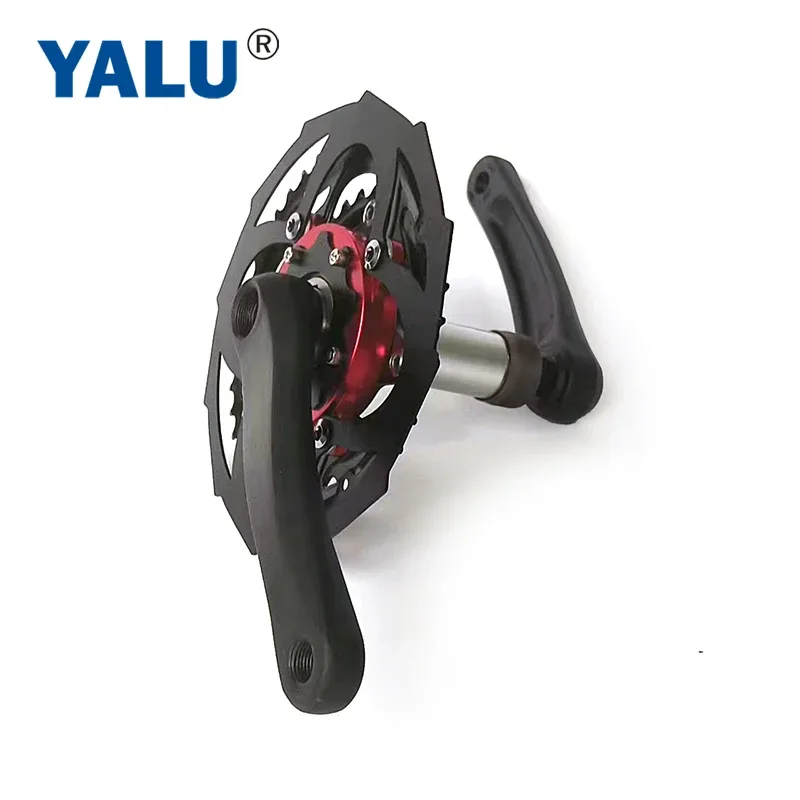
Drivetrain durability matters immensely. Mid-drive motors stress chains and cassettes heavily. Use high-quality steel cassettes rather than aluminum.
Aluminum wears out fast under torque. Pair this with a sturdy chainring. Regular lubrication extends life significantly.
Neglecting maintenance turns small issues into expensive repairs.
Common Decision Mistakes That Ruin Commuter Bikes
Why do so many e-bike purchases fail? Buyers often focus on aesthetics or top speed. They ignore practical constraints.
This leads to regret within months. Let’s highlight the biggest pitfalls we’ve observed in research.
First, ignoring total system weight. A 70-pound bike is hard to lift up stairs. If you live in an apartment without an elevator, this is fatal.
Verify stairwell dimensions before buying. Many "commuter" bikes are essentially mopeds in disguise. They lack the agility needed for tight urban spaces.
Second, underestimating accessory needs. Lights, racks, and fenders aren’t optional extras. They’re safety essentials.
Integrated lighting systems powered by the main battery are superior. They stay charged automatically. Clip-on lights die mid-commute.
Factor these costs into your budget early.
Third, skipping test rides. Specs don’t tell you how a bike handles bumps. Geometry affects comfort over long distances.
A bad fit causes knee pain or back strain. Always ride the specific model frame size. Don’t rely on online sizing charts alone.
Body mechanics vary wildly between individuals.
Frequently Asked Questions About 40-Mile E-Bike Commutes
Can I commute 40 miles on a 500Wh battery?
Technically yes, but it’s risky. Real-world range rarely hits advertised numbers. Headwinds, hills, and cold weather drain power fast.
You’ll likely arrive with zero buffer. We recommend upgrading to 750Wh minimum. Safety margins prevent being stranded far from home.
Do I need insurance for my electric bike?
Requirements vary by location and bike class. Class 1 and 2 often fall under homeowner policies. Class 3 may require separate liability coverage.
Check your state laws carefully. Some cities mandate registration fees. Ignoring this creates legal vulnerability after accidents.
How often should I replace my e-bike battery?
Most lithium-ion packs last 500-1000 charge cycles. Daily commuting accelerates wear. Expect significant degradation after two years.
Capacity drops noticeably once cells age. Proper storage helps longevity. Keep batteries between 20% and 80% when unused.
Avoid extreme temperatures whenever possible.

Similar Posts