How to Pick the Best E-Bike for Your 20-Mile Commute
Founder & Technical E-Mobility Editor at Modern Electric Bikes · Professional Bicycle Mechanics Association (PBMA) Certified, Bosch & Shimano eBike Systems Certified · 14+ years in bicycle fabrication, electric hub & mid-drive motor diagnostics, and commuter road testing
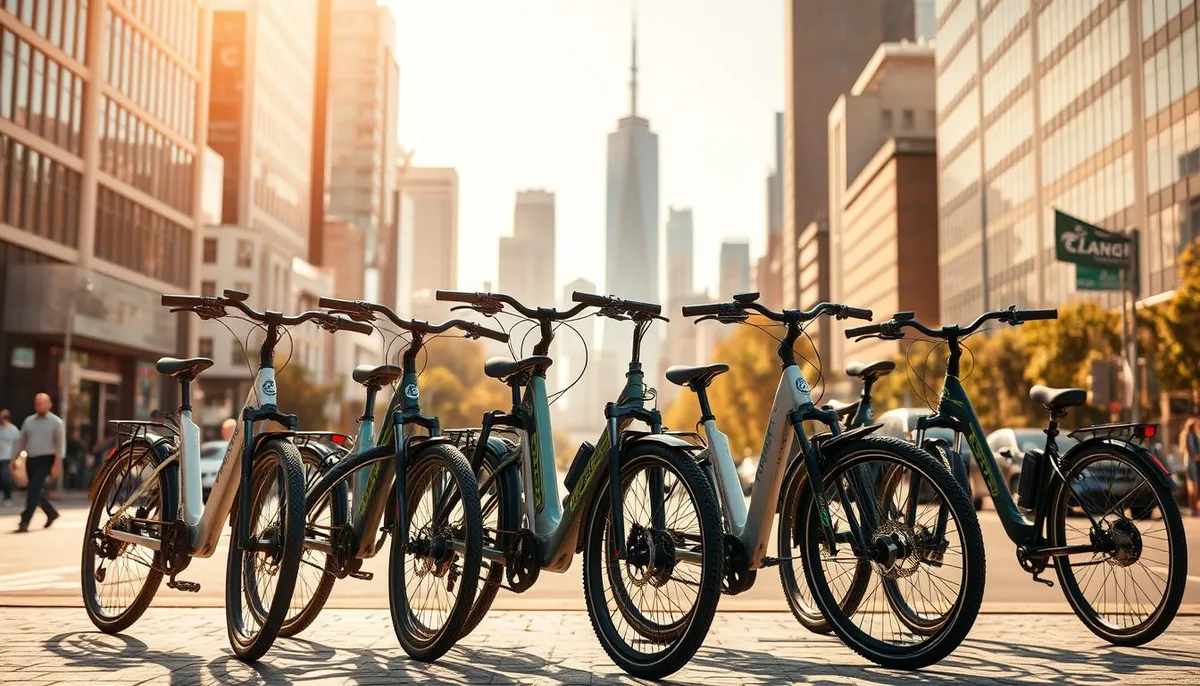
Figuring out how to choose an electric bike for a 20 mile commute isn't about picking the flashiest model. It’s about matching hardware to your specific route conditions. Many buyers underestimate the energy drain from hills or headwinds, leading to range anxiety halfway home.
We’ve seen too many riders stuck with depleted batteries because they trusted marketing numbers over physics.
Manufacturer specs often list ideal ranges on flat ground with light winds. In reality, a 500-watt-hour battery might only cover 18 miles in hilly terrain. Per CPSC guidelines, most commuter e-bikes fall under Class 1 or 2 limits as of 2026.
Let’s break down the critical decisions you need to make before spending money.
Stop Guessing Your Range: The 20-Mile Reality Check
Rated range figures are optimistic at best and misleading at worst. They assume perfect conditions that rarely exist in daily commuting. You must calculate your true power needs based on elevation gain and wind resistance.
A flat city ride differs vastly from a suburban route with steep bridges.
If your route includes significant climbs, double your expected wattage consumption. Cold weather also reduces lithium-ion efficiency by up to 20 percent. Always add a safety buffer of at least 25 percent to your calculated requirement.
This ensures you arrive home with charge left for tomorrow morning.
Why "Rated Range" is a Lie for Commuters
Brands test bikes on dynos with no wind and minimal rider weight. Real-world variables like traffic stops and acceleration spikes drain batteries faster. Aggregate user reviews consistently report actual ranges 30 to 40 percent lower than advertised.
Trust independent testing data over manufacturer brochures.
Calculating True Battery Needs Based on Terrain and Wind
Start by mapping your elevation profile using free online tools. Note the total feet climbed during your round trip. Use this formula: Base Miles × (1 + Elevation Factor) = Required Range.
For every 100 feet of climb, subtract one mile from rated range.
| Condition | Impact on Range | Adjustment Factor |
|---|---|---|
| Flat Terrain | Minimal Drain | 1.0x Rated Range |
| Moderate Hills | Noticeable Drain | 0.7x Rated Range |
| Steep Climbs | Severe Drain | 0.5x Rated Range |
| Headwinds | High Resistance | 0.8x Rated Range |
| Cold Weather (<40°F) | Chemical Slowdown | 0.8x Rated Range |
For a 20-mile commute, aim for a battery capable of delivering 30 miles of real-world range. This usually means a pack between 500Wh and 625Wh. Larger capacities add weight but provide peace of mind.
Don’t skimp here if you live in a hilly area.
Image source: Web (Bing) / electricbikelabs.net (Web image (fair-use with source credit))
Choose Your Motor Architecture: Mid-Drive vs. Hub
Your motor type dictates how the bike handles hills and accelerates. It also affects maintenance complexity and cost. Most commuters debate between hub motors and mid-drive systems.
Each has distinct advantages depending on your route profile.
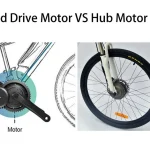
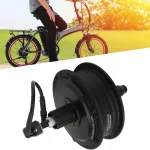
Hub motors sit inside the wheel. They offer simple torque application without stressing the chain. Mid-drives connect to the crankset.
They leverage the bike’s gears for better efficiency on inclines. Understanding this difference is crucial for long-term satisfaction.
Handling Hills and Headwinds Without Burning Out
Mid-drive motors excel on steep terrain because they shift gears effectively. This keeps the motor in its optimal power band. Hub motors struggle on hills unless they are high-torque variants.
They may overheat or drain batteries rapidly when climbing slowly.
If your commute involves frequent stops and starts, hub motors shine. They provide instant torque without gear shifting delays. However, for sustained uphill efforts, mid-drives are superior.
They distribute weight centrally, improving handling stability.
Maintenance Trade-offs and Repair Accessibility
Hub motors are sealed units. If they fail, you often replace the entire wheel assembly. This can be costly and requires specialized tools.
Mid-drives integrate with standard bicycle components. Repairs are generally cheaper and available at local shops.
Our research indicates that mid-drive systems have higher upfront costs. But their longevity and serviceability often offset this over time. Check if your local dealer supports both types.
Proprietary parts lock-in is a common complaint with cheap hub kits. Stick to established brands like Bosch or Shimano for reliability.
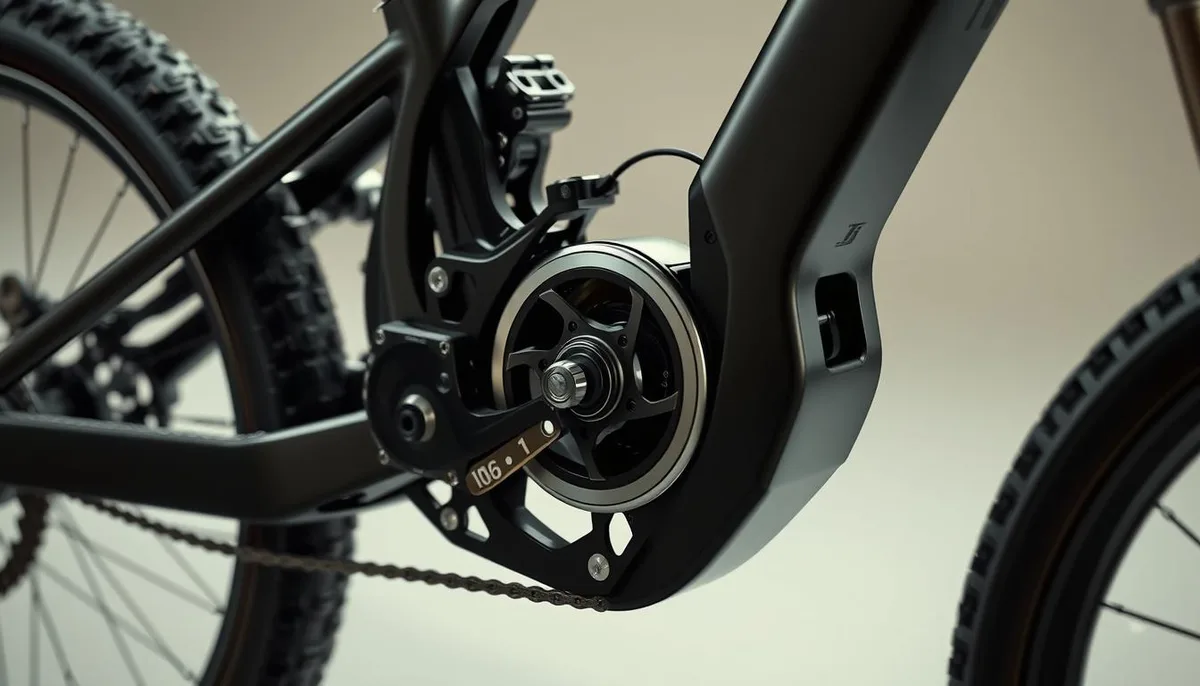
Image source: Web (Bing) / electricbikelabs.net (Web image (fair-use with source credit))
Define Your Legal Class: Speed Limits Matter More Than You Think
E-bike classes determine where you can ride legally. Misunderstanding these rules leads to fines or confiscation. Federal law defines three main classes based on top assisted speed.
State and local laws vary significantly regarding lane access.
Class 1 offers pedal-assist only up to 20 mph. Class 2 adds a throttle option up to 20 mph. Class 3 extends pedal-assist up to 28 mph.
Choosing the wrong class for your infrastructure causes friction with other road users.
Class 1 vs. Class 3 for Urban Infrastructure
Most protected bike lanes restrict Class 3 e-bikes. Riders seeking maximum flexibility should consider Class 1. It provides sufficient speed for traffic flow while maintaining broad access.
Class 3 is better for rural roads or highways with shoulders.
If your commute mixes paths and streets, Class 1 is safer. You avoid legal gray areas in shared spaces. Verify local ordinances before purchasing.
Some cities ban throttles entirely, making Class 2 illegal there.
Helmet Laws and Lane Restrictions by State
Helmet requirements differ by class and age group. Many states mandate helmets for Class 3 riders regardless of age. Always wear one for safety, even if not required.
Insurance policies may void coverage if you violate traffic laws.
The Consumer Product Safety Commission sets baseline definitions for low-speed electric bicycles. States adopt these standards with modifications. Check your department of transportation website for specific updates.
Compliance protects your investment and legal standing.
Spec Out the Non-Negotiables for Daily Abuse
Commuters put extreme stress on components. Standard recreational features often fail under daily load. You need industrial-grade durability to survive rain, potholes, and heavy cargo.
Cutting corners on specs leads to frequent repairs and downtime.
Focus on braking power, tire resilience, and lighting visibility. These elements directly impact safety and usability. Ignore aesthetic extras until the fundamentals are solid.
A reliable commuter prioritizes function over form every time.
Hydraulic Disc Brakes and Puncture-Proof Tires
Hydraulic disc brakes offer consistent stopping power in wet conditions. Mechanical discs fade quickly and require constant adjustment. For a 20-mile haul, hydraulics are mandatory.
Look for four-piston calipers for heavier loads.
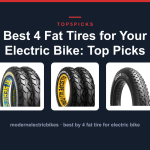
Tires must resist flats caused by glass and debris. Reinforced sidewalls prevent pinch flats from curbs. Brands like Schwalbe produce marathon-rated tires specifically for commuters.
Avoid thin racing tires; they increase rolling resistance and failure risk.
Integrated Lighting and Rack Compatibility
Factory-integrated lights draw power from the main battery. This eliminates separate charging hassles. Ensure they meet DOT brightness standards for night riding.
Rear lights should be visible from 500 feet away.
Robust rear racks support panniers and groceries. Weak plastic mounts snap under load. Aluminum or steel structures are essential.
Confirm the rack rating exceeds your typical cargo weight. This prevents accidents caused by detached bags.
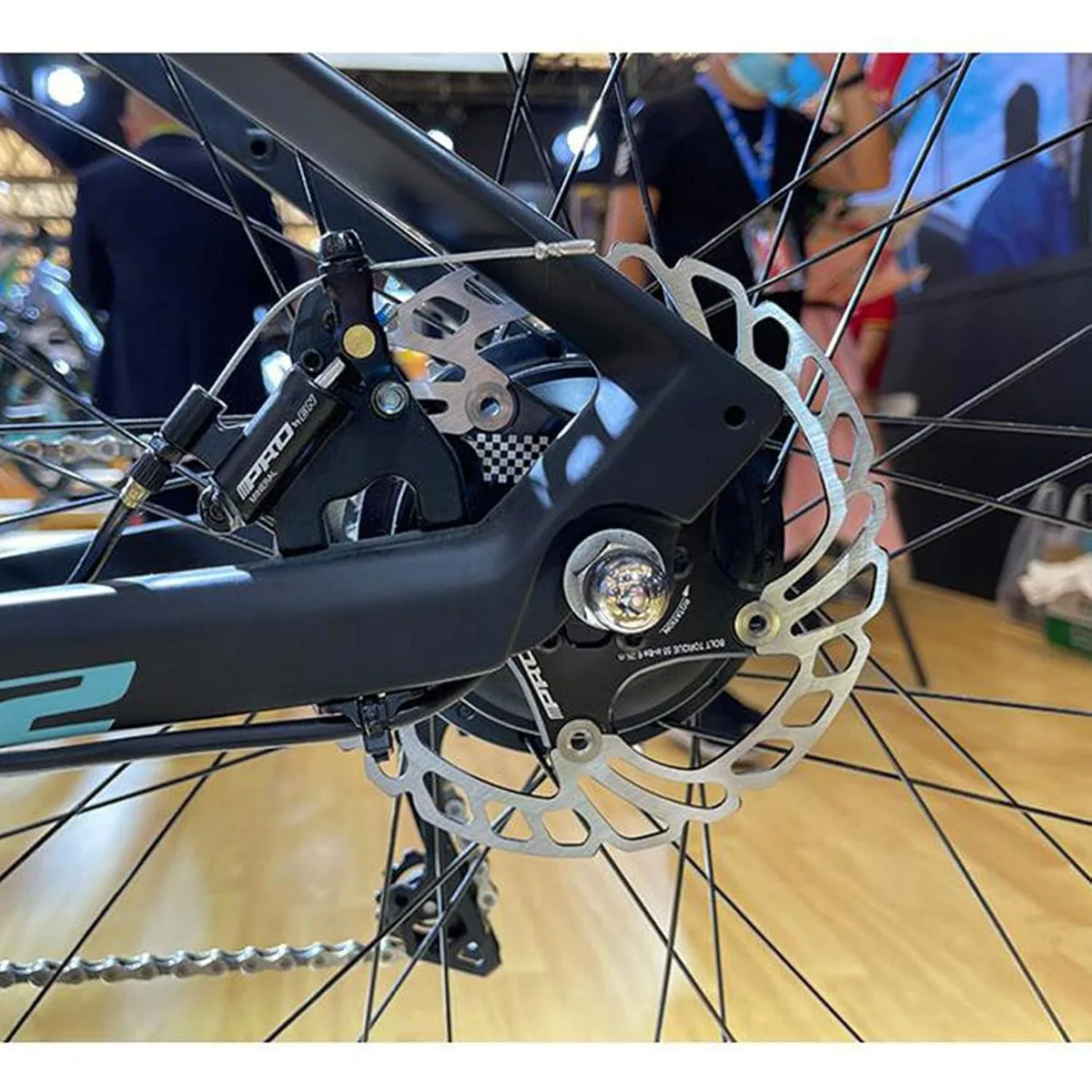
Image source: Web (Bing) / amazon.in (Web image (fair-use with source credit))
Avoid These Three Costly Buying Mistakes
New buyers often prioritize price over practicality. This short-sighted approach increases total ownership costs. We’ve identified three common errors that ruin commutes.
Recognizing them early saves thousands in replacements and frustration.
Don’t let sales pitches distract you from your actual needs. Focus on serviceability, comfort geometry, and realistic weight management. These factors determine whether you’ll use the bike daily or sell it after a month.
Overlooking Serviceability and Proprietary Parts Lock-in
Some manufacturers use proprietary batteries and controllers. Local shops cannot repair these easily. You become dependent on mail-in warranties.
This leaves you without transport for weeks.
Choose brands with open ecosystems. Bosch, Shimano, and Brose offer widespread technician training. Spare parts are readily available globally.
Ask dealers about their certification status before buying.
Ignoring Frame Geometry for Long-Distance Comfort
Aggressive racing geometries hurt backs on upright commutes. You need relaxed angles for endurance. Test rides reveal discomfort instantly.
Don’t rely on static measurements alone.
Step-through frames aid mounting with bulky clothing. Diamond frames offer stiffness but require flexibility. Select based on your mobility and attire.
Comfort drives consistency; inconsistency kills utility.
Underestimating Weight for Storage and Transit
E-bikes weigh 45 to 65 pounds. Lifting them into apartments or trains is difficult. Measure stairwell widths and elevator dimensions first.
Heavy bikes limit your storage options.
Consider folding models if space is tight. They sacrifice some rigidity for portability. Balance weight against structural integrity.
Heavier isn’t always stronger; design matters more.
Quick Decision Workflow: Match Bike to Route Profile
Your commute profile dictates the hardware. Use this logic tree to finalize your choice. It simplifies complex specs into actionable decisions based on real-world constraints.
Flat City Commute Scenario
If your route is mostly flat with occasional bridges, prioritize efficiency and agility. A 500Wh battery suffices for a 20-mile round trip if you maintain moderate assist levels. Choose a lightweight hub motor for simplicity.
These systems require less maintenance than mid-drives.
Look for narrow tires with low rolling resistance. Puncture protection remains critical in urban environments. Integrated lights are non-negotiable for tunnel or underpass safety.
A step-through frame aids quick mounting when wearing business attire. This setup balances cost and performance perfectly for predictable terrain.
Hilly Suburban Route Scenario
Steep gradients demand torque and thermal management. Opt for a mid-drive system with at least 80Nm of peak torque. This configuration leverages gears to keep the motor efficient during climbs.
You’ll need a larger battery, ideally 625Wh or more, to handle the energy drain.
Hydraulic disc brakes are mandatory here. Gravity builds speed quickly on descents. Ensure your tires have aggressive tread patterns for loose gravel shoulders.
Suspension forks absorb impact from poorly maintained roads. This combination provides control and confidence on challenging inclines.
Mixed Weather/Seasonal Constraint Scenario
Rain, snow, and cold affect both mechanics and chemistry. Select a bike with high IP ratings for electronics. Waterproof connectors prevent corrosion from salted roads.
Internal gear hubs (IGH) offer better reliability in wet conditions than derailleurs. They seal grease inside, protecting shifting mechanisms from grit.
Battery performance drops in temperatures below freezing. Insulate your pack or store it indoors overnight. Fenders must cover wheels completely to spray reduction.
Studded tires provide traction on ice. Prioritize visibility features like bright headlights and reflective strips. Safety outweighs aesthetics in adverse weather commuting.
Frequently Asked Questions About E-Bike Commuting
Can I use a standard bicycle charger for my e-bike?
No. E-bike batteries require specific voltage and current profiles. Using incompatible chargers risks fire or permanent cell damage.
Always use the manufacturer-supplied unit. Third-party replacements must match exact specifications. Check the label for input/output details before purchasing any alternative.
How often should I replace my e-bike battery?
Lithium-ion cells degrade after 500 to 1000 charge cycles. For daily commuters, this translates to three to five years. Capacity loss becomes noticeable when range drops below 70 percent of original.
Proper storage extends life. Keep charges between 20 and 80 percent for daily use. Avoid full discharges whenever possible.
Do I need insurance for an electric bike?
Requirements vary by jurisdiction and bike class. Class 1 and 2 bikes often fall under homeowner’s policies. Class 3 models may require specific vehicle registration or liability coverage.
Verify local laws. Some insurers exclude e-bikes entirely. Dedicated micro-mobility policies exist but cost extra.
Read exclusions carefully.
Is throttle mode legal everywhere?
No. Many regions restrict throttles to off-road use only. European standards generally prohibit them on public roads.
US states differ significantly. California allows throttles on Class 2 bikes up to 20 mph. New York bans them in certain contexts.
Know your local ordinance before relying on twist-and-go functionality. Pedal-assist remains universally accepted.

Similar Posts